
The lotus flower has been a timeless subject in art, symbolizing spiritual growth and rebirth. In ancient Egyptian art, the lotus was often depicted as a sacred bloom emerging from the waters of creation, while in Indian and Buddhist traditions, it represents the path to enlightenment. The delicate petals and intricate details of the lotus have captivated artists for centuries, inspiring countless interpretations and renderings. Whether you’re an experienced artist or just starting out, sketching the lotus flower offers a unique opportunity to explore various techniques and digital tools. By breaking down the artistic significance of this iconic bloom and providing practical tips on capturing its beauty, we’ll help you master the art of sketching a lotus flower – from traditional mediums like pencils and watercolors to modern digital software.
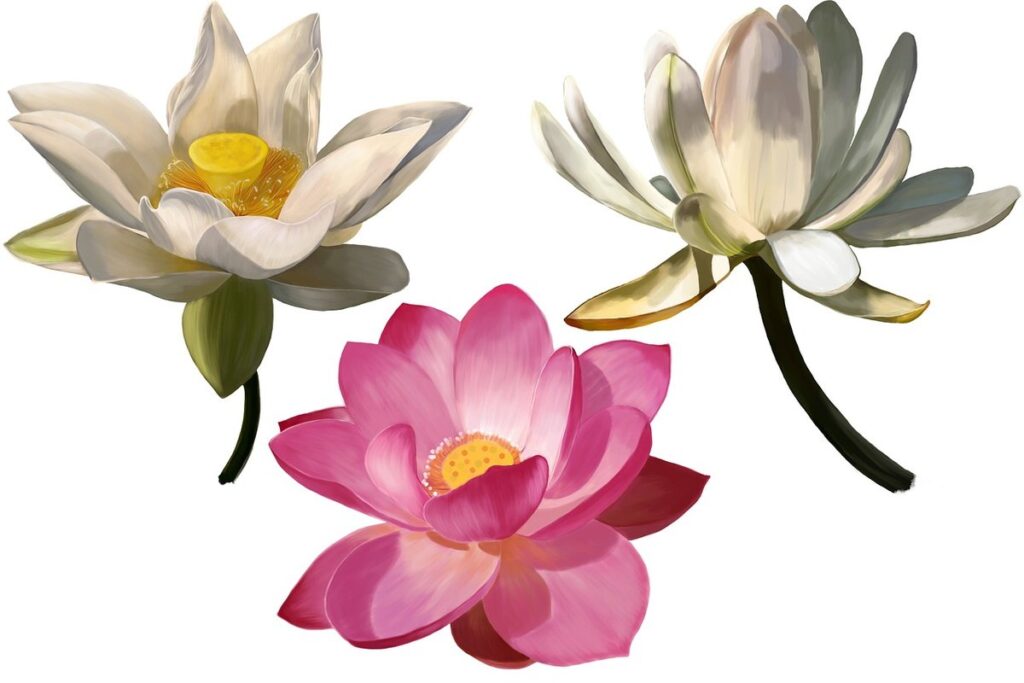
The Origins and Meaning of the Lotus Flower
The lotus flower has a rich history, and its meaning varies across cultures, but it’s often associated with spiritual growth, renewal, and enlightenment. Its significance is deeply rooted in Eastern philosophies.
Ancient Egyptian Connection to the Lotus
In ancient Egyptian culture, the lotus flower was highly revered for its spiritual significance and beauty. The Egyptians associated the lotus with rebirth, fertility, and the sun god, Atum. This complex symbolism is reflected in the myth of the sun god’s creation story, where he emerges from a primordial lotus flower to begin his journey through the cosmos.
The Egyptians saw the lotus as a symbol of regeneration, as it grows in muddy waters but remains unsoiled and beautiful. This paradoxical nature made the lotus an apt representation of the cycle of life and death. The Egyptians often depicted the sun god rising from the lotus, highlighting its connection to rebirth and renewal.
The lotus was also linked to fertility, as it flowers for a brief period before dying back into dormancy, only to re-emerge again in the spring. This cycle mirrored the annual flooding of the Nile, which brought fertile silt to the land, making the Egyptians see the lotus as a potent symbol of fertility and abundance.
The Egyptians’ reverence for the lotus is evident in its frequent appearance in art and architecture, often paired with other symbols of rebirth and renewal. By understanding this rich history, artists today can tap into the symbolic power of the lotus flower when sketching or drawing it.
Buddhist and Hindu Symbolism of the Lotus
In Buddhist and Hindu traditions, the lotus flower is revered as a symbol of enlightenment, purity, and spiritual growth. In Buddhism, the lotus represents the individual’s journey towards enlightenment, emerging from the muddy waters of ignorance to rise above suffering. This theme is beautifully captured in Buddhist art, where the lotus often appears with the Buddha himself, signifying his connection to the divine.
In Hinduism, the lotus has multiple deities associated with it, including the goddess Lakshmi, who sits on a lotus throne. The lotus also represents the self-realization of the individual soul (Atman) and its union with the universal consciousness (Brahman). In this context, the lotus symbolizes the path to spiritual liberation.
To apply this symbolism in your sketch, focus on capturing the delicate balance between purity and imperfection. Use gentle lines and subtle shading to convey the soft petals of the lotus, while also hinting at the muddy waters from which it emerges. This nuanced representation will evoke the spiritual significance of the lotus in Eastern traditions.
Artistic Depiction of a Lotus Flower: A Brief History
The lotus flower has been a timeless subject for artists across cultures and centuries, inspiring some truly breathtaking works of art. Let’s take a closer look at how this iconic bloom has been depicted in various artistic traditions.
Ancient Representations of the Lotus
Ancient artists depicted the lotus flower with great reverence and detail. In ancient Egyptian art, the lotus was often shown as a symbol of rebirth and regeneration. Pottery from this era features intricate designs of lotus flowers, sometimes emerging from the mouths of gods or goddesses. In contrast, Buddhist and Hindu art focus on the spiritual significance of the lotus, often depicting it as a means for achieving enlightenment. These representations showcase the versatility of the lotus motif in various artistic mediums, including sculptures and paintings.
In ancient Egyptian pottery, the lotus is frequently paired with other symbols of rebirth, such as the scarab beetle. This combination emphasizes the cyclical nature of life and death. Similarly, Buddhist art often features the lotus surrounded by auspicious signs, like the wheel of dharma or the trident of Shiva.
Notable examples of ancient lotus depictions can be found in the temples of Angkor Wat in Cambodia and the Khajuraho temple complex in India. These structures demonstrate the enduring influence of the lotus flower on human artistry and spirituality.
Renaissance Revival of the Lotus Motif
During the Renaissance period, European artists rediscovered the lotus as an artistic motif, drawing inspiration from classical Greek and Roman art. This revival was fueled by a renewed interest in ancient cultures and a desire to create innovative and unique compositions.
The lotus’s resurgence in popularity can be seen in the works of prominent artists such as Michelangelo and Raphael, who often depicted it in their paintings and sculptures. These depictions typically featured the lotus in symbolic contexts, emphasizing its associations with spiritual growth, rebirth, and enlightenment.
In particular, the lotus motif was often used to represent the human soul’s journey towards perfection. For example, in Michelangelo’s “The Creation of Adam,” the lotus is depicted as a symbol of divine creation and spiritual awakening. This use of the lotus motif reflects the Renaissance artists’ desire to convey complex emotions and ideas through their art.
As a result of this revival, the lotus has become an iconic symbol in Western art, evoking a sense of spirituality and contemplation. Today, artists continue to draw inspiration from the lotus, using it as a powerful metaphor for personal growth and transformation.
The Process of Sketching a Lotus Flower
To capture the essence of a lotus flower on paper, you’ll need to understand its intricate design and delicate petals. Let’s break down the key steps in sketching this beautiful bloom.
Understanding Proportion and Symmetry
When sketching a lotus flower, understanding its proportion and symmetry is crucial for capturing its beauty and essence. Start by studying the overall shape of the flower, noting how it tapers from the base to the petals. The typical lotus has 3-5 symmetrical petals, with two smaller sepals protecting the bud.
Common mistakes include drawing the petals too large or too small in proportion to the rest of the flower. To avoid this, use a measuring technique: divide your sketch paper into sections and allocate space for each part of the lotus accordingly. For example, you might reserve 1/3 of the space for the base and 2/3 for the petals.
Another pitfall is neglecting to ensure symmetry in the petals themselves. Look closely at reference images or real-life examples: notice how each petal mirrors its opposite, forming a harmonious balance. To achieve this, draw one petal carefully and then duplicate it on the other side, ensuring alignment and even spacing. This attention to detail will make your lotus flower sketch look more realistic and striking. By applying these principles, you’ll be able to capture the lotus’s elegant proportions and balanced beauty.
Capturing Light and Texture with Shading Techniques
When rendering the delicate petals, sepals, and stamen of a lotus flower, shading techniques are essential for capturing its intricate textures and details. To begin, focus on creating soft, gentle curves with your pencil to suggest the rounded forms of the petals and sepals. Gradually build up layers of hatching and cross-hatching to achieve a sense of depth and dimension.
For the stamen, use shorter, more defined strokes to convey its wiry texture. Pay particular attention to the subtle gradations in value that indicate the delicate play of light on these intricate structures. Consider using a range of tonal values – from pale highlights to rich shadows – to create a convincing representation of the lotus’s intricate details.
When shading, remember to observe the way light dances across the flower’s surfaces. Note the areas where light catches the petals’ edges, creating soft folds and creases. By carefully rendering these textures and subtle value shifts, you’ll be able to evoke the sense of serenity and beauty that a lotus flower embodies.
Symbolic Meaning in Modern Art
The lotus flower has been a timeless symbol of spiritual growth and enlightenment, but how is its symbolic meaning interpreted in modern art? We’ll explore its significance as an artistic motif.
Using the Lotus Flower as a Metaphor for Spiritual Growth
Modern artists continue to draw inspiration from the lotus flower as a symbol for spiritual growth, enlightenment, and personal transformation. This ancient symbolism has been reinterpreted in contemporary art, reflecting ongoing human pursuits of self-discovery and inner peace.
In her mixed-media piece “Lotus Rising,” artist Sutapa Biswas uses the lotus as a metaphor for the journey towards enlightenment. The delicate petals of the flower are juxtaposed with fragments of broken ceramics, symbolizing the fragility and impermanence of the self. This contrast highlights the tension between spiritual growth and the challenges of everyday life.
The lotus has also been used to represent personal transformation in abstract art. For example, painter Anish Kapoor’s “Descent into Limbo” features a dark, distorted lotus flower that appears to be sinking into the canvas. This ambiguous form challenges traditional notions of beauty and renewal, inviting viewers to reconsider their relationship with the natural world.
By incorporating the lotus as a symbol in their work, modern artists tap into its rich cultural heritage while infusing it with new meanings and interpretations. As a result, this timeless motif continues to inspire artistic expression and reflection on the human experience.
The Lotus in Non-Representational and Abstract Art
In non-representational and abstract art, the lotus flower is often reinterpreted as a symbol of emotional resonance rather than a literal depiction. Artists may use geometric forms, gestural brushstrokes, or expressive lines to evoke the feeling of the lotus’s spiritual significance. For instance, Mark Rothko’s color field paintings can be seen as a non-representational expression of the lotus’s association with enlightenment and spiritual growth.
In abstract art, the lotus is often used as a metaphor for the complexities of human emotion. Artists like Wassily Kandinsky and Kazimir Malevich employed geometric forms to convey the dynamic energy and emotional intensity of the lotus. By stripping away representational details, these artists allowed viewers to focus on the emotional essence of the symbol.
To apply this concept in your own art, consider using abstract shapes or expressive marks to evoke the feeling of the lotus rather than its literal appearance. Experiment with different materials and techniques to create a non-representational representation that captures the emotional resonance of the lotus flower.
Tips for Sketching a Realistic Lotus Flower
To capture the intricate beauty of a lotus flower, start by paying attention to its delicate petals and stamens, which require some precise drawing techniques. Mastering these details will elevate your sketch from simple to stunning.
Drawing Techniques for Capturing Petals and Sepals
When drawing the delicate petals and sepals of a lotus flower, it’s essential to capture their intricate shapes and textures. To achieve this, try using gentle, flowing lines to suggest the soft curves of the petals. Avoid making them too uniform or rigid, as this can detract from their natural beauty.
One exercise to improve your dexterity is to practice drawing the sepals first, focusing on their slight overlap and delicate edges. Then, move on to the petals, paying attention to how they unfold from the center of the flower. Remember that each petal has a unique shape and size, so try to capture these variations in your drawing.
To add depth and dimension to your lotus flower sketch, consider using a range of line weights and hatching techniques. For example, use finer lines for the delicate edges of the petals and sepals, while reserving thicker lines for the stem and leaves. Experiment with different textures, such as loose gestural marks or tightly packed hatching, to convey the intricate patterns found on the lotus flower’s surface.
Enhancing Realism with Anatomical Understanding
When sketching a realistic lotus flower, understanding its anatomy is crucial for capturing its intricate details. The center of the flower is composed of stamens, which are typically yellow and prominent. These stamens are surrounded by petals, which can range from delicate to robust in texture. To accurately render this structure, observe how the stamen emerges from the base of the flower, often at a slight angle.
Note the position and arrangement of the sepals, the green leaf-like structures that protect the bud before it opens. These sepals usually number three and are positioned on either side of the stem. In many lotus varieties, the sepals remain visible even after the petals have bloomed.
To add depth to your sketch, pay attention to the way the stamen and petals interact with each other. Observe how the petals curve around the stamen or sometimes overlap them. Consider the gentle slope of the petal edges as they meet at the center of the flower.
The Role of Digital Tools in Lotus Flower Sketching
Digital tools have revolutionized the way we create and refine our lotus flower sketches, offering a range of benefits for artists at every skill level. Let’s explore how these tools can enhance your sketching experience.
Using Software to Enhance or Create a Lotus Design
Digital drawing software has become an indispensable tool for artists, offering unparalleled flexibility and precision. When it comes to sketching a lotus flower, digital tools can aid in enhancing or creating a design by providing a range of features and functionalities that mimic traditional media. For instance, Adobe Illustrator’s vector-based drawing capabilities enable users to create intricate designs with precise control over line weights, shapes, and patterns. Procreate, on the other hand, offers a more intuitive and customizable experience, allowing artists to tap into their creativity without the constraints of traditional mediums.
Digital painting programs like Corel Painter or Krita also provide an array of brushstrokes and textures that can be used to capture the delicate nuances of the lotus flower’s petals. Additionally, software such as Blender or Autodesk Maya enable users to create realistic 3D models, which can then be textured and rendered for a more lifelike appearance. By leveraging these digital tools, artists can experiment with new techniques, explore different styles, and refine their skills in creating stunning lotus flower designs that resonate with the symbolic significance of this iconic motif.
Creating Realistic Textures with 3D Modeling Software
When working on a digital lotus flower sketch, 3D modeling software can be used to create realistic textures and shapes. This technique is particularly useful for achieving intricate details, such as the delicate patterns found on the petals or the subtle ridges on the sepals. By using 3D modeling software, you can import high-resolution photographs of lotus flowers and use them as reference images to capture their texture and appearance.
To create realistic textures with 3D modeling software, start by selecting a texture mapping technique that suits your design. For example, you might choose to use UV unwrapping or normal mapping to achieve detailed results. Once you’ve selected a technique, import the reference image and adjust its settings to match the color palette and lighting conditions of your sketch.
When applying textures to 3D models, pay attention to subtle variations in pattern and tone. You can achieve this by using layered materials or adjusting texture scales. For instance, you might apply a coarse texture to the stem and leaves while reserving a finer texture for the petals. By taking these steps, you can create a lotus flower sketch that accurately conveys the delicate beauty of the real thing.
Conclusion: The Enduring Symbolism of the Lotus Flower
The lotus flower has captivated artists and audiences alike for centuries, its serene beauty and profound symbolism weaving a timeless spell. As we’ve explored in this sketch, the intricate details and elegant lines of the lotus flower evoke a sense of serenity and balance. But beyond its aesthetic appeal, the lotus holds deep spiritual significance across cultures, representing rebirth, growth, and enlightenment.
In many Eastern traditions, the lotus is seen as a symbol of self-discovery, emerging from muddy waters yet remaining unsoiled by them. This paradoxical nature has inspired countless works of art, inviting viewers to contemplate their own journey towards inner peace. As we gaze upon this sketch of the lotus flower, let us remember that its symbolism extends far beyond the canvas, speaking directly to our own pursuit of spiritual growth and self-realization.
The enduring power of the lotus lies in its ability to transcend time and space, connecting us with a rich cultural heritage while offering timeless wisdom. As we reflect on this sketch, may it inspire us to cultivate serenity and balance within ourselves, just as the lotus flower blooms effortlessly above the mire, radiant and unblemished.
Frequently Asked Questions
How Can I Apply the Symbolism of the Lotus Flower to My Own Life?
The symbolism of the lotus flower can be applied to your life by reflecting on its themes of rebirth, spiritual growth, and self-improvement. You can use the lotus as a personal metaphor for your own journey towards enlightenment and transformation. Ask yourself how you can embody the qualities of the lotus in your daily life, such as cultivating inner peace or embracing change.
Can I Use Digital Tools to Create a Realistic 3D Model of a Lotus Flower?
Yes, digital tools like 3D modeling software can be used to create highly realistic and detailed models of a lotus flower. You can use these programs to experiment with different textures, shapes, and colors to achieve the desired level of realism.
How Do I Choose Between Drawing and Painting When Sketching a Lotus Flower?
Choosing between drawing and painting ultimately depends on your personal preference and skillset. If you’re looking for more precision and detail, drawing may be the better option. However, if you want to capture the softness and subtlety of color, painting might be the way to go.
What if I’m Struggling to Capture the Delicate Shapes of Petals and Sepals?
Capturing delicate shapes can be challenging, but it’s not impossible. To improve your skills, try practicing drawing exercises that focus on lines, curves, and texture. You can also use reference images or real-life observations to get a better understanding of the lotus flower’s anatomy.
Can I Use Abstract Art to Express the Emotional Resonance of the Lotus Flower?
Yes, abstract art is an excellent way to express the emotional resonance of the lotus flower without relying on its literal depiction. By using non-representational forms and colors, you can tap into the symbolic meaning of the lotus and convey your personal interpretation of its significance.