
Sketching an elephant can be a daunting task for even the most experienced artists. Not only do these majestic creatures have a unique and complex anatomy, but their size and proportion also make them a challenge to capture accurately in art. As you attempt to render the intricate details of an elephant’s body, including its trunk, tusks, and massive ears, it’s essential to understand its underlying structure and proportions. In this step-by-step guide, we’ll cover the basics of drawing an elephant using digital tools, explore advanced techniques for creating realistic textures and shading, and delve into the key aspects of elephant anatomy that will help you create a detailed and convincing sketch. By following our expert advice, you’ll be able to master the art of sketching an elephant in no time.
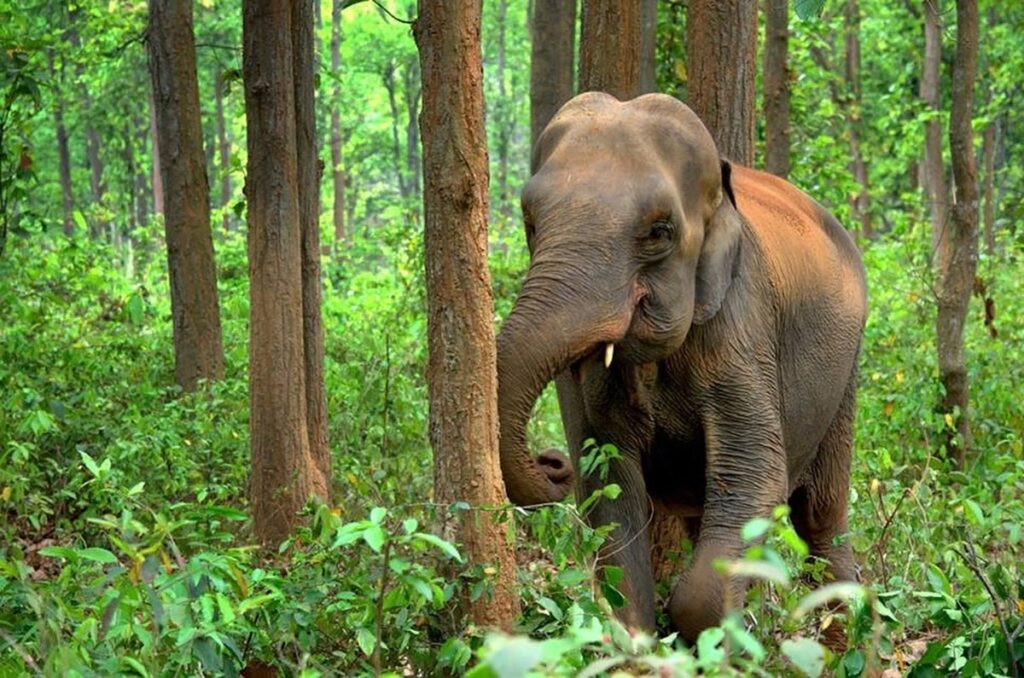
Choosing Your Medium and Tools
To sketch a realistic elephant, you’ll need to choose the right medium and tools that suit your style and skill level. Let’s start by exploring the options available for creating an elephant drawing.
Digital Drawing vs. Traditional Media
When it comes to sketching an elephant, you have two primary options for medium: digital drawing software and traditional media like pencils and paper. Both have their own set of benefits and drawbacks. Digital drawing software offers unparalleled flexibility and editing capabilities. With a few clicks, you can correct mistakes, experiment with different styles, and even undo hours of work without losing your progress.
Traditional media, on the other hand, provides a more tactile experience and can be particularly effective for capturing textures and tonal values. However, it’s often more difficult to edit and revise work done in traditional media, and mistakes can be costly in terms of time and materials.
A hybrid approach can also be beneficial. Many artists use digital drawing software as a starting point and then transfer their sketches to paper or canvas for final touches. This allows you to take advantage of the flexibility of digital tools while still enjoying the tactile experience of traditional media.
Essential Drawing Tools
A range of pencils is essential for capturing the varying tones and textures found on an elephant’s body. Include a selection of graphite pencils with soft to hard leads (HB, 2B, 4B, 6B) as well as colored pencils for added detail. A set of sharpener refills will also be useful for keeping your pencils in good condition.
In addition to pencils, you’ll need an eraser and a kneaded eraser specifically designed for graphite pencil marks. These types of erasers are gentler on paper and can remove mistakes without smudging surrounding areas. A blending stump or tortillon is also helpful for softening edges and creating subtle transitions between values.
Good quality paper with a smooth finish will help prevent your pencils from dragging and create a more even tone. Choose a paper that’s suitable for graphite drawings, typically around 80-100 gsm weight. Consider investing in a sketchbook specifically designed for drawing elephants or large animals to ensure the pages can accommodate your work without buckling.
Lastly, keep handy a ruler, pencil case, or container to store and organize your tools within easy reach. This will prevent unnecessary interruptions during your creative process.
Setting Up Your Workspace
Position yourself comfortably at a table or desk with good lumbar support. A high-backed chair or a drafting stool can help maintain proper posture, reducing fatigue and strain on your back and neck during extended sketching sessions. Consider placing a document holder or clipboard within easy reach to keep your reference materials organized.
Adequate lighting is crucial for accurate observation and rendering of elephant anatomy. Natural light is ideal, but if that’s not possible, invest in a high-quality desk lamp with adjustable arms and a diffuser to prevent harsh shadows. Position the light source to illuminate your paper from the side or above, rather than directly overhead.
Keep frequently used drawing tools within easy reach, such as pencils, erasers, and sharpeners. A pencil box or a small tray can help maintain organization and prevent clutter. Consider designating a specific area for your sketches, free from distractions and interruptions. This will allow you to focus on the task at hand and enjoy the process of creating your elephant sketch.
Understanding Elephant Anatomy
Understanding the unique anatomy of elephants is crucial for capturing their majestic features on paper, so let’s start with a closer look at their distinctive body shape and proportions.
Identifying Key Features
When sketching an elephant, there are several key features that must be accurately represented. The trunk is a crucial element, as it makes up a significant portion of the elephant’s body and is used for breathing, drinking, and grasping objects. When drawing the trunk, pay attention to its curvature and tapering shape, and include subtle wrinkles and creases where it meets the mouth and tusks.
The tusks themselves should be depicted as long, curved protrusions extending from the mouth, with a distinctive rounded tip at the end. Ears are another essential feature, typically shown as large, fan-shaped appendages on either side of the head. The tail is often less prominent in sketches but still worth including, as it provides balance and helps to convey movement.
When evaluating your sketch’s accuracy, consider the relationship between these features. For example, a long trunk should be balanced by a proportionate amount of body mass below, while tusks should be positioned evenly on either side of the mouth. By prioritizing these key elements and paying attention to their interactions, you’ll be able to create a more realistic and engaging elephant sketch.
Proportion and Measurement
When measuring and proportioning an elephant’s body for a sketch, it’s essential to consider its massive size and unique shape. Start by dividing the body into sections: trunk, head, shoulders, back, hips, and tail. Use a ruler or a measuring tool to take note of these proportions. A typical adult male African elephant stands around 13 feet (4 meters) tall at the shoulder.
To get an accurate measurement, consider using reference images of elephants in various poses. Observe how their body shape changes from side to side and front to back. Note that the trunk is roughly one-quarter of the total height, while the head accounts for about one-eighth. The shoulders are slightly broader than the hips, which are wider than the back.
When sketching an elephant’s posture, remember that its center of gravity is near the base of the tail. This affects how it stands and moves. To capture this in your drawing, aim to place the legs slightly apart with the back leg slightly bent. A small minority of sketches achieve accurate representation without prior study or measurement; however, making an informed estimate will significantly improve your work’s overall accuracy.
Understanding Elephant Posture and Movement
Elephants exhibit distinct postures and movements depending on their activity level, terrain, and emotional state. When walking, elephants typically lift their feet high off the ground, with each step covering a distance of about 3-4 meters. The trunk is often held low to the ground, with the ears flapping gently in the breeze.
In standing poses, an elephant’s weight is evenly distributed on its four legs, with the back leg closest to the viewer being slightly bent to compensate for the body’s center of gravity. This stance allows them to rest while still maintaining balance and vigilance. When sitting or lying down, elephants often use their tusks as support, placing them under their heads or shoulders.
Observe how an elephant’s posture changes when it becomes more alert or threatened. In these situations, they tend to stand taller, with the ears laid back against the head and the tail held high. Note the subtle tension in the muscles and the way the body is aligned to prepare for action. By studying these variations, you can create more nuanced and realistic sketches that capture the essence of an elephant’s movement and expression.
Sketching Techniques for Elephant Features
When sketching an elephant, getting its features just right can be a challenge. We’ll cover essential techniques to help you accurately capture the shape and structure of an elephant’s ears, eyes, and trunk.
Trunk and Tusks
When sketching an elephant’s trunk and tusks, it’s essential to capture their unique shapes, sizes, and textures. Start by drawing the trunk as a gentle curve, tapering from the head towards the tip. Vary the thickness of the trunk along its length, with a thicker base and thinner tip.
Consider the size and shape of the tusks in relation to the rest of the elephant’s features. Large tusks can be straight or curved, while smaller ones may be more slender and pointed. You can also depict tusks that have been worn down by age or use.
To add texture to the trunk, suggest wrinkles and folds using short, curved lines. The skin around the tusks should be smooth, with a subtle sheen. For larger tusks, draw the base as a slight bulge on the upper lip, while smaller ones can be integrated more subtly into the surrounding skin.
When drawing multiple tusks, pay attention to their positioning and alignment. Typically, large elephants have two large tusks in the upper jaw, with smaller ones or no tusks in the lower jaw.
Ears and Head Shape
When drawing an elephant’s ears and head shape, it’s essential to capture their unique features and proportions. Elephants have large, fan-shaped ears that are incredibly mobile, allowing them to radiate excess heat and hear distant sounds. The ears’ size and shape vary slightly between species, but a general rule of thumb is to make the top edge of each ear level with or just below the eye.
To draw an elephant’s head shape, focus on its gentle curves and rounded features. The forehead is broad and flat, while the muzzle is long and tapered, ending in a distinctive trunk. The eyes are relatively small compared to other mammals, but they’re positioned high on the face to provide excellent vision. When rendering the head shape, pay attention to the subtle contours of the muzzle and the gentle slope of the forehead.
Elephants have a distinct head-to-body ratio, with their heads making up approximately 10-15% of their total height. This proportion is critical for achieving an accurate representation in your sketch.
Body and Limbs
When sketching the elephant’s body and limbs, it’s essential to capture their massive size and muscular definition. Start by roughing out the overall shape of the torso, including the prominent hump of the shoulders and the slight indentation at the base of the neck. Pay attention to the way the muscles ripple under the skin, particularly on the legs, where you can see the tendons and ligaments stretching beneath.
Use gentle, flowing lines to suggest the texture of the elephant’s hide, which can be smooth in some areas but rougher around the joints and along the spine. Don’t forget to depict the way the skin folds over the joints, creating a sense of depth and dimensionality. To convey movement, show the limbs relaxed or tensed, depending on the pose you’re aiming for – the elephant’s legs are surprisingly flexible, so don’t be afraid to exaggerate their range of motion.
When drawing the four legs, remember that they’re relatively straight in relation to the body, with the front legs slightly more compact than the hind. Focus on capturing the way each leg interacts with its corresponding foot, including the weight-bearing joints and the subtle curves of the ankle.
Adding Texture and Detail
Now that you’ve got the basics down, let’s add some personality to your elephant sketch by incorporating texture and detail into its fur, tusks, and other features. This will bring it to life!
Trunk Wrinkles and Patterns
When adding texture and patterns to an elephant’s trunk, consider the folds and creases that form when it bends and moves. Start by sketching gentle curves for the major wrinkles, using a soft pencil or a digital brush with a rounded tip. These initial lines will provide a foundation for more detailed work.
To create deeper folds, use short, expressive strokes with varying pressures to suggest the texture of the skin. Pay attention to where the trunk meets the face and mouth, as these areas tend to be smoother. Consider adding ridges or grooves along the length of the trunk, particularly around the nostrils and lip area.
Use reference images to study the patterns and folds on an elephant’s trunk in different contexts – when it’s relaxed, when it’s grasping food or objects, and when it’s moving. Observe how these textures change depending on the situation. You can also experiment with layering different textures over each other to create a more dynamic, three-dimensional effect. For example, you might start with smooth lines for the main wrinkles, then add more detailed folds on top of those, and finally add ridges or grooves as final details.
Skin and Hide Patterns
When sketching an elephant’s skin and hide patterns, remember that these can vary greatly depending on the individual animal. Some areas will be smooth and almost hairless, while others will be textured and wrinkled.
Start by identifying the main regions of the elephant’s body: the trunk, face, neck, shoulders, back, hips, and legs. Smooth patches are typically found on the elephant’s underside, including the belly and inner thighs. These areas are often depicted with gentle curves and subtle folds.
Textured areas, on the other hand, are common on the elephant’s back, shoulders, and hips. To capture these patterns, use short, curved lines to suggest wrinkles and folds. Pay attention to the direction of these lines, as they can help convey the elephant’s age, health, and muscle tone.
When depicting textured areas, consider adding some visual interest by incorporating subtle patches or speckles. These can be achieved with small dots or short strokes. Remember that texture should enhance the overall form rather than overpower it – balance is key when rendering skin and hide patterns on your elephant sketch.
Eyes and Facial Expression
When sketching an elephant’s eyes and facial expression, it’s essential to capture their unique characteristics. Elephants have large, rounded eyes that are set relatively far apart on their face. Varying the shape and size of these eyes can help convey different emotions and moods.
For a calm or serene elephant, draw larger, more rounded eyes with slightly raised outer corners. In contrast, a more alert or curious elephant might have smaller, more almond-shaped eyes with lower outer corners. You can also experiment with different eye sizes to show the elephant’s age and energy level – younger elephants tend to have bigger, brighter eyes.
When it comes to facial expressions, remember that an elephant’s face is highly mobile. Their lips, nose, and eyelids all move independently of each other, allowing for a wide range of subtle emotions. To capture this, pay attention to the relationship between the eyes, nostrils, and mouth – even slight changes in these areas can make a big difference in conveying emotion.
To get started, try sketching an elephant with its mouth relaxed, then experiment with slightly raised or curled lips to show different levels of alertness and interest.
Advanced Techniques and Tips
Now that you’ve mastered the basics of sketching an elephant, it’s time to take your skills to the next level with some advanced techniques for capturing texture and movement. We’ll explore tips for adding depth and realism.
Refining Your Sketch
When refining your sketch of an elephant, pay close attention to proportions. Check if the head is too large compared to the body, and make adjustments as needed. Ensure the ears are roughly the same size and shape, with a gentle slope towards the back. Evaluate the trunk’s length and thickness in relation to the body.
Review your line work for consistency and fluidity. Elephant lines should be smooth and curved, without harsh angles or abrupt changes. Pay attention to the way lines intersect and meet, creating a natural flow that suggests movement.
Texture is another crucial aspect to refine. Study the texture of an elephant’s skin and hide, noting the subtle patterns and wrinkles. Add these details with gentle brushstrokes or hatching marks, varying the pressure to achieve depth and dimension. Be cautious not to overdo it – too much detail can overwhelm the sketch.
Creating Realistic Movement and Action
To capture dynamic movement and action in a sketch of an elephant, consider conveying energy through expressive lines. This can be achieved by varying line weight and direction to suggest tension and momentum. For example, you might depict the elephant’s trunk as curled and taut, with loose, curved lines indicating the flow of movement.
Pay attention to body language: a swaying or leaning posture implies that the elephant is in motion. Experiment with subtle variations in leg positioning and weight distribution to convey a sense of energy and dynamism. Avoid stiff, rigid poses, which can make your subject appear static.
When sketching an elephant in action, consider capturing a moment of transition, such as a turn or a pause between movements. This allows you to freeze the action and emphasize the drama of the movement. In terms of gesture drawing, focus on suggesting the overall flow of energy rather than precise anatomical accuracy.
A few key areas to pay attention to include:
• The trunk’s position and tension
• Leg positioning and weight distribution
• Posture and body language
• Capture a moment of transition or dynamic movement
Practice and Experimentation
Don’t be afraid to try new things and push the boundaries of what you think is possible with an elephant sketch. Practice and experimentation are essential for developing your unique style and voice as an artist. As you work on refining your techniques, set aside time to play with different media, tools, and styles.
Experiment with various drawing tools, such as charcoal, pastels, or ink, to see how they capture the texture and movement of elephant skin. You might find that a particular medium lends itself better to capturing the roughness of an elephant’s hide or the delicate nuances of its face. Don’t be afraid to get messy and try out unconventional techniques – it’s often in these moments of creative freedom that you stumble upon something truly innovative.
To take your practice to the next level, try sketching elephants from different angles and in various poses. Pay attention to how their bodies interact with each other and their surroundings. You can also draw inspiration from real-life photographs or observe elephants in zoos or wildlife sanctuaries. Remember, the key is to have fun and stay open to new ideas – your unique perspective will shine through in your work.
Frequently Asked Questions
What If I’m Struggling to Capture the Elephant’s Movement and Action?
Yes, it can be challenging to convey dynamic movement in a sketch. To overcome this, focus on observing the elephant’s body language and posture in your reference images or real-life observations. Pay attention to the positioning of the legs, trunk, and ears, as these features can greatly impact the overall sense of movement.
Can I Use Digital Tools to Create Realistic Trunk Wrinkles and Patterns?
Yes, digital drawing software offers a range of tools that can help you create realistic trunk wrinkles and patterns. Experiment with layer blending modes, texture overlays, and brush settings to achieve the desired effect. You can also use reference images or videos to study the intricate details of an elephant’s skin.
How Do I Know When My Sketch Is Finished?
A good sketch is not just about technical skill but also about conveying a sense of life and energy. To know when your sketch is finished, take a step back and evaluate its overall balance and composition. Check if all the essential features are accurately represented, and if the proportions and measurements seem correct.
What If I Want to Create a Realistic Portrait of an Elephant with Advanced Facial Expression?
To create a realistic portrait of an elephant with advanced facial expression, study the anatomy of the face, including the eyes, nose, mouth, and ears. Pay attention to the subtle details that convey emotions, such as wrinkles around the eyes or the shape of the lips. Use reference images or observe real elephants to capture their unique expressions.
Can I Practice Sketching Elephants with Different Postures and Movements?
Absolutely! Practicing sketching elephants in various postures and movements is an excellent way to develop your observation skills, learn anatomy, and experiment with different techniques. Start by observing the elephant’s body language in reference images or real-life settings, then try to replicate it in your sketches.