
Imagine your main character stuck in a desperate situation, with only minutes to spare before a catastrophic event unfolds. The clock is ticking, and every second counts. A well-crafted ticking clock is a potent tool for writers, capable of elevating a generic story into a heart-pounding thriller. But what sets a believable ticking clock apart from a generic time bomb? The key lies in creating tension and suspense that propels the reader forward, refusing to let them look away. In this article, we’ll explore techniques for crafting a ticking clock that works in various genres, from romance to science fiction. You’ll learn how to use the ticking clock to build anticipation, create obstacles, and heighten the stakes, all while keeping your reader on the edge of their seat.
Understanding the Concept of a Ticking Clock
A ticking clock is a powerful storytelling device, but its nuances can be tricky to grasp, especially for writers new to this technique. Let’s break down its fundamental concept and how it creates tension in your story.
What is a Ticking Clock?
A ticking clock is a deliberate narrative device used by writers to create tension and suspense. It’s a clock that’s explicitly mentioned or implied in the story, often with significant consequences for the plot. This device works by placing a time-sensitive constraint on the protagonist, forcing them to make decisions under pressure.
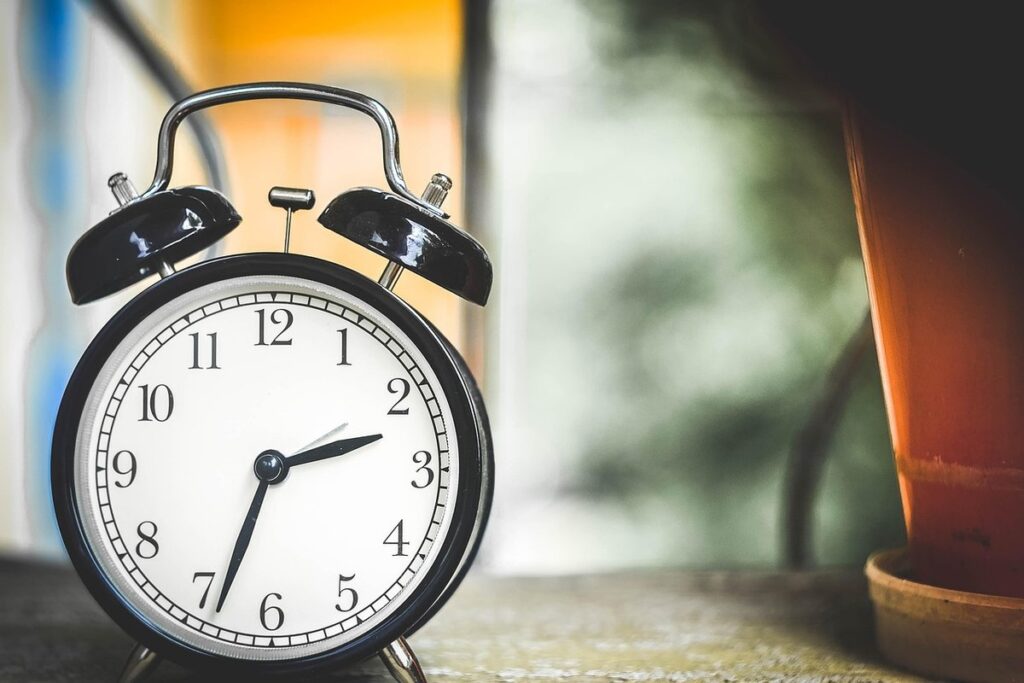
A ticking clock can take many forms. It might be a literal clock on the wall, a countdown timer on a screen, or even a clock ticking away in the background. What matters is that the clock serves as a reminder of the time constraint, creating a sense of urgency that propels the plot forward.
In a ticking clock scenario, the clock’s presence is often tied to a specific event or deadline. This could be a bomb set to explode, a deadline to escape a location, or a limited time frame to solve a puzzle. The clock’s ticking serves as a constant reminder of the stakes, ratcheting up the tension and suspense as the protagonist navigates the situation.
Importance of a Ticking Clock in Writing
A well-crafted ticking clock can elevate a story from a generic plot to a thrilling experience for the reader. It adds an element of urgency, making the reader invested in the characters’ fate. This is because the ticking clock creates a sense of tension and anticipation, drawing the reader into the story. When a character is racing against time, the reader is too, and this shared experience fosters a deeper emotional connection.
The ticking clock also provides a clear direction for the story, giving the reader a sense of what’s at stake. This can be particularly effective in genres like horror and thriller, where the tension is already high. However, it’s not limited to these genres – a well-executed ticking clock can add depth and complexity to any story.
To make the most of this technique, consider what’s at risk for your characters. Is it their lives, their freedom, or their loved ones? The more personal the stakes, the more invested the reader will be. By carefully crafting the ticking clock, you can create a narrative that’s both suspenseful and emotionally resonant, keeping your readers on the edge of their seats until the very end.
Crafting a Believable Ticking Clock
Crafting a believable ticking clock is crucial to creating tension and suspense in your story, so let’s explore the key elements that make it tick.
Creating a Sense of Time Pressure
Creating a sense of time pressure is essential to a believable ticking clock. One effective way to do this is by establishing a limited timeframe. This can be a ticking clock that counts down to a specific event, such as a bomb set to explode or a virus that will wipe out a population. The reader is then invested in the story, wondering if the protagonist will make it in time.
Another technique is to use deadlines. This can be a ticking clock that counts down to a specific deadline, such as a ransom payment or a critical medical procedure. The reader is then under pressure to keep reading, knowing that the stakes are high and time is running out.
Countdowns can also be used to create a sense of time pressure. This can be a ticking clock that counts down to a specific event, such as a countdown to a launch or a countdown to a critical moment. The reader is then on the edge of their seat, waiting to see if the protagonist will succeed.
Incorporating these techniques into your writing can help to build tension and suspense, keeping the reader engaged and invested in the story.
Establishing a Clear Purpose
A ticking clock serves no purpose if it’s simply ticking away in the background. To make it believable, you need to establish a clear reason for its presence and significance to the plot. This reason can be as simple as a countdown to a critical event or as complex as a subplot that intersects with the main narrative.
Consider the example of a thriller where the protagonist has 72 hours to stop a nuclear meltdown. In this scenario, the ticking clock is the central driving force behind the plot. The clock’s presence is not just a time-keeping device but a harbinger of impending doom. Its significance is clear: every passing minute increases the danger, and the protagonist must act quickly to prevent catastrophe.
When establishing a clear purpose for your ticking clock, ask yourself what the stakes are. What will happen if the protagonist fails to meet the deadline? What are the consequences of their success or failure? Be specific and make the clock’s purpose integral to the story. Avoid vague or generic reasons that don’t add tension or depth to the narrative.
Balancing Tension and Pacing
When crafting a ticking clock, writers must strike a delicate balance between tension and pacing. Too much tension can be overwhelming, causing the reader to feel claustrophobic or anxious, while too little tension can make the clock feel inconsequential, diminishing its impact on the story. To avoid this, consider the clock’s purpose and the stakes involved. For example, in a thriller, the ticking clock might represent the protagonist’s dwindling time to escape a life-threatening situation. In this case, the tension should be high, with each passing moment increasing the sense of urgency.
On the other hand, in a more introspective story, the ticking clock might symbolize the protagonist’s limited time to make a decision or take action. In this scenario, the tension should be more measured, allowing the reader to absorb the emotional weight of the situation. To achieve this balance, writers can employ techniques such as varying sentence length, using sensory details to create a sense of time passing, and subtly increasing the stakes as the clock ticks closer to its deadline. By finding the right balance between tension and pacing, writers can create a ticking clock that propels the story forward without overwhelming the reader.
Using a Ticking Clock in Different Genres
In fantasy, a ticking clock might represent the impending doom of a magical curse, while in science fiction, it could signal the countdown to a catastrophic event.
Horror and Thriller Genres
In horror and thriller genres, the ticking clock is a masterful tool for crafting fear and suspense. By creating a sense of urgency, writers can make the reader feel like they’re racing against time, amplifying the tension and heightening the stakes. This technique is particularly effective in horror, where the clock can represent the approaching deadline for the protagonist’s survival. In thrillers, it can signify the narrowing time frame for the protagonist to unravel the mystery or prevent a catastrophe.
To execute this effectively, writers should focus on creating a clear purpose for the ticking clock. What does the protagonist stand to lose or gain if they fail to meet the deadline? How does this urgency impact their relationships and decision-making? By answering these questions, writers can create a compelling narrative that keeps readers on the edge of their seats.
For example, consider the classic thriller film “Jaws.” The ticking clock is expertly woven throughout the story, with the protagonist racing against time to stop the shark before it strikes again. By expertly manipulating the clock, the writers of “Jaws” created a sense of escalating danger that keeps viewers engaged until the very end.
Science Fiction and Fantasy Genres
In science fiction and fantasy genres, a ticking clock can serve as a powerful tool to build anticipation and create a sense of urgency. Consider the classic example of the time-traveling hero who must prevent a catastrophic event from occurring in the past. The clock ticking away represents the limited window of opportunity, propelling the reader forward with a sense of urgency.
The ticking clock can also be used to create tension and conflict within the story. For instance, in fantasy worlds where magic is tied to the cycles of nature, a writer might use the ticking clock to represent the approach of a solar eclipse, during which magic is weakened, making it harder for the protagonist to succeed.
To effectively use a ticking clock in science fiction and fantasy, focus on creating a clear purpose for the countdown. What will happen if the protagonist fails to meet the deadline? What will be the consequences of success or failure? By answering these questions, you can create a ticking clock that drives the plot forward and keeps the reader engaged.
Common Mistakes to Avoid
When writing a ticking clock, it’s easy to get carried away with detail and forget the fundamentals, so let’s take a closer look at some common pitfalls to sidestep.
Overusing the Ticking Clock
A ticking clock can become a crutch if overused, leading to a predictable and clichéd narrative. When you rely too heavily on the ticking clock, you risk losing the impact of this narrative device. A story with multiple ticking clocks, each serving as a countdown for a different event, can become chaotic and difficult to follow.
Consider the example of a thriller where the protagonist is racing against time to prevent a catastrophic event. If you introduce multiple clocks, one for the protagonist’s personal deadline and another for the larger disaster, the tension can dissipate. Readers may struggle to prioritize which clock is most pressing, making the story feel convoluted.
Instead, use the ticking clock to create a sense of urgency around the most critical event. This focus will maintain the tension and keep the reader engaged. By using the ticking clock sparingly and effectively, you can create a more nuanced and suspenseful narrative. Avoid relying on it as a default, and instead choose the moments where its impact will be most significant. This will allow you to maximize the ticking clock’s power and craft a more compelling story.
Underutilizing the Ticking Clock
When the ticking clock is underutilized, it can feel inconsequential, failing to add to the story’s tension and urgency. This often occurs when the clock’s presence is not tied to the plot and themes. As a result, the reader may not feel invested in the time-sensitive situation, and the clock’s significance is diminished.
To avoid underutilizing the ticking clock, writers must integrate it into the narrative in a meaningful way. This can be achieved by making the clock’s presence relevant to the characters’ goals and motivations. For instance, a protagonist racing against time to save a loved one creates a clear purpose for the ticking clock. The clock’s presence also influences the characters’ actions and decisions, driving the plot forward.
A lack of clear consequences for failing to meet the clock’s deadline can also contribute to underutilization. Consider the impact on the characters and the story if the deadline is missed. What are the repercussions, and how do they affect the narrative? By making the clock’s presence integral to the story, writers can create a sense of urgency and tension, keeping the reader engaged and invested in the outcome.
Advanced Techniques for Using a Ticking Clock
Advanced techniques for using a ticking clock allow you to create a sense of urgency and tension in your writing, perfect for suspenseful stories. We’ll explore some expert tips to help you master this craft.
Non-Linear Storytelling
Non-linear storytelling offers a unique opportunity to create a ticking clock that weaves together multiple timelines or plot threads. This technique allows you to build tension and suspense by slowly revealing the connections between disparate storylines. To implement non-linear storytelling effectively, consider the following approach: break your narrative into distinct sections, each with its own ticking clock. This can be achieved by using different time periods, locations, or even narrative voices. For instance, you might have one storyline unfolding in real-time, while another takes place in flashbacks or through a series of fragmented memories. When combining these different threads, be mindful of the pacing and ensure that each section contributes to the overall sense of urgency. A common mistake is to introduce too many timelines, which can dilute the tension. Instead, focus on a small number of key storylines and use subtle hints to suggest connections between them. By doing so, you can create a rich and engaging ticking clock that rewards close attention from the reader. This approach also allows for a more nuanced exploration of themes and character development.
Multiple Clocks
Using multiple clocks can elevate a ticking clock from a straightforward plot device to a rich and dynamic element. Each clock can have its own unique characteristics, such as a different timekeeping system, a distinct sound, or an unusual method of displaying time. By incorporating multiple clocks, you can create a complex web of time pressures and deadlines, keeping the reader engaged and invested in the story.
For instance, in a historical novel, one clock might be ticking away the hours until a critical event, while another might be measuring the passage of seasons or years. In a science fiction story, you might have a clock counting down the time until a spaceship’s fuel runs out, while another clock is tracking the progress of a time-traveling protagonist.
To effectively use multiple clocks, consider the following tips:
- Assign each clock a clear purpose and function in the story.
- Vary the sounds, visuals, and rhythms of each clock to create a distinct atmosphere.
- Use the multiple clocks to create a sense of contrast and tension, highlighting the stakes and consequences of the characters’ actions.
Conclusion
Writing a ticking clock is a delicate art that requires precision and attention to detail. When executed well, it can elevate the tension and suspense in a story, keeping readers on the edge of their seats. A ticking clock can be a powerful tool for creating a sense of urgency, but it’s essential to use it judiciously. To avoid clichés, vary the pace and rhythm of the clock’s ticking, and consider the context in which it’s used. For example, a slow, deliberate tick might create a sense of foreboding, while a rapid, staccato beat might convey a sense of panic. Ultimately, the key to writing a effective ticking clock is to make it serve the story, not the other way around. By being mindful of the clock’s presence and impact, writers can create a more engaging and immersive reading experience.
Frequently Asked Questions
How Do I Create a Ticking Clock That Feels Urgent But Not Overwhelming?
When crafting a ticking clock, it’s essential to balance tension with pacing. To achieve this, focus on creating a clear purpose for the clock and its significance to the plot. Use techniques like limited timeframes or countdowns to build tension, but be mindful of the reader’s emotional investment. A well-crafted ticking clock should leave the reader feeling engaged and invested in the characters’ fate.
What If My Story Has Multiple Plot Threads and Timelines? How Do I Incorporate a Ticking Clock?
In non-linear storytelling, incorporating a ticking clock can be challenging. To overcome this, use the ticking clock as a unifying element that ties the different plot threads together. For example, you can use a ticking clock that spans multiple timelines, creating a sense of urgency and importance. This will help to build anticipation and make the reader feel invested in the story.
Can I Use a Ticking Clock in a Story With a Non-Linear Structure? If So, How?
Yes, you can use a ticking clock in a story with a non-linear structure. In fact, non-linear storytelling can be particularly well-suited to the ticking clock device. By using techniques like flashbacks or flashforwards, you can create a ticking clock that spans multiple timelines or plot threads. This will add depth and complexity to your story, keeping the reader engaged and invested in the characters’ fate.
How Do I Know When to Use Multiple Clocks in My Story?
Using multiple clocks can add complexity and depth to your story, but it can also become confusing for the reader. To avoid this, use multiple clocks sparingly and only when they serve a clear purpose in the plot. Each clock should have a distinct purpose and significance, adding to the overall tension and suspense of the story. By using multiple clocks effectively, you can create a thrilling experience for your readers.
What If My Reader Isn’t Engaged by the Ticking Clock? How Can I Revive the Tension and Suspense?
If your reader isn’t engaged by the ticking clock, it may be due to overuse or ineffective execution. To revive the tension and suspense, try to identify the root cause of the issue. Is the ticking clock too predictable or clichéd? Are the consequences of the clock’s ticking not clear enough? Make adjustments to the ticking clock’s purpose, significance, and execution to re-engage the reader and create a thrilling experience.