
Crafting a sense of foreboding and building character tension are essential techniques for any horror writer. A well-executed narrative can keep readers on the edge of their seats, but it’s not just about shocking them with gore or jump scares. Effective horror storytelling relies on manipulating the reader’s perception, creating an atmosphere of unease that’s both unsettling and captivating. You want to master the art of creating a thrilling narrative that builds tension and suspense, making readers feel like something is lurking just beneath the surface. In this article, we’ll explore expert techniques for raising tension in horror, from crafting a sense of foreboding to building character tension and manipulating the reader’s perception. By the end of this article, you’ll be able to create a narrative that keeps readers on the edge of their seats, eager for more.
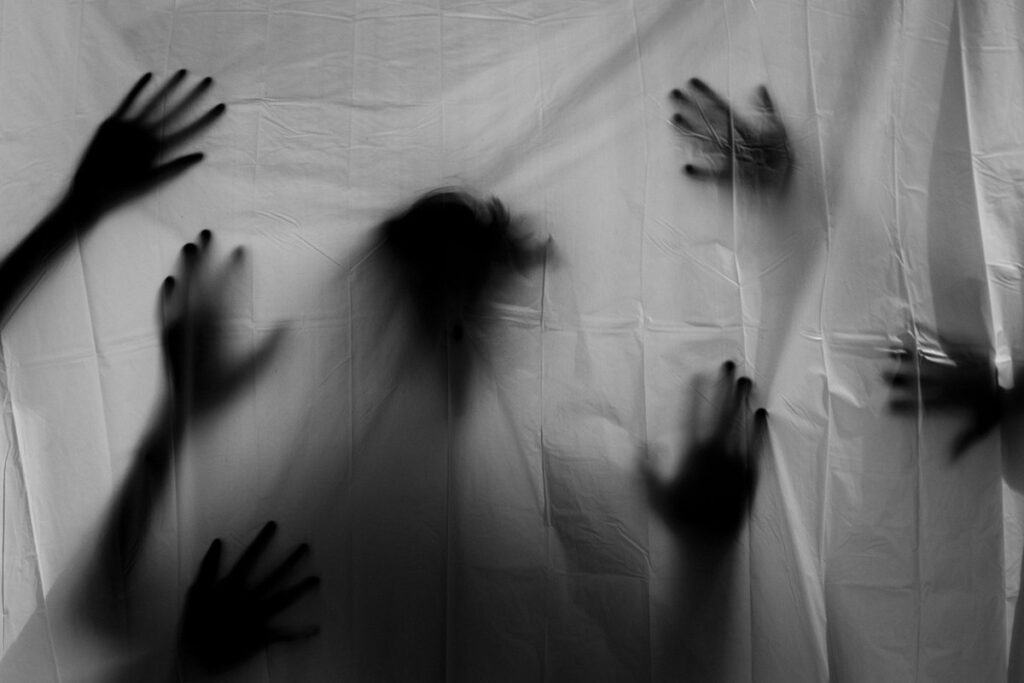
The Importance of Tension in Horror
When it comes to crafting a truly terrifying horror narrative, understanding the delicate balance of tension is crucial. This section will explore the specific ways tension can be used to heighten fear and suspense.
Creating a Sense of Foreboding
A sense of foreboding is a potent tool for crafting tension in horror. To establish this feeling in your readers, you must carefully control the setting and atmosphere of your narrative. A dark, foreboding landscape or an abandoned, decrepit location can instantly evoke a sense of unease in your audience. Consider the eerie lighting, the crumbling architecture, and the oppressive silence – all these elements contribute to a feeling of dread that hangs in the air.
Foreshadowing is another effective way to create a sense of foreboding. Introduce subtle hints and clues that suggest something is off or that a terrible event is about to unfold. This can be achieved through the protagonist’s intuition, a mysterious object or symbol, or even a seemingly innocuous conversation. For example, in the film “The Shining,” the eerie twins in the hotel lobby foreshadow the supernatural events that will soon unfold.
Remember, the key to creating a sense of foreboding is to be subtle yet suggestive. Avoid hitting your audience over the head with obvious clues – instead, allow them to piece together the ominous atmosphere and anticipate the horrors to come. By carefully manipulating the setting and atmosphere, and incorporating subtle foreshadowing, you can create a sense of foreboding that will keep your readers on the edge of their seats.
Building Tension through Character Development
Relatable characters with personal stakes are crucial in building tension. When readers can identify with a character’s struggles and fears, they become invested in their fate. But it’s not just about making characters likable; their flaws and weaknesses can also create tension. For example, a character’s addiction or past trauma can make them more vulnerable to the horrors they’re facing. This vulnerability can lead to a sense of dread, as the reader wonders how the character will cope with the situation.
Character development can also be used to raise the stakes. When a character’s personal goals or relationships are threatened, the reader becomes more emotionally invested in the story. This can be achieved by giving characters unique motivations and backstories. Consider the iconic horror movie, The Shining. Jack Torrance’s descent into madness is not just terrifying, but also heartbreaking, as his family is caught in the midst of his struggles.
To effectively use character development to build tension, focus on creating characters with relatable flaws and personal stakes. Give them unique motivations and backstories to make them more believable and engaging. This will help the reader become more invested in their fate, making the tension more palpable and the horror more terrifying.
Establishing the Stakes
Establishing the stakes is a crucial aspect of crafting a thrilling horror narrative. When readers understand what’s at risk, they become emotionally invested in the characters’ fate. Clear consequences are essential to creating tension: what will happen if the protagonist fails to escape, or if the villain succeeds in their sinister plans? For example, in John Carpenter’s Halloween, Michael Myers’ killing spree is motivated by a desire to avenge his sister’s death. This personal connection makes the stakes feel higher, as the reader is not just invested in the protagonist’s survival, but also in the protagonist’s ability to prevent further tragedy.
To make the stakes feel more personal, authors can create connections between the protagonist and the people or things at risk. This could be a family member, a loved one, or even a pet. The higher the stakes, the greater the tension. Consider the difference between a story where the protagonist’s house is being broken into, and a story where their child is being held hostage. The former might create a sense of unease, but the latter raises the stakes to a much more personal and intense level.
Techniques for Raising Tension
To effectively raise tension in your horror narrative, consider employing techniques like foreshadowing and the use of unreliable narrators to keep readers on edge. These methods can create a sense of unease.
The Power of Suggestion
When crafting a terrifying narrative, horror writers often rely on the power of suggestion to raise tension in their readers. This technique involves leaving some things unspoken, allowing the reader’s imagination to fill in the blanks. By using subtle hints, implied threats, and understated descriptions, you can create a sense of unease that’s far more effective than explicit gore or violence.
For example, in Shirley Jackson’s classic novel “The Haunting of Hill House,” the character of Eleanor is haunted by a malevolent presence, but the source of this presence is never explicitly stated. This ambiguity allows the reader to fill in the blanks, making the experience even more terrifying.
To use suggestion effectively, try to minimize explicit descriptions and focus on the implications of what’s happening. Instead of saying “the monster is coming for you,” say “the shadows are growing longer” or “the wind is picking up.” This creates a sense of foreboding that’s more unsettling than a direct threat. Remember, the power of suggestion lies in its ability to tap into the reader’s imagination, so use it sparingly but effectively to raise the stakes and create a sense of tension.
Creating a Sense of Isolation
Creating a sense of isolation is a powerful way to heighten tension in a horror narrative. One effective technique is to confine your characters to a small, enclosed space. This can be a physical space, such as a room or a car, or a metaphorical one, like a character’s own mind. The key is to make the space feel claustrophobic and inescapable.
For example, the film “Buried” takes place entirely within a coffin, where the protagonist is trapped and unable to escape. The use of a confined space creates a sense of claustrophobia and heightens the sense of isolation. Another way to create a sense of isolation is to limit resources. This can be as simple as having a character’s phone die or running out of food and water. The uncertainty and vulnerability that comes with being resource-less can be terrifying.
External threats can also contribute to a sense of isolation. This can be a monster, a person, or even the environment itself. The idea is to make the character feel like they are completely cut off from the outside world, with no way to escape or call for help. By using these techniques, you can create a sense of isolation that draws the reader in and raises the stakes for your characters.
Manipulating the Reader’s Perception
Unreliable narrators, distorted perspectives, and ambiguity can all be powerful tools for manipulating the reader’s perception and raising tension in a horror narrative. When the reader is unsure of what is real and what is not, they become increasingly invested in uncovering the truth, much like the protagonist. This uncertainty creates a sense of unease, mirroring the protagonist’s growing unease as they navigate the terrifying world.
One way to achieve this is by using an unreliable narrator. This can be done through a narrator who is mentally unstable, has a hidden agenda, or is simply lying. For example, in the novel “The Shining,” Jack Torrance’s narrative is increasingly unreliable as he succumbs to his own madness. This distortion of the truth keeps the reader guessing and on edge, wondering what is real and what is just the product of Jack’s paranoia.
Another technique is to use ambiguity to create a sense of unease. This can be achieved by leaving certain details to the reader’s interpretation, much like the way a puzzle piece fits together to form a larger picture. For instance, in the film “The Exorcist,” the demonic possession is left somewhat ambiguous, leaving the reader to wonder exactly what is happening to Regan. This ambiguity raises the stakes and creates a sense of unease, as the reader is left to ponder the nature of evil.
Crafting a Pacing that Builds Tension
Building tension through pacing is a delicate art, requiring a careful balance of slow-burning anticipation and sudden, shocking moments to keep readers on the edge of their seats. Effective pacing can make or break a horror narrative.
The Importance of Pacing in Horror
Pacing is often the most crucial element in horror storytelling, as it can make or break the tension that keeps readers on the edge of their seats. A well-crafted pace can slowly build tension, creating a sense of dread that culminates in a terrifying climax. This is often achieved through slow-burning tension, where the stakes are gradually raised, and the threat becomes increasingly ominous.
One effective way to create slow-burning tension is through the use of escalating threats. For example, in the film “The Shining,” the Overlook Hotel’s dark past and supernatural presence are gradually revealed, creating a sense of unease that builds throughout the story. Quick cuts and montage sequences can also be used to create a sense of urgency, making the reader feel like time is running out.
However, pacing can also be used to create a sense of calm before the storm, making the eventual horror even more impactful. By alternating between moments of quiet and moments of intense terror, you can create a sense of unpredictability that keeps the reader guessing. This is where the pacing comes into play, as it allows the writer to carefully control the release of tension, creating a narrative that is both suspenseful and terrifying.
Creating a Sense of Urgency
To create a sense of urgency in your horror narrative, you must limit the time available to your characters – and by extension, your readers. This can be achieved by introducing time constraints, making every moment count, and escalating the threats they face. The ticking clock creates a sense of inevitability, propelling the story forward and heightening tension. Consider using a ticking time bomb, a countdown, or a limited window for escape. For instance, a character might discover a mysterious ritual that must be completed before dawn, or they might be trapped in a haunted mansion with a rapidly depleting oxygen supply. You can also use limited resources, such as dwindling ammo or dwindling daylight, to create a sense of urgency. As the threats escalate, the reader’s fear and anxiety intensify. Be cautious not to make the time constraints too arbitrary or contrived, as this can undermine the tension you’re trying to create. By carefully balancing time, resources, and escalating threats, you can create a sense of urgency that propels your narrative forward and keeps your readers on the edge of their seats.
Using Cliffhangers and Plot Twists
Using cliffhangers and plot twists effectively requires a delicate balance between surprise and predictability. A well-crafted cliffhanger should leave the reader with unanswered questions, making them eager to continue reading to find out what happens next. One technique is to use a cliffhanger at the end of a chapter or scene, leaving the reader in suspense until the next installment. This can be achieved by introducing a new threat, revealing a hidden truth, or raising the stakes for the protagonist.
For example, in the film “The Shining,” Stanley Kubrick uses a cliffhanger at the end of the film, showing the hotel’s room 237 door slowly opening, leaving the audience with a sense of dread and unease. Another technique is to use a plot twist to subvert the reader’s expectations. This can be achieved by introducing a character with a hidden agenda or by revealing a truth that challenges the protagonist’s understanding of the situation.
A good rule of thumb is to use cliffhangers and plot twists sparingly, as overuse can lead to reader frustration. When done effectively, however, these techniques can create a sense of tension and suspense that keeps the reader engaged and invested in the story. To avoid predictability, it’s essential to make sure that the cliffhangers and plot twists are well-integrated into the narrative and serve a purpose beyond mere shock value.
Advanced Techniques for Raising Tension
As we’ve explored the fundamental techniques for raising tension, it’s time to take your craft to the next level with advanced methods that will leave your readers on the edge of their seats.
The Use of Subtext
When it comes to raising tension in horror, subtext is a powerful tool to create a sense of unease without explicitly stating the threat. Implied threats are particularly effective in horror, as they allow the reader’s imagination to fill in the blanks, making the situation even more terrifying. For example, in the film “The Shining,” the Overlook Hotel’s dark past is hinted at through subtle hints and understated descriptions, rather than being explicitly stated. This creates a sense of foreboding that permeates the entire narrative.
To use subtext effectively, consider the following techniques: use vague descriptions to hint at the presence of a threat, such as “the creaking of the floorboards” or “the flickering of the lights.” Avoid explicit language that might detract from the tension. Instead, focus on the character’s emotional state, such as their rising anxiety or growing paranoia. This will allow the reader to infer the danger, making the experience even more unsettling. By leveraging the power of subtext, you can create a sense of tension that lingers long after the reader finishes reading.
Creating a Sense of Uncertainty
When crafting a sense of uncertainty in your horror narrative, you can employ several techniques to keep your readers on edge. One approach is to introduce ambiguous threats that are never fully clarified. This can be achieved by hinting at supernatural entities, mysterious events, or unexplained phenomena without providing concrete explanations. The uncertainty surrounding these threats will keep readers guessing and heighten their sense of unease.
Another method is to use unreliable narrators, whose perceptions and interpretations of events are questionable or biased. This can be done through multiple narrative layers, where the reader is forced to piece together fragmented accounts and question the credibility of the narrator. The use of distorted perspectives, such as those resulting from mental illness or traumatic experiences, can also create a sense of uncertainty. This can be achieved by exploring the inner workings of the protagonist’s mind, blurring the lines between reality and madness.
In terms of practical application, consider introducing seemingly innocuous details that take on ominous significance as the story unfolds. This can be done through subtle clues, such as eerie sounds, faint scents, or unsettling visuals. By leaving some details to the reader’s imagination, you can create a sense of uncertainty that keeps them engaged and invested in the narrative.
Manipulating the Reader’s Emotions
To manipulate the reader’s emotions and raise tension, you can employ a range of techniques that tap into their emotional vulnerabilities. One effective approach is to create empathy for your characters, making the reader invested in their fate. This can be achieved by giving your characters relatable backstories, motivations, and flaws, which will make the reader feel a deeper connection to them. For example, in the film “The Shining,” the audience is made to empathize with Jack Torrance’s descent into madness, making his eventual breakdown all the more terrifying.
Alternatively, you can use fear and anxiety to heighten tension. This can be done by creating an atmosphere of unease through descriptions of setting and situation, or by introducing elements that threaten the characters’ safety. For instance, the film “The Exorcist” masterfully crafts a sense of dread through its use of eerie sounds, visuals, and an oppressive atmosphere. Another strategy is to exploit the reader’s anxiety by creating uncertainty and unpredictability. This can be achieved through misdirection, red herrings, or unexpected plot twists. By keeping the reader on edge, you can sustain their emotional investment in the story and maintain a sense of tension throughout.
Conclusion
As we reach the end of our exploration into techniques for crafting a thrilling horror narrative, let’s summarize the key takeaways from our tension-raising strategies.
Recap of Key Takeaways
To craft a thrilling horror narrative, it’s essential to recall the key techniques for raising tension. One crucial aspect is creating a sense of foreboding, which can be achieved through subtle hints and suggestions. This can include eerie atmospheres, unsettling sounds, and mysterious events that hint at something ominous.
Building tension through character development is another vital technique. By making characters relatable and vulnerable, you can increase the emotional investment of your readers. This can be done by giving them flaws, making them likable, and putting them in situations where they’re forced to confront their fears.
Crafting a pacing that builds tension is also crucial. This involves creating a sense of urgency through the use of cliffhangers, plot twists, and time constraints. By making the reader feel like they’re racing against time, you can heighten their anxiety and make the experience more intense.
Some key takeaways from this guide include:
• Creating a sense of foreboding through subtle hints and suggestions
• Building tension through character development by making characters relatable and vulnerable
• Crafting a pacing that builds tension through the use of cliffhangers, plot twists, and time constraints
Final Thoughts
To create a truly thrilling narrative, it’s essential to remember that tension is not just a tool, but a crucial element that sustains the reader’s engagement throughout the story. By applying the techniques discussed in this article, you can craft a horror narrative that keeps readers on the edge of their seats.
The key takeaway is not just to raise tension, but to do so in a way that feels authentic and earned. This means that the moments of high tension should be balanced by moments of quiet unease, allowing the reader to breathe before hitting them with the next scare.
Ultimately, the art of raising tension in horror is a delicate one, requiring a deep understanding of the reader’s psychology and a willingness to take risks. By experimenting with different techniques and finding the right balance, you can create a narrative that is both terrifying and unforgettable.
Frequently Asked Questions
How Do I Balance Tension with Character Development in My Horror Story?
When crafting a horror narrative, it’s essential to balance tension with character development. To achieve this balance, focus on creating relatable characters that undergo significant personal growth throughout the story. This can be done by introducing character flaws and personal stakes, making their struggles and fears more relatable and engaging for the reader.
What If My Horror Story Doesn’t Scare Me? Is It Still Effective?
The effectiveness of a horror story isn’t solely measured by its ability to scare the author. What’s crucial is whether the narrative successfully evokes fear and anxiety in the reader. Consider your audience and the types of fears they might experience. Make sure your story taps into these fears, even if it doesn’t personally scare you.
Can I Use Too Much Suggestion in My Horror Story? How Much is Too Much?
While suggestion is a powerful tool for raising tension, using too much can have the opposite effect. Overreliance on suggestion can make the narrative feel ambiguous or unclear. Balance suggestion with more concrete elements, such as visible threats or character reactions, to maintain a clear sense of tension.
How Do I Create a Sense of Urgency in a Story with a Slow-Burning Pacing?
Creating a sense of urgency in a story with a slow-burning pacing requires careful planning. Use time constraints, such as a ticking clock or a limited window for escape, to create a sense of urgency. You can also escalate threats or introduce new dangers to raise the stakes and create a sense of tension.
What If My Reader Doesn’t Experience the Same Fears as My Characters? How Do I Adapt?
In any narrative, it’s unlikely that every reader will experience the same fears as the characters. To adapt to this, focus on creating a universal fear that can be related to by a wide audience. This could be fear of the unknown, fear of loss, or fear of being trapped. Make sure the narrative taps into these universal fears to create a sense of tension and fear in the reader.