
Sketching characters is an essential tool for writers and comic creators, allowing them to bring their fictional personas to life. When developing well-rounded characters, it’s crucial to consider both physical traits and personality characteristics. A good character sketch should capture not only how a person looks but also their quirks, mannerisms, and motivations. Without this foundation, your characters may feel flat or unengaging on the page. In this comprehensive guide, we’ll explore the key elements of creating a compelling character sketch, from physical appearance to personality traits. We’ll delve into the importance of details like posture, facial expressions, and body language, as well as how to convey a character’s inner workings through their behavior and dialogue. By the end of this article, you’ll be able to develop rich, believable characters that leap off the page or onto the screen.
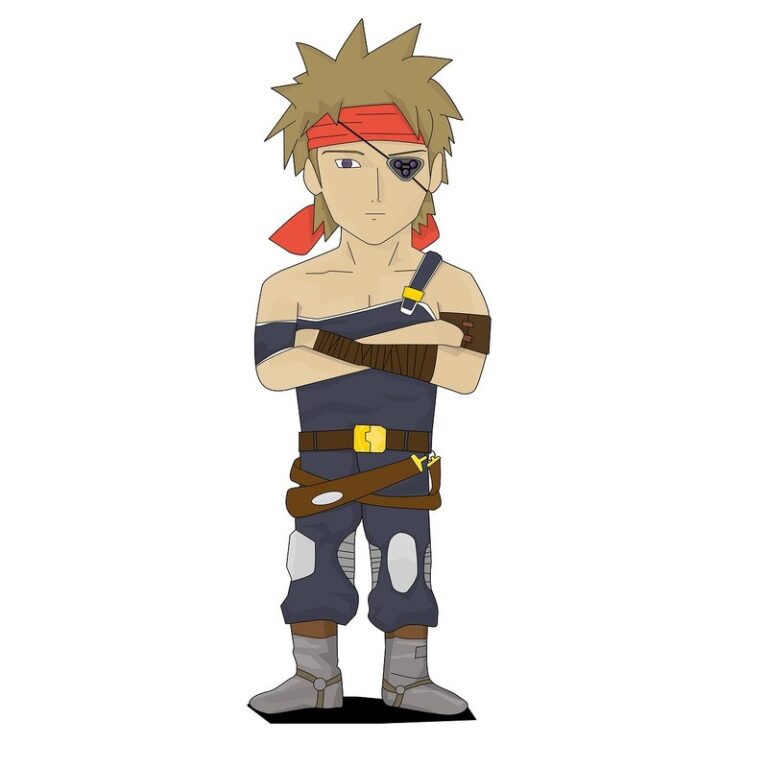
Understanding the Basics
Let’s start with the fundamentals, and that means understanding what makes a character look believable and engaging in a sketch. We’ll break down the essential elements to get you off on the right foot.
What is a Character Sketch?
A character sketch is a detailed description of a person’s physical and personality traits. This description serves as a foundation for creating a believable and engaging character in writing. A good character sketch should go beyond listing surface-level characteristics, such as age or eye color, to delve into the individual’s unique quirks and mannerisms.
In addition to physical traits, a character sketch should also explore personality characteristics like temperament, values, and motivations. This might involve considering their background, education, and life experiences that have shaped them into who they are today. For instance, a character from a poverty-stricken neighborhood may have developed a strong work ethic due to financial struggles.
A well-crafted character sketch can help writers avoid clichés and create more nuanced characters. It’s essential to remember that a character is not just their physical appearance or surface-level traits but also the underlying motivations, desires, and fears that drive their actions. By taking the time to develop a rich and detailed character sketch, writers can bring their creations to life in a way that feels authentic and relatable.
Importance of Character Sketches in Writing
When writers take the time to create detailed character sketches, they establish a solid foundation for their stories. Character sketches are crucial in storytelling as they help writers develop well-rounded characters that readers can relate to. Without them, characters often fall flat, lacking depth and nuance.
A character sketch provides a comprehensive understanding of a character’s personality, background, and motivations. It helps writers anticipate how their character will behave in different situations, making the story more believable and engaging. When readers can connect with a character on an emotional level, they become invested in the story’s outcome. As a result, character sketches play a vital role in keeping readers hooked.
Developing well-rounded characters requires a thoughtful and deliberate approach to writing. By investing time and effort into creating accurate and detailed character sketches, writers can avoid common pitfalls like one-dimensional characters or inconsistent behavior. This attention to detail not only enriches the story but also sets it apart from others in its genre.
Preparing for the Sketching Process
Before you put pencil to paper, take a moment to gather your thoughts and materials. This is where the groundwork is laid for a successful sketch of your character.
Gathering Reference Materials
When gathering reference materials for your character sketch, it’s essential to collect images or real-life observations of people who share similar characteristics. Start by identifying specific traits you want your character to possess, such as facial features, body type, or mannerisms.
For facial features, look for photos of individuals with distinctive eyes, noses, mouths, or hairstyles that match what you envision for your character. You can scour social media platforms like Instagram or Pinterest, which are rich in images of people from diverse backgrounds and age groups.
Consider visiting public places like parks, malls, or coffee shops to observe people’s body language and posture. Take note of how individuals with similar builds or occupations carry themselves, as this can add depth to your character’s physical presence.
When collecting reference materials, it’s also important to think beyond visual representations. Record videos or take notes on mannerisms, speech patterns, and behaviors that you want to incorporate into your character’s sketch. For example, if your character is a musician, observe how musicians carry their instruments or interact with others in a musical setting.
Setting a Mood and Atmosphere
Establishing a tone and atmosphere for your story is crucial when sketching a character. It influences how your character is perceived by the reader and sets the stage for their emotional connection with the protagonist or antagonist. A well-crafted mood and atmosphere can make your character’s traits and quirks more believable and relatable.
Consider the genre of your story: a horror novel, for instance, will have a vastly different tone than a romance novel. This is reflected in the way you portray your character’s facial expressions, body language, and overall demeanor. Think about what emotions you want to evoke in your reader – fear, empathy, or excitement? Use this as a guide when sketching your character.
A small change in posture can completely alter how your character is perceived. A slumped shoulders might convey defeatism, while an upright stance exudes confidence. Similarly, facial expressions are crucial in conveying emotions. Avoid static poses and experiment with different angles to capture the subtleties of human emotion.
To create a rich atmosphere, incorporate sensory details – think about what sights, sounds, or smells would be relevant to your character’s world. For example, a city dweller might be surrounded by the hum of traffic and the smell of exhaust fumes, while a hermit living in the woods might be enveloped by the silence of nature.
Drawing Your Character’s Physical Appearance
When drawing your character’s physical appearance, it’s essential to consider their facial structure, body shape, and overall proportions to create a believable and engaging image. Let’s start by breaking down these key elements.
Capturing Facial Features
When capturing facial features, consider the overall shape and structure of your character’s face. Start by sketching the basic proportions – a typical adult face is about 1.5 to 2 times longer than it is wide. Note the position and size of the eyes, nose, mouth, and jawline. Don’t be afraid to make small adjustments as you go along; these features can greatly affect the overall expression and personality of your character.
Pay attention to skin tone – this can reveal a lot about your character’s ancestry, lifestyle, or environment. Consider how their skin tone interacts with lighting in different situations. For example, if your character has a pale complexion, they may appear even paler in dim light, while a darker-skinned character might be less affected by shadows.
The expression is another crucial aspect of capturing facial features. Think about the emotions and personality traits you want to convey – are they calm and collected or fiery and passionate? Study the way people’s faces change when they express different emotions and try to replicate this in your sketch.
Body Language and Posture
When capturing a character’s physical appearance, it’s essential to consider their body language and posture. These non-verbal cues can reveal a person’s personality, values, and even background. A confident individual will stand tall with shoulders back, while someone who is anxious or nervous may fidget or slouch.
Notice how the way your character holds their weight affects their overall appearance. Do they lean forward, indicating enthusiasm? Or do they slump, suggesting exhaustion? Pay attention to gestures as well – are they expansive and expressive, or more contained?
Think about how a person’s body language interacts with their environment. Does your character stand with feet shoulder-width apart, taking up space in the room? Or do they cluster themselves, trying not to draw attention? These subtleties can add depth to your sketch and help convey your character’s personality.
To effectively capture body language, observe people in real life – study how they move, interact, and respond to situations. You can also collect reference images or videos of people with different postures and gestures. Study these examples carefully, paying attention to the details that reveal a person’s inner world. By doing so, you’ll be able to create more nuanced and believable character sketches.
Bringing Personality to Life with Traits and Quirks
When sketching a character, it’s crucial to infuse them with distinct traits and quirks that make them relatable and memorable. Let’s explore how to bring these personality traits to life on paper.
Developing a Backstory
Developing a Backstory
As you sketch your character, use the process to inform their backstory. This will help you understand what drives them and why they behave in certain ways. Start by considering their upbringing – were they raised in a privileged environment or did they face adversity from a young age? Think about how this has shaped their personality, values, and relationships.
Consider specific events that have influenced your character’s life, such as a traumatic experience, a major accomplishment, or a significant loss. How do these events continue to impact them today? For example, a character who grew up in poverty might be driven by a desire for financial security or be wary of trusting others due to past betrayals.
You can also use the sketching process to identify inconsistencies or contradictions in your character’s backstory. Ask yourself questions like: What motivates this person? Why do they make certain choices? By filling in the gaps and creating a rich, detailed history for your character, you’ll be able to draw them more accurately and authentically.
To start building your character’s backstory, try answering these key questions: What is their family dynamic like? Where did they grow up? How have significant life events shaped who they are today?
Incorporating Habits and Mannerisms
When incorporating habits and mannerisms into your character sketch, consider what makes them tick. What daily routines do they follow? For instance, does your character always carry a worn leather journal or have a habit of fidgeting with their hair when nervous? These small details can speak volumes about their personality and make them more relatable to readers.
Think about how these habits might influence their interactions with others. Does your character tend to interrupt when excited or ramble on when discussing a favorite topic? Perhaps they always order the same coffee drink at their local café or have a specific way of greeting loved ones. These mannerisms can add depth and nuance to your character, making them feel more authentic and human.
To get started, brainstorm a list of habits and mannerisms that fit your character’s personality. Ask yourself questions like: What are their likes and dislikes? How do they respond in high-pressure situations? What small gestures or phrases do they use when communicating with others? By incorporating these details into your character sketch, you’ll create a more well-rounded and memorable character.
Sketching for Different Mediums and Genres
When creating a character sketch, understanding how to adapt your style to various mediums and genres is crucial. This involves mastering key differences in tone, pace, and overall aesthetic.
Comics and Graphic Novels
When sketching comic book characters, you need to consider the unique demands of visual storytelling. In comics and graphic novels, panel layout plays a crucial role in pacing and emphasizing key moments. This means thinking about how the character will be presented across multiple panels, often with limited space for detailed descriptions.
To adapt your sketching process, focus on capturing essential features quickly and efficiently. Use simple, expressive lines to convey emotion and personality, as these can be exaggerated or distorted for dramatic effect in a comic panel. Keep facial expressions subtle, but distinctive, so that the character’s emotions are clear even when seen in small panels.
Pay attention to body language and posture, using them to convey information about the character’s background and motivations. In comics, visual storytelling often relies on economy of expression, so avoid cluttering the page with unnecessary details. Instead, use negative space effectively to create a sense of drama or tension. Practice drawing your character in different panel layouts to get a feel for how they’ll be presented in the finished comic.
Film and Theater
When translating a character sketch into a three-dimensional representation for film and theater, consider how costumes, props, and movement will bring your character to life. Start by thinking about the character’s occupation or social status, as these factors often influence their attire. In films like “The Avengers,” Captain America’s suit is not only a symbol of his power but also a reflection of his values and time period.
Props can also play a significant role in defining your character’s personality and background. Think about what items they would carry or surround themselves with, such as a detective’s magnifying glass or a musician’s instrument. For example, the movie “Amélie” features a unique use of props to showcase the protagonist’s quirky personality.
Movement is another essential aspect to consider when translating your character sketch into a three-dimensional representation for film and theater. Think about how they would move through space, including their gait, posture, and gestures. This can be influenced by factors such as their age, physical ability, or cultural background. By taking these elements into account, you can create a more nuanced and believable three-dimensional representation of your character.
Tips and Tricks for Effective Character Sketching
To create a believable character, you need to capture their essence on paper, which is where our next set of tips comes in. We’ll share expert advice on crafting nuanced and engaging characters through effective sketching techniques.
Practice and Experimentation
Regular practice is essential for developing your drawing skills and becoming proficient in sketching characters. Set aside a dedicated time each week to draw, even if it’s just for 15-30 minutes. You can start by practicing basic shapes and forms, then gradually move on to more complex subjects like facial features and body language. Experiment with different mediums, such as pencils, charcoal, or digital drawing tools, to discover what works best for you.
Experimentation is also crucial in character sketching. Try out various styles, techniques, and approaches to see how they influence your drawings. For example, you might experiment with loose, gestural lines versus more precise, detailed ones. You could also try drawing from observation – sit in a public place and draw people’s faces or body language, paying close attention to their expressions and movements.
When experimenting, don’t worry about creating perfect drawings. Focus on exploring different techniques and styles, and be willing to make mistakes. Take note of what works for you and what doesn’t, and use this self-awareness to inform your future practice.
Feedback and Revision
When sharing your character sketch with others, it’s essential to be open to constructive criticism and feedback. This process may feel daunting, but it’s a crucial step in refining your work. To get started, consider joining a writing group or online community where you can share your sketches and receive feedback from peers.
A good critique should highlight specific areas of improvement, such as inconsistencies in your character’s traits or unclear visual representations. Pay close attention to the feedback and take it seriously – remember that others may be able to see aspects of your work more clearly than you can.
When revising based on feedback, focus on making targeted changes rather than overhauling the entire sketch. For example, if someone points out that your character’s facial features don’t quite match their personality, revise those specific features accordingly.
Incorporating feedback is an iterative process that may require multiple drafts and revisions. Don’t be afraid to make significant changes or even start from scratch if necessary. The goal of revising based on feedback is not to create a perfect sketch but to continually improve your craft and better represent the character in your mind’s eye.
Some common areas where feedback can help include inconsistent traits, unclear visual representations, and unrealistic personality matches.
Frequently Asked Questions
How to Apply Character Sketches to Real-Life Writing Situations
When writing a novel with multiple characters, how do you balance creating unique character sketches for each person without losing track of their individual traits?
You can use a combination of digital note-taking tools and physical sketchbooks to keep track of your characters’ sketches. Create a centralized hub for each character’s information, including their physical appearance, personality traits, and backstory. This way, you can easily reference and compare the different characters as you write.
Can I Use Character Sketches for Non-Fiction Writing Too?
How do you adapt the character sketching process to create compelling profiles of real people in non-fiction writing?
Yes. The principles of character sketching apply to both fiction and non-fiction writing. For non-fiction, focus on accurately capturing the subject’s personality, habits, and mannerisms. Use reference images or real-life observations to help inform your sketches.
How Long Does it Take to Develop a Character Sketch?
What’s a realistic timeline for developing a complete character sketch, especially if I’m working with a tight deadline?
The time it takes to develop a character sketch varies depending on the complexity of the character and the depth of detail you want to include. Start by focusing on the essential elements, such as physical appearance and personality traits, and then gradually add more nuances.
Can I Use Character Sketches in Comic Book Writing?
How do comic book writers adapt the character sketching process for panel layouts and visual storytelling?
Comic book writers often use a combination of traditional drawing skills and digital tools to create dynamic, visually engaging character sketches. Consider how your character’s physical appearance will be perceived by readers when condensed into smaller panels.
What if My Character Sketch Doesn’t Translate Well to Another Medium?
What are some common pitfalls to watch out for when adapting character sketches from one medium (e.g., writing) to another (e.g., film or theater)?
Be mindful of the limitations and opportunities presented by each medium. For example, a character’s physical appearance may be more prominent in film than in writing. Consider how your character sketch will need to evolve to accommodate these differences.