
Cartooning is more than just sketching cute faces or wacky poses. When done well, it can bring emotions to life on paper, making your characters relatable and endearing to audiences. However, creating believable emotions in cartoon characters requires a deeper understanding of anatomy, expression, and movement. Similarly, dynamic movements that are both visually appealing and coherent require practice and technique.
You might be surprised at how much more engaging your cartoons become when you master the basics of character animation and add subtle emotional cues. This guide is designed to take you from basic drawing skills to more advanced techniques for creating expressive and dynamic cartoon characters. By following our step-by-step instructions, you’ll learn how to create a range of emotions in your characters and bring them to life with realistic movements that capture the viewer’s attention.
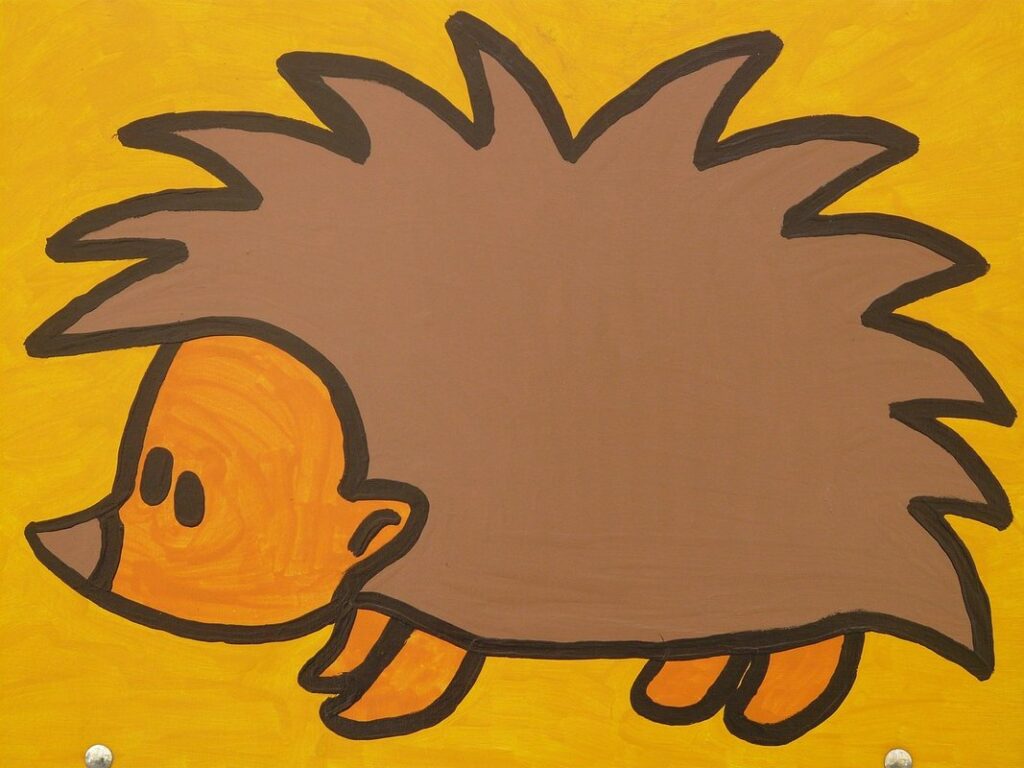
Understanding the Basics of Cartooning
Cartooning is all about exaggeration and simplification, which can be a bit tricky to grasp at first. Let’s start by breaking down the fundamental principles that make cartoons recognizable and endearing.
What is Cartooning?
Cartooning is a visual art form that involves creating two-dimensional characters and scenes with exaggerated features and simplified forms. At its core, cartooning is about distilling complex emotions and ideas into recognizable and relatable images. The history of cartooning dates back to the early 20th century, when animators like Walt Disney and Max Fleischer pioneered the technique.
One of the defining characteristics of cartooning is its use of visual shorthand. Cartoonists rely on simplified forms, exaggerated features, and clever composition to convey information quickly and efficiently. This allows audiences to instantly recognize characters and scenes, even in a crowded or dynamic environment. For example, think of Mickey Mouse’s iconic ears or Bugs Bunny’s distinctive carrot-chomping expression.
Cartooning also involves a deep understanding of proportion and perspective. Cartoonists must balance realistic proportions with stylized features to create a believable and engaging visual narrative. This can be achieved through careful use of line art, texture, and color. By mastering the fundamental principles of cartooning, artists can unlock a wide range of creative possibilities for their characters and stories.
Basic Cartooning Tools and Materials
Cartooning relies heavily on a few fundamental tools and materials. For traditional drawing, you’ll need pencils (graphite and colored), erasers (kneaded and white vinegar), and paper (with a smooth finish). Choose between sketchpads or loose sheets; the latter allows for more flexibility when it comes to working size.
When selecting pencils, consider their hardness levels: soft pencils (#2) are ideal for detailed work, while harder ones (#4-6) are better suited for bold lines. Erasers are just as crucial – kneaded erasers allow you to erase specifically targeted areas without damaging the surrounding paper.
Digital tools also play a significant role in cartooning. Familiarize yourself with drawing software like Adobe Animate or Autodesk Sketchbook, which offer a range of features and brushes tailored to cartooning needs. Understand the interface and basic functions before diving into more advanced techniques.
In addition to these primary tools, it’s worth considering other materials that enhance your workflow. A pencil sharpener keeps your pencils in working order, while a ruler ensures straight lines and measurements. Invest in a good eraser pouch or container for storing supplies on-the-go.
Understanding Proportion and Perspective
Proportion refers to the relationship between different parts of a cartoon character’s body. It’s essential to establish a consistent scale for your characters to create a believable and visually appealing image. A good starting point is to divide the head into five or six equal segments, with the eyes usually placed at the middle segment. This helps you gauge proportions more accurately.
Vanishing points are crucial in creating depth and perspective in cartooning. When drawing a character from a side view, use a vanishing point to help guide your lines. For instance, if you’re drawing a character standing with their feet shoulder-width apart, place one vanishing point on the horizon line at eye level and another below it to create a sense of depth.
Remember that cartooning often exaggerates proportions for comedic or dramatic effect. However, maintaining a basic understanding of proportion and perspective is vital for creating believable characters. Practice drawing simple shapes and forms with varying scales and perspectives to develop your skills in this area.
Getting Started with Cartoon Characters Drawing
To begin drawing cartoon characters, start by understanding their basic shapes and proportions. Familiarize yourself with common facial features and body structures that bring these characters to life.
Developing Your Skills: Tips for Beginners
To improve your drawing skills as a beginner, start by setting aside dedicated time to practice. Allocate at least 15-30 minutes each day for sketching and drawing cartoon characters. Consistency is key when developing muscle memory and fine-tuning your techniques.
A good exercise to begin with is gesture drawing. Quickly sketch the overall pose of your character, focusing on capturing their movement and energy. Repeat this process several times, experimenting with different poses and expressions. This will help you loosen up and get a feel for the character’s dynamics.
Another essential practice routine is simple shape recognition. Identify basic shapes like circles, ovals, and rectangles within your characters’ features and body parts. Practice drawing these shapes in isolation to develop your fine motor skills and accuracy. You can also try sketching from observation – draw cartoon characters from life, using real-world references or photographs as inspiration.
As you progress, introduce more complex exercises that challenge your skills. Pay attention to proportions, anatomy, and facial expressions – the building blocks of believable cartoon characters.
Basic Shapes and Forms in Cartoon Characters
When drawing cartoon characters, it’s essential to break down their forms into basic shapes. This approach helps create a more stylized and recognizable appearance. Start by identifying simple geometric shapes such as circles, ovals, rectangles, and triangles that make up the character’s face, body, and other features.
For example, the head can be composed of a circle for the overall shape, with an oval for the eye sockets and a smaller triangle for the nose. The body can be represented by a larger rectangle or oval, depending on the desired proportions. These basic shapes serve as building blocks to create more complex forms and features.
When drawing cartoon characters, it’s common to use these shapes to exaggerate facial expressions and emotions. For instance, a smiling character might have wider eyes and a curved mouth, while a sad character might have slumped shoulders and a downturned mouth. By mastering the basic shapes, you’ll be able to create more expressive and engaging characters.
To apply this technique, practice drawing simple shapes as the foundation for various cartoon characters. Experiment with different combinations of circles, ovals, rectangles, and triangles to achieve unique forms and features. This will help you develop your skills in creating stylized and recognizable cartoon characters.
Introducing Simple Proportions and Gestures
When drawing cartoon characters, it’s essential to understand simple proportions and gestures to achieve natural poses and body language. Start by examining everyday life – observe how people sit, stand, walk, or interact with each other. Notice the subtle variations in their posture, weight distribution, and hand positions.
Begin by breaking down your character into basic shapes: spheres for heads, cylinders for bodies, and cones for arms and legs. Focus on establishing a sturdy foundation, ensuring the proportions are roughly accurate (e.g., head is about one-eighth of the total height). Then, pay attention to how these forms interact with each other – where do they overlap, intersect, or balance?
For gestures, consider the idea that every movement starts from a still position. Experiment with simple poses by drawing your character in various relaxed states (e.g., leaning against an object, folding arms, or stretching). This will help you develop a sense of fluidity and natural movement. Practice capturing these moments without over-exaggerating – it’s more about subtlety than dramatic flair.
For example, study the way a person holds their hands when sitting comfortably on a couch: how fingers wrap around the armrests, where elbows bend, or if legs cross each other. By observing and incorporating such details, you’ll create characters that feel more authentic and engaging in motion.
Creating Believable Emotions with Facial Expressions
A cartoon character’s facial expression can make all the difference in conveying emotion, so let’s explore how to capture a range of believable emotions through subtle facial cues.
Mastering Facial Expressions in Cartoon Characters
When drawing cartoon characters, facial expressions are a crucial aspect of conveying emotions and personality. You can create believable and engaging faces by mastering the key elements of facial expressions. Let’s break down each feature to help you achieve realistic and exaggerated looks.
Start with the eyebrows, which can be straight, curved, or even absent in cartoons. Thick or thin eyebrows can greatly affect a character’s appearance and expression. For example, a raised eyebrow can indicate surprise or skepticism, while a furrowed brow conveys concern or worry. Eyes are also essential, as they can be big, small, round, or slanted to express emotions. The shape of the nose and mouth can also contribute to a character’s overall facial expression. A small nose can add cuteness, while a wide, curved mouth can convey happiness.
The skin texture is another important aspect to consider when drawing cartoon characters. Smooth skin can give a character a more youthful appearance, while rough or wrinkled skin can make them appear older or wiser. Pay attention to the details of each feature, and experiment with different combinations to create unique and expressive faces.
Understanding the 5 Basic Emotions
To create believable emotions with facial expressions, it’s essential to understand the 5 basic emotions and how to convey them through subtle nuances. Let’s break down each emotion:
Happiness is characterized by a slight smile, raised eyebrows, and a relaxed mouth. Think of Mickey Mouse or Minnie Mouse – their iconic smiles are instantly recognizable as happy. To draw happiness, focus on gentle curves and smooth lines.
Sadness is marked by drooping corners of the mouth and furrowed brows. Consider Charlie Brown’s signature frown – it’s a classic example of sadness in cartoons. When drawing sadness, use soft, rounded edges to convey vulnerability.
Anger is often depicted with clenched jaws, narrowed eyes, and a scowl. Think of Yosemite Sam or Bugs Bunny’s rival, Elmer Fudd – their facial expressions are iconic representations of anger. To draw anger, emphasize sharp lines and bold gestures.
Surprise can be shown through wide, open eyes and an arched eyebrow. Consider SpongeBob SquarePants’ reactions to unexpected events – his surprised expression is contagious. When drawing surprise, focus on dramatic contrasts between light and dark areas.
Fear is characterized by a tense mouth, wide eyes, and a furrowed brow. Think of Road Runner’s frightened expressions when pursued by Wile E. Coyote – they’re comical yet relatable examples of fear in cartoons. To draw fear, use bold lines and expressive gestures to convey anxiety.
Tips for Creating Dynamic Facial Expressions in Motion
When capturing a character’s emotional journey through facial expressions, it’s essential to convey movement and dynamism. To achieve this, focus on subtle changes in the shape of the face rather than drastic alterations. For instance, to depict surprise, try tilting the eyebrows upwards while keeping the rest of the face relatively still. This will create a sense of tension without overpowering the character’s overall expression.
Consider breaking down facial expressions into distinct stages or beats, just like an actor would in a performance. This approach allows you to capture nuanced transitions between emotions and creates a more realistic emotional arc for your character.
To practice this technique, try animating a simple expression like a smile. Start with a neutral face, then gradually increase the curvature of the lips and raise the corners of the mouth. Experiment with varying the duration and intensity of each beat to achieve a natural flow.
Remember that subtlety is key when aiming for dynamic facial expressions in motion. Aim for 2-3 distinct beats per expression, rather than trying to capture every nuance at once.
Advanced Cartoon Characters Drawing Techniques
Now that you’ve mastered the fundamentals of cartoon character drawing, it’s time to take your skills to the next level by learning advanced techniques such as exaggerated expressions and dynamic poses. We’ll show you how to add depth and personality to your creations.
Experimenting with Exaggeration and Caricature
Exaggeration and caricature are powerful tools for adding personality and humor to your cartoon characters. By exaggerating certain features, you can make your character stand out and create a more engaging visual representation. Caricature, on the other hand, involves distorting or emphasizing specific characteristics to convey a particular trait or mood.
When using exaggeration and caricature, it’s essential to know when to push features too far. For example, if you’re creating a cartoon of a happy character, you might emphasize their smile by making it larger than usual or by adding extra lines to their mouth. However, if you take this too far, the character may become unrecognizable.
To experiment with exaggeration and caricature effectively, consider the following tips:
- Identify the key features that define your character’s personality.
- Decide which of these features to emphasize or distort for maximum impact.
- Keep an eye on balance – while it’s okay to push certain features, don’t forget about the overall proportion and shape of your character.
- Practice, practice, practice! The more you work with exaggeration and caricature, the easier it becomes to gauge what works and what doesn’t.
Mastering the Art of Action and Movement
When drawing cartoon characters, capturing dynamic action and movement is crucial to bringing them to life. Start by observing real-world poses and gestures – people walking, running, jumping, or engaging in various activities can inspire a wealth of motion-based ideas for your cartoons.
Pay attention to the way body parts move together: legs swing, arms extend, and torsos twist. Simplify these movements into basic shapes, making it easier to reproduce them when drawing. Consider using simple gestures – like an open palm or an outstretched arm – as shorthand for a range of more complex actions.
To convey energy and dynamism in your characters’ poses, experiment with exaggeration: stretch the arms or legs beyond what’s anatomically possible, or compress the body to emphasize movement. This can create humorous or comical effects when used skillfully.
Creating Unique Character Designs with Texture and Pattern
To create unique character designs with texture and pattern, consider the underlying structure of cartoon characters. Typically, they have three main layers: a base shape, a mid-tone layer for details, and a highlight layer for added depth. By applying different textures and patterns to each layer, you can add visual interest and personality to your characters.
For example, take the base shape of a character’s body. You could use a smooth texture for a sleek, futuristic design or a more rugged texture for a cartoonish, comic-book feel. The mid-tone layer is where details such as clothing, accessories, and facial features come in. Apply a subtle pattern to this layer to create visual interest without overwhelming the overall design.
When it comes to patterns, think about how they interact with the character’s shape and movement. For instance, if your character has a dynamic pose or expressive gesture, consider using a pattern that creates a sense of energy or tension. A simple striped pattern can add depth and visual appeal to a character’s clothing or accessories.
Some popular textures and patterns for cartoon characters include:
• Geometric shapes (e.g., chevrons, polka dots)
• Natural elements (e.g., wood grain, leaf patterns)
• Abstract designs (e.g., splatters, swirles)
Bringing Your Cartoon Characters to Life
Now that you have a solid foundation in drawing cartoon characters, it’s time to bring them to life by adding personality and expression through facial expressions and body language. Effective use of these elements can make your characters truly unforgettable.
Color Theory and Palette Selection
Color theory is more than just choosing a set of colors for your cartoon character. It’s about creating a visual identity that reflects their personality and traits. When selecting a palette, consider the character’s mood, age, and occupation. For instance, a bright and bold color scheme might suit an energetic and adventurous character, while a softer and pastel palette would be more suitable for a gentle or childlike character.
Think about how colors interact with each other. Warm colors like red, orange, and yellow create energy and warmth, while cool colors like blue, green, and purple promote calmness and serenity. Balance warm and cool tones to avoid overwhelming the viewer’s senses.
To add depth to your palette, incorporate analogous colors – those next to each other on the color wheel. This creates a harmonious and cohesive look without being too monotonous. For example, pairing blue with green or red with orange can produce stunning results.
Adding Backgrounds and Environments
Adding depth and context to your cartoon characters’ world is just as crucial as their individual design. Engaging backgrounds and environments can elevate your drawing from a simple character study to an immersive experience. To create visually appealing environments, consider incorporating textures and patterns that reflect the character’s personality or setting.
For example, a city-based character might have a gritty, urban background with rough concrete textures and industrial patterns, while a fantasy creature might inhabit a lush forest with intricate foliage patterns and earthy tones. Experiment with different materials to achieve unique textures – think paper, fabric, or even found objects like leaves or rocks.
When it comes to pattern use, keep it simple yet effective. Avoid cluttering the background with too many competing elements, as this can distract from the character. Instead, opt for a few strategically placed patterns that enhance the environment’s mood and atmosphere. For instance, a warm glow emanating from a city streetlamp or a subtle gradient in a fantasy sky. Balance your design by distributing patterned areas thoughtfully throughout the composition, ensuring they complement rather than overpower the central focus: your beloved cartoon character.
Final Touches: Refining Your Drawing Skills
To refine your drawing skills and bring your cartoon characters to life, focus on subtle details. Pay attention to the weight and flow of lines, ensuring they convey a sense of movement and energy. Practice varying line thickness and texture to add depth and interest.
Study the work of other cartoonists, analyzing how they use negative space and composition to create visual balance. Experiment with different poses and angles to capture dynamic movement. For example, try drawing your character in mid-stride or with an exaggerated gesture.
When refining facial expressions, focus on the subtlest changes in feature placement and shape. Practice capturing a range of emotions by studying real-world facial expressions and experimenting with exaggerated versions. Remember that subtlety is key – too much exaggeration can be overwhelming.
To take your skills to the next level, practice regularly and set achievable goals for improvement. Set aside time each week to work on specific areas of your drawing, such as refining facial features or mastering dynamic movement. Consider sharing your work with others for constructive feedback and support.
Common Cartooning Mistakes to Avoid
When drawing cartoon characters, it’s easy to fall into common pitfalls that can make your artwork look amateurish. Let’s take a closer look at some of these mistakes and how to avoid them.
Over-Complicating Facial Features
Cartoon characters’ facial features are often where cartoonists go wrong. Too much detail can make a character’s face look like a real person’s, but without the depth and dimension. To avoid this pitfall, simplify your approach to facial anatomy. Focus on capturing the essence of emotions rather than every individual feature. For instance, instead of drawing separate eyelashes or eyebrows, use broad strokes to convey the shape and expression.
A good rule of thumb is to keep facial features in proportion to the overall body size. A character’s face should not be as detailed as a real person’s, nor should it be oversized compared to their body. Use simple shapes like circles, ovals, or triangles to guide your drawing. This will help you achieve a more cartoonish and stylized look.
Exaggeration can also lead to over-complication in facial features. While some characters benefit from dramatic, comedic expressions, others require subtlety. Be mindful of the character’s personality and the tone of the scene. In cartoons with complex or intricate settings, it may be tempting to match this level of detail on the characters’ faces. However, this can quickly become overwhelming.
Inconsistent Proportions and Perspective
Maintaining consistent proportions and perspective is crucial for creating believable cartoon characters. When you mix inconsistent proportions with poor perspective, it’s like trying to build a house on shaky ground – everything looks off balance. Take, for example, the classic Disney character Mickey Mouse. If his head were proportioned to be as large as his body, he’d look more like a bulbous balloon than the cheerful mascot we know.
To avoid this mistake, start by establishing a consistent scale for your characters’ bodies and facial features. When drawing a character from different angles, use visual references or measurements to ensure their proportions remain consistent. Consider using simple shapes – like circles and ovals – as guides for building facial features and body parts. This helps maintain uniformity across various views.
Here are some quick tips to help you achieve more accurate perspective:
• Use a vanishing point when drawing characters from an angle, rather than freestyle.
• Practice drawing basic forms in perspective, such as cylinders or cones.
• When creating multiple angles of the same character, use the same measurements and proportions each time.
Tips for Self-Critique and Improvement
When self-criticizing your cartoon characters drawings, it’s essential to remain objective and focused on specific areas for improvement. Start by putting aside your attachment to the work and pretending you’re looking at it through fresh eyes. Ask yourself: “What are the key elements that make this character believable?” or “Where can I simplify or exaggerate features to make them more engaging?”
To improve, try using the following self-critique framework:
- Check for consistency in proportions and perspective.
- Evaluate facial expressions and gestures for authenticity and emotional resonance.
- Consider whether the character’s body language and posture are natural and believable.
A simple exercise is to take a drawing that you feel is solid and identify one area where it could be improved. Then, try to rewrite or redraw that element with a fresh approach. This process will help you develop your critical eye and improve your skills over time.
Frequently Asked Questions
Can I use digital drawing tools to create cartoon characters from scratch?
Yes, many artists successfully create cartoon characters using digital software like Adobe Animate or Clip Studio Paint. These tools offer a range of features that can help you achieve professional-looking results.
How long does it take to master facial expressions in cartoon characters?
Mastering facial expressions takes time and practice. Start by focusing on the basics – understanding proportion, perspective, and basic shapes – before moving on to more advanced techniques like exaggeration and caricature. With consistent effort, you can develop a keen sense of facial expression in your cartoon characters.
Can I use color theory from other art forms, or does it need to be tailored specifically for cartoons?
While the principles of color theory remain the same across various art forms, applying them to cartoons requires consideration of the character’s personality and environment. Use this knowledge to create a palette that complements and enhances your cartoon characters.
What if I’m struggling to capture dynamic movement in my cartoon characters – what specific tips can help?
To capture dynamic movement, focus on using simple, fluid lines and exaggerating certain features like arms or legs. Practice drawing quick poses and gestures to develop muscle memory. You can also experiment with different digital tools that allow for faster sketching and iteration.
Is it necessary to draw from life when creating cartoon characters, or can I rely solely on reference images?
While drawing from life is beneficial for developing observational skills, you can still create engaging cartoon characters using reference images. Focus on understanding the proportions, shapes, and textures involved in your subjects’ features to apply this knowledge effectively in your drawings.