
Composition is at the heart of every visually striking artwork. It’s what draws your eye, creates balance, and evokes emotion. When done well, composition can elevate even the simplest subject into something extraordinary. But how do you master this delicate art? With a solid understanding of the principles and elements that govern composition, you’ll be able to create artworks that not only please the eye but also convey meaning.
In this comprehensive guide, we’ll delve into the world of balance, proportion, emphasis, and the interplay between various elements of art. You can expect to learn from practical exercises, real-world examples, and expert insights that will help you cultivate your own unique visual voice. Whether you’re an aspiring artist or a seasoned professional, this article aims to equip you with the knowledge and skills needed to create artworks that exude harmony and balance.
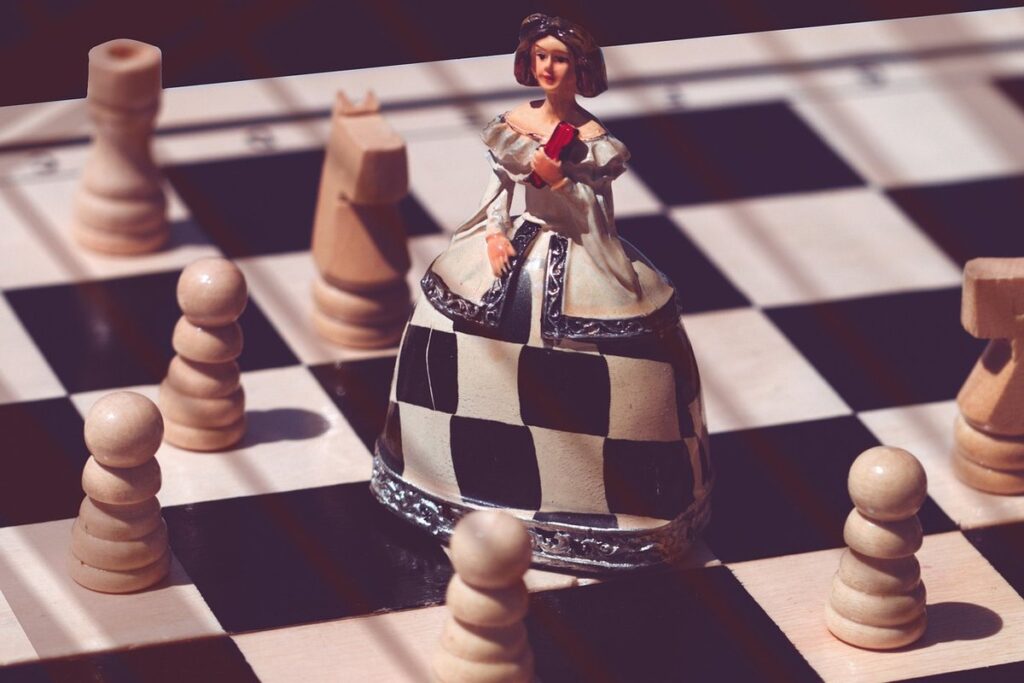
Understanding the Fundamentals of Composition
Composition is all about balance and harmony, but what exactly does that mean? Let’s break down the fundamental principles that will give you a solid foundation to create visually appealing art.
What is Composition in Art?
Composition is at the very heart of creating visually appealing artworks. It’s what guides the viewer’s eye through the piece, drawing them into a world of balance and harmony. In simple terms, composition refers to the way elements are arranged within a work of art – from shapes and colors to textures and forms.
A well-balanced composition can elevate an otherwise ordinary image into something truly remarkable. This is why mastering composition techniques is crucial for artists, photographers, and designers alike. By paying attention to the placement, size, and relationship between different elements, you can create a sense of visual tension that keeps the viewer engaged.
Think of it like a recipe – just as a chef balances flavors, textures, and presentation to create a dish that’s greater than the sum of its parts, an artist must balance composition to craft a piece that resonates with the viewer. This involves experimenting with different layouts, exploring negative space, and considering the overall mood and atmosphere you want to evoke. By doing so, you’ll be able to harness the power of composition to create artworks that truly leave a lasting impression.
Types of Composition: Balance, Proportion, and Emphasis
When it comes to creating visually appealing art, composition is key. A well-balanced composition can draw the viewer’s eye and convey the artist’s message effectively. There are several types of composition that artists use to achieve balance and harmony.
Symmetrical composition, for example, is achieved by dividing the artwork into mirror-image halves on either side of a central axis. This type of composition creates a sense of order and stability, making it perfect for portraits or landscapes with symmetrical elements. Asymmetrical composition, on the other hand, involves placing visual elements off-center to create a more dynamic and engaging piece.
Radial balance is achieved by arranging objects around a central point, creating a sense of movement and energy. This type of composition is often used in abstract art to convey emotions or moods. Spiral balance, meanwhile, involves creating a spiral pattern with shapes or lines, drawing the viewer’s eye outward from the center.
To create visual interest through proportion, artists can use size, scale, and placement of elements to guide the viewer’s attention. Emphasis can be achieved by placing bold colors, shapes, or textures in strategic locations, or by using negative space to create a focal point. By experimenting with different types of composition and balance, you can unlock new creative possibilities and take your art to the next level.
The Elements of Art and How They Influence Composition
Let’s dive deeper into the building blocks of art: line, shape, form, value, color, texture, and space. These fundamental elements will help you create a balanced composition that draws the viewer in.
Line: Leading the Viewer’s Eye
When it comes to guiding the viewer’s eye through a composition, line plays a crucial role. By strategically placing lines within an artwork, artists can create movement, direct attention, and even evoke emotions. There are several types of lines that artists use to achieve this effect.
Straight lines, for example, can create a sense of order and stability. They’re often used in architectural or landscape paintings to establish a clear horizon line or divide the composition into distinct sections. On the other hand, curved lines can add a sense of movement and fluidity. Diagonal lines, meanwhile, can create tension and energy.
But how do you use these different types of lines effectively? Start by considering the mood and atmosphere you want to convey in your piece. If you’re aiming for calmness or serenity, straight lines might be the way to go. For a more dynamic feel, try incorporating curved or diagonal lines. Experiment with layering lines, too – combining multiple lines can create a rich, engaging visual experience.
Shape, Form, Value, Color, Texture, and Space
When it comes to creating visually appealing compositions, understanding the fundamental elements of art is crucial. Shape, form, value, color, texture, and space are the building blocks that artists use to craft engaging visuals. Let’s break down each element and explore how they contribute to the overall composition.
Shape refers to the self-contained area or volume in a work of art, while form deals with the three-dimensional quality of an object. Artists often use shapes and forms to create contrast, balance, and visual interest. For example, using a combination of geometric and organic shapes can add dynamism to a piece, while playing with scale and proportions can create a sense of depth.
Value, or light and dark, is another essential element that artists manipulate to guide the viewer’s eye. By applying varying values, artists can create depth, contrast, and tension in their compositions. Color is also a powerful tool, used to evoke emotions, convey meaning, and add visual interest. Texture, on the other hand, adds tactile quality to an artwork, inviting the viewer to engage with it on a physical level.
Space refers to the negative areas between and around objects, which can be used to create a sense of atmosphere and mood. Artists often use space to lead the viewer’s eye through the composition or create a sense of isolation. By mastering these elements, artists can craft compositions that are visually balanced, harmonious, and engaging.
Principles of Composition: The Golden Ratio and Other Guidelines
To master composition, it’s essential to understand key principles such as the golden ratio and other guidelines that will help you create visually balanced and harmonious artworks. Let’s explore these fundamental concepts in more detail.
The Golden Ratio: A Universal Principle
The Golden Ratio has been a cornerstone of aesthetics for centuries, and its presence can be observed in some of the world’s most iconic works of art. This mathematical proportion is believed to possess an inherent appeal that resonates with human perception. The ratio itself is approximately 1.618 to 1, but it’s not just about the number – it’s about how this proportion influences our visual experience.
When applied correctly in composition, the Golden Ratio creates a sense of harmony and balance, drawing the viewer’s eye through the artwork in a natural flow. Artists use this principle by dividing their canvas into sections using golden rectangles, where one dimension is approximately 1.618 times longer than the other. This technique ensures that elements within the composition are placed at specific points along this spiral, creating visual tension and balance.
By incorporating the Golden Ratio into your artwork, you’ll create an aesthetically pleasing composition that invites viewers to explore its depths.
Rule of Thirds, Symmetry, and Asymmetry
When it comes to composition, three fundamental principles come into play: the Rule of Thirds, Symmetry, and Asymmetry. These concepts are essential for creating visually appealing art that draws the viewer’s attention.
The Rule of Thirds involves dividing your canvas or frame into thirds both horizontally and vertically, creating nine equal parts. Placing key elements along these lines creates balance and visual interest. For instance, in a landscape painting, placing the horizon line along the top third rather than centering it can create a more dynamic composition.
Symmetry is another powerful tool for achieving harmony in your art. Reflective symmetry involves mirroring elements on either side of an axis, creating a sense of order and stability. However, overusing symmetry can result in predictability and a lack of visual interest. Asymmetry, which deliberately breaks symmetrical rules, adds surprise and tension to your composition.
When applying these principles, be mindful of common mistakes: using the Rule of Thirds as a hard-and-fast rule rather than a guide, or relying too heavily on symmetry. Experiment with different compositions to find what works best for your art. By embracing these principles in moderation, you’ll create visually engaging pieces that captivate viewers.
Practicing Composition: Exercises and Techniques for Improvement
As you continue to develop your composition skills, it’s essential to practice applying them through various exercises that challenge your creativity and technical ability. Let’s dive into some techniques and activities to help you grow as an artist.
Simple Exercises to Improve Your Skills
To improve your composition skills, try simple exercises that can be done anywhere, anytime. For example, challenge yourself to arrange objects on a table or shelf in different ways, considering balance and harmony principles. This exercise helps develop your eye for visual weight and the ability to create aesthetically pleasing compositions.
Create quick sketches of everyday scenes, such as people walking down the street or items arranged in a still life setup. Pay attention to how you place the main subject within the frame, using techniques like the rule of thirds or leading lines to guide your placement.
Practice drawing simple shapes and forms, observing how their proportions affect the overall balance of the composition. For instance, try combining different geometric shapes to create a visually appealing arrangement, paying attention to negative space and the areas between forms. By engaging in these exercises regularly, you’ll become more aware of the underlying principles that govern good composition and improve your skills with practice.
Advanced Techniques for Challenging Composition Problems
When tackling challenging composition problems, it’s time to take your skills to the next level with advanced techniques. One effective approach is using negative space to create a sense of balance and harmony. By strategically placing empty space around elements, you can draw the viewer’s eye through the composition and emphasize key features.
To achieve this, experiment with different placements of negative space – don’t be afraid to push boundaries by leaving large areas blank. This can help create an eerie or atmospheric mood in landscape or still-life pieces. For instance, in a portrait, using negative space around the subject can create an intimate, isolated feel.
Another advanced technique is creating depth through layering. By placing elements at different distances from the viewer and using overlapping techniques, you can add a sense of dimensionality to your artwork. This can be particularly effective when depicting complex scenes or backgrounds.
Experimenting with unusual perspectives is also key to mastering challenging composition problems. Try shooting from low or high angles, or even from unusual vantage points like crouching or climbing. This will allow you to capture unique and compelling viewpoints that engage the viewer.
Real-World Examples of Exceptional Composition in Art
Let’s dive into some real-world examples that showcase exceptional composition in art, from famous masterpieces to lesser-known gems. These illustrations will help solidify our understanding of effective visual balance and harmony.
Famous Paintings and Their Unique Compositions
Famous paintings like Vincent van Gogh’s “The Starry Night” and Salvador Dali’s “The Persistence of Memory” demonstrate exceptional composition skills. What makes these pieces successful is the way they use visual elements to create a sense of balance and harmony.
In “The Starry Night,” Van Gogh achieved his desired effect by using a dominant central mass (the village) and placing smaller, less prominent forms around it (the stars). This creates a sense of movement and energy, drawing the viewer’s eye through the composition. The artist also used color to enhance this effect, with vibrant blues and yellows that evoke a sense of dynamism.
Similarly, in “The Persistence of Memory,” Dali used unusual shapes and perspectives to create a dreamlike atmosphere. By placing melting clocks at different levels and angles, he disrupted traditional notions of time and space, inviting the viewer to reevaluate their relationship with reality. The artist’s use of chiaroscuro – strong contrasts between light and dark – adds depth and visual interest to the composition.
These examples illustrate how skilled artists can manipulate visual elements to create a desired effect.
Contemporary Artists Pushing the Boundaries of Composition
Contemporary artists are redefining the rules of composition, incorporating innovative techniques that challenge traditional notions of visual balance and harmony. One such artist is Takashi Murakami, a Japanese contemporary artist known for his vibrant, playful, and often surreal works. His compositions frequently feature complex layers of color, texture, and pattern, which he achieves through a combination of painting, printmaking, and digital manipulation.
Murakami’s artistic philosophy emphasizes the importance of “superflatness,” a concept that seeks to dissolve traditional distinctions between two-dimensional and three-dimensional space. This allows him to create compositions that are at once visually striking and intellectually thought-provoking. For example, his 2008 painting “Tan Tan Bo Puking A.P.” features a colorful, dreamlike landscape of cartoon characters and fantastical creatures, all vying for attention in a dizzyingly complex composition.
To achieve similar results, artists can experiment with layering different textures and patterns, using digital tools to manipulate images and create new compositions. By embracing the unconventional and pushing the boundaries of traditional composition, artists like Murakami inspire us to rethink the very foundations of visual balance and harmony.
Conclusion: Mastering Composition for a Lifetime of Creative Growth
As you’ve learned and practiced the fundamental principles of composition, it’s time to consider how you can continue growing and refining your skills in the long term. Let’s discuss what it takes to master composition for a lifetime of creative growth.
Putting It All Together: Tips for Practicing Composition Regularly
Now that you’ve mastered the fundamental principles of composition, it’s time to put them into practice. Regular composition exercises will help you develop a keen eye for visual balance and harmony. Start by dedicating 15-30 minutes each day to practicing composition. Set up still-life compositions using household objects or draw inspiration from nature.
Begin with simple exercises like the rule of thirds, leading lines, and framing. Use online resources like Skillshare’s Composition Course or Craftsy’s Visual Storytelling course to supplement your learning. You can also explore YouTube tutorials by artists and designers sharing their composition techniques.
To incorporate composition into your daily routine, try these tips: Break down larger projects into smaller compositions; experiment with different mediums, such as drawing, painting, or photography; and analyze the work of masters in various art forms – architecture, interior design, or fine arts. The more you practice, the more intuitive composition will become.
Encouraging Continuous Learning and Experimentation
As you continue on your composition journey, it’s essential to remember that mastery is an ongoing process. The art of composition is not something you can achieve overnight; it requires dedication, persistence, and a willingness to learn.
Attending workshops and classes is an excellent way to stay up-to-date with the latest techniques and trends in composition. These events provide a unique opportunity to receive feedback from experienced instructors and network with fellow artists who share your passion. Don’t be afraid to try new approaches or mediums – this is where some of the most innovative work comes from.
Joining online art communities or forums can also be a valuable resource for continuous learning. Share your own work, provide constructive feedback to others, and participate in discussions on topics related to composition. By engaging with fellow artists, you’ll gain insights, discover new ideas, and stay motivated.
Finally, don’t underestimate the importance of seeking feedback from others. Share your work with trusted friends or mentors who can offer honest critiques. Use this feedback as an opportunity to refine your skills and make informed decisions about your artistic direction. By embracing ongoing education and experimentation, you’ll be well on your way to mastering composition for a lifetime of creative growth.
Frequently Asked Questions
How do I apply the principles of composition to my existing art pieces?
You can rework your previous artworks by applying the principles of composition learned from this guide. Start by identifying areas that need improvement, such as balance or emphasis. Experiment with rearranging elements like shapes, colors, and textures to create a more visually appealing piece. Remember, composition is not just about creating new art; it’s also about refining existing work.
Can I use the Golden Ratio in any type of artwork?
While the Golden Ratio (1:1.618) is particularly useful for landscapes, portraits, and still-life compositions, it can be applied to various styles and mediums. Feel free to experiment with this principle in your abstract art, graphic design, or even photography work. However, keep in mind that some art forms may benefit more from other composition techniques.
How do I balance composition and creative freedom?
Composition is not about stifling creativity but rather guiding it. Learn to trust your instincts while incorporating principles of composition into your work. This will help you achieve a harmonious balance between form and expression, allowing for more impactful and emotionally resonant art pieces.
What if my artwork doesn’t fit into traditional composition categories (e.g., symmetry or asymmetry)?
Composition is not limited by traditional rules. Feel free to experiment with unconventional approaches that best suit your artistic vision. This guide aims to equip you with the knowledge to think creatively, making composition a flexible tool for expressing yourself.
How often should I practice composition techniques?
Regular practice is key to mastering composition. Allocate time each week to engage in exercises or work on new art pieces, applying the principles learned from this guide. Consistency will help you develop your unique visual voice and improve your artistic skills over time.