
As an artist, have you ever looked at a piece and wondered what makes it truly stand out? Is it the way the colors dance across the canvas, or perhaps the balance of shapes that draws your eye to specific areas? The answer lies in composition. Composition is the foundation upon which great art is built, providing the framework for visual interest and emotional impact. It’s a concept that has been studied by artists throughout history, from the Renaissance masters to contemporary innovators. In this article, we’ll delve into the fundamentals of composition, exploring its historical context, key principles, and practical techniques for creating balanced, harmonious pieces that draw attention where you want it – with emphasis on balance, harmony, and emphasis.
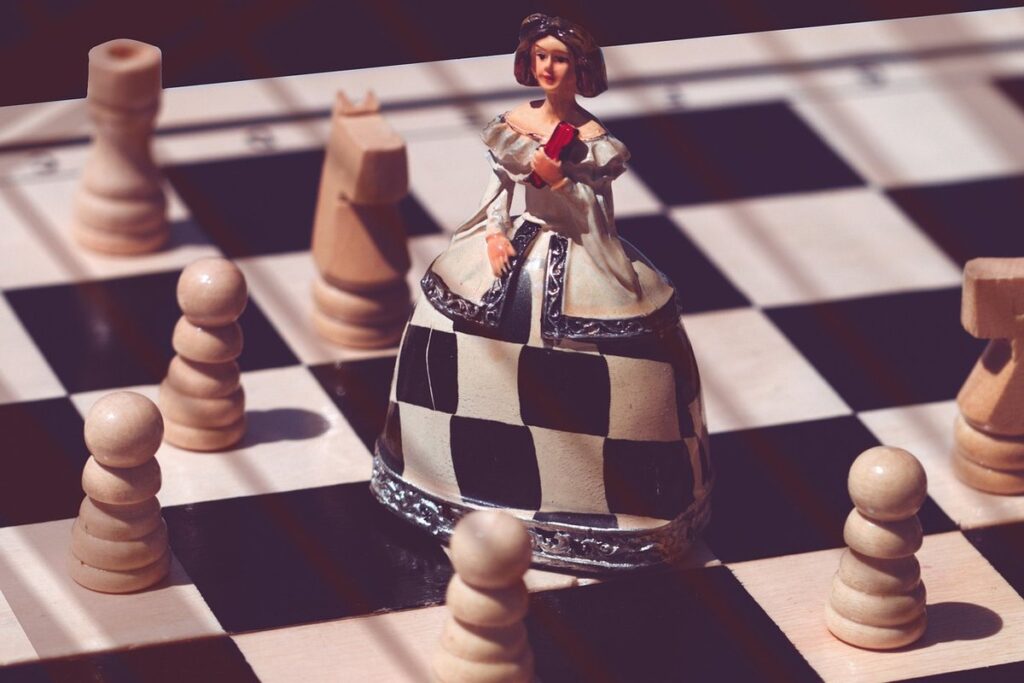
What is Composition in Art?
At its core, composition in art refers to the deliberate arrangement of visual elements within a work to create a balanced and aesthetically pleasing whole. Let’s break down what that means for artists and art lovers alike.
The Definition and Purpose of Composition
At its core, composition is the deliberate arrangement of visual elements within an artwork to create a cohesive and aesthetically pleasing piece. It’s not just about throwing paint on canvas; rather, it’s a thoughtful process that guides the viewer’s attention through a harmonious balance of shapes, colors, textures, and negative space. Composition has a significant impact on the overall visual impact of a work of art, influencing how we perceive, interpret, and connect with the piece.
Effective composition can evoke emotions, convey meaning, and even influence our perception of time and space. For instance, a well-balanced composition can create a sense of calmness, while an imbalanced one may evoke feelings of chaos or disorder. A skilled artist knows that every element within the artwork, including empty space, contributes to the overall visual narrative.
To improve your understanding of composition, try experimenting with simple exercises like creating balance through symmetry or asymmetry, playing with negative space, and using shapes and colors to lead the viewer’s eye through the piece. Remember, composition is not just a technical aspect of art; it’s an artistic choice that requires intentionality and creativity.
Historical Context and Evolution of Composition
The concept of composition has been a fundamental aspect of art since ancient civilizations first began to create visual masterpieces. The development of composition throughout history can be seen as a continuous evolution, influenced by various styles and periods that have shaped the way artists approach this essential element of art.
In ancient Greece and Rome, for example, compositions often featured balanced symmetries and harmonious proportions, reflecting the cultural values of order and reason. Similarly, in Renaissance Europe, the emphasis was on creating balance and harmony through the use of classical principles, as seen in works by Leonardo da Vinci and Michelangelo. The Baroque period that followed saw a shift towards dramatic lighting and intense emotions, while the Impressionist movement emphasized capturing fleeting moments and effects.
From these diverse styles, artists have learned to experiment and innovate, incorporating elements from each era into their own unique compositions. Today’s artists continue this tradition, pushing boundaries and exploring new ways of expressing themselves through composition.
Elements of Composition
Composition is more than just placing objects in a scene, it’s about creating a visually appealing arrangement that guides the viewer’s eye. Let’s explore the key elements that make up a solid composition.
Line and Shape: The Building Blocks of Form
In art, composition is built upon two fundamental elements: line and shape. These basic building blocks interact with each other to create a visually appealing piece that draws the viewer’s attention. A line is defined as a continuous mark made on a surface by a drawing tool or instrument. It can be thick or thin, straight or curved, and can serve various purposes such as outlining forms, indicating movement, or creating texture.
Shapes are formed when lines intersect or meet at a point, enclosing an area. Geometric shapes like squares, circles, and triangles have sharp corners, while organic shapes like ovals, hearts, and leaves have smooth curves. The interaction between lines and shapes creates visual interest by leading the viewer’s eye through the composition. For instance, a series of curved lines can direct attention towards a central shape, creating depth and focal point.
When combining multiple shapes, artists should consider their proportions, placement, and relationships to create balance and harmony in the composition. By thoughtfully incorporating line and shape, artists can guide the viewer’s gaze through the artwork, inviting them to explore its various layers and meaning.
Value and Texture: Adding Depth and Dimensionality
Value and texture are two fundamental elements that add depth and dimensionality to a piece of art. Value refers to the lightness or darkness of a color, while texture describes the surface quality or “feel” of an element within the composition. When used effectively, value and texture can significantly contribute to a painting’s emotional impact.
To understand their importance, let’s consider an example. Imagine a landscape with a bright sun shining down on a serene lake. The water would appear light in value, while the surrounding trees would be darker. This contrast creates a sense of depth, drawing the viewer’s eye into the scene. Adding texture to these elements – perhaps through brushstrokes or subtle color nuances – further enhances their visual interest and emotional resonance.
The interplay between value, texture, and color is critical in composition. By balancing light and dark areas with varying textures, artists can create a visually engaging and emotionally impactful work. For instance, juxtaposing smooth, reflective surfaces (high-value) with rough, organic forms (low-value) can evoke contrasting emotions – serenity versus turmoil. By experimenting with different combinations of value and texture, you’ll develop a deeper understanding of their role in composition and improve your own artistic expression.
Principles of Composition
At its core, composition is all about arranging visual elements to convey meaning and create a cohesive artwork that engages your viewer. Let’s explore some fundamental principles that will help you master this essential art form.
Balance and Harmony: Achieving Visual Equilibrium
Achieving visual equilibrium is crucial in art composition as it creates a sense of stability and balance. Balance refers to the distribution of visual elements in a piece, while harmony relates to the way these elements interact with each other. There are several techniques used to achieve balance and harmony: symmetry, where identical or similar elements are arranged on either side of an axis; asymmetry, which involves deliberate placement of elements off-center; radial balance, achieved by arranging elements around a central point; and diagonal balance, where visual weight is distributed along a diagonal line.
When using symmetrical compositions, artists can create a sense of order and stability. However, asymmetrical compositions allow for greater creative freedom and can be more engaging when done correctly. Radial balance is often used in designs that feature a central element or focal point, while diagonal balance can add dynamism to a piece by leading the viewer’s eye through the composition.
To achieve harmony, artists should consider the size, color, texture, and placement of elements within their composition. By balancing these factors, they can create visually appealing pieces that engage the viewer’s attention without overwhelming them.
Emphasis and Movement: Directing the Viewer’s Attention
When creating a visually appealing artwork, guiding the viewer’s attention through a piece is crucial to effective composition. Two essential techniques used to achieve this are emphasis and movement. Emphasis refers to drawing focus on a specific element within the composition, typically achieved by making it larger, bolder, or more vibrant than the rest of the image.
Movement, on the other hand, directs the viewer’s eye through the piece using leading lines, shapes, or forms that create a sense of flow and energy. This can be done using curved or diagonal lines that draw the viewer’s gaze from one point to another, creating a dynamic visual experience. By combining emphasis and movement effectively, artists can lead the viewer’s attention through the composition in a deliberate and meaningful way.
For example, consider a landscape painting with a winding road leading the eye into the distance. The focal point, such as a mountain peak or a body of water, is emphasized by its size or color. Meanwhile, the winding road creates movement that draws the viewer’s gaze through the piece, creating a sense of depth and visual flow. By mastering emphasis and movement, artists can create compositions that engage and guide the viewer in a way that enhances their overall appreciation for the artwork.
Composition Techniques
When it comes to creating visually appealing artwork, understanding composition techniques is crucial to drawing the viewer’s eye and conveying your intended message effectively. Let’s explore some essential techniques to enhance your artistic skills.
Grid Systems and Dividers: Structuring Your Artwork
A grid system is a fundamental tool for artists to plan and execute their work effectively. By dividing the composition into smaller sections, a grid helps artists balance elements, create visual flow, and guide the viewer’s attention. There are several types of grids, including the standard grid, radial grid, and polar coordinate grid. Artists can use these systems to ensure that each element has a clear relationship with others in the composition.
Dividers are another essential tool for structuring your artwork. They help separate different areas within the composition, creating depth and visual hierarchy. A simple technique is to use two or more lines of varying thicknesses or colors to separate sections. This creates distinct zones within the artwork and adds visual interest.
To incorporate these techniques into your work, try using a pencil or charcoal to lightly sketch a grid on your canvas. Then, place key elements along the grid lines, experimenting with different arrangements until you achieve balance and harmony.
Overlapping Elements and Negative Space: Creating Visual Interest
When it comes to composition, creating visual interest is essential to engaging and captivating your audience. Overlapping elements and negative space are two techniques that can add complexity and depth to a piece, making it more dynamic and thought-provoking.
Overlapping elements refer to the way different shapes or forms intersect with one another. This can be done intentionally by layering objects in front of each other, creating a sense of hierarchy and visual flow. For example, consider the works of Henri Matisse, who often overlapped shapes and forms to create vibrant and dynamic compositions.
Negative space, on the other hand, refers to the empty areas between and around objects. By using negative space effectively, artists can create a sense of breathing room and allow the viewer’s eye to wander freely throughout the piece. This technique is particularly effective in creating a sense of balance and harmony in a composition.
To incorporate overlapping elements and negative space into your own work, try experimenting with different shapes and forms, layering them in front of each other to create a sense of depth and visual interest. Pay attention to the negative space around and between objects, using it to create a sense of flow and balance. By mastering these techniques, you can add complexity and visual appeal to your compositions, drawing the viewer’s eye and engaging their imagination.
Challenges in Composition
As you delve into the world of composition, it’s natural to encounter obstacles that can hinder your creative vision. Let’s explore some common challenges artists face when crafting a strong composition.
Common Mistakes and Areas for Improvement
When it comes to composition in art, even experienced artists can fall prey to common mistakes that detract from the overall impact of their piece. Poor balance is one such issue, where elements are not distributed evenly, leading to a visually unappealing arrangement. This can be due to overemphasizing certain areas or neglecting others.
Another pitfall is the overuse of dominant colors, which can overwhelm the viewer’s senses and distract from the intended message. A well-balanced composition should strike a harmonious balance between contrasting elements, rather than relying too heavily on one color scheme.
To avoid these mistakes, artists should focus on creating a clear visual hierarchy through placement, size, and color. This means deliberately allocating attention to specific areas of the piece while allowing other parts to recede into the background. By being mindful of these composition fundamentals, artists can create visually engaging pieces that convey their intended meaning.
Tips for Improving Your Composition Skills
Improving composition skills takes practice, patience, and a willingness to experiment. One way to do this is by observing the work of other artists. Look at their use of negative space, color palette, and visual flow. Identify what works well in their compositions and try to incorporate those elements into your own work.
Another approach is to experiment with different techniques, such as layering or texture. This can help you develop a sense of visual interest and balance. For example, you might try combining smooth brushstrokes with rough textures to create a dynamic contrast.
Regular practice is also essential for improving composition skills. Set aside time each day or week to work on your craft, whether it’s sketching, painting, or drawing. Try to approach each piece with a fresh perspective and an open mind. As you experiment and practice, pay attention to what works and what doesn’t, and adjust your approach accordingly.
Ultimately, the key to improving composition skills is to stay curious and keep creating. With dedication and persistence, you can develop the skills needed to create visually appealing and engaging compositions that express your unique vision.
Conclusion: Mastering Composition in Art
Now that we’ve explored the fundamentals of composition, let’s tie everything together and discuss how to master this essential skill in art. This final step will solidify your understanding of visual expression.
Recap of Key Concepts
As we conclude our exploration of composition in art, let’s take a moment to revisit the key concepts that will help you create effective compositions. We’ve discussed the importance of balance and harmony, which are essential for guiding the viewer’s eye through your artwork.
Remember, balance is not just about symmetry – it can also be achieved through asymmetry by creating visual weight through color, shape, and texture. Harmony, on the other hand, is about creating a sense of cohesion and unity in your composition.
We’ve also touched on the rule of thirds, which helps to create visually appealing compositions by dividing your artwork into nine equal parts. The placement of key elements along these lines or at their intersections can greatly enhance the overall impact of your piece.
Additionally, we discussed the concept of negative space and its role in creating a sense of breathing room in your composition. By strategically using negative space, you can draw attention to specific areas of your artwork and create a more dynamic visual experience for the viewer.
These key concepts will serve as the foundation for mastering composition in art. By incorporating them into your practice, you’ll be well on your way to creating visually stunning and engaging artworks that communicate your message effectively.
Encouragement for Continuous Learning and Practice
As you’ve now grasped the fundamental principles of composition in art, remember that mastering this skill is an ongoing process. It’s natural to feel a sense of accomplishment upon completing a piece, but don’t let complacency set in – there’s always room for improvement.
Composition is not a static concept; it’s dynamic and ever-evolving. Continuously experiment with new techniques, styles, and mediums to push your creative boundaries. Don’t be afraid to try unconventional approaches or take risks – some of the most innovative works often result from unexpected combinations.
Practice regularly, even if just for short periods each day. Observe how different composition elements interact with one another; study the works of masters in various art movements. Analyze what you like about their compositions and strive to incorporate those principles into your own work.
Remember that mastering composition takes time, patience, and dedication. Don’t compare yourself to others – instead, focus on developing your unique voice and vision. With persistence and an open mind, the possibilities for growth and exploration are endless.
Frequently Asked Questions
What are some common composition mistakes to avoid when creating a new artwork?
Avoiding common composition mistakes is crucial for creating effective artworks. Some common pitfalls include neglecting balance, relying too heavily on color without harmony, and not considering the emotional impact of emphasis. To sidestep these issues, focus on achieving visual equilibrium through balance and harmony, use color theory principles to select harmonious hues, and carefully direct the viewer’s attention with deliberate emphasis.
How can I apply composition principles to improve existing artwork?
Improving an existing piece requires understanding how to refine its composition. Consider re-evaluating your artwork’s balance, harmony, and emphasis, then make targeted adjustments to rebalance or redirect the viewer’s attention. Experiment with subtle changes in value, texture, and negative space to enhance the overall visual impact.
How can I incorporate negative space effectively into my art?
Incorporating negative space thoughtfully is crucial for composition. Use it sparingly to create visual interest by separating elements, emphasizing forms, or suggesting depth. Balance positive forms with thoughtful arrangement of negative space to guide the viewer’s eye through your artwork.
What are some practical tips for using composition techniques like grid systems in my art?
When employing composition techniques like grid systems, start by breaking down your artwork into a grid. Then, apply visual elements within the grid cells to create balance and harmony. This structured approach helps maintain coherence while allowing flexibility for creative expression.
Can I apply composition principles to non-traditional mediums like digital art or photography?
Composition principles are universally applicable across mediums. Apply fundamental concepts of balance, harmony, emphasis, and movement to your digital artwork or photographs by manipulating color, texture, value, and other visual elements within the frame. Direct attention with deliberate composition choices, even in seemingly unstructured forms.