
Creating memorable comic book characters is an art that requires more than just drawing skills. It demands an understanding of how to bring your character to life through their design, facial expressions, and costumes. A well-designed comic book character can captivate readers’ attention and make them remember the story long after they finish reading it. However, for many aspiring artists, creating such characters seems like a daunting task. With this guide, you’ll learn how to create engaging comic book characters that will leave a lasting impression on your audience.
This step-by-step guide will walk you through the essential elements of character design, from choosing the right facial expression to creating a memorable costume. By the end of it, you’ll be able to create unique and engaging comic book characters that readers will love and remember.
Understanding Comics and Character Design
Comics and character design are deeply intertwined, and understanding their relationship is crucial for creating engaging comic characters. Let’s break down the fundamentals of comic art principles to enhance your designs.
Essential Principles of Comics
Comics are a visual medium, and their effectiveness relies heavily on pacing. Pacing refers to the speed at which the narrative unfolds, and it’s achieved through careful control of panel layout and content. A well-paced comic book should balance action, dialogue, and description to keep readers engaged.
Panel layout is crucial in conveying the story. The size, shape, and arrangement of panels influence the reader’s perception of time and space. For example, a series of small panels can create a sense of urgency or chaos, while larger panels can slow down the pace and focus attention on specific details.
Visual storytelling is also key to comics. Instead of relying solely on text, artists use images to convey emotion, mood, and context. This approach helps readers immerse themselves in the story and become emotionally invested in the characters’ experiences. By considering pacing, panel layout, and visual storytelling, comic book creators can craft a compelling narrative that resonates with readers.
In practice, think of pacing as a rhythm: too fast or slow, and it becomes jarring; just right, and it’s engaging. Experiment with different panel layouts to find the right balance for your story.
Analyzing Successful Comic Book Characters
Iconic comic book characters have a way of captivating audiences and leaving a lasting impact. To analyze what makes them memorable, let’s examine character archetypes. Superheroes often embody classic archetypes like the Hero, Anti-Hero, or Everyman. Batman is an example of the Dark Knight archetype, while Spider-Man represents the Underdog. These familiar roles allow readers to quickly grasp the character’s personality and motivations.
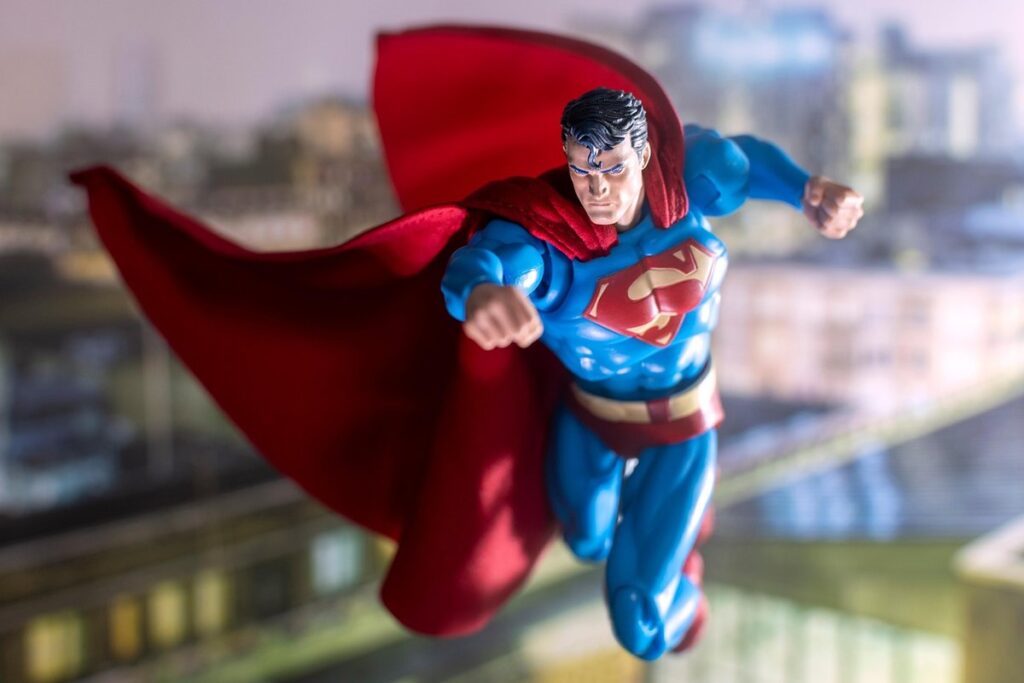
Personality traits also play a significant role in making characters engaging. Think of Superman’s unwavering optimism or Deadpool’s irreverent humor. Design elements like costume color schemes and accessories can further reinforce these traits. For instance, Superman’s red and blue suit symbolizes hope and courage, while Deadpool’s distinctive mask represents his chaotic nature.
When designing your own comic book character, consider incorporating similar archetypes and personality traits to create a compelling persona. Identify what sets your hero apart from others in the genre. Ask yourself: What kind of character do I want readers to root for? What unique abilities or flaws will make them relatable? By carefully crafting these elements, you’ll be well on your way to creating an iconic comic book character that resonates with audiences.
Developing Your Character Concept
Now that you have a solid idea of your comic, it’s time to flesh out its personality – think about their motivations, backstory, and quirks. What makes them unique?
Brainstorming Ideas and Inspiration
When brainstorming ideas for your comic book character, it’s essential to consider the genre and tone of your story. Think about what kind of world you’re creating: is it a dark and gritty dystopia or a light-hearted superhero adventure? Understanding the genre will help you determine the type of character that fits best.
Consider your target audience as well. Are you writing for children, young adults, or adults? Different age groups respond to different types of characters. For example, a story aimed at children might require a more innocent and relatable protagonist, while an adult-oriented series could feature a more complex and nuanced character.
Think about the themes and issues you want to explore in your story. Are there any social commentary or allegories that can be woven into your narrative? This will help you create a character concept that resonates with your target audience. Some questions to ask yourself include: What motivates my character? What are their strengths and weaknesses? How do they fit into the larger story?
Some comic book creators start by brainstorming lists of adjectives or personality traits for their characters, such as “brash,” “intelligent,” or “humorous.” Others create mood boards with images that evoke the tone and atmosphere of their story. Experiment with different methods to find what works best for you.
Creating a Compelling Backstory
When crafting a compelling backstory for your comic character, it’s essential to consider what drives them and gives their story meaning. This narrative foundation should be rooted in their motivations, flaws, and strengths. Think about what makes your character tick: What are their goals and desires? What obstacles do they face, and how do they overcome them?
Developing a rich backstory requires exploring both the positive and negative aspects of your character’s personality. For example, if your character is a hero, perhaps they have a traumatic past that fuels their desire for justice. Alternatively, maybe they struggle with self-doubt or impulsiveness, making them more relatable and human.
To build a compelling narrative, consider the following:
- Give your character a clear motivation: What drives them to take action? Is it love, revenge, or something else?
- Introduce flaws that make them vulnerable: This could be a physical weakness, emotional baggage, or a tendency towards self-destruction.
- Develop strengths that balance out their flaws: Perhaps they’re incredibly resourceful or have a unique skillset that helps them navigate challenges.
By incorporating these elements into your character’s backstory, you’ll create a deeper, more engaging narrative that draws readers in and keeps them invested.
Sketching and Refining Your Character Design
Now that you’ve got a solid concept, let’s focus on bringing your character to life through iterative sketches and refining their design until they feel authentic. This is where the magic happens!
Basic Shapes and Proportions
When drawing comic book characters, it’s essential to understand their body proportions and facial features. Start by breaking down the body into basic shapes: spheres for the head and torso, cylinders for the arms and legs, and rectangles for the hands and feet. This will help you get a sense of the character’s overall structure.
Consider the Golden Ratio (approximately 1.618:1) when placing facial features. The eyes should be about one-third of the way down from the top of the head, with the nose in between them. The mouth can be positioned below the center of the face. Use simple shapes to draw the eyes, nose, and mouth, rather than trying to draw each feature individually.
Pay attention to the proportions of your character’s body. A typical adult human is about 7-8 heads tall. For a more dynamic pose, try adding some subtle variations in height, such as a character with one shoulder lower than the other. This will help create visual interest and energy in your drawing.
Adding Details and Textures
When adding details and textures to your character design, it’s essential to balance visual elements with consistency and clarity. This means not overwhelming the viewer with too many features but instead choosing key details that reveal personality and backstory.
Consider what kind of texture or pattern would be most relevant for your character’s world and occupation. For example, a city-dwelling superhero might have a gritty, urban-inspired costume, while a fantasy warrior might have intricate armor plating. Be mindful of how textures interact with one another: smooth fabrics next to rough leather can create an interesting contrast.
To avoid overwhelming the design, prioritize key features like facial expressions and body language over minor details. Use simple shapes and patterns to build up textures, rather than trying to draw every individual thread or scale. A good rule of thumb is to start with broad strokes and gradually add more detail.
Here are a few tips for adding texture and detail without cluttering the design:
- Limit yourself to 2-3 main textures per outfit
- Use patterns and shapes to suggest texture rather than drawing every individual element
- Balance smooth, curved lines with rougher, more angular details
Drawing Facial Expressions and Emotions
Drawing facial expressions is a crucial aspect of bringing your comic characters to life, and it’s where emotions really shine through. Let’s learn how to capture those subtle nuances in this next step.
Mastering Facial Anatomy
Facial anatomy is a crucial aspect of drawing comic characters, as it underpins realistic and expressive facial expressions. To master facial anatomy, you need to understand the underlying muscle structure and bone placement.
The face is composed of 43 muscles that control various movements, including those involved in smiling, frowning, and raising eyebrows. The zygomaticus major muscle, for instance, controls the movement of the lips into a smile. Similarly, the orbicularis oculi muscle surrounds the eye socket and helps to open or close the eyes.
When drawing facial expressions, consider the bone structure beneath the skin. The bones of the face, such as the cheekbones, nose, and jawline, provide a foundation for the muscles that control facial movements. Understanding this relationship allows you to create more realistic and nuanced expressions.
To practice mastering facial anatomy, try sketching the underlying muscle structure in addition to the visible features. You can also study reference images of real faces, noting the placement of bones and muscles.
Capturing Emotional Depth Through Facial Expression
When drawing comic characters, facial expressions are a crucial aspect of conveying emotions and moods. A well-executed facial expression can instantly convey a character’s emotional state, making them more relatable and engaging to readers. To capture nuanced and believable emotional depth through facial design, consider the subtleties of each expression. For example, a slight tilt of the eyebrows or a raised corner of the mouth can imply a range of emotions from curiosity to sarcasm.
In comics, it’s essential to avoid overexaggerating expressions, as this can come across as cartoonish and less believable. Instead, focus on capturing the subtlety of human emotion through carefully crafted facial design. Study the work of master comic book artists who excel at conveying complex emotions through facial expression. Analyze how they use a combination of subtle lines, shading, and attention to proportion to create realistic emotional depth.
To achieve this level of nuance in your own art, try experimenting with different facial expressions in simple exercises. Practice capturing various emotions using just the eyes or mouth alone. This will help you develop a deeper understanding of how facial design can be used to convey complex emotions in comics.
Incorporating Costumes and Accessories
When it comes to bringing comic characters to life, details like costumes and accessories can make all the difference. Let’s see how you can add depth and personality to your drawings using these finishing touches.
Designing Iconic Costumes
When designing iconic costumes for your comic characters, it’s essential to strike a balance between visual appeal and functionality. A well-designed costume should not only look amazing but also make sense in terms of its practicality. Consider the character’s personality, powers, and environment when deciding on the design.
For instance, if your character has superhuman strength, they may not need elaborate armor, while a character who relies on stealth might benefit from a more muted color palette to blend into their surroundings. Think about how the costume will impact the character’s movements and actions – for example, will it get in the way of their powers or hinder their ability to perform certain tasks?
To create iconic costumes, identify key visual elements that can be used to convey your character’s personality, background, or values. These could include symbols, colors, or patterns that hold meaning within the comic universe. Use these elements consistently throughout the costume design to create a cohesive look.
Creating Realistic and Believable Accessories
When designing accessories for your comic character, it’s essential to strike a balance between functionality and visual interest. Start by considering the prop’s purpose and how it will be used in the story. For example, if your character is a skilled inventor, their gadgets should reflect their ingenuity and resourcefulness.
To create realistic and believable props, think about materials and textures. A futuristic device might have a metallic sheen or a complex circuitry pattern, while a medieval warrior’s shield could feature intricate engravings or leather straps. Avoid relying on generic, undefined shapes that lack depth.
When it comes to gadgets and equipment, consider how they will interact with your character’s body. For instance, a backpack full of tools should be designed to sit comfortably on the character’s shoulders, while a pair of goggles should be secure and easy to use. You can also draw inspiration from real-world items, such as sci-fi movies or video games.
A few key things to keep in mind when designing accessories:
- Make sure they serve a purpose beyond mere decoration
- Consider how they interact with the character’s body
- Use materials and textures that add depth and visual interest
- Avoid over-accessorizing – too many props can overwhelm the character
Bringing Your Character to Life
Now that you have a solid foundation for your character, let’s focus on giving them some real personality and depth through thoughtful design choices. This is where your character truly comes alive.
Refining Your Art Style
A unique art style is crucial for making your comic book series stand out. Consistency and cohesion are key to visual storytelling, as they help convey the tone, genre, and atmosphere of your story. Establishing a distinct aesthetic also allows readers to recognize your characters and world instantly.
To develop a consistent look, focus on a few core elements that define your art style, such as line weight, color palette, or texture. For example, if you’re drawing a dark fantasy series, you might emphasize moody colors like blues and purples, while also using bold lines to create dramatic shadows. Consistency doesn’t mean repetition; it means applying these core elements in varying ways throughout your artwork.
A cohesive visual identity can be achieved by considering the story’s themes, setting, and characters’ personalities. For instance, a sci-fi series might incorporate futuristic cityscapes and sleek spaceships, while also depicting characters with cybernetic enhancements. By tying your art style to the narrative’s core elements, you’ll create a rich and immersive visual experience for readers.
To maintain consistency across multiple issues or volumes, establish clear guidelines for your art team (if applicable) and regularly review progress. This will help ensure that your unique art style remains intact throughout the series.
Tips for Continued Improvement
Practice is essential for refining your comic character’s design and bringing them to life. As you continue to work on your art, focus on experimenting with different styles, poses, and expressions. Try drawing your character from various angles, exploring their movement and gesture. Don’t be afraid to take risks and try new things – it’s often through experimentation that we discover our most innovative ideas.
Seek feedback from peers and mentors to gain fresh perspectives on your work. Join online communities or forums where you can share your art and receive constructive criticism. Attend drawing workshops, conferences, or conventions where you can network with other artists and learn from industry experts. Consider joining a critique group or finding a mentor who can offer personalized guidance.
When receiving feedback, remember that it’s not about changing everything at once. Focus on making small adjustments to your character’s design, gradually refining their look until it feels true to the story and characters. Don’t be too hard on yourself – growth is a slow process, and every step forward brings you closer to creating a believable and compelling comic book character.
Frequently Asked Questions
How to Apply Facial Expression Techniques to Different Genres
Facial expressions can vary greatly depending on the genre of your comic book series. For example, horror comics often feature exaggerated and distorted facial expressions, while superheroes typically display more heroic and confident ones. Yes, you can apply the techniques from this guide to different genres by focusing on their unique tone and style.
What if My Character’s Design Doesn’t Translate Well to Digital Art?
When creating a comic book character for digital art, keep in mind that some visual elements may not translate well to the screen. To mitigate this issue, focus on clean lines, simple shapes, and minimal details, which will be easier to reproduce digitally.
Can I Use Real-World People as References for Character Design?
Using real-world people as references can help you create more realistic character designs. However, avoid direct copies or replicas, and instead use them as starting points to add your own unique twist and style.
How Often Should I Practice Drawing Facial Expressions to See Improvement?
To see improvement in drawing facial expressions, it’s essential to practice regularly. Set aside time each week to sketch different facial expressions, experimenting with various emotions and moods. Don’t be discouraged if you don’t see immediate results – consistent practice will help develop your skills over time.
What If My Art Style is Not Consistent Across the Series?
Maintaining a consistent art style can be challenging, especially when working on a large-scale project like a comic book series. To ensure consistency, create a detailed style guide and stick to it throughout the series. Also, consider collaborating with other artists who share your vision and style.