
Drawing comic book characters can be intimidating, especially when you’re new to art. However, with practice and patience, anyone can master the proportions and anatomy needed to create believable superheroes. You might have tried drawing your favorite characters before but struggled to get their features right – it’s all about understanding how to break down complex forms into manageable parts. Our step-by-step guide will walk you through each stage of creating comic book art, from setting up a digital canvas to adding final details with precision and flair. Along the way, we’ll cover essential concepts like mastering proportions, studying anatomy, and getting familiar with popular digital tools used in comic book creation. By the end of this tutorial, you’ll be able to create engaging artwork that brings your favorite characters to life on paper.
Understanding Comic Book Art Fundamentals
Understanding comic book art fundamentals is a must for aspiring artists, as it sets the stage for creating believable and engaging characters. Let’s start by breaking down the essential elements of comic book art.
Mastering Proportions and Measurement Techniques
Mastering proportions and measurement techniques is crucial for creating believable comic book characters. A good starting point is to understand the golden ratio, which is approximately 1.618:1. This principle can be applied to various aspects of a character’s design, such as facial features, body proportions, and even the layout of their costume.
To apply this concept, you can use a ruler or measuring tool to divide your drawing into sections that conform to the golden ratio. For example, if you’re drawing a head, you might measure 1 unit for the width and 1.618 units for the height. This will create a harmonious and balanced look.
It’s also essential to understand how to measure and proportion different body parts, such as arms, legs, and torso. A simple trick is to use the “unit” system, where you divide each body part into equal units and then adjust them according to their proportions. For instance, if a character has an arm that’s 3 units long, their leg should be roughly 4-5 units long.
When working on your comic book art, try to establish a consistent measurement system for each character. This will help you achieve uniformity in their design and make them look more realistic.
Breaking Down Character Anatomy
Drawing comic book characters requires a solid understanding of their anatomy. Start by studying the skeletal structure, paying attention to proportions and measurements. The average adult human body is approximately 7-8 heads tall, but comic book characters often have exaggerated features, so it’s essential to adjust this ratio accordingly.
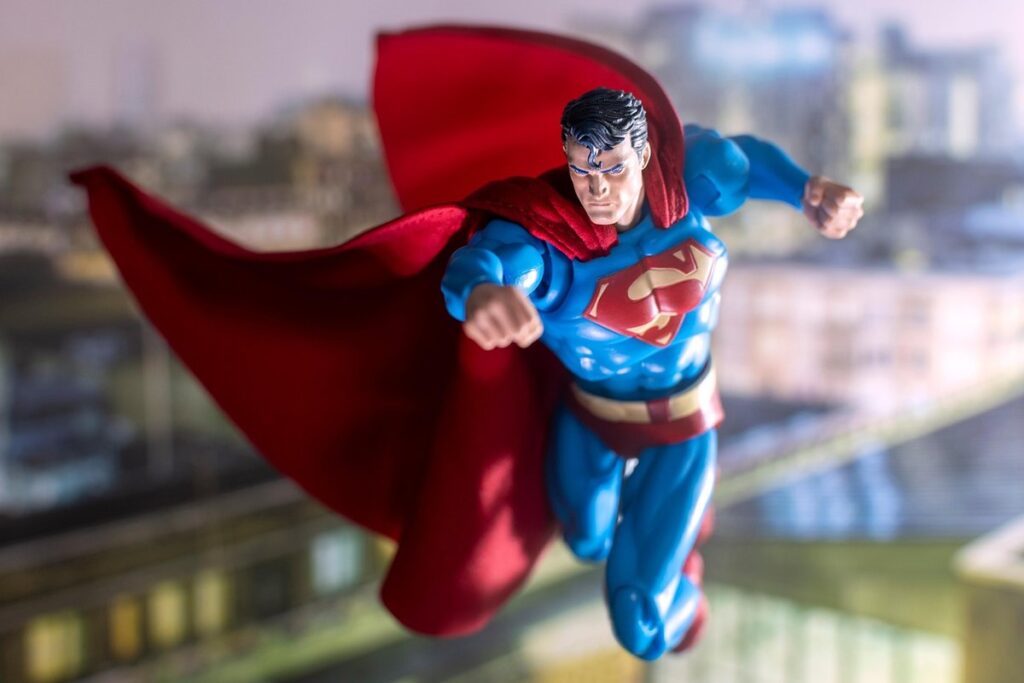
For example, Superman’s physique is typically depicted as being around 9-10 heads tall, with broad shoulders and a larger chest. Conversely, a character like Spider-Man might be more proportionally accurate, but with enhanced muscle definition. To achieve realistic proportions, use a measuring tool or grid system to ensure accuracy.
Focus on the major muscle groups: the quadriceps, hamstrings, glutes, and back muscles. Understand how these muscles interact with each other and the skeleton to create movement and tension in the body. Facial features are also crucial; study the shapes of eyes, noses, mouths, and ears to capture a character’s personality.
When drawing comic book characters, prioritize proportion and anatomy over photorealism. Remember that exaggeration is key in this medium – it’s not about replicating real-life accuracy but rather creating an engaging, dynamic figure.
Developing Your Drawing Skills
To become a skilled comic book artist, you need to develop your drawing skills by mastering the fundamentals of character design and anatomy. Let’s start with proportions and facial structure.
Basic Drawing Exercises for Comic Book Characters
When drawing comic book characters, it’s essential to practice basic exercises that focus on specific body parts and expressions. Start by mastering hands and feet anatomy. Draw a series of hands from different angles, paying attention to finger proportions and placement. Next, practice drawing various types of shoes, boots, and other footwear commonly seen in comics.
For facial expressions, begin by studying the subtleties of emotions conveyed through eyes, eyebrows, and mouth positioning. Practice drawing different emotional states, such as happiness, sadness, anger, and surprise. To add depth to your characters’ faces, experiment with various textures and shading techniques.
Some essential exercises include:
• Drawing multiple hands from a single perspective
• Creating a series of facial expressions using the same character model
• Practicing hand-eye coordination by drawing a character‘s hands holding an object or interacting with their environment
These exercises will help you develop muscle memory and improve your ability to draw comic book characters convincingly. As you practice, focus on observing real-life references and analyzing how artists achieve specific effects in their work. By mastering these basic drawing skills, you’ll be well-equipped to tackle more complex character designs and poses in the next steps of our guide.
Understanding Facial Expressions and Emotions
Facial expressions play a crucial role in conveying character personalities and emotions in comic book art. A subtle smile can convey friendliness, while a dramatic scowl can indicate intensity. To draw a range of emotions, start by studying the basics of facial anatomy. Identify the key features that change when expressing different emotions, such as raised eyebrows or pursed lips.
When drawing emotional expressions, consider the context of the scene. A character’s face should reflect their inner state and how they respond to the situation. For example, a superhero who has just saved the day might be shown with a triumphant grin, while one who is facing a personal struggle might display a more introspective expression.
To convey personality through facial expressions, observe real-life people’s faces and study how different emotions manifest in various individuals. Note the unique features that make each person’s face distinctive, such as their nose shape or eye spacing. Then, apply these observations to your comic book characters, making sure their facial expressions align with their personalities and traits.
In addition to basic anatomy, pay attention to subtle details like wrinkles, creases, and muscle tension, which can greatly enhance the emotional impact of a character’s expression.
Drawing Comic Book Characters’ Costumes and Accessories
Now that you’ve learned how to draw your comic book characters, it’s time to add some personality with their costumes and accessories. We’ll guide you through drawing iconic superhero gear and elaborate villainous attire.
Designing Iconic Superhero Suits
When designing iconic superhero suits, it’s essential to strike a balance between costume design and character development. A well-designed suit should not only be visually striking but also reflect the hero’s personality and values. Start by considering the hero’s origin story, powers, and abilities, as these elements will influence their costume choices.
Logos are a crucial part of any superhero suit. Choose a simple yet distinctive design that can be easily recognized across different mediums. The most iconic logos often feature bold colors or geometric shapes that tie in with the character’s theme. Think about Superman’s “S” shield or Batman’s bat emblem – these designs have become synonymous with their respective heroes.
In addition to logos, color schemes play a significant role in creating an iconic superhero suit. Select colors that are both visually appealing and meaningful to the hero’s story. For example, Captain America’s red, white, and blue is a nod to American patriotism. Balance bold colors with neutral ones to avoid overwhelming the viewer.
A key aspect of designing an iconic superhero suit is considering its patterns and textures. While bright colors can be striking, overdoing it may detract from the overall design. Use patterns and textures judiciously to add depth and visual interest.
Adding Accents and Details to Your Artwork
When adding accents and details to your comic book artwork, it’s essential to consider the textures, folds, and creases on clothing. Start by studying reference images of real-world costumes and fabrics to get a sense of how light interacts with different materials. You can also experiment with different techniques, such as layering, blending, or hatching, to create visually appealing textures.
For example, you might add subtle shading to suggest the softness of a superhero’s cape or the stiffness of their suit’s collar. To create realistic folds and creases, use gentle curves and smooth transitions between lines. Pay attention to the way fabric drapes over a character’s body, and experiment with different folds and tucks to create depth and interest.
When it comes to adding accents like buckles, zippers, or other hardware, keep it simple and avoid over-accessorizing. A few well-placed details can go a long way in creating a believable costume. Consider the character’s personality and background when choosing what type of accents to include – for example, a superhero from a futuristic world might have sleek, high-tech accessories, while a historical hero might wear more traditional trim.
Some common mistakes to avoid include:
• Over-embellishing with too many details
• Failing to consider the character’s personality and background
• Ignoring the textures and folds of clothing
Bringing Characters to Life with Action and Movement
Now that you’ve mastered the basics of drawing comic book characters, let’s add some dynamism to your art with action and movement. We’ll cover how to convey energy and emotion through character poses.
Capturing Dynamic Poses and Actions
To capture dynamic poses and actions in comic book characters, focus on conveying movement and energy through body language. This can be achieved by paying attention to posture, weight distribution, and facial expressions. A character leaning forward with their weight shifted onto one leg conveys a sense of urgency or intensity, while a character slumped over suggests exhaustion.
Use visual indicators like lines, shapes, and textures to suggest movement. For example, a character’s flowing cape or cloak can be depicted as distorted or rippled to imply they’re moving quickly. Similarly, a character’s facial expression can convey their mood or intent. A raised eyebrow or a tense jawline can indicate tension or surprise.
In comic book art, the 12 basic principles of animation can be applied to create the illusion of movement. These principles include squash and stretch, anticipation, and staging. By applying these principles, you can create dynamic poses and actions that draw the reader’s eye through the panel. Remember to keep your lines loose and expressive, especially when depicting motion. This will help convey a sense of energy and dynamism in your comic book characters.
Understanding Pacing and Timing in Comic Book Art
Pacing and timing are crucial elements in comic book art, as they control the flow of action, dialogue, and narrative. A well-balanced sequence can make a scene feel dynamic and engaging, while poor pacing can leave readers confused or disinterested.
When creating an action sequence, consider the “3-second rule.” This means that every 2-3 panels should contain about 1 second of real-time action. For example, if you have a character swinging from a rope, one panel might show them grasping the rope, the next panel shows them moving through the air, and the third panel shows them landing safely.
To balance action with dialogue and narrative, use white space effectively. Leave room for text bubbles and narration boxes to breathe between panels, rather than cramming everything into tight spaces. This allows readers’ eyes to move smoothly from one element to another. A good rule of thumb is to reserve about 1/3 of the panel space for text.
Remember that pacing and timing are not just visual elements; they also influence the reader’s emotional experience. Fast-paced sequences can create tension, while slower ones can build anticipation or nostalgia. By mastering pacing and timing, you can craft a more engaging and immersive reading experience for your comic book audience.
Digital Tools for Creating Comic Book Characters
To bring your comic book characters to life, you’ll need a few essential digital tools that can help you refine their designs and details. Let’s take a closer look at some of these must-haves.
Introduction to Drawing Software and Apps
When working on a comic book project, you have access to a wide range of digital tools and software that can aid in creating and perfecting your artwork. Adobe Photoshop is a popular choice among comic creators due to its versatility and extensive feature set. Illustrator is another powerful tool, well-suited for creating detailed illustrations and logos. Procreate is also gaining traction as a go-to app for many artists, thanks to its intuitive interface and robust features.
For those transitioning from traditional media, it’s essential to understand the basics of digital drawing tools. Familiarize yourself with the software or app you choose by experimenting with tutorials and practice exercises. This will help you adapt your skills to the digital medium and make the most out of its capabilities. Adobe’s suite is particularly well-suited for comic book creation due to its robust layers, adjustment brushes, and masking features.
When selecting a tool, consider what specific needs your project has. For instance, if you’re working on an intricate costume design, Illustrator might be the better choice. If you prefer to work with more intuitive gestures, Procreate could be the way to go.
Tips for Digitally Colored Comic Book Characters
To digitally color comic book characters, you’ll need a solid understanding of color theory and techniques. Start by choosing a palette that complements your character’s design and personality. Consider the mood and atmosphere you want to convey – for example, a dark and gritty tone or a bright and playful one.
When applying colors, focus on creating depth and dimensionality. Use layers to build up textures and effects, such as gradients, patterns, and shadows. This will help your characters pop off the page. Experiment with different blending modes in your software to achieve unique results.
Maintaining consistency is key when coloring multiple scenes or issues. Develop a consistent color script that outlines the colors used for each character, background, and object. Use a limited palette to create visual cohesion throughout your story. For example, reserve specific colors for specific characters or objects, such as bright red for the villain’s signature hue.
When working with textures and effects, consider the comic book genre and era you’re emulating. For instance, classic comics often feature bold, graphic textures, while modern ones may incorporate more subtle, nuanced effects.
Final Touches: Refining Your Artwork
Now that you’ve laid down the foundation of your comic book character, it’s time to add some finishing touches and refine their look. This is where creativity meets precision, bringing your art to life!
Editing and Reviewing Your Work
When you’re finished drawing your comic book character, it’s essential to take a step back and review your work carefully. This is where editing and self-criticism come into play. Look at your artwork with fresh eyes, as if someone else created it, and ask yourself what works well and what doesn’t.
Start by examining the proportions and anatomy of your character. Check that their facial features, body shape, and limbs are in proportion to each other. If you notice any areas where the proportions seem off, make adjustments accordingly. Pay attention to the details as well – check for consistency in texture, pattern, and color throughout the artwork.
For example, if you’ve created a character with intricate armor, ensure that the textures and patterns on different parts of the suit match. To refine your work further, consider getting feedback from peers or mentors. Join online art communities or find local drawing groups to share your work and receive constructive criticism. Be open to suggestions and use them as an opportunity to learn and improve.
Tips for Self-Publishing and Submitting to Comics Publishers
Formatting your comic book artwork for self-publishing typically involves creating a consistent layout and style throughout. This includes using clear, legible font choices, proper image resolution, and aligning text to the same margins. You can find templates online or design your own from scratch.
When submitting to comics publishers, familiarize yourself with their specific guidelines. Some may require digital submissions via email or online platforms like Submissions Manager, while others prefer hard copies sent through postal mail. Research each publisher’s submission process carefully before sending in your work.
Marketing strategies for self-published comic book creators often focus on building an online presence through social media and blogging. Share behind-the-scenes content and sneak peeks to engage with potential readers. You can also participate in conventions, comic book festivals, and online communities to network with other artists and fans.
When preparing your submission package, include a brief synopsis of the story, character descriptions, and any relevant artwork or samples. Make sure to proofread for errors and ensure all materials are formatted correctly before sending them off.
Frequently Asked Questions
How often should I practice drawing comic book characters to see improvement?
You can expect noticeable progress with regular practice, ideally setting aside dedicated time each week to draw. Aim for consistency over extensive periods rather than sporadic bursts of creativity.
Can I use traditional mediums like pencils and ink alongside digital tools in my comic book art workflow?
Yes, many artists successfully combine traditional and digital media to achieve their desired look. Traditional techniques can be scanned or photographed for digitization, allowing you to blend the best of both worlds.
How do I balance detail in costumes and accessories with maintaining clear storytelling in a panel or page?
Focus on key design elements that convey character personality and function within each scene. Balance is crucial; prioritize clarity over excessive detail, ensuring your artwork effectively communicates the narrative without overwhelming the reader.
What if my drawing style doesn’t seem to fit into any specific genre or category – can I still create successful comic book art?
Your unique style can be a strength in creating distinctive and memorable characters. Focus on developing skills that enhance your artistic voice, even if it diverges from mainstream styles. Experimentation and embracing individuality are key to standing out in the world of comic book art.
How do I know when my digitally colored artwork is consistent in terms of color palette and texture?
Compare your work across different scenes or pages to ensure visual cohesion. Use tools like color profiles or swatches to maintain consistency, and consider establishing a specific color chart for your project.