
Drawing manga is an art form that requires patience, dedication, and practice. With its unique blend of storytelling and visual expression, creating engaging stories and memorable characters can be both rewarding and challenging. Whether you’re a beginner or looking to improve your skills, understanding the fundamentals and techniques behind drawing manga is essential for bringing your ideas to life. In this comprehensive guide, we’ll cover everything from basic shapes and proportions to advanced methods of conveying emotions and depth in your artwork. You’ll learn how to create engaging characters, develop compelling storylines, and master various styles of drawing manga. By the end of this article, you’ll have a solid understanding of the skills required to draw manga and be able to apply them to your own creative projects.
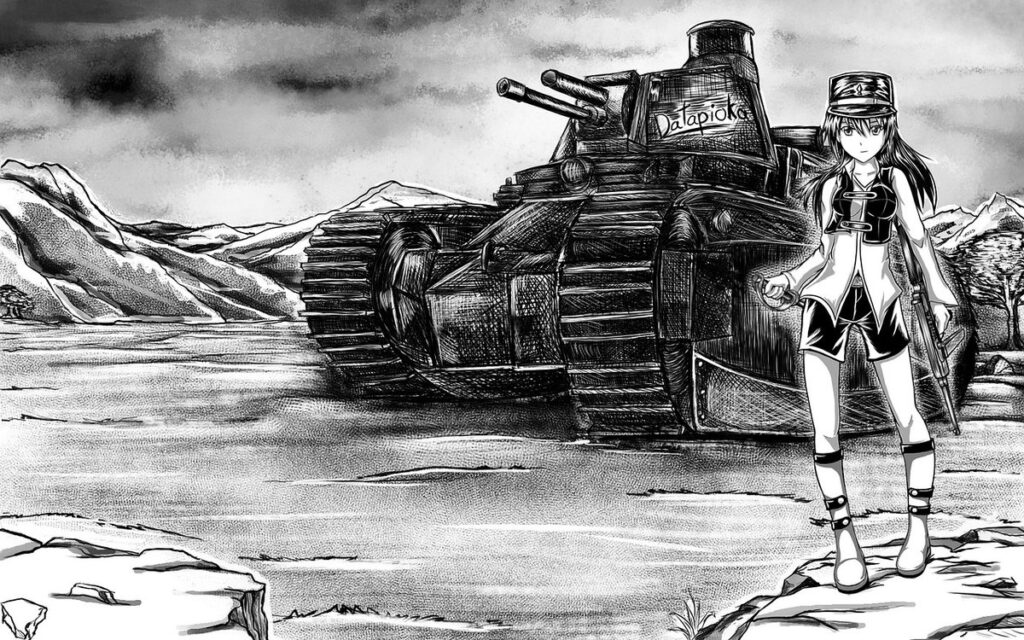
Understanding Manga Fundamentals
To draw manga, you need a solid foundation in its fundamental principles, which include understanding facial expressions, body proportions, and panel layouts. Let’s break down these key elements to get started.
What is Manga and Its History
Manga originated in Japan and has a rich history spanning centuries. The earliest forms of manga date back to the Heian period (794-1185 CE), where it was known as “emakimono,” or picture scrolls. These early works were often illustrations accompanied by poetry, telling stories about Japanese mythology and everyday life.
During the Edo period (1603-1868 CE), manga evolved into a more modern form, with the introduction of woodblock prints. This led to the creation of ukiyo-e, a style of art that emphasized bold lines, vivid colors, and dynamic compositions. Ukiyo-e was instrumental in shaping the look and feel of modern manga.
The post-World War II era saw the rise of modern manga as we know it today. Artists like Osamu Tezuka pioneered new styles and techniques, creating iconic characters like Astro Boy and Kimba the White Lion. Tezuka’s emphasis on storytelling, character development, and detailed artwork set a new standard for the medium.
Understanding the history and evolution of manga is essential to mastering its unique style and aesthetics. By studying the works of pioneers like Tezuka, you can gain insight into the key elements that make manga so distinctive.
Key Elements of Manga Art
Character design is a fundamental aspect of manga art, as it brings depth and personality to each character. When designing characters, consider their age, occupation, and personality traits to inform their physical appearance. For example, a young adult might have a more energetic and dynamic pose, while an older character might be depicted with a more relaxed and contemplative stance.
Facial expressions play a crucial role in conveying emotions and moods in manga. To create nuanced facial expressions, focus on the subtle differences between emotions, such as the shape of the eyebrows or the curvature of the mouth. A slight raised eyebrow can convey surprise, while a tilted head can indicate curiosity.
Body language is equally important in manga art, as it provides context to the character’s actions and emotions. Consider how characters move their bodies, including their posture, gestures, and facial expressions, to create a consistent visual narrative. For instance, a confident character might be depicted with an assertive stride, while a nervous character might fidget with their hands.
When drawing manga, remember that the key elements of art are interconnected – a well-designed character should have a cohesive body language, facial expression, and overall aesthetic. By paying attention to these details, you can create engaging and believable characters in your manga art.
Mastering the Basics of Manga Drawing
To draw manga, you need a solid foundation in the basics, including understanding facial expressions and body proportions. We’ll break down the essential techniques to get you started.
Tools and Materials Needed
To begin drawing manga, you’ll need a few essential tools and materials. Start with a set of graphite pencils (HB, 2B, 4B, 6B) for sketching and shading. Erasers like kneaded erasers or white vinegar erasers help correct mistakes without damaging the paper. Invest in a good-quality eraser sharpener to keep your erasers clean and effective.
Choose a suitable paper type – look for papers labeled as “sketch” or “mixed media.” These have a smooth surface that allows for even pencil strokes and can handle multiple layers of correction fluid, ink, or markers. The weight of the paper is also important; 80-100 gsm is a good starting point.
You’ll also need a sharpener for your pencils, as well as an HB pencil sharpener to keep your erasers clean. A small cutting mat and a ruler will come in handy when working on larger pages or creating detailed backgrounds. Invest in a good-quality sharpener that can handle multiple pencil sizes and keeps your workspace organized.
Consider investing in a set of colored pencils or markers for adding color to your artwork, but start with the basics before experimenting with more advanced tools.
Basic Shapes and Proportions
When drawing manga, it’s essential to start with basic shapes and proportions. Begin by breaking down the body into simple forms: spheres for the head, cylinder for the torso, and rectangles for the arms and legs. This will help you achieve a more realistic and balanced physique.
In manga art, proportions are often exaggerated for aesthetic purposes. To draw manga-style characters, focus on the following key areas:
- Heads are typically 1-2 times larger than they would be in real life.
- Torso is narrower and more elongated.
- Legs are longer and more slender.
- Hands and feet are often smaller.
The golden ratio (φ = 1.618) is also crucial in manga art. This mathematical constant can help you achieve a sense of balance and harmony in your drawings. To apply the golden ratio, divide your character’s face into sections using this proportion: eyes at φ, nose at φ/2, mouth at φ/3. This will help create a visually appealing and balanced composition.
Remember to adjust these proportions according to the style you’re aiming for – some manga styles are more dramatic or extreme in their proportions than others. Practice drawing different characters with varying proportions to develop your skills and find what works best for you.
Line Art Techniques
Manga artists often rely on a range of line art techniques to convey mood and atmosphere. Hatching involves drawing parallel lines following the contours of an object, creating depth and texture through varying line weights. Cross-hatching achieves similar effects by layering hatched lines at different angles, with the direction of each layer contributing to the overall visual weight.
Stippling is a technique where tiny dots are arranged in patterns to create detailed images or textures. It’s particularly useful for depicting small details like fabric folds or facial features. When executed carefully, stippling can produce rich, nuanced shades that add depth and dimensionality to your artwork.
To practice hatching and cross-hatching, try using a range of line weights and varying the direction of your strokes. For stippling, start with simple exercises like creating uniform patterns of dots before moving on to more complex subjects. Consider experimenting with different tools, such as pencils or markers, to discover which work best for these techniques.
Keep in mind that mastering these line art techniques takes time and patience. With consistent practice, however, you’ll be able to effectively convey a wide range of moods and atmospheres through your manga artwork.
Developing Your Manga Style
Developing a unique manga style is all about experimentation and practice, where you can explore different techniques to bring your artwork to life. You’ll learn how to develop your artistic voice in this crucial step of the process.
Understanding Character Design
Character design is a crucial aspect of manga creation. A well-designed character can make or break a story’s engagement and emotional resonance with readers. In manga, characters are often more than just visual representations; they embody the plot’s themes, tone, and message.
When creating unique and memorable characters, consider their personality traits, habits, and quirks. For instance, a laid-back character might have relaxed body language, while an energetic one would be depicted with dynamic poses. Think about their background story and how it influences their motivations, mannerisms, and speech patterns.
To avoid clichés, study various character archetypes and adapt them to your own narrative. Experiment with different facial structures, hairstyles, and clothing styles to create distinct visual identities. Remember that manga characters often have exaggerated features for emphasis, so don’t be afraid to exaggerate or distort realistic proportions for dramatic effect.
In terms of practical application, try sketching a character’s silhouette first, then gradually add more details. This process can help you distill the essence of their design and ensure it aligns with your story’s tone and themes.
Facial Expressions and Emotions
Conveying emotions through facial expressions is a crucial aspect of manga drawing. It requires an understanding of how to depict subtle changes in mood and personality. Start by studying the basics of human facial anatomy, including the placement of facial features such as eyes, nose, and mouth.
When drawing a character‘s face, pay attention to the curvature of the eyebrows, the shape of the eyes, and the position of the mouth. These elements can significantly impact how readers interpret the character’s emotions. For example, raised eyebrows can convey surprise or excitement, while downturned corners of the mouth can indicate sadness or disappointment.
In addition to facial expressions, consider using body language to add depth to your characters’ emotional states. Posture, hand placement, and even clothing can provide subtle clues about a character’s personality and mood. For instance, a slumped posture might suggest lethargy or defeat, while an open and confident stance could convey determination or courage.
When drawing complex emotions, break them down into smaller components, such as the eyes, eyebrows, and mouth. Practice drawing different facial expressions to develop your skills and experiment with varying degrees of subtlety.
Backgrounds and Environment
When drawing backgrounds and environments for your manga, remember that they should enhance the story and atmosphere. This means avoiding detailed, realistic settings that might distract from the characters. Instead, focus on creating a mood or ambiance through subtle hints. For example, a misty forest can evoke a sense of mystery and foreboding.
To achieve this, consider using abstract shapes and soft lines to suggest buildings, trees, and other landscape features. Think of the background as a visual echo of the characters’ emotions or situation. A cityscape with towering skyscrapers might contrast with a character’s feeling of isolation, while a serene mountain range could reflect their peaceful nature.
Use negative space effectively by leaving areas blank or using subtle texture to imply depth. For instance, a cloudy sky can create a sense of distance and atmosphere without needing intricate details. Avoid over-accessorizing the environment with too many objects or patterns, as this can clutter the page. By striking the right balance between suggestion and detail, you’ll create backgrounds that enrich your story’s emotional impact.
Advanced Manga Techniques
Now that you’ve mastered the basics, it’s time to take your manga skills to the next level by learning advanced techniques for dynamic poses and expressive facial expressions.
Inking and Shading
When it comes to advanced manga techniques, inking and shading are crucial elements that can elevate your artwork from amateur to professional. Professional manga artists use a range of tools and software to achieve smooth, even lines and rich textures.
One key technique is the use of digital brushes in drawing software such as Clip Studio Paint or Adobe Photoshop. These brushes mimic traditional media like ink or watercolor, allowing for expressive lines and subtle shading effects. For example, you can use a brush with a soft tip to create delicate, hair-like details on characters’ faces.
Another technique is layering: by separating your inks into different layers, you can easily adjust the opacity, color, or texture of individual elements without affecting the rest of the artwork. This allows for complex scenes and nuanced shading effects that add depth and visual interest.
In terms of specific software tools, many digital drawing programs offer dedicated inking and shading features, such as customizable brushes, ink simulation modes, and automatic line-width adjustments. Experimenting with these features can help you achieve professional-grade results and develop a unique manga style.
Perspective and Composition
When creating a scene in manga, perspective and composition are crucial elements for drawing the viewer’s eye through the panel. You can use linear perspective to create depth by using converging lines to suggest distance. For example, a long road might appear as a vanishing point on the horizon, making it recede into the background.
Composition also plays a vital role in guiding the reader’s attention. A well-balanced composition will distribute visual weight across the panel, creating a sense of harmony and stability. To achieve this, balance contrasting elements such as large and small shapes, light and dark areas, or busy and empty spaces.
Avoid cluttering your panels with too many details; instead, focus on capturing the essence of the scene through selective placement of key elements. The rule of thirds can be a useful tool in composition – imagine dividing your panel into thirds both horizontally and vertically to create nine equal parts. Place important features along these lines or at their intersections for more dynamic compositions.
A good example of effective use of perspective and composition is found in the work of classic manga artists like Osamu Tezuka, who employed innovative techniques to create a sense of depth on two-dimensional pages.
Digital Tools for Manga Creation
Digital tools have revolutionized the manga creation process, offering a wide range of software and applications to aid artists. One popular choice is Clip Studio Paint, which provides a suite of features including tonal mapping, texture simulation, and animation tools. This software is particularly useful for creating detailed backgrounds and intricate designs.
Adobe Photoshop also has a significant following among manga artists, with its extensive library of brushes and customizable workspaces. However, it can be overwhelming to navigate, especially for beginners. Other options include Manga Studio, which offers a more streamlined interface, and Krita, a free and open-source alternative that’s gaining popularity.
When choosing digital tools, consider your specific needs as an artist. Do you want to focus on coloring or inking? Are you looking for software with animation capabilities? Understanding the benefits and limitations of each tool will help you make informed decisions about which one best suits your workflow. For example, Clip Studio Paint excels at handling complex textures but can be slow on older computers.
Practice and Improvement
As you continue to hone your manga drawing skills, it’s essential to practice regularly and make intentional adjustments to improve. This process will help refine your technique and style.
Building Your Skillset
To continuously improve your manga drawing skills, it’s essential to establish a regular practice routine and seek feedback from others. Set aside dedicated time each week to draw, focusing on specific areas such as character design or facial expressions. This consistent effort will help you develop muscle memory and refine your techniques.
Joining online communities, forums, or social media groups can connect you with fellow manga artists who share their experiences and provide valuable insights. Attend workshops, conventions, or drawing sessions where you can learn from professionals and receive constructive feedback on your work. Be open to criticism and use it as an opportunity to grow and improve.
Learning from others is also a crucial aspect of building your skillset. Study the works of established manga artists, analyzing their composition, line art, and shading techniques. Identify what specifically appeals to you about their style and try incorporating those elements into your own work. By embracing constructive feedback and learning from both successes and failures, you’ll accelerate your progress as a manga artist and develop a unique visual identity.
Common Mistakes and How to Avoid Them
As you continue to practice and improve your manga drawing skills, it’s essential to be aware of common mistakes beginners often make. One error is neglecting proper proportions. In manga, facial features are typically exaggerated for emphasis, but this can quickly become distorted if not done carefully. To avoid this, study reference images and measure the relationships between facial features using a ruler or grid.
Another mistake is overusing digital tools too early in your process. While software like Adobe Photoshop can be incredibly useful for editing and refining your work, relying on it too heavily can hinder your traditional drawing skills. Instead, focus on building your foundational skills with pencils and paper before incorporating technology.
Inconsistent line weights are also a common issue, particularly when transitioning between different scenes or characters. To achieve cohesive art, establish a consistent line weight early in the process and stick to it. Practice varying line weights intentionally to create visual interest and depth.
Staying Inspired and Motivated
As you continue working on your manga project, it’s normal for creative spark to dwindle and motivation to wane. A common pitfall is getting stuck in a rut, unable to break through to the next level of skill or inspiration. To stay motivated, set achievable milestones for yourself and celebrate each small victory along the way. Break down larger goals into manageable tasks to maintain momentum.
For instance, if you’re working on a long-form manga series, identify specific chapters or story arcs as targets for completion. This will help you track progress and provide a sense of accomplishment when finished. Regularly review your work-in-progress to assess what’s working well and what areas need improvement. Be honest with yourself – acknowledge setbacks and don’t be afraid to seek outside input.
Maintaining a consistent drawing schedule is also crucial. Allocate dedicated time for creation, free from distractions or interruptions. Consider joining a community of fellow manga artists to share experiences, receive feedback, and stay motivated by others’ enthusiasm. Lastly, don’t be too hard on yourself when faced with creative plateaus – it’s normal to experience them. Take breaks, recharge your batteries, and come back to your work refreshed, ready to tackle new challenges.
Frequently Asked Questions
Can I use digital drawing tools to create manga that looks like traditional hand-drawn art?
Yes. With the right software and techniques, you can achieve a traditional look with digital tools. Look for programs that offer customizable brushes and textures, such as Clip Studio Paint or Adobe Photoshop.
How do I balance practice with creating actual stories and characters in my manga?
It’s essential to strike a balance between honing your skills and telling engaging stories. Allocate time for both practice exercises and working on actual projects. This will help you develop your style while also building your storytelling skills.
What if I’m not good at drawing backgrounds or environments? Can I still create a compelling manga story?
While it’s true that backgrounds can be challenging, they’re not essential to telling a great story. Focus on developing strong characters and plotlines, and don’t be afraid to reuse or modify existing background elements to save time.
How do I know when my inking and shading techniques are good enough for publication? What are the common mistakes to avoid?
A good rule of thumb is to practice inking and shading regularly until you feel confident with your skills. Common mistakes include inconsistent lineweights, overuse of stippling, or neglecting to balance light and dark areas.
Can I use manga-style art for non-fiction or educational content? If so, how do I adapt my style to convey complex information?
Yes, you can use manga-style art for non-fiction and educational content. To adapt your style, focus on clear typography, concise text placement, and using visual elements that support the narrative without overwhelming the reader.