
Bullet journals have become an essential tool for many of us to stay organized, but they can also be a canvas for self-expression. Beyond just writing down tasks and appointments, you can use your bullet journal as a space to showcase your creativity through doodles. Advanced designs and visually appealing spreads are not limited to experienced artists – anyone can learn the basics and experiment with different styles.
A simple squiggle or a more intricate design can add visual interest to even the most mundane spreads, making it easier to flip through your journal and find what you need. Themed collections can also be a fun way to incorporate doodles into your bullet journal, from seasonal spreads to hobby-themed layouts. In this article, we’ll explore various techniques for creating bullet journal doodles, from basic to advanced designs, so you can learn how to enhance your spreads with visual appeal and unique flair.
Understanding the Basics of Bullet Journaling
Let’s start with the basics: what is a bullet journal, and how can you use it as a canvas for creative doodles. We’ll explore its fundamental principles first.
What is a Bullet Journal?
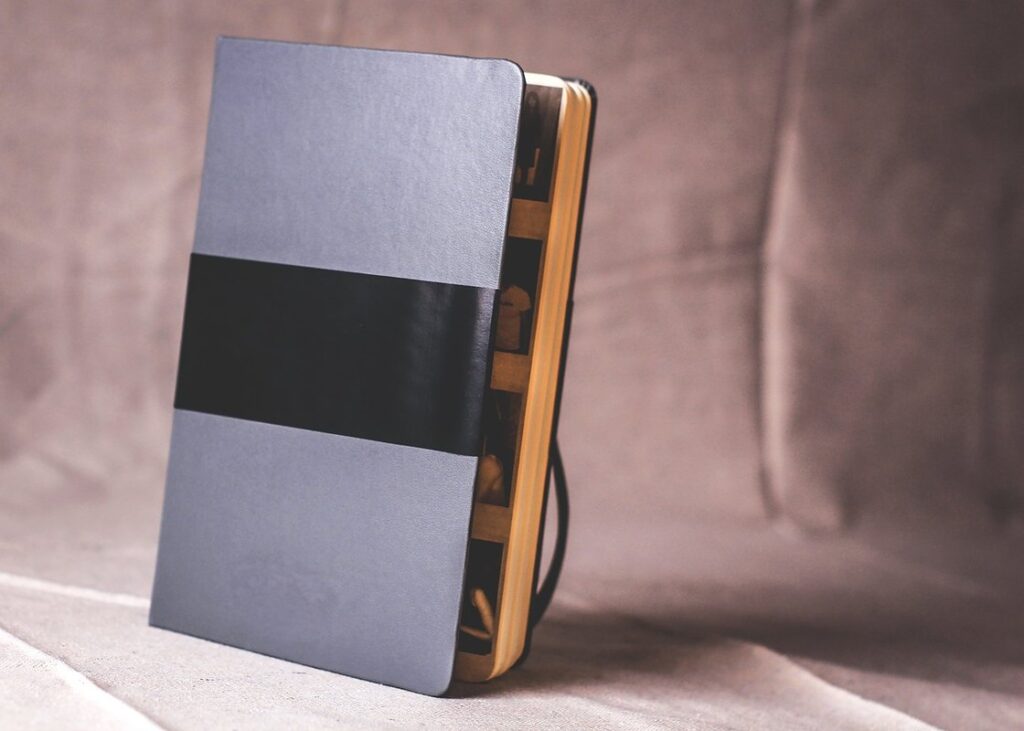
A bullet journal is a customizable and flexible note-taking system created by Ryder Carroll. It’s designed to be a tool for organizing your tasks, appointments, and thoughts in a visually pleasing way. At its core, a bullet journal is a notebook where you record your daily tasks, events, and notes using a unique method of symbols and abbreviations.
The system consists of several key components: an index, which helps you quickly locate specific spreads; a future log, which provides a monthly overview of upcoming events; a migration note, which tracks the movement of tasks from one day to the next; and collections, which are dedicated pages for tracking specific information, such as habits or moods. These components work together to help you stay organized and focused.
In practice, bullet journaling is often used as a way to declutter your digital life by recording important information in a physical notebook. This can be especially helpful for those who prefer tactile note-taking or struggle with digital organization tools.
Key Components of a Bullet Journal
A traditional bullet journal is comprised of several essential elements. The index, often located on the first page of the journal, serves as a directory to quickly locate specific spreads and collections. This index should be regularly updated as new pages are added.
The key is another critical component, typically found on the first few pages. It’s a customized list of symbols, abbreviations, or shorthand used throughout the journal. For instance, a bullet might represent an event, while a triangle denotes a task that requires attention. A unique and personal key can help streamline note-taking and make the journal more efficient.
The future log is another key component, providing a broad view of upcoming events and tasks beyond the current month. It’s usually located at the back or near the beginning of the journal. This section helps users plan ahead, anticipate deadlines, and maintain a sense of organization. By incorporating these fundamental elements, you can create a functional and tailored bullet journal that meets your needs and enhances your doodling experience.
Getting Started with Doodling in Your Bullet Journal
Getting started with doodling in your bullet journal can be intimidating, but don’t worry, we’ve got you covered. We’ll walk you through setting up a doodle-friendly spread and getting creative right away.
Basic Doodling Techniques
Start by learning basic shapes, which are the building blocks of doodling. Draw a circle, a square, and a triangle using different line weights to create visual interest. Experiment with combining these shapes to form more complex forms, like flowers or clouds.
Practice simple lines: straight, curved, diagonal, and hatching. Use a ruler to draw perfectly straight lines, while curved lines can be achieved by varying the pressure on your pen. Diagonal lines add energy and movement to your doodles. Hatching involves drawing closely spaced parallel lines that follow the contours of an object.
Basic patterns include stripes, polka dots, and chevrons. Create stripes by drawing horizontal or vertical lines close together, while polka dots are formed by dots in a random or repeating pattern. Chevrons involve drawing inverted V-shapes that alternate directions. These patterns can be combined with basic shapes to add texture and depth to your doodles.
To get started with doodling, grab a pen and paper and begin experimenting with these techniques. Don’t worry about making mistakes – they’re an essential part of the learning process. With practice, you’ll become more confident in your abilities and develop your unique style.
Tips for Adding Color to Your Doodles
When it comes to adding color to your doodles, you don’t need a wide range of colors to create visual interest. In fact, sticking to three to five core colors can make your art feel more cohesive and balanced.
Start by selecting a few colored pens or pencils that complement each other in terms of hue and saturation. For example, pairing a bright pink with a deep blue and a warm yellow can create a visually appealing contrast. Consider using fine-tip markers for details and thicker tips for broader strokes.
Some popular options for adding color to your doodles include the Tombow Dual Tip Pen, Prismacolor Pencils, and Faber-Castell Pitt Artist Pens. When choosing colored pencils, look for brands that offer a range of vibrant colors with lightfast properties, ensuring that your art won’t fade over time.
Remember, it’s not just about picking any old color – think about the mood you want to create in your spread. Do you want to evoke a sense of calmness or energize your space? Choose colors accordingly and have fun experimenting with different combinations to find what works best for you.
Popular Bullet Journal Doodle Ideas
Get creative with these popular bullet journal doodle ideas, from whimsical flowers to quirky characters, that add personality to your spreads. Find inspiration for your next doodling session here!
Nature-Inspired Doodles
Nature is a treasure trove of inspiration for bullet journal doodles. Leaves, flowers, and trees are just a few examples of nature-inspired designs you can incorporate into your spreads. Consider adding texture by drawing leaves with varying depths or using a patterned marker to create the illusion of petals on a flower.
To add depth to your nature-inspired doodles, experiment with layering different elements. For instance, draw a tree trunk and then add branches in the background, allowing them to fade into the design. You can also use a fine-tip pen to draw intricate details like veins on leaves or delicate patterns on flowers.
Some popular techniques for adding texture include using a textured marker, a paintbrush with thick paint, or even a toothpick to create raised lines. When working with these tools, be mindful of bleeding and feathering, as they can affect the overall appearance of your design. To prevent smudging, use a fixative after completing your doodle.
A few simple nature-inspired doodle ideas include drawing a stylized flower arrangement, illustrating a forest scene, or creating a minimalist leaf pattern. By incorporating these elements into your bullet journal, you can add visual interest and create a more engaging spread that reflects your personality.
Whimsical Creatures and Characters
When it comes to adding whimsical creatures and characters to your bullet journal spreads, the possibilities are endless. You can draw inspiration from real-life animals like cats and dogs, or venture into the realm of fantasy beasts. For example, a majestic dragon or a mischievous imp can add a touch of magic to your layouts.
To create these illustrations, start by sketching out simple shapes and forms. Use reference images for realistic details, or let your imagination run wild with fantastical features like wings, horns, or tails. You can also experiment with different textures and patterns to give your creatures depth and dimension.
Some popular whimsical creatures to include in your bullet journal spreads are mermaids, unicorns, and phoenixes. These mythical beings evoke a sense of wonder and enchantment, making them perfect for special occasion layouts or themed collections. To make your illustrations even more engaging, consider adding background elements like clouds, flowers, or trees to create a cohesive scene.
When incorporating whimsical creatures into your bullet journal spreads, remember that the key is to have fun and be creative. Don’t worry too much about perfection – focus on capturing the essence of your subject, and experiment with different styles and techniques to find what works best for you.
Advanced Doodling Techniques for Bullet Journal Enthusiasts
Take your bullet journal doodles to the next level by learning advanced techniques that will add a new dimension of creativity and personality to your spreads. From intricate designs to clever layouts, we’ll explore it all here.
Zentangle-Inspired Patterns
Zentangle-inspired patterns are a great way to add intricate designs to your bullet journal doodles. These patterns involve creating repetitive shapes and lines to form beautiful, complex images. By breaking down a design into smaller components, you can create a visually appealing piece without feeling overwhelmed.
One of the key principles of Zentangles is repetition. This means that you’ll often see identical or very similar shapes repeated throughout the pattern. In bullet journaling, this can be achieved by using a single tool or pen to draw repeating patterns. For example, you could use a fine-tip pen to create rows of small dots or lines.
Intricate Zentangle-inspired designs can be created by combining different shapes and patterns. For instance, you might start with a series of interconnected loops, then add some smaller details like lines or dots in between. Here are a few techniques for creating intricate Zentangle-inspired patterns:
- Use a range of line weights to add depth to your design
- Experiment with different pattern combinations to create unique designs
- Pay attention to symmetry and balance when arranging your patterns
Custom Illustrations
Creating custom illustrations in your bullet journal requires a combination of artistic skill and attention to detail. To start, consider the scale of your illustration. A small border design might be more fitting for a single page, while a larger piece could span multiple spreads. Balance is key: avoid overwhelming the surrounding text with too much intricate detail.
Perspective can also greatly impact the overall look of your custom illustrations. Don’t be afraid to experiment with different angles and viewpoints – this can add visual interest and depth to your design. For example, illustrating a cityscape from directly above or at an angle can create a more dynamic feel than rendering it in strict frontal perspective.
When adding details to your illustration, remember that less is often more. Avoid cluttering the space with too many intricate patterns or textures – this can be distracting and difficult to read around. Instead, focus on key features that bring your design together, such as eyes for a character or distinctive architectural elements for a building.
Using Doodles to Enhance Your Bullet Journal Spreads
Take your bullet journal spreads to the next level by incorporating doodles that add personality and visual interest, making each page uniquely yours. Let’s explore how simple doodles can elevate your spreads.
Adding Visual Interest
Adding doodles to your bullet journal spreads can quickly become repetitive and dull if you stick to simple shapes and lines. To add visual interest, try incorporating different textures and patterns into your doodles. For example, use a textured marker or a brush pen to create a rough, hand-painted look on your doodles.
You can also use dotting tools or small stamps to add intricate details to your doodles. This adds depth and visual appeal without overwhelming the spread. Consider using different colors for each doodle or collection to differentiate between them and make the page more visually appealing.
When adding doodles, remember that less is often more. A few strategically placed doodles can be more effective than covering an entire page with doodles. Experiment with placing doodles around important information, such as headers or key dates, to draw attention to these areas.
Additionally, consider using doodles in a way that complements the overall theme of your spread. For example, if you’re tracking a workout routine, use exercise-themed doodles like running shoes or weights to add visual interest and tie in with the content.
Creating Themed Collections
A themed collection is a great way to organize and showcase your doodles in a bullet journal. You can create a spread dedicated to a specific theme, such as travel or gardening, by using related doodle elements like airplanes, maps, or flowers.
For example, if you’re planning a trip, you could include a map of the places you want to visit, along with doodles of landmarks or attractions. This visual representation will help you remember your travel plans and get excited for your upcoming adventure. You can also use different colors or patterns to represent different destinations or activities.
Another idea is to create a “Garden” spread featuring illustrations of plants, trees, and flowers. You could include doodled lists of things to plant or maintain in your garden, along with notes about your progress. This type of collection helps you keep track of your gardening tasks and enjoy the process of creating a beautiful outdoor space.
When creating themed collections, remember that the key is to focus on the theme and use it as inspiration for your doodles. Don’t be afraid to get creative and add personal touches that make your spread unique.
Conclusion: The Power of Doodles in Bullet Journaling
Now that we’ve explored various doodle techniques, let’s wrap up by discussing how incorporating doodles into your bullet journal can enhance its overall impact and personal touch.
Benefits of Doodling in Your Bullet Journal
Incorporating doodles into your bullet journal practice has numerous benefits, ranging from stress relief to creativity enhancement. One of the primary advantages is that doodling allows you to express yourself freely without worrying about perfection or artistic skill. This freedom fosters a sense of calm and relaxation, making it an excellent tool for managing stress and anxiety.
Doodling also encourages creativity, as it enables you to experiment with various styles, techniques, and themes. By embracing this creative outlet, you can inject new life into your bullet journal spreads, making them more visually appealing and engaging. Furthermore, doodles serve as a form of self-expression, allowing you to convey your thoughts, emotions, and ideas in a unique and personalized way.
To maximize the benefits of doodling in your bullet journal, try setting aside a few minutes each day or week to simply doodle without a specific goal or outcome in mind. This will help you tap into your creative potential and develop a more fluid, expressive drawing style. By embracing doodles as an integral part of your bullet journal practice, you can unlock new levels of creativity, relaxation, and self-expression.
Encouragement to Experiment with Doodles
Continuing to experiment with doodles is essential to mastering the art of bullet journaling. As you’ve been working through the basics and pushing yourself creatively, it’s natural to feel a sense of accomplishment – but don’t stop now! Doodles are an integral part of what makes your bullet journal unique, and there’s always room for growth.
Take inspiration from other doodlers online or in books; look at their techniques, color palettes, and themes. Notice how they combine different styles and subjects to create something truly original. Try incorporating new elements into your own spreads – a pattern here, a character there – and see where it takes you. Remember that mistakes are an opportunity for growth, not a source of frustration. Don’t be afraid to try a new technique or style, even if it means stepping outside your comfort zone.
Some popular methods for exploring new doodling techniques include experimenting with different tools (like brushes, markers, or colored pencils) and practicing various styles (such as Zentangle-inspired patterns or custom illustrations). The key is to keep an open mind and have fun. With each new creation, you’ll discover fresh ideas and insights that will elevate your bullet journal game. So don’t stop doodling – keep pushing those creative boundaries!
Frequently Asked Questions
Can I use digital tools to create bullet journal doodles?
Yes, many artists and bullet journalists use digital drawing apps like Procreate or Adobe Draw to create and refine their doodles before transferring them to paper. This can be especially helpful for those who struggle with traditional drawing skills.
What if my doodles are messy or uncoordinated – does that mean I’m not creative?
No, creativity is not about producing perfect art. Bullet journal doodles are meant to be expressive and personal, so don’t worry about making mistakes. Experimenting with different styles and techniques can actually help you develop your skills.
How do I incorporate my doodles into daily spreads without cluttering the space?
Consider dedicating a specific page or section of your bullet journal to doodling, or use washi tape to create a border around your doodle area. You can also rotate through different themes and styles to keep your daily spreads looking fresh.
Can I teach myself advanced doodling techniques like zentangle patterns without taking classes?
Yes, there are many online tutorials and videos that demonstrate step-by-step instructions for creating intricate zentangle-inspired patterns. Practice regularly and experiment with different materials to develop your skills.
What if my doodles start to feel repetitive or stale – how do I come up with new ideas?
Try looking at nature or art books for inspiration, or challenge yourself to create doodles using specific themes or constraints (like a limited color palette). You can also join online bullet journal communities or share your work with friends to get feedback and spark new ideas.