
Journaling is an incredibly versatile tool for self-expression and organization. With just a blank page staring back at you, it can be daunting to know where to start planning your day, tracking your habits, or recording your thoughts. Effective journal spreads are more than just pretty pages – they’re a reflection of how you manage your time, prioritize tasks, and cultivate mindfulness. A well-designed spread can boost productivity, reduce stress, and provide valuable insights into your behavior and goals. In this comprehensive guide, we’ll cover the different types of journal spreads, from daily planners to creative themes, as well as advanced techniques for designing and customizing your pages. By the end of this article, you’ll have a clear understanding of how to plan, design, and create effective journal spreads that suit your unique needs and style.
Understanding Journal Spreads
Journal spreads are a beautiful way to express your creativity, but understanding how to lay them out can be overwhelming at first. Let’s break down the basics of creating a cohesive and visually appealing journal spread.
What Are Journal Spreads?
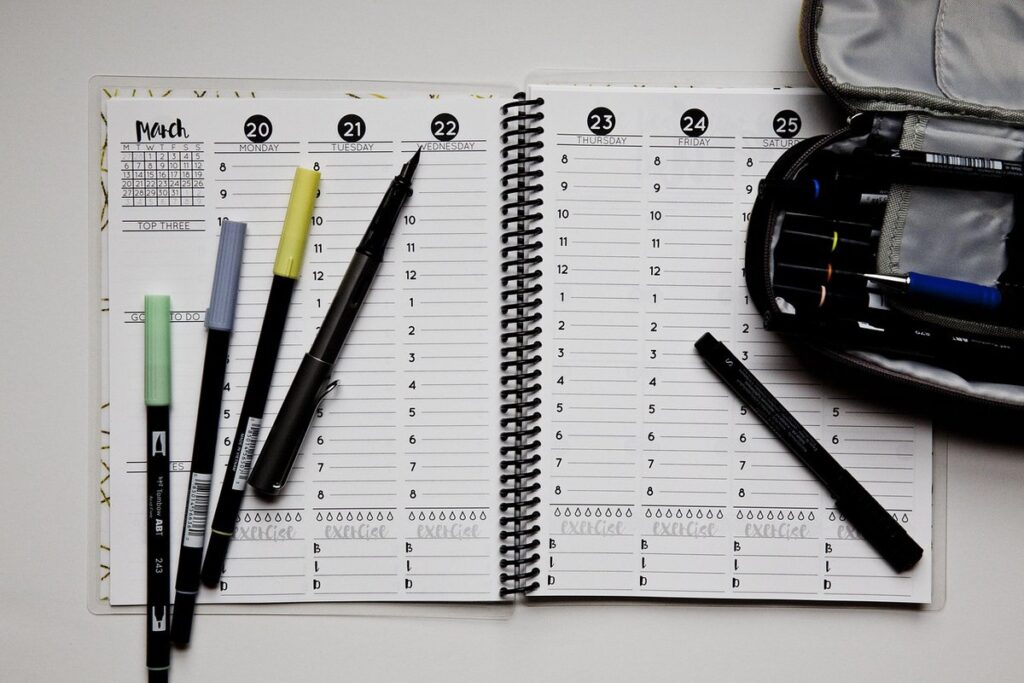
A journal spread is a two-page layout in a journal or notebook that serves as a canvas for creative expression and organization. At its core, a journal spread is an intentional arrangement of content, images, and design elements that reflects the user’s personality, goals, and intentions.
Journal spreads can be used for a variety of purposes, from daily planning and goal-setting to artistic expression and reflection. By dedicating two pages to a single theme or project, users can create a focused and immersive experience that helps them stay motivated and engaged.
The benefits of journal spreads extend beyond aesthetics; they also offer practical advantages such as improved organization, increased productivity, and enhanced creativity. By breaking down large tasks into smaller, manageable chunks, users can create a sense of accomplishment and momentum that carries over into other areas of their lives.
Effective journal spreads require a balance between content and white space, allowing the user to prioritize what’s truly important while leaving room for growth and exploration.
Types of Journal Spreads
Journal spreads come in various forms to suit different needs and preferences. One common type is the daily spread, where you record events, tasks, and thoughts for each day of the week. This layout helps you stay organized and focused on short-term goals.
A weekly spread provides a broader view of your schedule, typically covering seven days. It’s an ideal format for planning appointments, deadlines, and recurring events. Consider dividing the spread into sections for tasks, meals, or exercise to maintain a sense of structure.
Monthly spreads are often used as an overview of long-term plans and progress. They can include space for goal setting, habit tracking, or reflecting on past accomplishments. By breaking down larger goals into smaller, actionable steps, you’ll be more motivated to make consistent progress.
To give you a better idea, here are some examples:
- A daily spread might have dedicated sections for:
- Morning routines
- Task lists
- Gratitude log
- Notes or doodles
- A weekly spread could include areas for:
- Scheduling appointments
- Tracking exercise or meals
- Reviewing progress toward long-term goals
- Brainstorming ideas or solutions
Planning Your Journal Spread
Now that you’ve got a clear idea of what journal spreads are, it’s time to plan your own unique spread. Let’s start with the foundation: how to create a layout that suits your needs and style.
Choosing a Theme or Concept
When creating a journal spread, having a clear theme or concept in mind is essential. This helps guide your design decisions and ensures your spread stays focused on what’s important to you. To choose a theme that aligns with your goals and interests, start by reflecting on what you want to achieve through your journaling practice. What topics do you want to explore? What habits do you want to track?
Consider your current projects or areas of focus in your personal life. Are you working towards a specific goal, such as completing a project at work or training for a marathon? Use this as inspiration for your theme. For example, if you’re working on a creative project, your theme could be “Creative Flow” or “Project Progress.”
Brainstorming ideas can be as simple as flipping through a magazine, browsing Pinterest, or talking to friends about their current interests. You might also try freewriting or journaling prompts to generate ideas. Write down anything that sparks your interest, no matter how vague it may seem. From these starting points, you can narrow down your theme and develop a clear direction for your spread.
Selecting Colors and Materials
When selecting colors and materials for your journal spread, it’s essential to consider how they will contribute to the overall theme and aesthetic. Start by thinking about the dominant color scheme you want to use – whether it’s a bold and bright palette or a softer, more muted tone. Consider how different colors interact with each other: warm colors like orange and red can create energy and enthusiasm, while cool colors like blue and green can promote calmness and focus.
Think about the textures and patterns that will complement your color choices. For example, a smooth paper background might be paired with bold, geometric patterns to add visual interest. You could also incorporate natural materials like wood or fabric to add depth and tactility to your spread. Don’t forget to consider the embellishments you’ll use – washi tape, stickers, or die-cuts can all add a pop of color and personality.
When choosing colors and materials, remember that less is often more. A cohesive look can be achieved with just two or three main elements, rather than overwhelming the page with too many patterns and textures. Experiment with different combinations to find what works best for your theme and style.
Designing Your Journal Spread
Now that you’ve chosen a theme and gathered inspiration, it’s time to think about how to visually organize your journal spread, making each page feel cohesive and intentional.
Basic Design Principles
When designing a journal spread, it’s essential to consider basic design principles that create visually appealing and harmonious layouts. Balance is crucial: distribute elements thoughtfully to avoid overwhelming the page. Symmetry is one approach, but asymmetrical arrangements can also be effective when executed with intention.
Contrast is another key principle – juxtapose different textures, colors, or patterns to add visual interest. Use color theory to select hues that complement each other, rather than clashing. Neutral backgrounds provide a clean canvas for expressive content; reserve bold colors and busy patterns for accent elements.
Alignment helps create order: decide on a grid system or use visual cues like lines or shapes to guide your composition. Don’t forget about negative space – intentionally leave some areas blank to allow the eye to rest and focus on key elements.
White space, in particular, is vital in journal design. It allows for clear reading, prevents clutter, and enables the reader’s mind to process information more efficiently. Use it judiciously: a simple, unadorned page can be just as effective as one packed with illustrations or doodles.
Incorporating Graphics and Illustrations
Incorporating graphics and illustrations can elevate your journal spread from a simple collection of notes to a visually stunning work of art. One way to add hand-drawn elements is by using a fine-tip pen or brush to create intricate designs, patterns, or quotes. For example, you could draw a repeating pattern of flowers or leaves along the edges of your pages.
Another option is to incorporate printed art, such as stencils, stickers, or washi tape, to add visual interest and cohesion to your spread. Consider using a unifying theme or color scheme throughout your journal to tie these elements together. Digital graphics can also be used effectively in journal spreads, especially when combined with hand-drawn elements.
When working with digital graphics, choose high-resolution images that will not pixelate when printed. You can use a design software like Adobe Illustrator or Canva to create custom illustrations or edit existing ones. When combining digital and hand-drawn elements, experiment with different techniques, such as layering or using transparent backgrounds, to achieve a cohesive look.
A few key considerations for incorporating graphics and illustrations include keeping the overall design balanced, avoiding clutter, and leaving space for reflection and notes.
Tips for Creating Effective Journal Spreads
Now that you’ve learned the basics of journal spreads, it’s time to take your skills to the next level by mastering some essential tips and tricks. Let’s focus on creating visually stunning and functional spreads.
Staying Organized and Focused
When creating a journal spread, it’s easy to get sidetracked by all the possibilities and details involved. To stay organized and focused, start by prioritizing your tasks. Break down your project into manageable chunks, such as designing a layout, gathering materials, or writing content. Use a task list or a mind map to visualize your goals and deadlines.
Another key strategy is time management. Set aside dedicated blocks of time for working on your journal spread, free from distractions like social media or email notifications. Consider using the Pomodoro Technique: work in focused 25-minute increments, followed by a five-minute break. This can help you stay on track and avoid burnout.
Additionally, use your journal itself as a tool for organization and planning. Allocate space for brainstorming ideas, sketching layouts, or jotting down notes. You might also want to include a calendar spread or a task list within your journal to keep all your commitments in one place. By being intentional with your time and using your journal effectively, you can create a beautiful and functional spread that reflects your unique vision.
Overcoming Creative Blocks
When you’re stuck on a journal spread and can’t seem to get started, it’s easy to feel frustrated and defeated. This is especially true if you’re trying to create something visually appealing, but lack inspiration or ideas. To overcome these creative blocks, try changing your environment by working in a different location or at a different time of day. Sometimes, a fresh perspective can help stimulate new ideas.
Another strategy is to loosen up your requirements and allow yourself the freedom to experiment without judgment. This might mean trying out a new technique or medium, like watercolor painting or collage-making. You could also revisit past journal spreads for inspiration, looking at what worked well and how you can build upon those successes. Alternatively, try incorporating elements that have nothing to do with your current theme – this can help you tap into your subconscious mind and access ideas you may not have considered before.
Some journalers find it helpful to set a timer for a short period of time (say 10-15 minutes) and work on their spread without stopping or worrying about perfection. This can be a great way to get momentum going, even if the end result isn’t perfect.
Advanced Journal Spread Techniques
As you progress in journaling, it’s time to take your spreads to the next level by experimenting with techniques that add depth and visual interest. We’ll explore advanced methods for layering and combining elements.
Experimenting with Different Layouts
When experimenting with different layouts, journal spread artists can push the boundaries of creativity and storytelling. One way to do this is by incorporating multi-page spreads, which allow for a more immersive and dynamic experience. For example, a designer might create a two-page spread that folds out to reveal additional content or artwork.
Another technique is using fold-out designs, where pages are intentionally designed to be folded in a specific way, creating new shapes and forms when unfolded. Accordion-style layouts also offer endless possibilities for creative expression, as each panel can be designed independently while still working together to create a cohesive whole.
To achieve unique and complex journal spreads, designers should experiment with different folding techniques and paper types. Some popular options include traditional accordion folds, pop-up designs, or even 3D elements like flaps or tucks. When incorporating these advanced layouts, remember to keep the overall design balanced and visually appealing, allowing each element to contribute to a cohesive artistic statement.
Incorporating Digital Elements
When incorporating digital elements into your journal spread, you can create visually appealing and cohesive pages by combining physical and digital materials effectively. Scanned images, printed photos, or digital art can add depth and interest to your spreads.
To start, consider the type of digital element that will best enhance your theme or concept. For example, if you’re documenting a trip, scanned ticket stubs or printed postcards can be paired with handwritten memories or sketches. If you’re exploring a creative project, digital art or illustrations can complement traditional media like paint or markers.
When combining physical and digital materials, think about the color palette and texture of each element. Balance bright digital colors with muted physical elements to create visual contrast. Experiment with layering digital images over hand-drawn or painted backgrounds for added dimension.
Some key things to keep in mind when incorporating digital elements include:
- Resolution: Ensure that any printed photos are high-resolution and suitable for printing.
- Contrast: Balance the brightness of digital elements against darker, more muted physical materials.
- Texture: Mix smooth digital textures with rougher physical ones for visual interest.
Common Mistakes to Avoid in Journal Spreads
As you create your journal spreads, it’s essential to steer clear of common pitfalls that can detract from the overall aesthetic and usability. Let’s discuss some mistakes to avoid for a more polished spread.
Over-Complicating Your Design
Over-complicating your design can quickly lead to a visually overwhelming spread. When you introduce too many colors, patterns, and textures, it’s difficult for the eye to focus on any one element. This is especially true if you’re using digital tools or pre-made templates that automatically apply a variety of embellishments.
To avoid over-complicating your design, consider sticking to three to five core elements. Choose a dominant color scheme or palette and build around it. Limit yourself to two or three patterns or textures at most. This will create a cohesive look and allow the individual elements to shine through.
A simple way to simplify your design is to apply the “one-in-one-out” rule: for every new element you add, remove an old one. This forces you to evaluate what’s truly essential to the spread and cut back on extraneous details.
When working with digital tools or templates, be mindful of default settings that may automatically apply patterns, textures, or other embellishments. Turn these off unless they genuinely enhance your design. By keeping your design simple and focused, you’ll create a visually appealing journal spread that invites reflection and creativity.
Failing to Leave Space for Reflection
When designing a journal spread, it’s easy to get caught up in making it visually appealing and forget about its functional purpose. One common mistake is failing to leave space for reflection and notes. This can lead to a spread that looks nice but doesn’t serve the user effectively.
A good journal spread should strike a balance between visual appeal and functional use. To achieve this, consider dedicating a portion of each page or section to writing down thoughts, ideas, or insights. This might be as simple as leaving a blank box on each spread or designating specific sections for notes.
For example, you could create a “Brain Dump” section where you write down all your thoughts and worries without judgment. Alternatively, you could set aside space for daily or weekly reflections, where you can summarize your experiences and insights.
Remember that journal spreads are meant to be a tool for self-expression and personal growth. By leaving space for reflection and notes, you’ll create a more dynamic and flexible spread that adapts to your needs over time. Try setting aside at least 20-30% of each page or section for writing down your thoughts – this will give you the freedom to explore and express yourself without feeling constrained by the design.
Conclusion and Next Steps
Now that you’ve mastered creating beautiful journal spreads, it’s time to think about how you can take your skills to the next level. Let’s talk about where to go from here.
Recap and Takeaways
As you’ve navigated the world of journal spreads throughout this comprehensive guide, we hope you’ve gained a solid understanding of the essential design principles and planning strategies to create stunning and functional spreads. To recap, here are some key takeaways to keep in mind:
When designing your next journal spread, remember that balance is key: aim for a harmonious blend of visual elements, such as color, texture, and graphics, to create a cohesive look. Experiment with different layouts and experiment with digital elements like stickers, washi tape, or even digital brushes.
To stay organized and focused, plan out your theme or concept before diving in, and don’t be afraid to simplify your design if needed. Leave space for reflection by incorporating blank pages or minimalistic sections – it’s these moments of quiet contemplation that can bring the most depth to your spreads.
We’ve also covered advanced techniques like incorporating multiple layouts, experimenting with different colors and materials, and even using digital tools to enhance your designs. Don’t be afraid to push boundaries and try new things – after all, journal spreading is an art form meant for self-expression!
Some common mistakes to avoid include over-complicating your design or failing to leave space for reflection. To overcome creative blocks, revisit previous spreads, take breaks, or seek inspiration from other artists. And when it comes to incorporating graphics and illustrations, don’t be limited by traditional methods – explore digital art tools, hand-drawn elements, or even repurposed materials.
As you continue on your journal spreading journey, remember that practice makes perfect. Don’t be discouraged if your early attempts don’t turn out as envisioned – every spread is an opportunity to learn and grow. Keep experimenting, stay inspired, and most importantly, have fun!
Frequently Asked Questions
Can I use journal spreads for work or business planning?
Yes, you can definitely adapt the principles of journal spreads to plan and organize your work or business projects. Consider using a separate notebook or section for professional tasks, and apply similar design principles to create visually appealing and functional layouts.
How do I balance my theme with personal creativity and experimentation?
To strike a balance between following a theme and expressing your own creativity, try setting aside dedicated time for freestyle journaling. This can help you generate new ideas and maintain inspiration without compromising the overall aesthetic of your spreads.
What if I’m not artistic or crafty – can I still create visually appealing journal spreads?
Absolutely! You don’t need to be an artist to create visually appealing journal spreads. Focus on selecting inspiring colors, patterns, and embellishments that align with your theme, and use digital graphics or printed art to add visual interest without requiring extensive drawing skills.
Can I incorporate digital elements into my existing paper-based journal spread?
Yes, you can definitely combine physical and digital materials in your journal spreads. Consider using a scanner or camera to digitize handwritten notes or ephemera, then incorporating them into your design. This blend of traditional and modern elements can add depth and interest to your layouts.
How do I maintain consistency and make journaling a habit?
To maintain consistency and make journaling a regular habit, schedule dedicated time for journaling each week. Start small by committing to short sessions (10-15 minutes) and gradually increase the duration as you become more comfortable with the process. Be patient with yourself and remember that developing a consistent practice takes time.