
Are you tired of feeling stuck and overwhelmed by your writing? Do you struggle to get past the initial stages of drafting because you’re worried about perfection? You’re not alone. Many writers face this challenge, but it’s exactly this kind of thinking that can hold us back from creating our best work. The truth is, writing a first draft isn’t about producing perfect prose; it’s about harnessing your creativity and productivity to get the ideas flowing. In this article, we’ll show you how to overcome writers block and write with confidence by embracing the process of drafting without perfectionism. We’ll share practical tips on establishing a writing routine, refining your craft, and boosting your creative output – all while avoiding the pitfalls of overthinking and self-doubt.
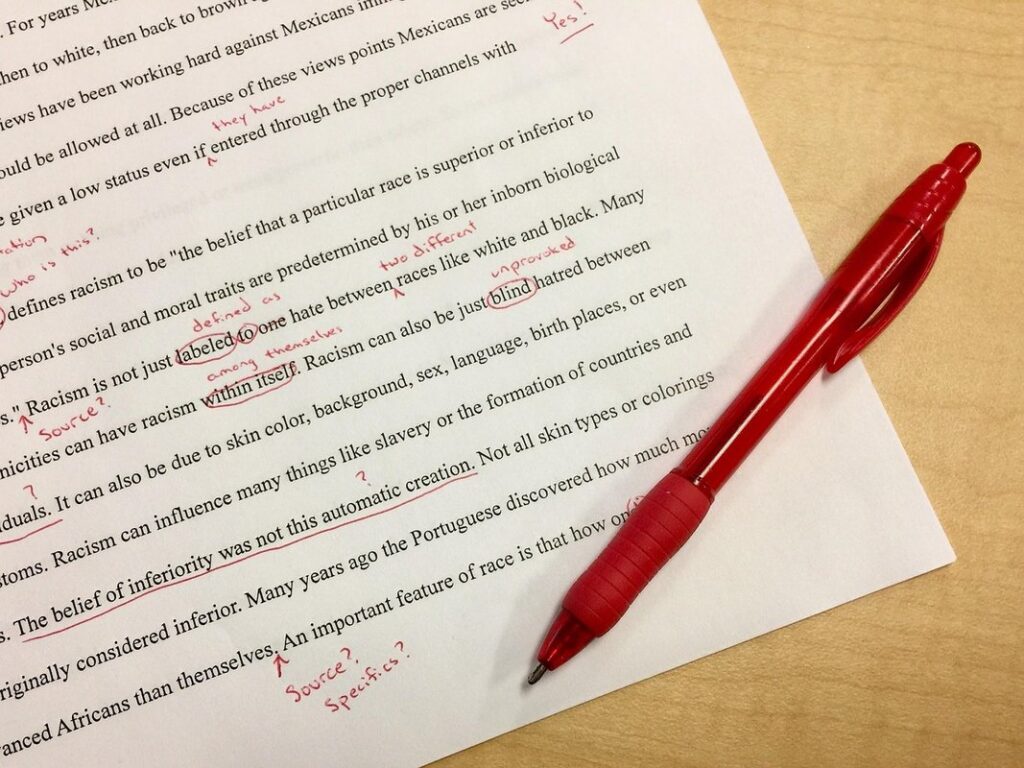
Embracing the Process of Creativity
As you embark on writing your first draft, embracing the process is crucial to unlocking your creativity and allowing your story to unfold naturally. Let’s explore how to cultivate a mindset that welcomes imperfection and uncertainty.
Letting Go of Perfectionism
Perfectionism is a common obstacle that can hinder the writing process. The desire for a perfect first draft can lead to procrastination and self-criticism. When you’re too focused on creating something flawless, you may struggle to start writing at all. This mindset can be damaging because it prevents you from making progress on your project.
The truth is, your first draft won’t be perfect. It might not even be good. But that’s okay. The goal of a first draft is to get the ideas down on paper, not to create a masterpiece. Think of it as a rough outline or a brain dump. By letting go of perfectionism, you’ll be able to write freely and make progress on your project.
To overcome perfectionism, try giving yourself permission to write poorly. Set a timer for 10-15 minutes and write without stopping or worrying about grammar or spelling. This technique is called freewriting. By doing this, you’ll loosen up and get into a flow state where ideas will start flowing freely. Remember, your first draft can always be revised later. The important thing is to take action and make progress on your project.
Understanding the Purpose of a First Draft
When you sit down to write that first draft, it’s essential to remember its primary purpose: getting ideas down on paper. This means letting go of perfection and focusing on the creative process rather than producing a polished final product.
Most writers struggle with this mindset shift, fearing that their initial thoughts won’t live up to their standards. However, this anxiety can lead to creative blocks, causing them to procrastinate or abandon the project altogether.
To overcome these obstacles, try viewing your first draft as a rough outline or a brain dump of ideas. Think of it as a foundation upon which you’ll build and refine your work later on. This mindset allows you to write freely without self-censorship, unearthing your inner voice and tapping into your creativity.
Remember, every great book, story, or poem started with an imperfect draft. Even the most renowned authors have spoken about their first drafts being riddled with errors and awkward phrasing. So don’t worry if your first draft is less than perfect – it’s not meant to be.
Developing a Writing Routine
Developing a consistent writing routine is key to making progress on your first draft, so let’s explore some strategies for creating a habit that sticks.
Creating a Writing Schedule
Creating a writing schedule is a crucial step in developing a consistent writing routine. The key to success lies in setting realistic deadlines and sticking to them. To create an effective schedule, consider your individual writing style and goals.
For instance, if you’re a morning person, allocate dedicated time for writing during the early hours of the day. On the other hand, if you’re more productive at night, schedule your writing sessions accordingly. Be realistic about how much time you can devote to writing each day or week, and set achievable targets.
When setting deadlines, consider breaking down larger tasks into smaller, manageable chunks. This will help prevent overwhelm and increase productivity. For example, instead of aiming to write 10,000 words in a single sitting, break it down into daily or weekly word count goals.
A well-planned schedule also enables you to allocate time for research, editing, and revisions – essential steps in the writing process. Sticking to your schedule means meeting deadlines, staying motivated, and making consistent progress on your writing projects.
Establishing a Conducive Writing Environment
Creating a dedicated writing space that fosters productivity is crucial for producing high-quality first drafts. Start by assessing your current environment and identifying areas that hinder your focus. Consider noise levels: some people thrive in quiet spaces, while others prefer background chatter or white noise. Invest in noise-cancelling headphones or find a peaceful spot away from distractions.
Ergonomics also play a significant role in maintaining productivity. Ensure your writing desk is at a comfortable height, and your chair provides adequate support for long sessions. Proper lighting can make a substantial difference; natural light is ideal, but if that’s not possible, invest in a good desk lamp. A clutter-free space helps maintain focus; designate a specific area for paperwork and keep it organized.
Consider the layout of your writing space: a dedicated area with minimal distractions will help you stay focused on your first draft. Add plants or artwork to create a visually appealing environment that sparks creativity. Finally, establish a routine by setting aside a specific time each day for writing, and stick to it – consistency is key in developing a productive writing habit.
Overcoming Writer’s Block
Writer’s block can be a major obstacle when it comes to completing your first draft, but don’t worry – we’ve got some practical tips to help you power through.
Identifying Common Causes of Writer’s Block
Writer’s block is an inevitable companion for many writers. When you’re struggling to start or continue writing, it can be overwhelming and frustrating. Let’s examine some common causes of writer’s block that hinder even the most seasoned writers from producing their best work.
One major cause is a lack of inspiration. Sometimes, our minds are simply dry, and we struggle to come up with new ideas. It helps to brainstorm regularly and stay open to new sources of inspiration. For instance, taking long walks or engaging in other creative activities can stimulate your imagination and get those creative juices flowing again.
Another culprit is fear of failure. We often worry that our work won’t be good enough or that we’ll make mistakes. But the truth is, your first draft isn’t meant to be perfect. In fact, it’s better if you don’t edit too much at this stage, as it can stifle creativity and slow down the writing process.
Lastly, self-doubt is a significant obstacle for many writers. To overcome this, remind yourself that everyone faces writer’s block at some point. It’s normal to feel uncertain or insecure about your abilities. Focus on the task at hand – writing your first draft – rather than getting bogged down by doubts and fears.
To combat these obstacles, try setting realistic goals and deadlines for yourself. Break your project into smaller tasks, and tackle one step at a time. This will help you stay focused and motivated, even when inspiration is scarce.
Techniques for Breaking Through Writer’s Block
When you’re stuck on writing your first draft, it’s easy to get frustrated and feel like you’re not making progress. But writer’s block is a common phenomenon that can happen to even the most experienced writers. The good news is that there are techniques you can use to break through and keep moving forward.
One technique is freewriting, where you write whatever comes to mind without stopping or editing. This helps loosen up your writing muscles and gets your creative juices flowing again. Try setting a timer for 10-15 minutes and writing as much as you can during that time. Don’t worry about grammar, spelling, or coherence – just let the words flow.
Another technique is changing scenery. Sometimes, a change of environment can be just what you need to get out of your rut. Try writing in a different location, such as a coffee shop, park, or library. Even a quick walk around the block can help clear your head and stimulate new ideas.
If you’re still stuck, consider seeking accountability from a writing group. Joining a writing community can provide support, motivation, and valuable feedback to keep you moving forward.
The Importance of Revision and Editing
Now that you’ve written your first draft, let’s explore why taking it a step further is crucial for producing a polished piece of writing.
Understanding the Difference Between Revision and Editing
When you finally finish writing that first draft, it’s easy to feel like you’re done. But in reality, this is only the beginning of a crucial process: revising and editing. While often used interchangeably, revision and editing are distinct steps that serve different purposes.
Revision is about changing the content – adding new ideas, removing unnecessary sections, or reorganizing the structure. It’s like rearranging furniture in your living room to create a more functional space. You’re not just dusting off the existing pieces; you’re considering whether they belong there at all. Think of revision as “what” needs changing.
Editing, on the other hand, is about refining the form – correcting grammar and punctuation, clarifying sentence structure, and ensuring consistency in style. It’s like polishing a piece of furniture to make it shine. You’re not rethinking its purpose; you’re just making sure it looks great as is. Think of editing as “how” something is presented.
Both steps are essential, as they help transform your draft into a polished, publishable work.
Strategies for Effective Revision and Editing
When it’s time to revise and edit your first draft, many writers feel like they’re staring at a blank page. But don’t worry – the key is to approach this process with intention and strategy.
One effective technique for revision is to take regular breaks from your manuscript. This allows you to clear your mind and come back to your work with fresh eyes, spotting errors or inconsistencies that may have flown under the radar before. You can try working on a draft for 20-30 minutes, then taking a 10-15 minute break before diving in again.
Getting feedback from others is also crucial. Ask trusted friends or writing groups to review your work and provide constructive criticism. Not only will this help you identify areas that need improvement, but it will also give you valuable insights into how readers respond to different elements of your story.
Technology can be a great ally when it comes to editing – tools like grammar and spell checkers can streamline the process and save you time.
Managing Time and Productivity
Now that you’ve got a draft down, let’s talk about how to manage your time effectively so you can stay focused on the writing process. This includes strategies for prioritizing tasks and avoiding distractions.
Prioritizing Tasks and Setting Deadlines
When you’re working on writing your first draft, it’s easy to get overwhelmed by the sheer amount of content you need to create. However, prioritizing tasks and setting realistic deadlines is crucial to staying focused and avoiding burnout.
To start, break down larger projects into manageable chunks. Instead of thinking “I need to write a 10,000-word book,” try breaking it down into smaller goals like completing one chapter per week or writing 500 words per day. This will make the task feel less daunting and more achievable.
Prioritize your tasks based on importance and deadlines. Ask yourself which chapters or sections are most critical to the story’s progression and allocate your time accordingly. Use a planner, calendar, or app to schedule specific writing sessions and set realistic deadlines for each chunk of work. For example, if you want to finish a chapter in three days, block out dedicated time for writing and stick to it.
By breaking down larger projects into smaller tasks and setting realistic deadlines, you’ll be able to make steady progress on your first draft without feeling overwhelmed. Remember, the goal is to get something written, not perfection.
Avoiding Distractions and Staying Focused
When writing your first draft, it’s essential to minimize distractions and stay focused on the task at hand. One effective strategy is to use website blockers like Freedom or SelfControl that temporarily block social media, email, or other distracting websites during your writing sessions.
You can also set boundaries with others by communicating your writing schedule and goals. Let friends and family know when you’re most productive, and ask them to respect your time during those hours. This will help you avoid interruptions and stay on track.
Developing a pre-writing routine is another crucial aspect of staying focused. This could be as simple as making a cup of coffee, going for a short walk, or doing some light stretching exercises. The key is to create a consistent ritual that signals to your brain that it’s time to write. By establishing a pre-writing routine, you’ll be able to quiet the mental chatter and dive straight into writing without procrastination.
Additionally, try incorporating tasks like journaling or brainstorming into your pre-writing routine to help clear your mind and generate ideas.
The Benefits of Writing Your First Draft
Writing your first draft can be a game-changer for your writing process, and today we’re going to explore why that is. Let’s dive into the benefits you’ll experience when you start writing without overthinking it.
Building Momentum and Confidence
Writing your first draft can be a liberating experience, and it’s not just about producing a piece of writing – it’s also about building momentum and confidence in your abilities. As you start putting words on paper, you’ll begin to feel a sense of accomplishment and growth with each passing day. This is because writing a first draft requires you to take the first step towards realizing your ideas, and that initial push can be incredibly empowering.
As you continue to write and refine your work, you’ll notice that your motivation and confidence grow exponentially. You’ll start to believe in yourself and your abilities, and this newfound self-assurance will carry over into other areas of your life. For instance, if you’re working on a novel, writing your first draft can give you the courage to tackle complex characters and plot twists, whereas before, you might have hesitated.
The momentum and confidence gained from completing your first draft can also translate to improved performance in future projects. With each subsequent draft, you’ll refine your skills, develop your unique voice, and produce work that truly reflects your artistic vision.
The Value of Learning from Mistakes
Mistakes are an inevitable part of the first draft process. However, they can be valuable learning experiences that help refine a writer’s craft and produce better work in the future. When we write our first draft, we often have to navigate unfamiliar territory, make creative decisions, and push ourselves beyond our comfort zones. These risks can lead to mistakes, but it’s precisely these errors that allow us to learn and grow as writers.
By embracing our mistakes and using them as opportunities for growth, we can develop a more nuanced understanding of our writing style and what works best for us. For instance, if you struggle with plot structure, your first draft may not have a clear beginning, middle, or end. Instead of getting frustrated with this mistake, use it as an opportunity to research different narrative structures and techniques that might work better for you.
By reflecting on our mistakes and adjusting our approach accordingly, we can refine our writing skills and produce more polished, engaging work over time. This process may seem daunting at first, but it’s a crucial part of the writing journey.
Frequently Asked Questions
How can I prioritize my writing tasks to stay focused on completing a first draft?
Prioritizing your writing tasks is crucial when working towards a first draft. Start by breaking down your project into manageable chunks, and focus on making progress rather than perfection. Allocate specific time slots for writing, researching, and revising, and stick to these schedules as much as possible.
What if I’m still struggling with writer’s block despite following the tips provided?
If you’re still experiencing writer’s block after trying various techniques, it may be helpful to revisit your project goals and ask yourself what’s causing the block. Identify the root cause – is it perfectionism, fear of failure, or something else? Once you’ve pinpointed the issue, try reframing your approach or seeking support from a writing community.
How can I balance my creative input with editing and revising?
Balancing creativity with editing and revising requires a delicate approach. While it’s essential to let go of perfectionism during the drafting stage, it’s equally crucial to refine your work later on. Allocate time for each phase and maintain a clear distinction between them – focus on creating content first, then revisit and revise.
Can I apply these techniques to non-fiction writing as well?
Yes, these techniques can be applied to various forms of writing, including non-fiction. The key takeaway is that the drafting process should prioritize creativity and productivity over perfectionism, allowing you to make significant progress before refining your work.
What’s the difference between a first draft and a final draft?
A first draft is an initial version of your work, often raw and imperfect, but providing the foundation for further refinement. A final draft, on the other hand, represents the polished and edited version of your writing, ready for publication or sharing.