
Speculative fiction has long been a platform for exploring complex social issues and artistic expression, captivating audiences with its thought-provoking narratives and imaginative worlds. From science fiction’s futuristic landscapes to fantasy’s magical realms, this genre has evolved over time, influencing literature, film, and popular culture in profound ways. As a reflection of our collective anxieties, hopes, and fears, speculative fiction serves as a unique lens through which we can examine the human condition. By examining its history, sub-genres, and impact on society, you’ll gain a deeper understanding of how this genre has been used to comment on pressing issues like technology, power, and identity. This article will delve into the world of speculative fiction, exploring its roots, evolution, and influence on modern culture, allowing you to analyze its significance as a powerful tool for social commentary and artistic expression by the end of it.
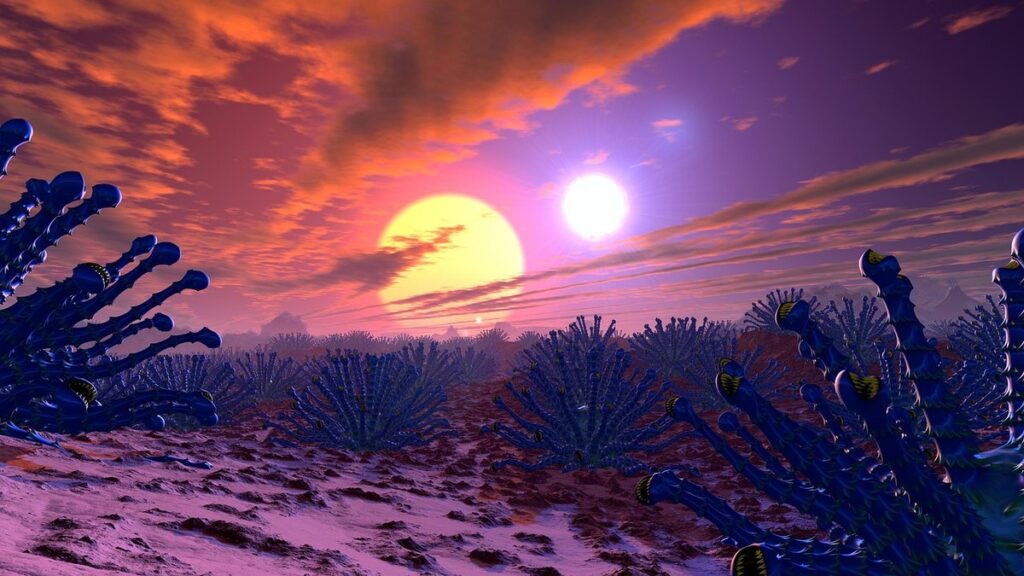
What is Speculative Fiction?
Speculative fiction is a broad term that encompasses a wide range of genres, including science fiction, fantasy, and horror. Let’s start by exploring its core concepts and defining characteristics.
Defining the Genre
Speculative fiction has evolved significantly over time, branching out into various sub-genres that reflect changing societal values and technological advancements. One of the earliest forms of speculative fiction is science fiction, which emerged in the 19th century with authors like Jules Verne and H.G. Wells writing about futuristic societies and advanced technologies. As the genre grew, it began to incorporate elements from mythology and folklore, giving rise to fantasy.
Today, speculative fiction encompasses a wide range of sub-genres, including horror, utopian/dystopian literature, and alternate history. Each sub-genre has its own distinct characteristics, but they all share a common thread – exploring the unknown, the possible, and the impossible. Key characteristics that define speculative fiction include a focus on “what if” scenarios, exploration of complex social issues, and often, a departure from the norm.
Some notable examples of speculative fiction sub-genres include:
- Science fiction: Examining the impact of science and technology on society.
- Fantasy: Exploring magical worlds, mythical creatures, and legendary events.
- Horror: Delving into the darker aspects of human nature and the supernatural.
Key Elements of Speculative Fiction
Speculative fiction often explores complex ideas through its core elements. At the heart of these stories are alternate realities, where the fabric of space and time is altered, allowing authors to examine hypothetical scenarios. Advanced technologies also play a significant role, enabling writers to explore the consequences of scientific breakthroughs or societal shifts. Magical systems, both internal and external, add another layer of depth, as they can be used to explain supernatural events or to serve as metaphors for real-world issues.
In addition to these elements, philosophical themes are essential in speculative fiction. They allow authors to probe fundamental questions about existence, morality, and human nature. For instance, the concept of a multiverse raises questions about free will versus determinism, while stories featuring artificial intelligence prompt discussions on the ethics of creation and control. By combining these core elements, speculative fiction writers can create rich, immersive worlds that reflect and comment on our own reality.
Speculative fiction’s exploration of complex ideas often serves as social commentary, encouraging readers to think critically about their world.
History of Speculative Fiction
Speculative fiction has a rich and fascinating history, tracing its roots back to ancient myths and legends that explored the unknown. Let’s take a journey through time to uncover its evolution over the centuries.
Ancient Roots of Speculative Fiction
Speculative fiction has deep roots in ancient mythology, folklore, and fairy tales from cultures around the world. In Greek myths, for example, we find stories of fantastical creatures like the Minotaur and Medusa, which embodied supernatural powers and challenged human understanding. Similarly, Norse sagas from Scandinavian cultures spoke of gods and goddesses with extraordinary abilities, influencing the natural world.
In Hindu mythology, the Mahabharata features magical beings and divine interventions that shape the fate of mortals. These ancient stories not only entertained but also served as cautionary tales and explanations for natural phenomena. They often explored complex moral themes, such as the consequences of human actions and the nature of good and evil.
The presence of these fantastical elements in ancient mythology highlights the long history of speculative fiction. It demonstrates that humans have always been drawn to exploring what lies beyond the boundaries of their everyday experience. By examining these early examples, we can gain a deeper understanding of how speculation has evolved over time, influencing the development of various genres and sub-genres within speculative fiction today.
Evolution Through Literature and Media
Speculative fiction has undergone significant transformations over time, driven by advancements in technology and shifts in societal values. One of the earliest pioneers of science fiction was H.G. Wells, whose novels like “The Time Machine” and “The War of the Worlds” not only predicted future technological developments but also critiqued contemporary social issues.
Early science fiction films such as Fritz Lang’s “Metropolis” (1927) further solidified the genre’s presence in media. These works often served as cautionary tales, warning audiences about the dangers of unchecked industrialization and technological progress. The emergence of pulp magazines like Amazing Stories and Astounding Science Fiction in the early 20th century also played a crucial role in popularizing speculative fiction.
The advent of television and film in the mid-20th century marked another significant milestone for the genre, with classics like “2001: A Space Odyssey” (1968) and “Blade Runner” (1982) pushing the boundaries of science fiction. These works often explored complex themes such as humanity’s relationship with technology and the consequences of scientific advancements.
Sub-Genres and Hybridization
As we venture deeper into the realm of speculative fiction, it’s time to explore the fascinating world of sub-genres and hybrids, where boundaries blend and new ideas emerge. From cyberpunk to science fantasy, discover how these combinations shape the genre.
Science Fiction
Science fiction often explores the unknown, venturing into realms where humanity’s presence is minimal. Core concepts like space exploration and time travel allow authors to comment on contemporary issues within a futuristic framework. Isaac Asimov and Arthur C. Clarke are notable figures who have shaped the genre with their thought-provoking works.
Asimov’s Robot series and Clarke’s 2001: A Space Odyssey demonstrate how science fiction can address complex scientific concepts in an accessible manner. Similarly, influential films like Star Wars and Blade Runner have become cultural touchstones, illustrating the power of science fiction to captivate audiences and spark imagination.
When exploring this sub-genre, readers may encounter various themes, such as the consequences of advanced technology or the ethics of interstellar travel. Science fiction also frequently incorporates speculative elements like alternate realities and artificial intelligence, adding depth to its narratives. By engaging with these concepts, science fiction authors can create immersive worlds that challenge readers’ perceptions and inspire new ideas about humanity’s place in the universe.
Some notable examples of influential works include Asimov’s Foundation series, Clarke’s Childhood’s End, and Stanislaw Lem’s Solaris. These stories have not only contributed to the development of science fiction but also continue to influence contemporary authors and creators.
Fantasy and Its Sub-Genres
Fantasy is one of the most popular sub-genres within speculative fiction, characterized by its use of magical or supernatural elements to create a unique and often immersive world. At its core, fantasy involves the creation of a fictional universe with its own rules and logic, which can be based on mythology, folklore, or entirely new concepts.
There are several notable forms of fantasy, including epic fantasy, urban fantasy, and dark fantasy. Epic fantasy typically features sprawling world-building and complex storylines, as seen in J.R.R. Tolkien’s “The Lord of the Rings” series. Urban fantasy, on the other hand, combines fantastical elements with modern-day settings, often in a city or metropolitan environment, as exemplified by Jim Butcher’s “The Dresden Files.” Dark fantasy explores the darker aspects of human nature and the world, often incorporating horror elements, as seen in Joe Abercrombie’s “The First Law” trilogy.
Some key characteristics of fantasy include the presence of magical systems, mythical creatures, and alternate realities. Notable authors within this genre include C.S. Lewis, Neil Gaiman, and Patrick Rothfuss, each contributing to the rich tapestry of fantasy literature with their unique styles and world-building approaches.
Influence on Other Art Forms
Speculative fiction has a profound impact on other art forms, inspiring new works of music, visual art, and even film. Let’s examine how this genre influences the creative landscape beyond its own pages.
Speculative Fiction in Film and Television
Speculative fiction has had a profound influence on film and television, shaping the way we tell stories and explore complex ideas. Iconic movies like Stanley Kubrick’s 2001: A Space Odyssey (1968) and more recent releases such as Her (2013) have pushed the boundaries of what is possible in science fiction storytelling. Similarly, TV series like Star Trek have captivated audiences for decades with their blend of exploration, adventure, and social commentary.
The advent of new technologies has further transformed speculative fiction on screen. CGI (Computer-Generated Imagery) has enabled creators to bring elaborate worlds and creatures to life, as seen in the Lord of the Rings trilogy. This increased visual fidelity has allowed filmmakers to experiment with more complex narratives and characters, expanding the genre’s creative possibilities.
To effectively incorporate speculative fiction elements into your own film or TV projects, consider how you can use these technologies to advance the plot, deepen character motivations, or comment on current issues. For instance, using CGI to depict an eerie future landscape can help illustrate the consequences of human actions, while also engaging viewers’ imagination and emotional investment.
Speculative Fiction in Music and Visual Arts
Speculative fiction has long been a catalyst for creative expression in music and visual arts. Album covers like Pink Floyd’s The Dark Side of the Moon are iconic examples of how speculative concepts can inspire art. The cover features a prism-like design that represents the fragmented nature of human experience, echoing themes found in science fiction.
Concept albums, which tell a cohesive narrative through multiple songs, also owe a debt to speculative fiction. Bands like Yes and Rush have released concept albums that explore fantastical worlds and futuristic societies. These works demonstrate how music can be used as a medium for world-building and storytelling.
In visual arts, speculative fiction has influenced various movements, including cyberpunk-inspired art. Artists like Syd Mead and H.R. Giger have created futuristic landscapes and machinery that evoke the dystopian atmospheres found in science fiction. Their work not only reflects but also shapes the aesthetic of speculative fiction in popular culture.
Writing Speculative Fiction
Writing speculative fiction requires a unique blend of creativity and critical thinking, where you get to explore the what-ifs of our world and beyond. Let’s dive into some essential tips for crafting compelling stories that transport readers to new dimensions.
Tips for Beginners
When building a world for speculative fiction, start small. Don’t try to create an entire ecosystem on day one. Begin with a single location, like a character’s home or a key setting, and gradually expand outward. This approach helps prevent overwhelming yourself with details.
Character development is also crucial in speculative fiction. Give your characters unique motivations that drive their actions within the world you’ve created. This can include personal goals, moral dilemmas, or relationships that complicate their choices. Think about how external circumstances – like social norms, economic pressures, or scientific discoveries – might impact their decisions.
A clear plot structure is vital to keeping readers engaged. Consider using the three-act structure as a starting point: setup, confrontation, and resolution. You can modify this framework to suit your story’s needs, but it provides a solid foundation for building tension and conflict. When crafting your plot, remember that world-building and character development are integral components of speculative fiction. Integrate these elements thoughtfully, and you’ll be well on your way to creating a compelling narrative.
Advanced Techniques for Experienced Writers
When writing speculative fiction, experienced writers often strive to push the boundaries of their craft. One advanced technique is exploring complex themes that challenge readers’ assumptions and spark meaningful discussions. This can be achieved by incorporating nuanced moral ambiguity, where characters’ motivations and actions are multifaceted and open to interpretation.
For instance, consider a story set in a world where a catastrophic event has led to a strict caste system. A writer might delve into the psychological effects of living under oppressive rule, rather than simply depicting revolution or rebellion as the only solution. By doing so, they create a richer narrative that encourages readers to question their own values and biases.
To create nuanced characters, writers can experiment with non-linear storytelling, where past experiences and memories influence present actions. This can be achieved through techniques like stream-of-consciousness narration, fragmented timelines, or even unconventional narrative structures such as epistolary formats. By adopting these methods, experienced writers can craft complex, relatable characters that readers can empathize with on a deeper level.
Impact on Society
Speculative fiction often explores complex social issues, providing commentary and critique of our world’s politics, culture, and values. How does it shape our perceptions of society and encourage us to think critically about the future?
Speculative Fiction as Social Commentary
Speculative fiction often serves as a platform for social commentary, allowing authors to critique and reflect on contemporary issues. Works like 1984 by George Orwell and The Handmaid’s Tale by Margaret Atwood have become cultural touchstones for their exploration of technology’s impact on society and social inequality, respectively.
These stories not only entertain but also challenge readers’ perspectives, encouraging them to think critically about the world around them. For instance, environmentalism is a common theme in speculative fiction, as seen in films like The Day After Tomorrow, which depicts the devastating consequences of climate change. By dramatizing these issues, authors can reach a wider audience and spark important discussions.
When reading speculative fiction for its social commentary, consider what underlying themes or messages resonate with you. Pay attention to how the author uses fictional settings to critique real-world problems. Note, too, whether the story offers any potential solutions or alternatives. By engaging with these aspects of speculative fiction, readers can gain a deeper understanding of the issues and perhaps even develop more informed opinions about them. This reflection can also inspire personal growth and encourage empathy for others affected by similar challenges.
Speculative Fiction in Education and Research
Speculative fiction has become an increasingly valuable tool in educational settings. Teachers are using science fiction and fantasy stories to teach critical thinking and scientific literacy by presenting complex concepts in a more engaging and accessible way. For instance, educators can use classic works like Frank Herbert’s Dune or Ursula K. Le Guin’s The Word for World is Forest to explore ecological issues and the impact of human actions on the environment.
In research fields such as sociology, anthropology, and environmental studies, speculative fiction is being applied in a more nuanced way. Scholars are analyzing speculative narratives as case studies for real-world social phenomena, using them to better understand complex systems and relationships. Researchers have also begun exploring how speculative fiction can be used as a tool for scenario planning and forecasting potential future outcomes.
Academic programs are now incorporating speculative fiction into their curricula, recognizing its potential to enhance critical thinking and analytical skills. Students are being encouraged to engage with speculative narratives in a more active way, analyzing the ways in which they reflect or challenge existing power structures and social norms. By doing so, educators can foster a deeper understanding of the complexities that underlie our world and encourage students to think creatively about potential solutions.
Conclusion
As we come to the end of our exploration, let’s summarize what we’ve learned and reflect on the key takeaways from this journey into speculative fiction. This final thought will provide a fitting conclusion to our discussion.
Recap and Future Directions
As we conclude our exploration of speculative fiction’s vast expanse, it’s essential to recap the key takeaways and consider future directions for this dynamic genre. Throughout this article, we’ve highlighted the unique characteristics that define speculative fiction, from its ancient roots to its modern-day manifestations.
We examined how various sub-genres, such as science fiction and fantasy, have evolved over time, incorporating elements like technological advancements, social commentary, and hybridization with other art forms. For instance, the rise of cyberpunk in the 1980s reflected concerns about technology’s impact on society, while the proliferation of urban fantasy in recent years has explored issues related to diversity and representation.
Looking ahead, emerging trends suggest a continued blurring of boundaries between sub-genres. The increasing popularity of space opera, for example, combines elements of science fiction and epic fantasy, reflecting our growing fascination with the cosmos and its potential for human exploration. Additionally, the rise of virtual reality (VR) technology is poised to revolutionize the speculative fiction landscape by enabling immersive experiences that merge storytelling with interactive gameplay.
New sub-genres are also on the horizon, such as cli-fi (climate fiction), which explores the consequences of climate change through narrative. This trend is likely driven by our growing awareness of environmental issues and the need for innovative storytelling approaches to address these concerns. As speculative fiction continues to evolve, it’s essential for writers, readers, and creators to stay attuned to emerging trends and technological advancements that will shape the genre’s future. By doing so, we can tap into the full potential of this imaginative realm, exploring new ideas, themes, and possibilities that reflect our ever-changing world.
Frequently Asked Questions
Can I apply speculative fiction concepts to my own life?
Yes, the genre’s exploration of complex ideas and social commentary can be applied to real-world issues. Speculative fiction often serves as a thought experiment, allowing readers to consider potential outcomes of current trends and technologies.
How do I get started writing my own speculative fiction story?
Begin by developing your world-building skills, including creating a rich history, culture, and mythology for your story’s setting. This will help you establish the rules and constraints that govern your narrative. Consider starting with short stories or flash fiction to hone your craft.
Can speculative fiction be a tool for social change, or is it just entertainment?
Speculative fiction has long been used as a platform for social commentary and critique. Authors like George Orwell (1984) and Margaret Atwood (The Handmaid’s Tale) have used the genre to explore issues of politics, power, and social inequality. By engaging with these works, readers can gain new insights into current events and potential futures.
How do I navigate the different sub-genres within speculative fiction?
Start by exploring the core elements that define each sub-genre, such as science fiction’s focus on advanced technologies or fantasy’s emphasis on magical systems. Consider reading a mix of classic and contemporary works across multiple sub-genres to develop your understanding of their unique characteristics.
Can I use speculative fiction as a way to explore complex scientific concepts in an accessible way?
Yes, the genre has been used for centuries to explain scientific ideas and technological advancements through storytelling. Authors like Jules Verne (Twenty Thousand Leagues Under the Sea) and Arthur C. Clarke (2001: A Space Odyssey) have helped popularize scientific concepts and spark public interest in STEM fields.