
The waltz: a classic dance that evokes images of elegant ballrooms, swooning couples, and romantic moonlit nights. But have you ever found yourself standing at the edge of the dance floor, wondering which song to choose for your next waltz? Selecting the right music can make all the difference in creating a magical experience for both you and your partner. Not only does it set the tone for the dance, but it also helps to convey the emotion and mood of the moment. In this guide, we’ll take a closer look at the basics of waltz music, provide expert advice on song selection, and share some advanced techniques to help you create unforgettable waltz experiences. By the end of this article, you’ll be well-equipped to choose the perfect songs for your next waltz dance.
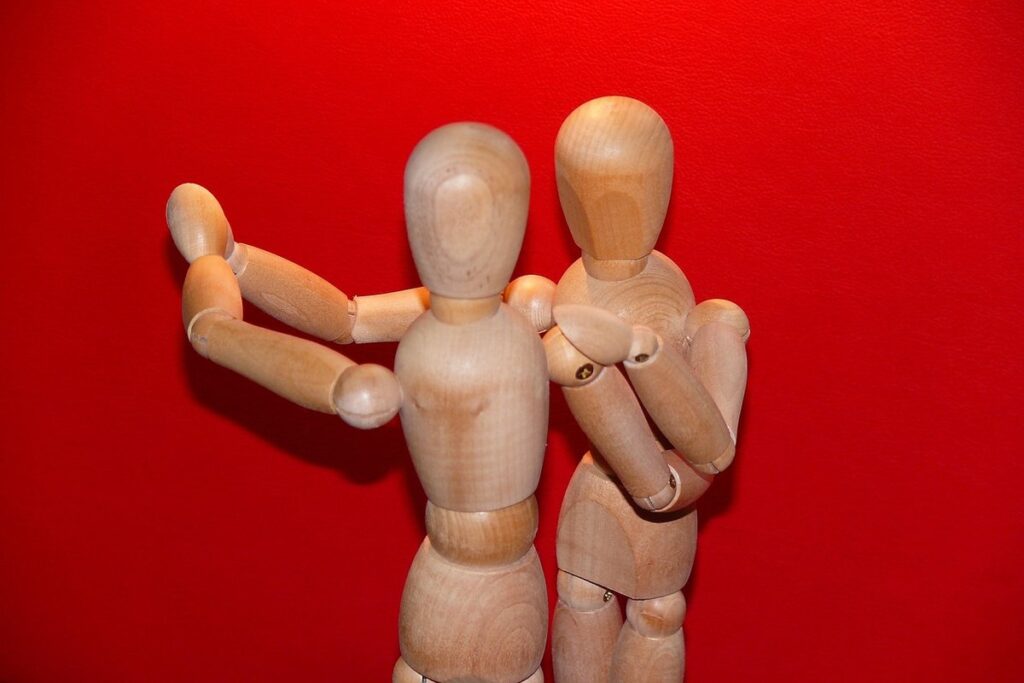
Understanding Waltz Basics
Understanding the basics of waltz is crucial for any dancer, as it provides a solid foundation to build upon and improve your technique. Let’s break down the essential elements that make up this classic ballroom dance style.
What is a Waltz?
A waltz is a classic ballroom dance characterized by its rise and fall movement, smooth turns, and elegant posture. It originated in Europe in the late 18th century as a folk dance, later becoming popularized at royal courts and eventually spreading to become one of the five standard ballroom dances.
In terms of tempo, the waltz typically falls within the range of 28-30 measures per minute (MPM). This moderate pace allows for a smooth, gliding movement between partners. The rhythm of the waltz is characterized by a strong emphasis on the first beat of each measure, creating a distinctive “one-two-three” pattern.
One of the defining features of the waltz is its rise and fall movement, which creates a sense of lift and weight transfer between the leader and follower. This movement requires a high level of balance, poise, and communication between partners to execute smoothly.
When choosing music for a waltz dance, it’s essential to consider the tempo and rhythm to ensure a harmonious match between the dance and the melody. A well-crafted waltz song should complement the dance’s elegant and refined nature, creating a magical experience for both the dancers and the audience.
Types of Waltzes: Ballroom and Social
When it comes to waltzing, there are two primary styles: ballroom and social. Understanding these differences is crucial for dancers, as each style has its own set of rules and etiquette guidelines.
Ballroom waltz, also known as standard or formal waltz, is typically danced in a counterclockwise direction around the dance floor. It’s characterized by a rise and fall movement, where the leader (traditionally the man) guides the follower (the woman) through a series of eight-count steps. Ballroom waltz follows a strict tempo range of 28-30 measures per minute (MPM) and adheres to precise posture and frame guidelines.
Social waltz, on the other hand, is often danced in a more relaxed environment, such as at social gatherings or community dance events. While it shares some similarities with ballroom waltz, social waltz tends to be less formal, allowing for more freedom of movement and interpretation. Social waltz may vary in tempo, but typically falls within the 24-28 MPM range.
To navigate these styles successfully, dancers should be aware of the specific rules and etiquette associated with each. For instance, ballroom waltz requires a clear lead-follow relationship, while social waltz encourages partners to connect on a more personal level.
Waltz Music Tempo and Time Signature
A waltz’s tempo range is typically 28-30 measures per minute, which can vary depending on the specific style and era of music. The most common time signature for a waltz is 3/4, with a strong emphasis on the first beat of each measure. This creates a distinct rhythm that gives the dance its characteristic swaying or rising-and-falling motion.
To understand how tempo impacts your dance performance, consider this: if you’re dancing to a fast-paced waltz at 30 measures per minute, you’ll need to move quickly and smoothly to maintain the correct timing and rhythm. Conversely, a slower waltz tempo will require more control and precision in your movements.
In terms of meter, the 3/4 time signature is divided into three beats: one strong beat followed by two weaker ones. This creates an unmistakable “ONE-two-three” or “ONE-two-THREE” pattern that’s essential to mastering the waltz. To practice this, try tapping your foot on the first beat and swaying gently to the second and third beats as you listen to a waltz song with a clear 3/4 meter.
Classic Waltz Songs for Every Occasion
Whether you’re a seasoned dancer or just starting out, we’ve got you covered with our curated list of timeless waltz songs perfect for any occasion.
From romantic evenings to wedding celebrations, these classic tunes will set the tone for a magical dance experience.
Traditional Ballroom Waltzes
When it comes to traditional ballroom waltzes, certain songs have become iconic and timeless. One such example is the waltz from “Swan Lake” by Pyotr Ilyich Tchaikovsky. This piece has been a staple in ballet repertoire for centuries and has also gained popularity on the dance floor.
Another classic choice is the waltz “Blue Danube” by Johann Strauss II, which was originally composed as an orchestral work. Its beauty and elegance have made it a favorite among ballroom dancers. You’ll often hear this song played at formal events such as weddings and black-tie galas.
Other notable traditional ballroom waltzes include the “Tales from the Vienna Woods” by Johann Strauss II and “The Skaters’ Waltz” by Emile Waldteufel. These pieces are not only beautiful to listen to but also provide a sense of nostalgia and romance that is perfect for formal events or special occasions.
For dancers, it’s essential to familiarize yourself with these classic waltzes, as they will be played frequently in competitions, performances, and social dances. By learning the rhythm and structure of these traditional ballroom waltzes, you’ll be able to improve your technique and enjoy the music more fully.
Romantic and Modern Waltzes
For romantic occasions, consider the enchanting “Clair de Lune” by Claude Debussy, arranged as a waltz. Its dreamy, evocative quality creates an intimate atmosphere perfect for slow dances. Another option is the beautiful “River Flows in You,” a contemporary piece that exudes calmness and serenity. For modern performances, you might enjoy the modern waltz arrangements of traditional pieces like Chopin’s “Nocturne” or Mozart’s “Piano Concerto No. 23.” These unique twists on classic melodies can add a touch of sophistication to your dance.
In terms of contemporary composers, consider works by Ludovico Einaudi or Max Richter, who often create beautiful, minimalist waltzes that are perfect for modern performances. Their music often features subtle nuances and delicate piano work that creates an otherworldly atmosphere. When selecting a romantic waltz piece, remember to choose one with a tempo range of 28-40 beats per minute (BPM), allowing for a gentle, flowing pace.
Some specific criteria to consider when choosing a romantic or modern waltz include:
- Tempo: 28-40 BPM
- Style: Dreamy, evocative, or minimalist
- Mood: Intimate, calm, or serene
Waltz Songs for the Social Dance Floor
Waltz songs from musicals and films are perfect for social dance events because they’re catchy and easy to follow. One such example is “Do-Re-Mi” from The Sound of Music, which has a memorable melody that’s hard to resist dancing to. Another classic is “I Won’t Dance” from the film Stage Door Canteen, with its lively tempo and infectious rhythm.
For those who prefer more modern options, consider songs like “Beauty and the Beast” or “A Dream is a Wish Your Heart Makes.” These Disney classics are not only enjoyable for listeners but also provide a clear structure that’s easy to follow. They’re perfect for beginners or experienced dancers alike. When choosing waltz songs for social dance events, remember to select those with a tempo between 24-28 beats per minute (BPM) and a strong emphasis on the first beat of each measure.
Consider the following characteristics when selecting waltz songs:
- Tempo: Between 24-28 BPM
- Rhythm: Strong emphasis on the first beat
- Melody: Catchy and easy to follow
Some popular options for social dance events include “Seems Like Old Times,” “The Blue Danube Waltz,” and “Dance with Me.”
Tips for Choosing the Perfect Waltz Song
Choosing a waltz song that perfectly complements your dance style and partners’ preferences is crucial. Let’s explore some essential tips to ensure you pick the perfect tune for your next waltz session.
Key Considerations: Tempo, Style, and Mood
When selecting a waltz song, tempo is a critical factor to consider. The typical tempo range for traditional ballroom waltzes is between 28 and 30 measures per minute (MPM), while social waltzes can be faster or slower, often between 24 and 32 MPM. A tempo that’s too fast can overwhelm the dancer, while one that’s too slow may make the dance feel sluggish.
Style is another essential consideration. Ballroom waltzes typically have a more formal, elegant sound, whereas social waltzes are often more lively and upbeat. If you’re dancing in a ballroom setting, choose a song with a classic, refined style to match the atmosphere. For social dances or casual events, a more energetic and playful tune will likely suit the mood.
The mood of the song is also crucial. Does it evoke feelings of romance, joy, or nostalgia? Match the mood of the music to your dance goals and preferences. For example, if you want to create a romantic atmosphere for a wedding waltz, choose a song with a soothing, sentimental melody. In contrast, a lively social waltz might feature a catchy, upbeat tune that encourages dancing and celebration.
Consider these key factors when selecting the perfect waltz song: tempo, style, and mood.
Waltz Song Structure and Form
Waltz music often follows traditional song structures that can enhance the overall dancing experience. One common structure found in waltz music is binary form, where two distinct sections are repeated. This format allows for a clear contrast between different themes or moods, making it easier for dancers to follow and respond to the music.
Another common structure is ternary form, which consists of three main sections: an introduction, a development section, and a return to the introduction. Ternary form can create a sense of drama and tension by building towards a climax before resolving back to the original theme.
A less common but still effective structure in waltz music is rondo form. This involves a recurring theme (often referred to as an “episode”) that alternates with contrasting sections. Rondo form can add variety and interest to a dance, as well as create opportunities for improvisation and expression.
When dancing to a waltz with a complex song structure, focus on the main themes or melodies and use them as guides for your movement. Pay attention to any recurring patterns or motifs that emerge throughout the music.
Learning to Dance the Waltz: Tips for Beginners
Mastering the waltz can be a fun and rewarding experience, but it requires practice and patience. In this next step, we’ll cover essential tips to help beginners learn the basics of this classic ballroom dance.
Basic Waltz Steps and Footwork
To master the waltz, you need to understand its basic steps and footwork. Start by standing with your feet together, weight evenly distributed between both feet. Keep your posture straight, engaging your core muscles to maintain balance. Your alignment is crucial: imagine a straight line from the top of your head to your heels.
Beginners often struggle with transferring their weight from one foot to the other. To do this smoothly, focus on pushing off the ground with the back foot while bringing the front foot forward. Practice marching in place to develop this movement. Keep your knees slightly bent and your arms relaxed by your sides.
Your movement should be smooth and fluid. Imagine you’re gliding across the floor rather than walking. Try practicing the basic waltz step: side-step, close, side-step, close. Focus on the rise and fall of your body as you move, keeping your weight light on your feet. With practice, this will become second nature, allowing you to focus on enjoying the music and dance experience.
For a more visual understanding, watch videos of waltz dancers or take a class with an experienced instructor. Practice regularly to develop muscle memory and confidence in your movement.
Practice Tips and Common Mistakes
When practicing the waltz, it’s essential to focus on slow, deliberate movements. Start by breaking down the basic steps into smaller components and practicing each one separately before putting them together. This will help you develop muscle memory and improve your overall technique.
One common mistake beginners make is rushing through the steps or trying to keep up with a fast tempo. Instead, aim for a smooth, gliding motion that allows you to maintain control throughout the dance. To practice this, try dancing to slower waltz songs and focus on feeling the music’s rhythm rather than just following the beat.
Another mistake to avoid is overemphasizing the rise and fall of your partner’s movements. In a waltz, the leader should guide their partner with gentle pressure, but not force them into specific positions. Practice leading or following by using subtle cues, such as slight changes in weight transfer or direction.
To improve your technique over time, try practicing regularly and experimenting with different tempos and song styles. Listen to a variety of waltz music and see how it affects your movements – you may find that certain songs help you feel more relaxed or energetic, which can enhance your overall performance.
Advanced Waltz Techniques: Mastering the Art of Dance
Now that you’ve mastered the basics, it’s time to elevate your waltz game with expert techniques for a more sophisticated and polished dance. We’ll explore advanced movements and tips to take your skills to the next level.
Advanced Footwork Patterns
To elevate your waltz performances, it’s essential to master advanced footwork patterns. Experienced dancers can incorporate more complex turns and steps into their routines by learning these techniques. A common advanced pattern is the “forward change” step, where you bring your opposite foot forward while maintaining contact with your partner. This adds a touch of sophistication to your waltz.
Another advanced technique is the “underarm turn,” which involves a gentle release of the frame and a smooth rotation around each other. To execute this turn successfully, focus on maintaining balance and generating momentum from your leading leg. The underarm turn creates a beautiful, fluid motion that showcases your connection with your partner.
When incorporating these patterns into your waltz, pay attention to the music’s rhythm and phrasing. Practice slowly at first, breaking down each step into smaller components before gradually increasing speed and complexity. Consider working with a qualified instructor or experienced partner who can provide personalized feedback on your technique. By mastering advanced footwork patterns, you’ll add depth and nuance to your waltz performances and leave a lasting impression on the dance floor.
Interpreting Music and Improvisation
As advanced dancers, you’ve likely developed a keen sense of musicality and can feel the rhythm of the waltz in your bones. However, interpreting music and incorporating improvisational elements into your performance takes it to the next level. To create unique and captivating choreography, focus on capturing the essence of the melody. Listen for moments where the composer has intentionally varied the rhythm or introduced new melodic motifs – these are opportunities to add flair.
Consider using the 1-2-3 count as a starting point, but then let go of strict adherence to traditional footwork patterns. Instead, allow yourself to be guided by the music’s dynamic shifts and rhythmic undulations. For example, during a particularly dramatic passage in the melody, you might choose to add an extra turn or pause for emphasis.
When improvising, remember that your movements should complement rather than overpower the music. Pay attention to the harmonic progression and let it inform your body language – rise with the crescendo, dip with the decrescendo. By embracing this dynamic interplay between music and movement, you’ll create a truly magical waltz performance that leaves a lasting impression on the audience.
Conclusion: Embarking on Your Waltz Journey
Now that you’ve mastered the art of waltzing to our favorite tunes, it’s time to wrap up your musical journey with some final thoughts and encouragement.
Recap of Key Points
To create a memorable waltz experience, it’s essential to recall the key points from our guide. When choosing a waltz song, consider tempo, style, and mood to match the atmosphere of your dance event. Traditional ballroom waltzes, romantic and modern waltzes, and social dance floor favorites can be used for various occasions.
Recall that basic waltz steps involve rising onto the balls of your feet, transferring weight from one foot to the other, and maintaining a smooth, continuous motion. Focus on proper posture, arm placement, and frame to execute these steps with confidence.
Advanced techniques include mastering complex footwork patterns, interpreting music to enhance expression, and incorporating improvisation into your dance. Practice regularly to develop muscle memory and build upon fundamental skills.
Key considerations for selecting the perfect waltz song include tempo (typically between 28-30 measures per minute), style (classical, romantic, or modern), and mood (lively, elegant, or sentimental). Familiarize yourself with common chord progressions and melodic motifs to better connect with the music. By reviewing these essential points, you’ll be well-prepared to embark on your waltz journey and create a truly magical dance experience.
Final Tips and Encouragement
As you conclude your waltz journey or continue to refine your skills, remember that every step – no matter how small – brings you closer to mastering this enchanting dance. The key to progress lies not only in technique but also in embracing the music and letting go of self-criticism. Allow yourself to fully immerse in the rhythm and let it guide your movements.
Practice with a partner who can offer constructive feedback, and don’t be afraid to make mistakes – they are an essential part of learning. Consider recording your sessions to analyze your technique and identify areas for improvement. Join a waltz community or online forum to connect with fellow dancers, share tips, and stay motivated.
Most importantly, remember why you started dancing the waltz in the first place: for the joy it brings you. Focus on enjoying the process, and the technical aspects will follow naturally. As your skills improve, so will your confidence, allowing you to fully surrender to the music and let its magic shine through in your dance.
Frequently Asked Questions
Can I use any song with a waltz tempo as the music for my dance performance?
Yes, you can experiment with using various songs that match the traditional waltz tempo range of 28-30 measures per minute. However, keep in mind that some songs may not have a strong enough rhythm or structure to support the typical waltz footwork patterns.
How do I choose between a binary and ternary form for my waltz composition?
When selecting a song structure for your waltz music, consider the mood and atmosphere you want to convey. Binary forms tend to be more straightforward and suitable for traditional ballroom waltzes, while ternary forms offer more complexity and can add depth to your composition.
Can I incorporate improvisational elements into my social dance waltz performance?
Yes, incorporating improvisation into your social dance waltz can enhance the experience for both you and your partner. However, it’s essential to communicate with your partner beforehand about your intentions and boundaries to ensure a smooth and enjoyable performance.
How do I adapt traditional ballroom waltzes for use in modern dance performances?
To adapt traditional ballroom waltzes for modern dance performances, focus on reinterpreting the melody, harmony, or rhythm to create a fresh and contemporary sound. You can also experiment with incorporating electronic elements or unconventional instruments to give your performance a unique edge.
Can I use music from films or musicals as the soundtrack for my formal ballroom waltz event?
While it’s technically possible to use film or musical scores for a formal ballroom waltz, consider the context and atmosphere you want to create. These types of music might be more suitable for social dance events or recreational performances, whereas traditional classical pieces are often preferred for formal events.