
Sketching can be intimidating for those just starting out. You might wonder where to begin or how to translate your ideas onto paper. Drawing is about more than just reproducing reality – it’s about capturing the essence and spirit of a subject. Essential sketching techniques and principles are what will set you apart from mere imitation, allowing you to express yourself through various styles and mediums. A good starting point is understanding basic tools like pencils, erasers, and paper types. From there, you can explore more advanced techniques and develop your own unique voice. This comprehensive guide will walk you through the essential concepts and principles that every beginner should know to improve their drawing skills. By the end of this article, you’ll be equipped with the knowledge to start sketching confidently and creatively.
Understanding the Basics of Sketching
Let’s get started on the foundation of sketching, where you’ll learn the essential concepts that will help you create confident and expressive sketches from day one. Basic drawing principles are covered first.
What is Sketching and Its Importance
Sketching is a fundamental skill that encompasses various forms of visual expression. It involves creating two-dimensional representations of three-dimensional objects, scenes, and ideas using different materials and techniques. The significance of sketching lies in its versatility as both an artistic medium and a tool for design and communication.
As a form of self-expression, sketching allows individuals to convey their thoughts and emotions through visual means. By putting pencil to paper, you can tap into your creativity and explore various styles and techniques. This freedom to experiment is particularly beneficial for beginners, who can use sketching as an outlet for expression while learning the fundamentals.
In terms of idea generation and communication, sketching plays a crucial role in design, architecture, and engineering. It enables professionals to convey complex ideas and concepts in a concise and visually appealing manner. For art students and enthusiasts, sketching is essential for developing observation skills, understanding composition principles, and mastering various techniques. By incorporating sketching into your creative routine, you can unlock new ways of thinking and communicating through art.
Basic Tools and Materials Needed
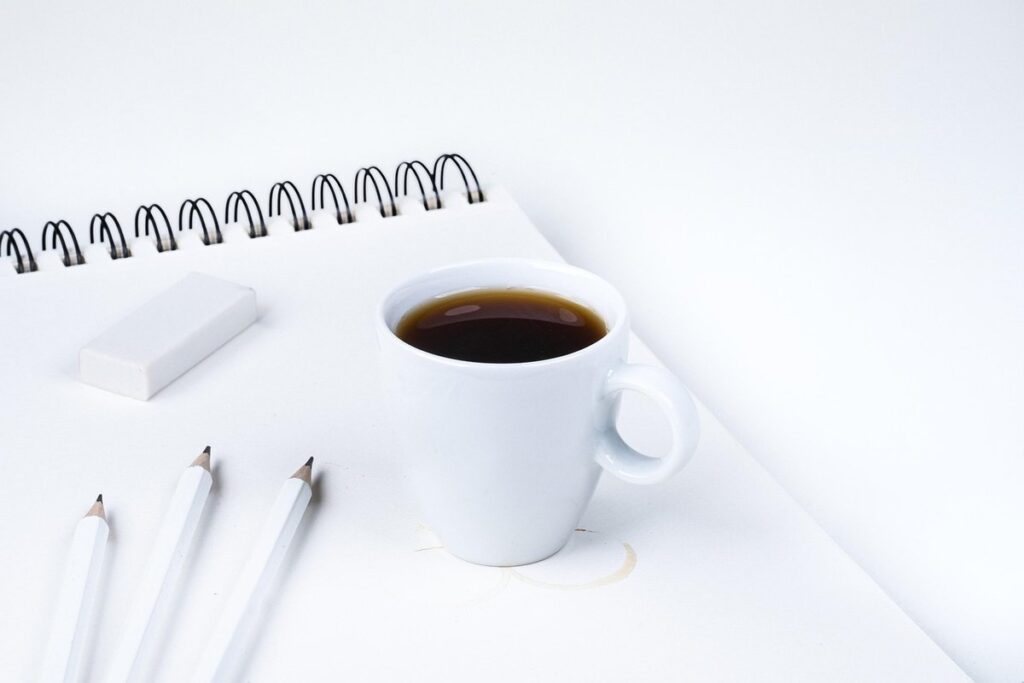
A good sketcher starts with a solid foundation of basic tools and materials. You’ll need a few essential drawing aids to get started. First and foremost, you’ll want a set of graphite pencils ranging from 6B (very dark) to 9H (very light). These will allow you to create a wide range of values and tonal shifts.
In addition to pencils, invest in a good eraser – either a kneaded eraser or a white vinegar eraser. The kneaded eraser is versatile and can be molded into various shapes for precise correction, while the white vinegar eraser is ideal for removing stubborn pencil marks without smudging the surrounding area.
For paper, choose a sketchbook with at least 50-100 sheets of medium-weight paper (around 80-100 gsm). This will provide you with enough room to experiment and make mistakes without breaking the bank. You may also want to consider a separate pad or sheet of paper for loose sketches and practice exercises.
Finally, don’t forget to stock up on sharpener refills, a pencil case, and possibly some drawing gloves if you’re prone to smudging your work with oils from your skin.
Developing Observation Skills
To become a skilled sketcher, you need to develop your observation skills, starting with observing shapes, forms, and textures around you. Let’s explore how to cultivate this essential skill for capturing the world through art.
The Importance of Observation in Sketching
Observation is a fundamental aspect of sketching, allowing artists to capture the intricate details and nuances of the world around them. When observing a subject, you’re not just looking at it – you’re taking in its texture, shape, color, and light. This attention to detail enables you to create more accurate and engaging sketches.
Developing observation skills takes time and practice, but the benefits are numerous. For one, it helps you see beyond surface-level appearances and uncover the subtleties that make a subject unique. You’ll begin to notice patterns, relationships between forms, and the way light interacts with different materials. This increased awareness will also help you render your subjects more convincingly – from the softness of a cloud to the ruggedness of a rock.
To cultivate your observation skills, try this exercise: spend 10-15 minutes observing an everyday object, like a chair or a book. Study its shape, color, and texture in detail. Take note of how light falls on it and where shadows fall. By slowing down and truly seeing the world around you, you’ll develop a more discerning eye – one that will serve you well in your sketching endeavors.
Exercises for Improving Observation
To improve observation skills, it’s essential to practice observing and recording different aspects of a scene. Start by practicing shape recognition: identify basic shapes like spheres, cylinders, and rectangles within objects. Then, move on to observing lines – straight, curved, diagonal, or zigzag – in various contexts. Practice drawing the edges of objects, noting how they intersect with other forms.
Next, focus on values and textures. Observe how different surfaces reflect light: shiny, matte, or textured. Practice rendering these variations using simple shading techniques. For example, a sphere can be divided into 10-15 areas to create varying values. When observing textures, try to identify repeating patterns, such as weave or wood grain.
Here are some specific exercises to help you improve your observation skills:
- Practice drawing the same scene multiple times from different angles.
- Observe and record the shapes, lines, values, and textures of everyday objects over a period of days or weeks.
- Take short breaks to observe and sketch a single object in detail.
- Study the work of other artists to understand how they convey texture and value.
Understanding Composition
Good composition is key to bringing life and balance to your sketches. In this next part, we’ll explore the fundamentals of visual harmony and how to apply them to your sketching practice.
The Principles of Composition in Sketching
When sketching, composition refers to the way you organize visual elements within a drawing. The principles of composition serve as guidelines for creating balanced and visually appealing sketches. One fundamental principle is balance: distributing visual weight evenly throughout the composition. You can achieve balance by placing heavy or light elements in harmony with one another.
Proportion is another essential principle. It involves ensuring that the size and scale of objects are relative to each other. For example, if you’re sketching a building, its height should be relative to the surrounding environment. Emphasis comes into play when drawing attention to specific parts of your composition. This can be achieved through placement, color, or contrast.
Movement is created by leading the viewer’s eye through the drawing. Use lines, shapes, and forms to guide their gaze. Pattern adds visual interest by creating repetition or rhythm within your sketch. Unity involves connecting various elements with a unifying thread, such as style or color palette. Contrast brings depth by juxtaposing different values, textures, or colors.
The interplay of these principles helps create engaging sketches. Practice applying them by experimenting with different compositions and observing how each principle affects the overall piece.
Applying Composition Principles in Practice
To create a balanced composition, try dividing your sketch into thirds both horizontally and vertically. This will give you nine equal parts to work with. Place important elements along these lines or at their intersections for maximum visual interest. For instance, if you’re sketching a landscape, position the horizon line on one of the horizontal thirds to avoid cutting off trees or buildings.
When working with multiple visual elements, consider the rule of odd numbers. Using an uneven number of objects creates a more dynamic composition than using an even number. Think about grouping similar elements together – like placing all the branches of a tree close to each other – and then spreading out the remaining elements across the rest of the sketch.
Be mindful of negative space as well, allowing it to breathe between elements rather than overcrowding your sketch. Remember that less is often more, especially for beginners. Focus on a few key details rather than trying to draw everything at once.
Sketching Techniques for Beginners
Now that you have some inspiration, let’s focus on the skills needed to bring your ideas to life. We’ll cover essential sketching techniques for beginners.
Basic Strokes and Lines
To get started with basic strokes and lines, let’s begin with hatching. This technique involves creating a series of closely spaced parallel lines that follow the contours of an object. By varying the pressure on the pencil, you can create different values and textures. For example, a soft touch will produce faint, delicate lines, while a firmer grip will yield darker, more expressive ones.
Cross-hatching builds upon hatching by layering perpendicular lines over the original strokes. This creates a deeper, more detailed value structure. Experiment with varying the direction and density of cross-hatch lines to achieve different effects. Stippling is another fundamental technique that involves creating patterns of small dots to represent values and textures.
A simple example of stippling would be drawing a small apple using only tiny dots. The resulting image will have a high level of detail, but also a somewhat abstract quality. Finally, gesture drawing focuses on capturing the overall pose and movement of an object rather than its precise details. Practice gesture drawing by quickly sketching the overall shape and movement of a subject without worrying too much about accuracy or realism.
Shading and Value Studies
Mastering shading and value studies is crucial for beginners to create more realistic and engaging sketches. Shading and values are essential elements that contribute to the depth, volume, and atmosphere of a drawing.
When creating a value study, start by observing the overall lightness or darkness of your subject. Identify areas that are in shadow, mid-tone, and highlight. Use simple shapes to block out these areas, and gradually build up values using a range of hatching techniques. For example, short, loose strokes can create soft, subtle transitions between values.
To add depth and volume, focus on creating gradual transitions between values rather than sharp edges. This can be achieved by using a range of line weights and textures. Consider the direction and density of lines to suggest curvature or surface tension. Practice creating simple forms with distinct values, such as a sphere or cylinder, to develop your skills.
Remember that shading is not just about adding darkness; it’s also about suggesting form and volume through the use of values. Experiment with different hatching techniques and textures to achieve a range of effects, from smooth and even to rough and expressive.
Drawing from Reference Images
To add depth and accuracy to your sketches, it’s essential to learn how to draw inspiration from reference images effectively. Let’s explore some key tips for doing just that.
The Benefits of Drawing from Reference Images
Drawing from reference images is a fundamental skill that can greatly enhance the accuracy, detail, and realism of your sketches. By using photographs or real-life observations as references, you can achieve a higher level of precision when capturing the likeness of subjects. This technique is especially useful for beginners who are still developing their drawing skills.
One key benefit of drawing from reference images is improved accuracy in proportions and measurements. When working directly from life, it’s easy to misjudge proportions or forget small details. However, with a reference image, you can double-check your work and ensure that everything is in proportion. This technique also allows for greater attention to detail, as you can zoom in on specific areas of the subject and focus on capturing intricate textures and patterns.
The versatility of drawing from reference images extends across various subjects and styles. Whether you’re sketching landscapes, portraits, or still-life compositions, this technique can help you achieve a higher level of realism and accuracy.
Tips for Drawing from Photographs
When drawing from photographs, it’s essential to select reference images that are clear and well-lit. Avoid images with cluttered backgrounds or distracting elements that can make it difficult to focus on the subject. Instead, opt for high-quality photos that showcase the object or scene from multiple angles.
To accurately measure proportions when drawing from a photograph, use a ruler or measuring tool to gauge the size of the image. This will help you determine the scale and proportion of your drawing relative to the reference image. You can also use grid paper to break down the image into smaller sections, making it easier to draw.
When rendering textures in your drawing, study the photograph closely for subtle details such as patterns, folds, or other textural elements. Use a range of line weights and hatching techniques to capture these textures accurately. For example, you can use short, smooth lines for smooth surfaces and longer, more expressive lines for textured areas.
By following these tips, you’ll be able to effectively translate the details from your photograph onto paper, resulting in a more accurate and engaging drawing.
Advanced Techniques for Intermediate Sketchers
Now that you’ve honed your basic sketching skills, it’s time to take your art to the next level by mastering advanced techniques such as layering and blending. These tricks will add depth and complexity to your sketches.
Experimenting with Different Media and Tools
When you’re comfortable with basic sketching techniques and tools, it’s time to experiment with different media and tools. Charcoal, for instance, offers a range of tonal qualities that can add depth and nuance to your sketches. However, charcoal can also be unforgiving – mistakes are difficult to erase, and the resulting texture may not be what you intend.
Pastels provide a softer, more expressive alternative to traditional drawing tools. They’re often used for color studies and value sketches, as they allow for subtle gradations of tone and hue. But keep in mind that pastels can be messy – they require a surface specifically designed for them, and the dust they create can be problematic.
Digital drawing software has also become increasingly popular among sketchers. Programs like Procreate or Adobe Draw offer a range of brushes, tools, and features that can help you achieve precise control over line width, texture, and color. However, digital sketching also presents unique challenges – it’s easy to get caught up in the endless options for customization, and it may take time to develop your skills using these new tools.
When working with any of these media, be prepared to adapt your technique and approach accordingly.
Exploring Different Styles and Genres
As an intermediate sketcher, you’ve likely experimented with various techniques and mediums. Now it’s time to explore different styles and genres to take your skills to the next level. Caricature is a great place to start – exaggerate facial features and body language for comedic effect. Study the works of master caricaturists like Al Hirschfeld or Gerald Scarfe.
Portraiture is another style worth exploring. Focus on capturing the subject’s likeness, personality, and expression. Try breaking down the face into simple shapes and lines before adding details. For a more realistic approach, study the works of artists like Rembrandt or Vermeer.
Landscape sketching can be meditative and rewarding. Start by observing the play of light and shadow on different textures – grass, water, or buildings. Use gentle strokes to suggest movement and energy. Don’t forget to experiment with perspective and depth. For inspiration, look at the works of J.M.W. Turner or Claude Monet.
Still life sketching allows you to explore composition, texture, and pattern. Set up a still life arrangement and practice rendering different shapes, forms, and values. Study the works of artists like Cezanne or Picasso for innovative approaches to still life drawing.
Putting it All Together: Tips for Continuous Improvement
Now that you’ve honed your sketching skills, let’s discuss how to maintain momentum and keep your creative spark alive by implementing these valuable techniques.
Staying Motivated and Inspired
As you continue to practice and improve your sketching skills, it’s essential to stay motivated and inspired. One way to do this is by setting specific goals for yourself. This could be as simple as completing a certain number of sketches within a set timeframe or experimenting with a new medium each week. Having clear objectives in mind helps focus your efforts and provides a sense of accomplishment when you reach milestones.
Tracking your progress can also help maintain momentum. Regularly review your sketchbook to see how far you’ve come, identifying areas that need improvement and celebrating successes along the way. This self-reflection is crucial for growth and will prevent plateaus from setting in.
Lastly, don’t be afraid to seek feedback from others or join a community of fellow sketchers. Constructive criticism can provide valuable insights into your work, while sharing your own experiences with like-minded individuals fosters motivation through shared enthusiasm. Regularly engage with online forums, social media groups, or local art classes to stay connected and inspired in your creative journey.
Building a Sketchbook Practice
Establish a consistent sketchbook routine by setting aside dedicated time each week to practice. Start with short sessions of 15-30 minutes and gradually increase duration as you become more comfortable with drawing. Designate a specific space for your sketchbook, free from distractions and interruptions.
Experiment with new techniques by allocating one or two pages per session to exploring different media, tools, or styles. This will help prevent stagnation and keep your practice engaging. For instance, try using a brush pen on Monday and then switch to colored pencils on Wednesday. Don’t be afraid to make mistakes – they can often lead to unexpected discoveries.
Regularly review and reflect on past work by setting aside time to flip through your sketchbook pages. Ask yourself questions like: What techniques worked well for me? Where did I struggle? What could I improve next time? Be honest with yourself, but also be kind. Use this self-reflection as an opportunity to celebrate your progress and identify areas for growth.
To make reviewing easier, consider creating a system of tags or keys to quickly locate specific types of sketches or techniques. This will help you track your development over time and provide valuable insights into what’s working and what isn’t.
Frequently Asked Questions
Can I start sketching with just a smartphone and no drawing experience?
Yes, many artists begin their journey with a smartphone app that offers various drawing tools and tutorials. Start by experimenting with different brushes and techniques to develop your skills.
How often should I practice sketching to see noticeable improvement?
Regular practice is key to improving your drawing skills. Aim to set aside 15-30 minutes each day or dedicate a few hours on the weekend for focused sketching. Consistency beats infrequent, long sessions.
What if my sketches look inconsistent in quality – are they still useful for learning?
Yes, your sketches, regardless of quality, serve as valuable learning tools. Analyze what went wrong and how you can improve next time. Even small mistakes can help you develop problem-solving skills.
Can I apply sketching techniques to other art forms like painting or digital drawing?
Many fundamental principles of composition, observation, and technique transfer across mediums. Experiment with adapting your new skills to different art forms, but keep in mind that each medium has its unique characteristics and challenges.
How do I know when my sketchbook is full and it’s time to create a new one? Is there a specific page count or theme?
There isn’t a strict page count or theme for switching to a new sketchbook. Consider the theme, variety of subjects, and how the sketches flow together as your guide. When you feel like exploring a new subject or style, it might be time to start fresh with a new book.