
Sketching cartoon faces can be a daunting task for many artists, yet mastering this skill is essential for creating engaging and expressive characters. You may have struggled to achieve realistic proportions or struggled with capturing subtle emotions in your drawings. A well-proportioned face is the foundation of any believable character design, and it’s surprising how few artists pay attention to facial structure. This guide will walk you through the basic techniques and essential elements that make a cartoon face pop. We’ll cover fundamental sketching methods for getting proportions right, as well as advanced tips for adding depth and personality to your characters. By the end of this comprehensive guide, you’ll be able to create realistic cartoon faces with ease, improving your skills and mastering facial proportions with practice and feedback.
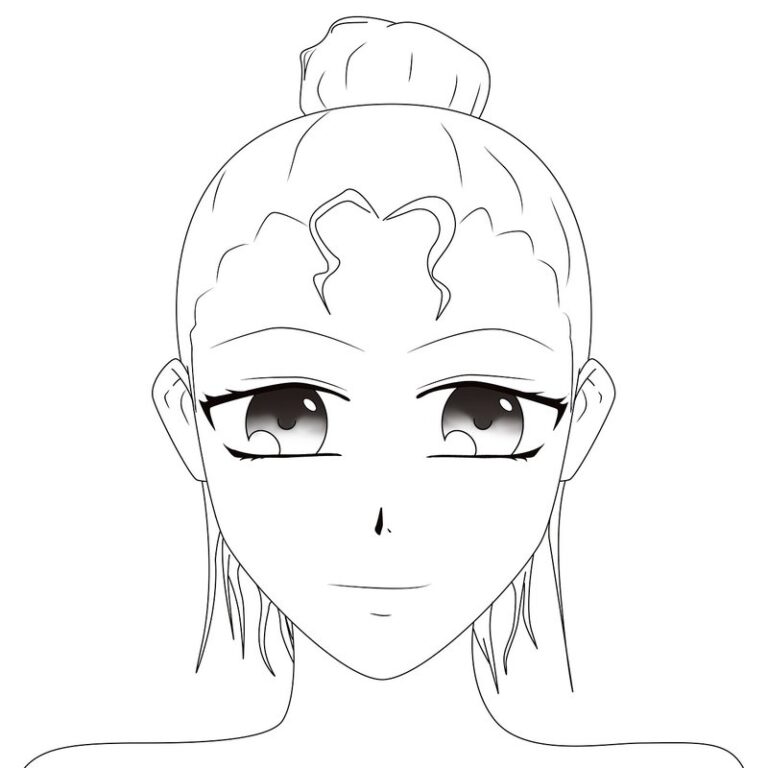
Understanding Cartoon Facial Proportions
To create cartoon faces that are both expressive and believable, it’s crucial to understand the underlying principles of facial proportion. Cartoons often deviate from real-life proportions for comedic effect.
Essential Elements of a Cartoon Face
A cartoon face is comprised of several essential elements that work together to convey emotion and character. The shape and size of the eyes are crucial, as they provide a window into the character’s personality and mood. In cartoons, the eyes are often exaggerated for emphasis, with larger eyes conveying innocence or youthfulness and smaller eyes suggesting experience or world-weariness.
The nose should be proportional to the rest of the face, but its shape and size can vary depending on the character. For instance, a button nose is often used for comedic effect, while a more angular nose can add a sense of sophistication.
The mouth is another key feature, as it expresses emotions through subtle changes in shape and curvature. A curved smile or a pursed lip can convey warmth or annoyance respectively. The jawline should be smooth and rounded to create a harmonious balance with the rest of the face.
To achieve this balance, cartoonists often use simple shapes and proportions to guide their drawings. For example, the eyes are usually placed about one-third of the way down from the top of the head, while the nose is roughly centered between them.
Recognizing Facial Expressions
When sketching cartoon faces, facial expressions play a crucial role in conveying emotions and creating engagement. You can depict a range of feelings through subtle changes in facial features. For instance, a happy expression can be achieved by slightly curving the eyebrows upwards, adding a gentle smile to the mouth, and keeping the eyes sparkling.
On the other hand, a sad expression is often characterized by drooping eyebrows, a downturned mouth, and sunken eyes. An angry face typically features furrowed brows, a scowl, and glaring eyes. A surprised face can be created with widened eyes, an open mouth, and slightly raised eyebrows.
In cartooning, it’s essential to remember that facial expressions are not just about the individual features but also about their relationships to each other. For example, when depicting a character in shock or awe, you might want to emphasize wide eyes while keeping the rest of the face relatively calm. By understanding and manipulating these subtle interactions between facial elements, you can effectively communicate emotions through your sketches.
To get started with practicing different expressions, try sketching the same character multiple times but varying their emotional state each time. This will help you become more comfortable with adjusting features to suit specific moods.
Basic Sketching Techniques for Cartoon Faces
To create a cartoon face, you’ll need to master some basic sketching techniques that bring characters to life with simplicity and charm. Let’s start with the essentials of facial proportions and features.
Gesture Drawing for Cartoons
Gesture drawing is a fundamental technique for capturing the essence of a subject, and when applied to cartoon faces, it becomes an invaluable tool for artists. The goal of gesture drawing isn’t to render every detail with precision but rather to quickly convey the overall pose, movement, and energy of the subject.
When sketching cartoon faces using gesture drawing, focus on the larger features first – the placement of eyes, nose, mouth, and jawline. Quickly block out these shapes with simple lines and curves, paying attention to their proportions and relationships to one another. This will give you a sense of the overall structure and pose of the face.
To practice gesture drawing for cartoons, start by observing how people’s faces move when they express different emotions or perform various actions. Study the way their facial muscles contract and relax, and try to capture this movement in your sketches. Experiment with quick poses, capturing 30 seconds to a minute of a model’s expression or action on paper. Remember, it’s not about creating a perfect likeness but about conveying the essence of the subject’s pose and emotion through simple, expressive lines.
Line Weight and Value in Cartoon Faces
When sketching cartoon faces, line weight and value play a crucial role in creating depth and dimension. Line weight refers to the thickness or thinness of lines used to define facial features. Thicker lines can be used for bold outlines, while thinner lines can add nuance and subtlety.
Value, on the other hand, is about light and dark areas within the face. Hatching involves creating parallel lines that follow the contours of the face, often using a range of values to suggest volume and depth. Cross-hatching adds layers of hatching in different directions, increasing the perceived texture and dimensionality.
Stippling, or creating images with small dots, can be used for detailed textures or subtle shading effects. For cartoon faces, it’s essential to balance line weight and value to avoid overwhelming the viewer with too much detail. A good rule of thumb is to use thicker lines and more defined values for bold expressions and thinner lines for softer ones.
To achieve this balance in your sketches, experiment with different hatching techniques and observe how they affect the overall appearance of the face. Pay attention to areas where subtle shading or texture can add depth without overwhelming the viewer’s focus on the character’s expression.
Advanced Sketching Techniques for Realistic Cartoon Faces
Now that you’ve mastered the basics of cartoon face sketching, let’s take it to the next level by exploring advanced techniques to create incredibly realistic and expressive faces. We’ll cover nuanced details like proportions, textures, and subtle expressions.
Refining Facial Features with Shading
When it comes to creating realistic cartoon faces, shading plays a crucial role in adding depth and dimension. By carefully applying shades and values, you can create textures and subtleties that bring your characters to life. One technique for refining facial features with shading is to focus on the areas where light would naturally fall. For example, the tops of noses, cheekbones, and eyebrows tend to be lighter than the areas around them.
To achieve this effect, try using a range of values from soft to hard. Soft shadows can create a sense of volume, while harder shadows can define edges. You can also use atmospheric perspective by fading the shades of features in the background to create a sense of distance. For instance, if you’re drawing a character with their face partially turned away, the side of their nose and cheek will appear lighter than the front.
Experiment with different shading techniques to see what works best for your style. Some artists prefer to use gentle hatching or cross-hatching to build up subtle textures, while others like to create dramatic contrasts with bold lines and heavy shading.
Using Reference Images for Accurate Proportions
When sketching cartoon faces, it’s essential to use reference images to ensure accurate proportions. You can find reference images online or create your own by taking photographs of people with different facial structures. Select references that match the style and proportion you’re aiming for – if you’re drawing a tall and slender character, look for references with similar features.
To transfer the proportions from your reference image onto paper, use a grid technique. Divide both your reference image and your sketch paper into identical grids, ensuring each square corresponds to the same measurement on both surfaces. Then, map the facial features from your reference image onto your grid, using the corresponding squares to maintain accurate proportions.
Throughout the drawing process, regularly check your work against the reference image to ensure accuracy. Pay attention to subtle details like the distance between eyes, nose placement, and jawline shape – these elements can greatly impact the overall proportion of your cartoon face. By incorporating reference images into your sketching routine, you’ll develop a keen eye for facial proportions and create more believable, engaging characters.
Common Mistakes to Avoid When Sketching Cartoon Faces
When sketching cartoon faces, it’s easy to fall into habits that can make your drawings look stiff and unexpressive. We’ll cover some common mistakes to avoid in this next section.
Misproportioned Features
When sketching cartoon faces, misproportioned features can completely throw off the entire character’s appearance. One common mistake is not accounting for the relative size of different facial features. For example, a too-large nose or mouth can make an otherwise cute character look gruesome.
To avoid this error, try using simple shapes to block out your face proportions. A rough oval for the head, a smaller circle for the eye socket, and a curved line for the smile will give you a solid foundation. Remember that cartoon characters are often exaggerated, but only within reason – a nose that’s as big as the entire face is probably too much.
Another issue is not paying attention to the proportions of individual facial features themselves. A character with impossibly long eyelashes or an absurdly wide jawline can look more like a caricature than a lovable cartoon. When sketching, focus on making each feature roughly proportional to its neighbors – for example, if you make one eye larger than the other, balance it out by making the mouth smaller.
Use simple measuring tools like a pencil grid or even just counting squares on graph paper to ensure your features are in line with their intended sizes.
Overcomplicating Facial Expressions
Overcomplicating facial expressions can make a cartoon face look stiff and unnatural. When you see a character’s emotions conveyed through overly detailed features, it’s often because the artist has lost sight of what makes cartoons unique: simplicity.
In most cases, a few strategically placed lines or subtle changes in shape can convey a wide range of emotions without looking like a real person trying to show their feelings. For instance, a slight raise at the outer corners of the eyebrows can indicate surprise, while a gentle sag of the mouth can suggest sadness. These small tweaks are what make cartoons relatable and expressive.
The key is to balance detail with restraint. If you’re unsure whether a particular feature or expression is necessary, ask yourself if it’s truly adding to the character’s personality or mood. A good rule of thumb is to start simple and build from there. Try sketching your character without any facial features at all – just a basic shape. Then gradually add details until you feel like the expression works for the scene. Remember, too much detail can be distracting; sometimes less really is more.
Tips for Practice and Improvement
To take your sketch cartoon faces to the next level, you’ll want to focus on consistently practicing and challenging yourself with new techniques and styles. This is where the real magic happens!
Setting Goals and Challenges
When practicing sketch cartoon faces, it’s essential to set goals for yourself. This might seem straightforward, but it requires a bit of thought and intentionality. Start by identifying areas where you’d like to improve – perhaps you’re struggling with accurately capturing facial expressions or want to develop more nuanced character designs.
Consider setting specific, achievable targets for your practice sessions. For instance, aim to draw 5-10 cartoon faces in a row without referencing any images, focusing solely on observation and memory. Alternatively, challenge yourself to create a series of characters that demonstrate different emotions through subtle changes in facial features.
Another way to push your skills forward is by setting challenges that cater to your specific needs. If you’re struggling with proportions, try drawing cartoon faces using only simple shapes or silhouettes. If you’re having trouble capturing textures and details, practice sketching characters from reference images taken in different lighting conditions. By setting these types of goals and challenges, you’ll stay engaged, motivated, and continually grow as an artist.
Sharing Work and Getting Feedback
When sharing your cartoon face sketches with others, you’re not only getting feedback on your work but also learning how to improve it. Joining online communities or local art groups can be a great way to connect with like-minded artists and get constructive criticism. Websites like DeviantArt and ArtStation have dedicated sections for cartooning and illustration, where you can share your sketches and receive feedback from other users.
Don’t be afraid to ask for specific feedback on certain aspects of your drawings, such as facial proportions or expression. When receiving feedback, focus on the suggestions that resonate with you and try to implement them in your next sketch. It’s also essential to remember that not everyone will have the same taste or style, so don’t take criticism personally.
To get the most out of sharing your work and getting feedback, be open-minded and willing to learn from others. Look for communities that align with your artistic goals and participate actively by commenting on others’ work and providing thoughtful feedback in return. By doing so, you’ll not only improve your cartoon face sketching skills but also build a supportive network of fellow artists who can help you grow as an artist.
Conclusion: Mastering Cartoon Facial Proportions
Now that you’ve mastered the basics of cartoon face sketching, it’s time to refine your skills and learn how to create facial proportions that truly pop. This final section will guide you in perfecting your craft.
Recap of Key Concepts
To master cartoon facial proportions, it’s essential to recall the key concepts outlined throughout this guide. First and foremost, you should be familiar with the essential elements of a cartoon face, including the placement of features such as eyes, nose, mouth, and ears. Understanding how these features relate to each other is crucial for creating believable expressions.
Basic sketching techniques play a significant role in capturing the essence of cartoon faces. Gesture drawing allows you to capture the overall pose and energy of your subject, while line weight and value help convey emotion through varying thicknesses and tones. By incorporating these techniques into your practice, you’ll be better equipped to tackle more complex expressions.
In addition to mastering basic techniques, it’s also important to recognize common mistakes that can detract from a cartoon face. Misproportioned features and overcomplicating facial expressions are two pitfalls to avoid when sketching cartoons. To prevent these issues, make sure to double-check your proportions and simplify your expressions whenever possible.
Throughout this guide, we’ve emphasized the importance of practice and improvement in honing your skills. Setting goals and challenges for yourself will help you stay motivated, while sharing your work with others and soliciting feedback can provide valuable insights into areas where you need to improve. By consistently applying these tips, you’ll be well on your way to mastering cartoon facial proportions.
In terms of specific next steps, consider revisiting key concepts covered in earlier sections, such as refining facial features with shading or using reference images for accurate proportions. You may also find it helpful to create a personalized practice routine that incorporates exercises from multiple sections.
Frequently Asked Questions
Can I start sketching cartoon faces without any prior drawing experience?
Yes, this guide is designed to be accessible to beginners. By following the essential elements and basic techniques outlined in the article, you can develop your skills even if you have no prior drawing experience.
How do I know when my sketch is “good enough” or when it’s time to move on to more advanced techniques?
The quality of a sketch is often subjective, but consider whether you’ve achieved the desired facial proportions and expressions. If not, revisit the basics and practice until you feel comfortable with the fundamentals. Advanced techniques will build upon these skills.
I’m struggling to capture subtle facial expressions in my sketches. What are some tips for achieving more nuanced emotions?
When capturing subtle expressions, focus on slight variations in feature placement rather than dramatic changes. Practice recognizing the subtleties of human emotion and translate them into your drawings. Study reference images of people exhibiting various emotional states.
Can I use traditional media like pencils or charcoal to sketch cartoon faces, or are digital tools necessary?
Both traditional and digital media can be effective for sketching cartoon faces. Traditional media offer a tactile experience that some artists prefer, while digital tools provide flexibility with erasure and layering. Choose the medium that suits your style and preference.
How do I balance simplicity and detail in my sketches when working on more complex facial expressions?
Balance complexity by focusing on the key features that convey the desired emotion, then add details as needed. Practice drawing simple versions of faces and gradually build complexity as you become more confident.