
Imagine yourself standing alone in an abandoned asylum at midnight. The creaking floorboards beneath your feet seem to echo with whispers, and you catch a glimpse of something out of the corner of your eye, but when you turn, there’s nothing. This is the essence of a paranormal mystery plot – a delicate balance between unsettling environments and supernatural entities that spark curiosity and fear in equal measure. As a writer, you’re likely no stranger to the thrill of crafting stories that send shivers down readers’ spines, but sometimes even the most seasoned authors need a push to get those creative juices flowing again. In this article, we’ll explore the darker corners of the paranormal world, where mysterious events and unexplained phenomena await to inspire chilling tales. By the end of it, you’ll have a wealth of ideas for crafting your own unsettling paranormal mystery plots that will leave readers sleeping with the lights on.
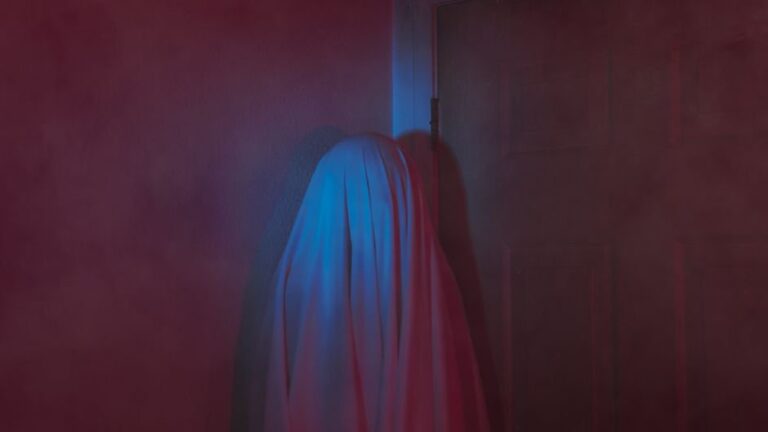
Unsettling Environments
Imagine a place where the atmosphere is thick with dread, and every creak of the floorboards sends shivers down your spine. We’re exploring environments that are inherently unsettling.
Abandoned Asylums and Hospitals
Abandoned asylums and hospitals are breeding grounds for paranormal mysteries. The eerie atmosphere is palpable, a direct result of patients’ secrets and untimely deaths that have left an indelible mark on these locations. When considering settings for your story, consider the dark history that permeates abandoned healthcare facilities.
The layout of these institutions can be just as unsettling as their histories. Long corridors with peeling walls and flickering fluorescent lights create a sense of unease, while doorways to hidden rooms or areas previously off-limits evoke curiosity. The isolation and confinement inherent in these environments can contribute to feelings of claustrophobia and disorientation.
A key aspect to consider is the residual energy that lingers in abandoned asylums and hospitals. This concept, often associated with spirits and entities, can be leveraged to create a compelling mystery plot. Think about the types of paranormal phenomena you’d like to feature: inexplicable noises, unexplained movements, or even ghostly apparitions.
To make these locations more believable, research real-life examples of abandoned healthcare facilities that have been documented as being haunted. This will help you craft a setting that is both eerie and authentic.
Creepy Small Towns
Small towns often possess a unique charm and isolation that can be leveraged to create an eerie atmosphere. Their tightly-knit communities can hide secrets and sins, making them perfect settings for paranormal mystery plots. The residents of these towns may be aware of supernatural occurrences but keep them concealed from outsiders.
Consider the idea of a town where everyone appears friendly and welcoming, but there’s an undercurrent of fear and unease. This tension can be fueled by strange events or unexplained phenomena that seem to occur only at night. Perhaps the town’s history is marked by a tragic event or a series of mysterious disappearances that have never been solved.
To create this atmosphere, you might want to focus on the physical setting as much as the characters’ motivations and behaviors. Think about how the town’s layout, architecture, and natural surroundings contribute to the sense of isolation and confinement. For example, narrow streets, old buildings, or a nearby forest can all add to the feeling of being trapped with secrets.
When writing about small towns, remember that the key is to create an atmosphere of subtle menace rather than overt horror. Leave room for the reader’s imagination to fill in the blanks and wonder what’s really going on beneath the surface.
Dark Forests and Wilderness Areas
Dark forests and wilderness areas offer a unique blend of isolation and eeriness, perfect for building tension in paranormal mysteries. The dense foliage and lack of visibility create an atmosphere where strange creatures can lurk undetected, waiting to strike. In these environments, the unknown is always lurking just out of sight.
To heighten the sense of unease, consider what kind of supernatural entities might inhabit such areas. For example, a forest might be home to a pack of werewolves or a lone skinwalker, while a remote wilderness area could be haunted by a malevolent spirit or a group of restless ghosts. The key is to create an environment where the characters are vulnerable and at risk.
When setting your mystery in a dark forest or wilderness area, think about how the environment can impact character actions and decisions. For instance, a group of investigators might struggle to communicate over the wind or become lost in the dense underbrush. This can lead to mistakes, missteps, and even fatalities, adding an extra layer of tension to the plot. By leveraging these environments, you can create a sense of unease and uncertainty that keeps readers on the edge of their seats.
Supernatural Entities
Let’s talk about supernatural entities that can add a chilling twist to your paranormal mystery plot, from ghosts and spirits to demons and otherworldly beings. These entities can be malevolent, benevolent, or even neutral, adding depth to your story.
Ghostly Apparitions
Ghosts can be benevolent spirits seeking resolution, malevolent entities feeding on fear, or confused entities trapped between worlds. In paranormal mystery plots, their presence often serves as a catalyst for investigation and discovery. Consider the type of ghost that would drive the plot: is it a vengeful spirit, a lost soul, or an otherworldly entity?
The motivations behind a ghost’s actions can be just as varied as the types themselves. A ghost might be seeking closure on an unfinished business, revenge against those who wronged them in life, or a way to communicate with the living. Alternatively, it could be an entity drawn to a specific location due to its energetic properties or a portal to other realms.
When crafting a plot around ghostly apparitions, consider the consequences of their presence. These might include unexplained noises and movements, objects moving on their own, or even physical attacks on the living. Think about how these events would be interpreted by the characters, and use this as an opportunity to explore different perspectives on the paranormal. For example, some characters might view the ghost as a manifestation of their own guilt, while others see it as a genuine entity in need of help.
Cursed Objects and Artifacts
Cursed objects and artifacts are a staple of paranormal mysteries, often serving as catalysts for supernatural events. These relics typically have dark histories, having been imbued with malevolent energies through past traumas or rituals. Consider the example of an antique music box that once belonged to a wealthy family but was later used in a twisted séance by a deranged member.
In this scenario, the music box becomes a focal point for paranormal activity as it’s discovered by investigators who unwittingly unleash its dark energy. The object’s history and associated energies can also be tied to specific locations or events, further complicating the mystery.
When incorporating cursed objects into your plot, think about how their histories and energies might intersect with the investigation’s goals and personal stakes for the characters. For instance, an artifact’s power could be directly tied to a key event in the story, such as a mysterious disappearance or unexplained occurrence.
Some common types of cursed objects include:
- Relics from ancient cults or secret societies
- Items imbued with dark magic through rituals or human sacrifices
- Personal belongings connected to violent deaths or traumatic events
- Artifacts created using twisted or forbidden knowledge
Keep in mind that the true power and nature of these objects can be unknown, even to those who possess them. This ambiguity adds layers of complexity to your mystery and raises questions about the reliability of evidence and the motivations of characters.
Shape-Shifting Entities
Shape-shifting entities are a staple of paranormal mystery plots, offering a wide range of possibilities for character development and plot twists. These beings can take on various forms, from animal transformations to humanoid shapes with supernatural abilities.
Consider the werewolf legend: a classic example of shape-shifters driven by a curse or natural inclination. In your story, you might give your werewolf protagonist multiple motivations for transformation, such as a desire for freedom or a need to protect loved ones. Other types of shapeshifters could be inspired by mythologies from around the world, like the Japanese kitsune (fox spirits) or Native American skin-walkers.
To make shape-shifting entities more believable and engaging, think about their limitations and consequences. For instance, do they retain memories during transformations? Can they control their forms at will, or are there specific triggers? By exploring these questions, you can create complex characters with rich backstories and motivations that drive the plot forward. Consider what kind of world your shape-shifters inhabit: a hidden community, a secret government agency, or perhaps a sprawling metropolis where supernatural creatures blend in with humans.
Mysterious Events and Incidents
Let’s explore some of the most intriguing mysterious events that can spark a thrilling paranormal mystery plot, from eerie disappearances to inexplicable occurrences. We’ll examine the darker side of human experience and the unknown.
Unexplained Disappearances
Unexplained disappearances can be a rich catalyst for paranormal mystery plots. Kidnappings, murders, and supernatural abductions all offer fertile ground for exploration. Consider the case of the Sodder children, who vanished from their home on Christmas Eve in 1945. Theories range from a gas explosion to a possible abduction by a group with ties to organized crime.
In crafting your own mystery, think about how you can use the unknown to create tension and suspense. You might introduce a series of disappearances that seem unrelated at first but ultimately reveal a deeper connection. Alternatively, you could focus on a single disappearance and follow the investigation as it unfolds.
When plotting supernatural abductions, consider the nature of the entity involved. Is it a malevolent spirit seeking to harm the living? A benevolent being intent on imparting knowledge or wisdom? Or something more ambiguous, with motives that are unclear even to itself? By exploring these questions, you can create complex characters and motivations that drive your mystery forward.
Strange Phenomena
UFO sightings can be a fascinating trigger for paranormal mysteries. These events often involve unidentified flying objects seen in the sky, sometimes accompanied by strange lights or sounds. To create an intriguing mystery plot, you might consider how these sightings could impact the lives of characters in your story.
For instance, imagine a small town where multiple residents report seeing a UFO hovering above their homes at night. As the townsfolk begin to speculate about the origin and purpose of this phenomenon, tensions rise, and some start to suspect that the truth is more sinister than they initially thought.
Mysterious lights can also spark paranormal mysteries. These could be unexplained orbs seen in photographs or videos, or even strange glowing symbols etched into walls. To make this element more believable, research real-life cases of mysterious lights and study their characteristics.
Inexplicable sounds can serve as another trigger for paranormal mysteries. Examples include disembodied whispers, eerie hums, or unsettling creaks that seem to emanate from unknown sources. Consider how these sounds might be perceived by your characters and the impact they could have on the plot’s progression.
Unsettling Rituals and Practices
Human sacrifices and ancient cults often form the dark heart of unsettling rituals and practices. These eerie elements can add a sense of foreboding to your plot, hinting at the malevolent forces driving mysterious events. Ancient cults, for instance, might be performing dark magical ceremonies in an abandoned temple, summoning otherworldly entities or attempting to awaken dormant powers.
In these scenarios, it’s essential to consider the motivations behind such rituals and practices. Are they seeking power, trying to appease a malevolent deity, or driven by some twisted desire? This will help you create a more nuanced and believable narrative. Additionally, think about how these rituals might be connected to other plot threads. For example, do the cultists’ actions inadvertently unleash supernatural entities that start terrorizing the town?
When incorporating unsettling rituals and practices into your story, remember to balance horror with logic. Avoid relying on convenient or contrived explanations for the cult’s motivations or powers. Instead, delve deeper into the historical context, mythology, or folklore surrounding these practices to create a richer and more immersive world.
Paranormal Investigation Teams
Let’s take a closer look at how paranormal investigation teams can play a crucial role in unraveling mysteries and uncovering hidden truths. From experienced ghost hunters to novice investigators, these teams often have unique skills and perspectives that shed new light on cases.
Experienced Investigators
Experienced investigators play a crucial role in paranormal cases, as their skills and biases can significantly impact case outcomes. A well-trained investigator can gather valuable evidence, identify patterns, and piece together seemingly unrelated events. However, their experience also brings potential biases, such as preconceived notions about specific entities or phenomena.
Investigators with extensive experience often develop a keen sense of observation, allowing them to notice subtle details that might be missed by less experienced team members. They can also navigate complex cases more efficiently, prioritizing leads and allocating resources effectively. Furthermore, their familiarity with various paranormal theories and explanations enables them to consider alternative perspectives when interpreting evidence.
Despite these benefits, experience can also lead to tunnel vision, causing investigators to overlook new information or miss potential clues. It’s essential for experienced investigators to remain open-minded and adapt to changing circumstances. New recruits and trainees can learn from their mentors’ strengths while avoiding their weaknesses by being aware of the potential biases that come with extensive experience.
New Recruits and Trainees
New recruits and trainees often bring a fresh perspective to paranormal investigation teams. They may not have extensive experience with ghost hunting or supernatural phenomena, but their lack of preconceptions can be an asset. With limited exposure to the field, they’re less likely to fall back on conventional explanations or rely on outdated theories.
As they work alongside experienced investigators, new recruits can help identify blind spots and challenge assumptions. They may notice subtle details that more seasoned team members overlook, leading to unexpected discoveries. Conversely, their inexperience can also lead to complications – they might misinterpret evidence or fail to recognize potential dangers.
Effective integration of new recruits requires a balance between guidance and autonomy. Experienced investigators should provide clear instruction and mentorship, but also give trainees the freedom to contribute and explore their own ideas. This approach allows them to develop their skills while minimizing the risk of mistakes that could compromise the investigation’s integrity.
Theories and Explanations
As we explore the world of paranormal mystery plot ideas, let’s examine some of the key theories that can add depth to your story. From supernatural entities to psychic phenomena, these explanations can spark intriguing mysteries.
Scientific Explanations
Paranormal phenomena often leave us wondering about the underlying causes. A scientific approach can provide valuable insights into reported experiences. Consider the role of psychological factors, such as mass hysteria, confirmation bias, or the power of suggestion. For instance, a group of people witnessing a supernatural event may be influenced by prior expectations or cultural conditioning.
Neurological explanations could also contribute to paranormal phenomena. Conditions like temporal lobe epilepsy or synesthesia can alter perceptions and lead individuals to believe in supernatural entities. Environmental factors, such as unusual lighting or acoustic conditions, might also play a part. For example, a dimly lit room with an eerie atmosphere can create the illusion of ghostly apparitions.
It’s essential to remember that these explanations don’t necessarily dismiss the reality of paranormal experiences but rather offer alternative perspectives. To incorporate scientific explanations into your mystery plot, consider introducing characters who are skeptical or have a background in science. This could lead to interesting conflicts and debates about the nature of paranormal phenomena. By exploring the intersection of psychology, neuroscience, and the environment, you can create more nuanced and believable mysteries that engage readers on multiple levels.
Supernatural and Paranormal Perspectives
From a paranormal investigator’s perspective, mysterious events are often attributed to supernatural forces. This viewpoint can be influenced by personal experiences, cultural background, and even psychological factors. For instance, a team leader who has had a traumatic experience with a ghostly apparition may be more inclined to believe in the existence of malevolent spirits.
In cases where supernatural or paranormal explanations are considered, investigation teams must remain open-minded but also cautious not to become overly swayed by personal biases. A balanced approach can help mitigate conflicts within the team and ensure that evidence is evaluated objectively. This involves separating individual experiences from professional expectations and maintaining a skeptical stance when evaluating extraordinary claims.
Paranormal investigators often rely on anecdotal evidence, folklore, and ancient myths to inform their understanding of supernatural entities. However, it’s essential to distinguish between authentic cultural practices and fabricated or sensationalized accounts that can skew the investigation’s direction. By recognizing the role of personal perspectives in shaping case outcomes, investigators can better navigate complex cases involving paranormal phenomena.
Case Study Examples
Let’s take a closer look at some real-life cases that have inspired paranormal mystery plot ideas, such as the Dyatlov Pass incident. These eerie events will spark your imagination and fuel your writing.
Real-Life Inspirations
The Amityville Horror and The Conjuring are two real-life cases that have inspired paranormal mystery plots. The Amityville Horror, based on a true story, revolves around a family who moves into a house where a mass murder took place. They experience strange occurrences, including moving objects and unexplained noises. This case is compelling because it’s rooted in reality, making the events more believable.
The Conjuring is another example of a paranormal mystery plot inspired by real-life events. The Perron family claimed to have experienced multiple spirits in their farmhouse, which was later investigated by Ed and Lorraine Warren. This case highlights the importance of a strong investigator protagonist who can help unravel the mysteries. By adapting these cases for fiction writing, authors can create more immersive stories.
When using real-life inspirations, consider what makes them compelling and how you can adapt those elements to fit your story. It’s also essential to remember that while drawing from true events can add authenticity, it’s crucial to avoid sensationalizing or misrepresenting the original cases. By staying true to the spirit of the real-life events, authors can create more believable and engaging paranormal mystery plots.
Creating Your Own Mysteries
When creating your own paranormal mystery plot, it’s essential to craft unique settings that transport readers into a world of eerie uncertainty. Start by considering the atmosphere you want to evoke – is it foreboding and menacing or eerie and unsettling? Think about how the environment itself can be used as a character in your story. For example, an abandoned mansion with creaking floorboards and dusty chandeliers can provide a sense of decay and neglect.
Next, develop intriguing characters that readers will care about. Give them distinct motivations and backstories to make their actions and decisions believable within the context of the mystery. Perhaps one character is a paranormal investigator seeking answers for a personal tragedy, while another is a skeptical scientist trying to debunk the supernatural claims. The contrast between these perspectives can create tension and keep readers engaged.
To add depth to your story, introduce complex plot twists that challenge the characters’ (and readers’) understanding of what’s happening. Consider using misdirection, red herrings, or unexpected revelations to keep the mystery alive and suspenseful.
Frequently Asked Questions
How to Develop a Compelling Paranormal Mystery Plot in a Single Sitting?
Developing a compelling paranormal mystery plot requires careful planning and research. Start by brainstorming unique settings, characters, and storylines that captivate readers. Consider the unsettling environments, supernatural entities, and mysterious events explored in this article as a starting point. Write down key elements that interest you, and then build upon them to create a cohesive plot.
Can I Use Real-Life Paranormal Cases as Inspiration Without Plagiarizing?
Yes, real-life paranormal cases can serve as excellent inspiration for your mystery plots. However, it’s essential to adapt and transform the facts to avoid plagiarism. Take the key elements that sparked your interest, such as the setting or the mysterious event, and use them as a foundation for your original story. Add your own twists, characters, and plot developments to create a unique narrative.
How Do I Balance Scientific Explanations with Supernatural Elements in My Story?
Balancing scientific explanations with supernatural elements requires careful consideration of your story’s tone and themes. You can incorporate scientific theories to provide alternative explanations for paranormal phenomena, leaving room for the supernatural aspects to remain unexplained or even inexplicable. This approach adds depth to your narrative and encourages readers to ponder the mysteries alongside your characters.
What If My Readers Don’t Believe in Paranormal Activity?
Some readers may not believe in paranormal activity, which is perfectly fine. In such cases, focus on creating a compelling mystery plot that explores the psychological or sociological aspects of the events unfolding. This approach allows you to craft a story that’s engaging for both believers and skeptics, keeping your narrative grounded while still maintaining an air of mystery.
Can I Create a Paranormal Mystery Plot with a Non-Mysterious Resolution?
Yes, you can create a paranormal mystery plot with a non-mysterious resolution. Instead of tying up loose ends or revealing supernatural forces, consider ending the story with an ambiguous conclusion that leaves the reader pondering the events. This approach encourages readers to reflect on their own theories and interpretations, making your narrative more thought-provoking and memorable.