
As you pick up your brush and canvas, are you searching for ways to elevate your acrylic painting skills? With its versatility and vibrant color palette, acrylic paint is an excellent medium for artists of all levels. However, coming up with new ideas can be a challenge. You want your paintings to stand out from the crowd, but you’re not sure where to start. The good news is that there are countless techniques and styles waiting to be explored. In this article, we’ll take a closer look at expert techniques for creating stunning acrylic paintings, as well as provide inspiration and beginner-friendly projects to help you achieve your artistic goals. By the end of this guide, you’ll have the knowledge and confidence to create truly unique and breathtaking pieces that showcase your talent and style.
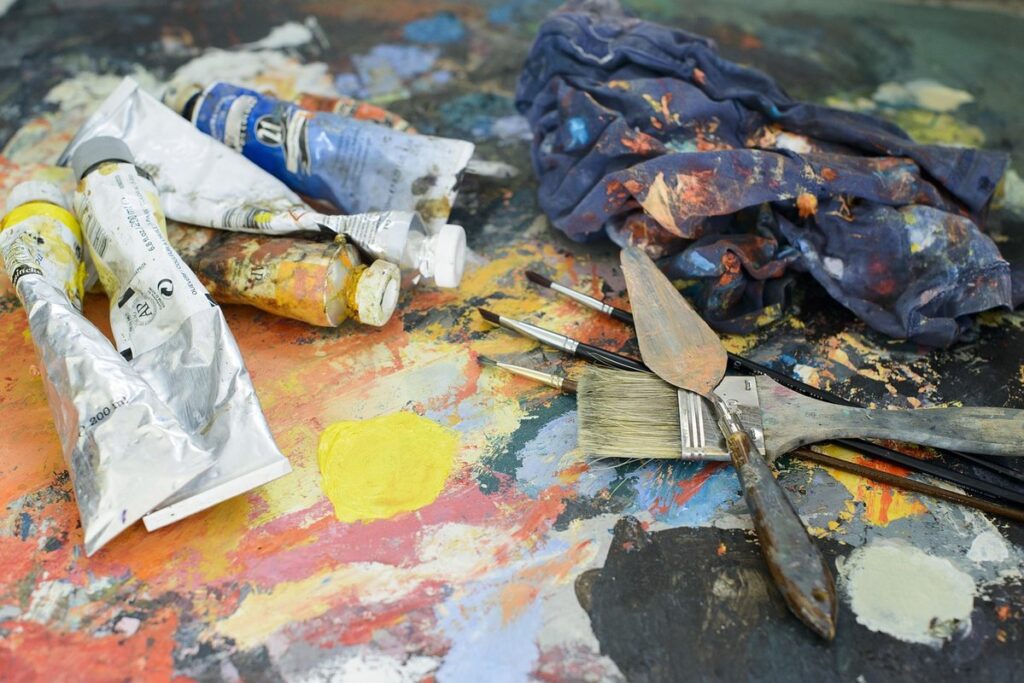
Getting Started with Acrylic Painting
To begin creating stunning acrylic paintings, you’ll first need to set up your workspace and choose the right materials, including brushes and canvases. Let’s start with the basics.
Understanding Acrylic Paint Basics
Acrylic paint is a versatile medium composed of water, pigment, binder, and other additives. The binder, typically acrylic polymer, holds the pigments together and adheres them to a surface. This unique composition allows for fast-drying times, usually between 15 minutes to an hour, depending on thickness and environmental conditions.
The benefits of using acrylic paint for beginners lie in its flexibility and forgiving nature. Acrylics can be thinned with water to achieve a range of consistencies, from thin washes to heavy textures. They also dry quickly, allowing artists to layer colors without waiting excessive amounts of time.
One key advantage of acrylic paint is its ability to be used both wet-on-wet and wet-on-dry. This means artists can add layers while the previous coat is still tacky or wait for them to fully dry before adding more. Experimenting with different techniques, such as glazing, dripping, or scraping, can help beginners unlock their creative potential with acrylic paint.
When working with acrylics, it’s essential to choose the right surface – a primed canvas or board specifically designed for acrylic painting is recommended. This ensures optimal adhesion and prevents the paint from lifting off prematurely.
Choosing Your Canvas and Brushes
When working with acrylic paint, it’s essential to choose a suitable canvas or surface for your art. While traditional stretched canvases are still popular, there are many other options available, including canvas boards, paper, and even fabric. Each type of surface has its unique characteristics that can affect the final result.
For example, canvas boards provide a smooth, rigid surface ideal for detailed work and layering. Paper, on the other hand, is perfect for loose, expressive brushstrokes and wet-on-wet techniques. If you prefer to work with fabric, look for cotton or linen canvases designed specifically for painting.
In terms of brushes, it’s best to start with a basic set that includes flat, round, and filbert shapes. These will allow you to achieve various effects, from smooth blending to textured strokes. Look for brushes made from natural hair (such as sable or mongoose) for their excellent spring and ability to hold paint.
Some essential brush types to include in your starter kit are:
- Flat brushes (#4 and #6)
- Round brushes (#2 and #8)
- Filbert brushes (#4 and #6)
Remember, the quality of your brushes will greatly impact the overall appearance of your artwork. Invest in a few good-quality brushes that will last you for a long time.
Exploring Acrylic Painting Techniques
Acrylic paint is incredibly versatile, and mastering various techniques can take your artwork to the next level. Let’s explore some key methods for creating textured, layered effects with acrylics.
Color Theory and Mixing
Understanding color theory is essential for creating harmonious palettes in acrylic painting. Primary colors – red, yellow, and blue – are the building blocks of color, as they cannot be created by mixing other colors together. When combined, primary colors produce secondary colors: orange (red + yellow), green (blue + yellow), and violet (blue + red). Warm colors like red, orange, and yellow evoke a sense of energy and warmth, while cool colors such as blue, green, and purple create a calming atmosphere.
To mix and match colors effectively, it’s crucial to understand how they interact. For instance, mixing warm colors can produce vibrant, energetic hues, but may clash with cool colors. On the other hand, pairing warm and cool colors can create visually appealing contrasts. To achieve harmonious palettes, consider using analogous colors – adjacent colors on the color wheel – or complementary colors – pairs of colors opposite each other.
When selecting a palette, think about the mood you want to convey in your painting. Do you want to evoke feelings of serenity or energy? By understanding primary and secondary colors, warm and cool colors, and how they interact, you can create cohesive and visually appealing color schemes that bring your acrylic paintings to life. Remember to experiment with different combinations to find what works best for your unique style.
Brushstrokes and Texture
To achieve a range of textures and effects in your acrylic painting, experiment with different brushstrokes. Begin by mastering smooth blending strokes, achieved with a flat brush and gentle pressure. This is ideal for creating soft, gradient-like transitions between colors. For instance, use a 2-inch flat brush to blend the edges of two adjacent colors, working from one end of the canvas to the other.
For more pronounced textures, try using a round brush or a filbert to create impasto effects. Load your brush with thick paint and apply it in heavy strokes, allowing the texture to build up on the canvas. This technique works particularly well for capturing rough stone surfaces, tree bark, or abstract patterns.
Consider also using household items as tools to add unique textures. A palette knife can be used to scrape and layer paint, while a credit card or similar tool can create smooth, even strokes. Be mindful of the brushstrokes’ direction and pressure to achieve the desired effect – loose, expressive strokes for a dynamic look or tighter, more controlled strokes for a detailed appearance.
Acrylic Painting Styles and Inspirations
Let’s explore some of the most popular acrylic painting styles, from abstract expressionism to realism, each offering a unique approach to creativity. We’ll look at what makes them tick and how you can apply their techniques in your own art.
Abstract Expressionism
Abstract expressionist acrylic paintings are all about capturing the raw energy of creativity. This style rejects traditional representations and focuses on conveying emotions through vibrant color and expressive brushstrokes. When working with abstract expressionism, it’s essential to let go of control and allow the paint to flow freely.
Begin by selecting a bold, high-pigment load acrylic paint that will retain its vibrancy even after multiple layers are applied. Experiment with applying paint in thick, impasto textures or smooth, glaze-like coats. To add depth and interest, use palette knives to scrape and manipulate the paint on your canvas.
The freedom of abstract expressionism lies in its unpredictability. Don’t be afraid to make mistakes – they can often lead to unexpected, beautiful results. Consider starting with a base layer of color or texture, then building upon it with subsequent layers of paint. This approach will help you tap into the spontaneity and emotion that is at the heart of abstract expressionism.
Some notable examples of abstract expressionist artists include Jackson Pollock and Willem de Kooning, who used their paintings as a form of emotional release. By embracing the unpredictability of this style, you can create unique pieces that reflect your own inner world.
Still Life and Realism
When painting still life compositions with acrylic paint, realism is a popular style to achieve. This technique requires attention to detail and precision, as every element must be accurately represented. Start by setting up a still-life arrangement, using objects that reflect the play of light on different textures and colors.
Pay close attention to proportions and measurements when rendering the objects. Measure and double-check your dimensions to ensure accuracy. Use reference images or photographs to help you capture the subtleties of texture, shadow, and reflection. You can also experiment with different brushstrokes and techniques, such as drybrushing or scraping, to add depth and visual interest.
To enhance realism, focus on creating subtle transitions between colors and values. Mix your paints carefully, using a limited palette to maintain cohesion throughout the composition. Consider using glazing techniques to achieve deep, rich colors that seem almost three-dimensional. By paying attention to these details, you can create a still life painting with acrylics that feels lifelike and engaging.
Tips for Advanced Acrylic Painting Techniques
As you’ve mastered basic acrylic techniques, it’s time to take your skills to the next level by exploring advanced methods that add depth and texture to your artwork. We’ll share expert tips for achieving stunning effects.
Glazing and Layering
When working with acrylic paint, achieving deep colors and luminosity often requires a combination of glazing and layering techniques. Glazing involves applying multiple thin layers of transparent paint over a base coat to create a sense of depth and luminosity. This method works particularly well for capturing subtle shifts in value and color.
To start glazing, select a small brush and apply a thin layer of acrylic paint over your base coat. Allow the first layer to dry before adding additional coats. You can achieve varying effects by mixing different colors into each layer or using a single transparent pigment. A popular choice for glazing is titanium white, which allows you to build up layers without sacrificing color intensity.
Some artists also employ a wet-on-wet technique when glazing. This involves applying multiple layers of paint before the previous coat has fully dried. The resulting texture and blending create a unique, luminous effect that simulates the way light interacts with surfaces in real life. By mastering glazing techniques, you can add richness and depth to your acrylic paintings while exploring new possibilities for color and expression.
Incorporating Mixed Media
When incorporating mixed media into your acrylic paintings, consider adding textured elements to elevate the visual interest of your artwork. You can use paper, fabric, or found objects to create unique textures and dimensions. For example, you could glue torn paper strips onto a canvas to mimic the roughness of tree bark or use a piece of burlap to add a tactile quality to a landscape.
To incorporate mixed media effectively, it’s essential to plan your composition carefully. Consider how the added materials will interact with the acrylic paint and the overall aesthetic you want to achieve. A good rule of thumb is to start by applying the most critical elements first – in this case, the acrylic paint – before adding the mixed media components.
Some common mixed media techniques include decoupage, where cut-out images are applied to a surface using a adhesive, and collage, which involves combining different materials to create a cohesive whole. When working with mixed media, it’s also important to experiment with different adhesives and application methods to achieve the desired effect.
Painting Ideas for Beginners
If you’re just starting out with acrylic painting, don’t worry – we’ve got some fantastic ideas to get your creative juices flowing and help you build confidence in your artistic skills. Let’s start with a few simple yet striking concepts to try first.
Simple Landscapes and Skies
Start by painting simple landscapes, focusing on basic composition and color relationships. Consider a single tree standing alone against a sky with subtle gradations of blue. Use a limited palette to emphasize textures and shapes. You can also experiment with capturing the softness of clouds or the ruggedness of mountains.
To create a sense of depth in your landscape painting, use atmospheric perspective: make objects farthest from the viewer lighter and less detailed than those closer up. This technique is especially effective when depicting distant skies, where subtle gradations of color can evoke a sense of atmosphere and mood.
In terms of composition, try breaking down a scene into simple shapes: horizon line, sky area, tree silhouettes, or fields. Balance these elements to create a harmonious whole. Use the rule of thirds to place important features along imaginary lines that divide your canvas into thirds both horizontally and vertically.
When painting skies, focus on capturing light effects: the soft glow of dawn, the vibrant hues of sunset, or the dramatic contrasts of stormy weather. Consider using wet-on-wet techniques to blend colors and create subtle gradations of tone.
Still-Life Compositions
When creating a still-life composition using everyday objects, you’ll want to focus on capturing the play of light and shadow. Start by selecting 3-5 objects with varying textures and colors – think vintage bottles, fruit, or household items. Arrange them on a flat surface or table in a visually appealing way, considering balance and negative space.
Pay attention to how the light sources interact with your objects. Natural light can create beautiful shadows, while artificial light can add depth and interest. Experiment with different lighting setups to see what works best for your composition.
As you begin painting, consider the colors of your objects and how they relate to one another. You might choose to focus on a specific hue or color palette, or try to capture the entire range of colors present in the scene. Use color theory principles to guide your mixing and application – warm colors can create cozy, inviting atmospheres, while cool colors can produce calming effects.
Remember to observe and record the subtle nuances of light and shadow as you paint, capturing their softness and intensity with textured brushstrokes or smooth glazes. With practice, you’ll develop a keen eye for composition and color, and your still-life paintings will become increasingly nuanced and engaging.
Acrylic Painting Projects for Intermediate Artists
If you’ve already mastered basic techniques, it’s time to take your acrylic skills to the next level with more complex projects that showcase texture and color. We’ll explore some impressive ideas for intermediate artists.
Portraits and Figurative Art
When painting portraits and figurative art, capturing facial expressions and body language is crucial to conveying a sense of personality and emotion. To achieve this, focus on observing and rendering subtle details such as the eyes, eyebrows, and mouth. Pay attention to how the subject’s face is turned or tilted, and use brushstrokes that convey a sense of movement.
To capture facial expressions, try using short, broken brushstrokes for dynamic effects or smooth, blended strokes for more realistic renderings. Experiment with different color combinations to suggest mood and atmosphere. For example, warm colors like orange and red can create a sense of energy and excitement, while cool colors like blue and green can convey calmness and serenity.
When depicting body language, consider the subject’s posture, gestures, and interactions with their environment. Use negative space effectively to create a sense of movement or tension. For instance, use a large brush to block in the overall shape of the figure, then refine details with smaller brushes. By focusing on these subtleties, you can bring your portrait or figurative painting to life and capture the essence of your subject.
Seascapes and Cityscapes
When capturing dynamic seascapes and cityscapes with acrylics, movement, texture, and atmosphere become crucial elements. Start by experimenting with loose brushstrokes to convey a sense of energy and dynamism. For seascapes, focus on the play of light on waves, using soft blues and whites to evoke a sense of calm. Incorporate rough textures to suggest rocky shores or sandy beaches.
In cityscapes, emphasize the contrast between buildings, streets, and sky. Use bold brushstrokes to capture the movement of traffic or pedestrians, while softer strokes can convey the sense of atmosphere in urban spaces. To add depth, play with layering techniques: start with a base coat of background colors, then build up layers of details and textures.
When painting cityscapes, don’t forget about the power of negative space – use empty streets or buildings to create a sense of contrast and emphasis. In seascapes, focus on capturing the subtle nuances of wave movement, using gentle gradations of color to suggest depth and distance. Consider experimenting with glazing techniques to achieve a sense of luminosity in your paintings.
Conclusion: Tips for Continuous Improvement
Now that you’ve explored various techniques and inspiration for painting with acrylics, let’s discuss how to refine your skills further.
Experimentation and Practice
To truly master acrylic painting techniques, you must be willing to experiment and practice consistently. This means stepping out of your comfort zone and trying new methods, even if they don’t work as expected. Experimentation is key to discovering what works for you and developing a unique voice in your art.
When experimenting with new techniques, start by setting aside dedicated time for trial and error. Allocate a specific day or weekend each month to try out different approaches without the pressure of creating a finished piece. This could be as simple as practicing loose brushstrokes or exploring various glazing techniques on small canvases.
Remember that experimentation is not about achieving perfection; it’s about learning, adapting, and refining your skills over time. Some days will yield exciting breakthroughs, while others may result in unexpected failures. The most important thing is to view these experiences as valuable learning opportunities rather than setbacks.
To make the most of your practice sessions, consider the following:
• Warm up with simple exercises: Start by practicing basic strokes or mixing colors to loosen up and get comfortable with your materials.
• Set clear goals for each session: Identify specific techniques or skills you want to focus on and allocate dedicated time for experimentation.
• Experiment in series: Try grouping related techniques together, such as exploring different brushstrokes or glazing methods in succession.
• Review and adjust regularly: Schedule regular review sessions to assess your progress, identify areas for improvement, and make adjustments to your practice routine accordingly.
By embracing a culture of experimentation and consistent practice, you’ll be able to refine your skills, develop your unique voice, and unlock new creative possibilities with acrylic painting.
Frequently Asked Questions
Can I use acrylic paint on non-traditional surfaces?
Yes, you can use acrylic paint on various surfaces such as wood, paper, fabric, and even found objects. Experiment with different primers or mediums to achieve the best results.
How do I prevent my acrylic paintings from becoming too thick and textured?
To avoid thick textures, work in thin layers, allowing each layer to dry before adding more paint. You can also use a palette knife to blend colors and create smooth transitions between layers.
What if I’m not happy with the color I’ve mixed – how do I correct it without starting over?
If you’re unhappy with your mixed color, try creating a new mixture by adjusting the proportions of the original colors or adding a complementary hue. You can also use a glazing medium to tone down the color and achieve a more subtle effect.
Can I mix acrylic paint with other mediums to create unique textures and effects?
Yes, mixing acrylic paint with mediums like gel, paste, or oil-based materials allows you to achieve diverse textures and effects. Experiment with different combinations to find the desired results for your artwork.
How do I know when an acrylic painting is finished – what are the signs of completion?
A finished acrylic painting will have a sense of balance and harmony in composition, color, and texture. Look for visual equilibrium, where all elements work together to create a cohesive piece of art.