
One line drawings have a way of captivating us with their simplicity and elegance. They convey emotions and tell stories through minimal yet effective strokes, making them a staple in art and design. For those who want to create stunning pieces but don’t know where to start, mastering one line drawing techniques can be overwhelming due to the numerous methods and tools available. However, learning this skill is essential for artists and designers looking to develop their style and versatility. In this article, you’ll discover the basics of one line drawing, including basic techniques and advanced methods that will help you create stunning pieces with ease. By the time you finish reading, you’ll be able to practice your skills and improve your one line drawing abilities.
Understanding the Basics
Let’s start by understanding the fundamental principles of one line drawing, including its history and core techniques that underlie this unique art form.
What is One Line Drawing?
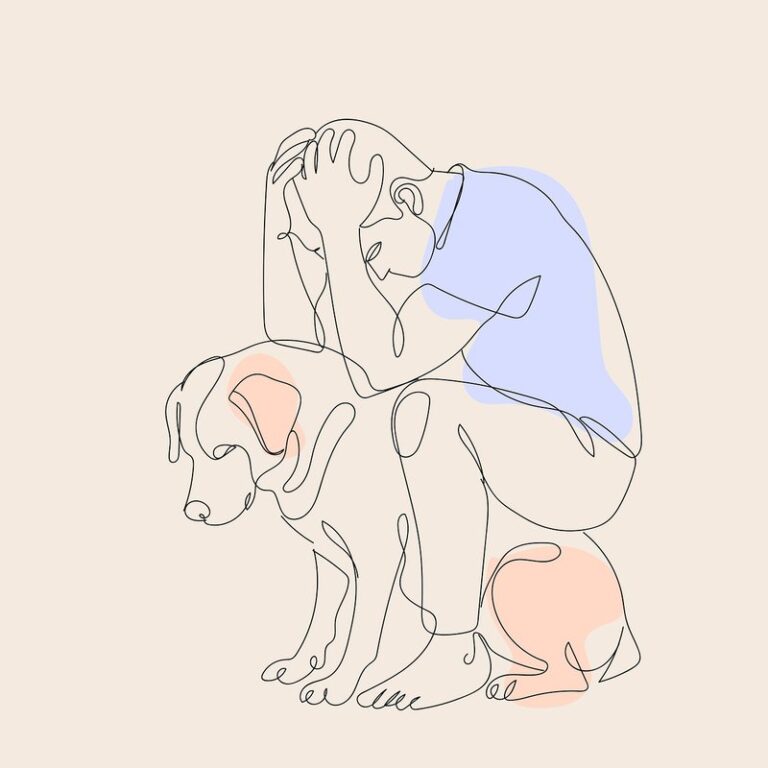
One line drawing is a unique technique where an image or subject is created using only one continuous line. This might sound restrictive, but it allows artists to focus on capturing the essence and character of their subjects without getting bogged down by details. The simplicity of this approach can also be incredibly liberating, allowing you to experiment with different styles and mediums.
To achieve a successful one line drawing, you’ll want to start by selecting the right medium. This could be a fine-tip pen, a pencil, or even a digital tool like a graphics tablet. Each option offers its own distinct characteristics that can impact the final result. For example, a pen might produce a bold, confident line, while a pencil might offer more nuance and subtlety.
Regardless of your chosen medium, remember that one line drawing is all about capturing the overall shape and contours of your subject. Focus on the positive space – where your subject resides – rather than trying to fill in details. By doing so, you can create a sense of balance and harmony within your composition.
History of One Line Drawing
One line drawing has a rich and diverse history that spans across ancient civilizations. In Egypt, hieroglyphics employed single lines to convey complex stories and emotions, while Chinese calligraphy used strokes of varying thickness and length to express the subtleties of language. These early examples demonstrate the versatility of one line drawing as a means of visual communication.
The technique has also been adopted by modern artists seeking to create striking and emotive pieces. Artists such as Henri Matisse and Egon Schiele employed one line drawing in their work, often using bold lines and expressive gestures to evoke powerful emotions. Their use of the technique highlights its ability to convey a sense of movement and energy.
In addition to its artistic applications, one line drawing has also been used in various forms of communication, including graphic design and illustration. Its simplicity and elegance make it an effective tool for conveying complex information in a clear and concise manner. When exploring the history of one line drawing, it’s essential to consider the cultural context in which it was developed. This understanding can provide valuable insights into its continued relevance and application today.
Tools and Materials
To master one line drawing, you’ll need some essential tools and materials that will help you get started on your creative journey. Let’s take a look at what you’ll need to begin.
Choosing the Right Medium
When it comes to creating one line drawings, the medium you choose can greatly impact the outcome. With advancements in technology, a range of tools are now available for digital drawing, from software like Adobe Illustrator and Sketchbook Pro to mobile apps like Autodesk Sketchbook and Paper by FiftyThree.
Each tool has its unique features that cater to different drawing styles and preferences. For instance, styluses like the Apple Pencil or Wacom Intuos offer precise control and natural line variation, ideal for creating delicate, expressive drawings. Digital drawing software, on the other hand, provides flexibility and versatility, allowing you to experiment with various brushes, layers, and effects.
If you prefer working traditionally, a range of digital styluses and drawing tablets are also available. These tools allow you to create smooth, fluid lines and take advantage of digital features like undo and redo buttons. Consider your personal comfort level and style when choosing a tool – some artists prefer the tactile experience of traditional media, while others enjoy the flexibility and precision offered by digital tools. Experimenting with different mediums can help you discover what works best for you and enhance your one line drawing skills.
Setting Up Your Workspace
A well-lit workspace is crucial for creating one-line drawings. Natural light is ideal, but if working indoors, invest in a good desk lamp to avoid harsh shadows on your paper. Position it directly above your drawing surface, about 20-30 inches away.
Ergonomic seating is also essential for comfort and focus. Choose a chair with adjustable height and lumbar support to maintain good posture while drawing. Consider investing in a standing desk or a drafting table to alternate between sitting and standing throughout the day.
Keep frequently used materials within easy reach, such as your pen, paper, and eraser. This will save you time and mental energy, allowing you to concentrate on the creative process. Store less essential items, like reference books or art supplies, in a nearby cabinet or shelf.
Consider setting up two separate workstations: one for drawing and another for planning and experimenting with different techniques. This will help you maintain a clean workspace while still having access to necessary tools and materials.
Basic Techniques
As you begin to experiment with one line drawing, it’s essential to master some fundamental techniques that will help you achieve smooth lines and confident strokes. Let’s start with the basics of hatching, cross-hatching, and stippling.
Contour Drawing
Contour drawing is a fundamental technique in one line drawing that involves creating an outline of an object or subject using a single line. To capture proportions accurately, start by lightly sketching the overall shape and structure of the subject with loose lines. Pay attention to the placement and relative size of features such as eyes, nose, mouth, and limbs.
Next, refine your lines to define edges and contours more precisely. Focus on capturing the subtle variations in shape and form that give your subject its unique character. To convey texture or detail, use short, expressive strokes that follow the contours of the object.
When contour drawing, it’s essential to capture the overall proportions of the subject before detailing specific features. A simple exercise is to draw a series of circles with varying diameters to practice judging relative size and proportion. As you work on your contour drawings, remember that the goal is not to create a realistic representation but to distill the essence of the subject into a simple, elegant line.
In contour drawing, it’s often helpful to break down complex forms into simpler shapes and lines.
Hatching and Cross-Hatching
Hatching involves creating a series of closely spaced parallel lines that follow the contours of an object. The direction and density of these lines determine the value and texture of the drawing. To achieve varying values, you can adjust the length of the hatching lines, with shorter lines producing darker areas and longer lines creating lighter ones.
Cross-hatching is achieved by layering hatching lines at different angles to create a web-like effect. This technique adds depth and dimensionality to your drawings. By combining hatching and cross-hatching, you can achieve a wide range of textures and values. For example, fine hatching lines with closely spaced parallel strokes can be used for details, while coarser cross-hatching is ideal for creating a sense of volume.
To master these techniques, practice drawing different subjects using varying line weights and densities. You can also experiment with different tools, such as pencils or pens, to achieve unique textures. Remember that the key to successful hatching and cross-hatching lies in controlling the line weight and density.
Advanced Techniques
Now that you’ve mastered the basics, it’s time to take your one line drawing skills to the next level by exploring more complex techniques and styles. From gesture drawing to abstract expressionism, we’ll show you how to create stunning pieces with just a single line.
Gesture Drawing
Gesture drawing is a fundamental technique for capturing the essence of a subject quickly and efficiently using expressive lines. This method involves rapidly sketching the overall pose, movement, and gesture of the subject, often without focusing on details or proportions. By applying gestural drawing to one-line drawings, you can create compelling pieces that evoke emotion and energy.
To get started with gesture drawing in one-line art, begin by setting a timer for a short interval – typically 1-5 minutes – depending on your comfort level. Choose a subject, whether it’s a still life, portrait, or animal, and quickly sketch the overall shape, movement, and flow of lines that capture its essence. Don’t worry about rendering details or proportions at this stage; focus solely on conveying the subject’s gesture.
As you practice gesture drawing in one-line art, pay attention to the following key elements: the direction and flow of lines, the use of energy and movement, and capturing the overall pose and attitude of the subject. Remember that gestural drawing is not about creating a precise or realistic representation but rather an expressive and dynamic interpretation of the subject.
Negative Space Composition
To create visually appealing compositions using negative space, focus on the empty areas around and within subjects. This means not just drawing what’s directly in front of you but also considering the surrounding environment and how it interacts with your subject.
When incorporating negative space into one-line drawings, think about the relationship between shape and form. For example, a person standing alone against a vast desert landscape can create an interesting dynamic when drawn using simple lines. The emptiness around them draws attention to their presence in that empty space.
To put this concept into practice, try creating simple compositions that focus on negative space. Use a single line or a few key lines to draw the subject and its surrounding environment. Consider using shapes and forms to create visual interest within the empty areas.
A good rule of thumb is to experiment with varying levels of detail in your drawings. Some areas can be left almost completely blank, while others are filled with intricate details. This contrast between fullness and emptiness creates a sense of depth and visual tension.
When incorporating negative space into one-line drawings, consider the following:
- Start with simple compositions that focus on the relationship between shape and form.
- Experiment with varying levels of detail to create visual interest within empty areas.
- Consider using shapes and forms to add depth and visual tension.
Tips for Success
Now that you’ve mastered the basics of one line drawing, let’s focus on what it takes to elevate your skills and create truly exceptional pieces.
Overcoming Common Challenges
Proportions can be a major challenge when creating one line drawings. To overcome this, it’s essential to observe and study the shapes and forms of the subject matter. One way to achieve accuracy is by breaking down complex subjects into simple geometric shapes, such as spheres, cylinders, or rectangles. This process helps you focus on capturing the essence rather than getting bogged down in details.
Another common difficulty is with lines themselves – maintaining consistency in line weight, smoothness, and flow can be tricky. Practice drawing different types of lines, like hatching and cross-hatching, to develop your skills. It’s also helpful to experiment with various tools or mediums that allow for greater control over line quality.
Pacing is another challenge many artists face when working on one line drawings. It’s not uncommon for the initial excitement to wear off mid-project, leaving you feeling stuck or uncertain about how to proceed. To avoid this, try breaking your drawing into smaller sections or even setting a timer to work in short intervals. This can help maintain focus and momentum throughout the process.
Experimenting with Different Styles
One line drawing is a versatile medium that allows you to experiment with various styles and techniques. To push your art forward, try combining different styles, such as gestural contour drawing with hatching or cross-hatching. For instance, you can use bold lines to create a more expressive piece, while incorporating subtle shading to add depth.
Experimenting with different line weights is also essential. Thicker lines can be used for dramatic effects, while thinner lines can add subtlety and nuance. You can also play with the direction of your lines, using diagonal or curved strokes to create dynamic compositions.
Some artists choose to focus on negative space composition, where the subject is defined by what’s not drawn rather than what is. Others may opt for a more realistic approach, carefully rendering every detail in precise one line strokes. Whatever style you choose, remember that practice and experimentation are key to mastering this art form.
Inspiration and Practice
Now that you’ve got a grasp on the basics, let’s explore how to cultivate your creativity and develop consistent practice through one-line drawing exercises and daily prompts.
Finding Inspiration
One line drawing can be inspired by a wide range of sources. Start by looking at the world around you: observe the intricate patterns on tree bark, the geometric shapes of buildings, and the flowing curves of water. Take note of how these natural forms can be simplified into clean lines and basic shapes. Architecture, for instance, offers endless opportunities to practice one line drawing. From the soaring arches of Gothic cathedrals to the sleek minimalism of modern skyscrapers, there’s no shortage of subjects to draw.
Nature is another potent source of inspiration. Study the way a leaf’s veins branch out from its stem or the delicate ridges on a rock’s surface. Note how these patterns can be translated into simple lines and shapes. You can also find inspiration in literature – read descriptions of landscapes, cityscapes, or abstract concepts, and try to visualize them as one line drawings.
In addition to visual sources, explore other forms of art for inspiration. Look at the works of other one line artists, both past and present. Pay attention to how they use different techniques, such as varying line weights or experimenting with negative space, to create unique effects. You can also draw from other visual media like photography or film – observe the way a photographer composes a shot or a filmmaker uses camera angles to create mood.
When incorporating these sources into your one line drawing practice, remember that it’s not about copying exactly what you see. Instead, focus on capturing the essence of the subject in simple, expressive lines. Experiment with different techniques and styles until you find what works best for you.
Frequently Asked Questions
Can I use one line drawing in commercial projects?
Yes, one line drawings can be used in various commercial applications such as graphic design, illustrations for children’s books, and even architectural visualizations. However, it’s essential to ensure that your work is original and not infringing on any copyrights.
How do I know when my one line drawing is “good enough”?
The quality of a one-line drawing can be subjective, but some indicators include the balance between simplicity and detail, effective use of negative space, and the ability to evoke an emotional response from the viewer. Experiment with different techniques and styles to develop your unique voice.
Can I combine one line drawing with other art styles or mediums?
Yes, you can blend one line drawing with other art styles or mediums to create unique pieces. For example, you could combine traditional media like watercolor or ink with digital tools to add texture and depth. This experimentation is encouraged as it allows for innovation and growth.
What if I’m struggling to capture proportions in my one-line drawings?
When capturing proportions, focus on observing the subject’s overall shape and structure rather than individual details. Practice drawing simple forms and shapes before moving on to more complex subjects. You can also use measurements and guidelines to help achieve accuracy.
Can I create one line drawings for abstract or conceptual art pieces?
Yes, one line drawing can be applied to various themes and styles beyond representational art. Abstract concepts like emotions, ideas, or experiences can be conveyed through expressive lines, shapes, and forms. This flexibility is a significant benefit of mastering the technique.