
Concept art has long been an unsung hero behind some of the most iconic films, games, and books we’ve ever known. Without its power to bring imagination to life, our favorite characters and worlds would be nothing more than a blank page or empty screen. This is where concept artists come in – visionaries who use their skills to create immersive environments and memorable characters that transport us to new dimensions.
From the earliest days of animation to today’s blockbuster movies, concept art has played a pivotal role in shaping visual storytelling. But what exactly goes into creating this magic? What techniques do professionals use to bring their ideas to life? In this article, we’ll delve into the world of concept art, exploring its importance throughout history, types used by artists, and techniques that make it all happen.
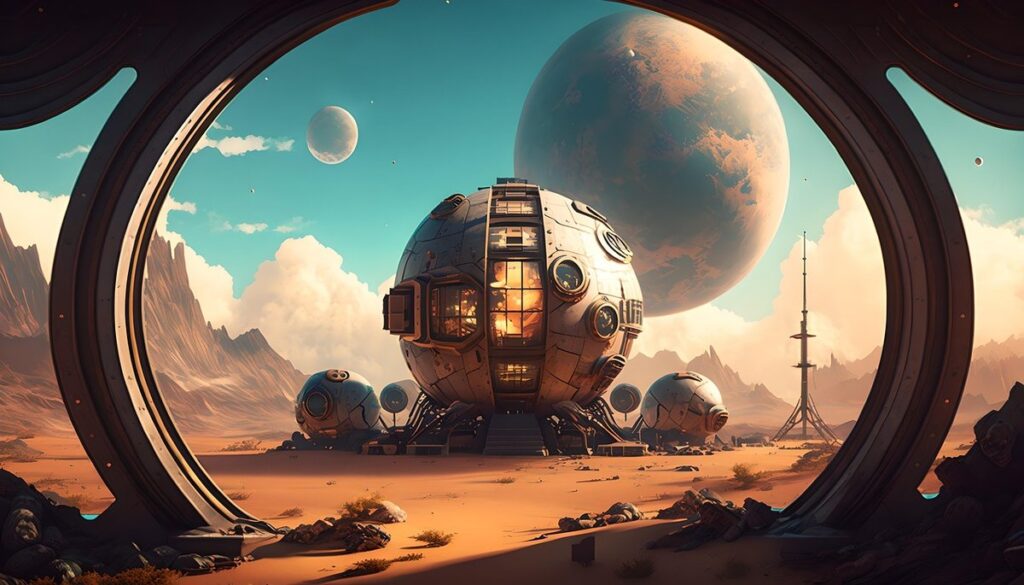
Introduction to Concept Art
Concept art is more than just a pretty picture, it’s a crucial tool for filmmakers and game developers to bring their vision to life. Let’s dive into what concept art entails.
What is Concept Art?
Concept art is a vital part of the creative process, serving as a visual representation of an idea or concept before it’s brought to life. It’s not just about creating beautiful artwork; it’s about communicating the essence and tone of a story, character, or environment through a single image. For artists, designers, and storytellers, concept art is a powerful tool for conveying their vision to others.
At its core, concept art is a form of visual shorthand that distills an idea into its most fundamental elements. It requires the artist to think critically about the world they’re creating and to identify what’s essential to its success. By boiling down complex ideas into simple yet evocative images, concept artists can spark important conversations with team members, directors, or producers.
To create effective concept art, try to focus on capturing the emotional resonance of your idea rather than trying to illustrate every detail. Ask yourself: “What’s the core feeling I want to convey?” or “What’s the most critical aspect of this story that needs to be understood?” By answering these questions and applying them to your artwork, you can create concept art that truly illuminates your vision.
History of Concept Art
Concept art has been an essential part of visual storytelling for centuries. The evolution of concept art can be attributed to several notable artists who have made significant contributions to the development of this field.
One of the pioneers of concept art is Jean Giroust, a French artist from the 18th century who created detailed illustrations of architectural and interior designs. His work laid the foundation for concept art’s role in envisioning and communicating design ideas. In the early 20th century, artists like Syd Mead and Zoran Janjetov began experimenting with futuristic and sci-fi concepts using traditional mediums.
The advent of digital tools in the latter half of the 20th century revolutionized concept art. Artists like Ralph McQuarrie and Doug Chiang popularized concept art for film and television productions, creating iconic characters and worlds that are still revered today. Their work not only showcased the versatility of digital tools but also emphasized the importance of concept art in bridging the gap between creative vision and practical execution.
The impact of these pioneers can be seen in modern-day concept artists who continue to push the boundaries of visual storytelling using a range of mediums, from 2D software to VR experiences.
Types of Concept Art
Concept art comes in many forms, each serving a unique purpose in bringing your vision to life. Let’s explore the different types and how they contribute to the creative process.
Visual Development: From Script to Storyboard
As concept artists, we play a crucial role in visual development by bridging the gap between script and final product. One of the most critical steps in this process is translating scripts into storyboards and animatics. A storyboard serves as a visual representation of the sequence of events in a scene, breaking down complex ideas into manageable chunks. It’s an essential tool for filmmakers, animators, and game developers to explore different pacing, camera angles, and character interactions.
A well-crafted storyboard can make or break the success of a project. By using rough sketches and simple colors, concept artists can experiment with various styles and moods without committing to final art. This allows directors and producers to visualize the story’s flow and identify potential issues early on. To create an effective storyboard, start by breaking down the script into key beats and events. Use sticky notes or digital tools like Adobe Story to block out the scene’s layout and camera movements. Remember, a storyboard is not just about drawing pretty pictures – it’s about telling a story through visuals.
Character Design and Modeling
When it comes to creating engaging concept artwork, character design and modeling play a crucial role. This is where artists bring characters to life, infusing them with personality, emotion, and depth. To achieve this, concept artists employ various techniques for creating realistic and stylized characters.
One of the key software tools used in character modeling is 3D computer-aided design (CAD) software like Blender or Maya. These programs allow artists to create complex models from scratch, complete with intricate details and textures. For example, a fantasy artist might use Blender to craft an elaborate sword or armor for their protagonist.
On the other hand, traditional mediums like pencil and paper can also produce stunning character designs. This method allows for more expressive lines, texture, and atmosphere, making it ideal for stylized or comic book-inspired characters. To achieve this look, artists focus on gesture drawing, simplifying forms, and emphasizing key features.
When working on character design, remember that less is often more. Focus on capturing the essence of your character rather than trying to create a perfect, realistic representation. This will help you convey their personality and traits in an efficient and effective manner.
Environment Art: From Concept to Reality
When it comes to concept art, environment art is an essential component that brings a world to life. A well-crafted environment sets the tone for the story and immerses viewers in the narrative. But creating believable environments requires more than just aesthetic appeal; functionality must also be considered.
To strike this balance, artists use various techniques such as establishing a clear color palette, using atmospheric effects to create depth, and incorporating realistic architecture and lighting. For instance, concept artist Nathan Fowkes’ work on the film “Percy Jackson” showcases how environment art can transport viewers into a fantastical world. By paying attention to these details, artists can ensure that their environments are not only visually stunning but also believable and engaging.
When creating an environment, think about what kind of story you want to tell through your artwork. Consider the mood, atmosphere, and overall tone you want to convey. Think of it as building a set – each element should contribute to the larger narrative. By keeping these principles in mind, you can create environments that transport viewers into new worlds and enhance their visual storytelling experience.
The Role of Concept Art in Storytelling
Concept art serves as a visual foundation for storytelling, helping artists and writers to solidify their ideas before diving into production. Let’s explore its role in bringing worlds and characters to life.
Storyboarding and Pacing
Concept art plays a vital role in informing storyboarding and pacing, ensuring that visual elements align with narrative goals. When it comes to storytelling, timing and flow are crucial components that concept artists must consider. A well-crafted concept art piece can help establish the tone and atmosphere of a scene, guiding the viewer’s attention and emotions.
Storyboarding is where concept art truly shines, as it helps artists visualize the sequence of events and pacing of the narrative. By creating thumbnails or rough sketches, concept artists can test different approaches to pacing and timing, making adjustments before moving on to more detailed storyboards. This iterative process ensures that the final product effectively conveys the intended message.
For instance, in a fast-paced action scene, concept art might focus on quick cuts and dynamic camera angles, emphasizing movement and energy. In contrast, a romantic or introspective scene might employ softer colors and slower pacing, allowing for a more contemplative atmosphere. By marrying visual storytelling with narrative goals, concept artists can craft engaging sequences that captivate audiences and draw them into the world of the story.
Visual Style and Mood
Concept art plays a vital role in establishing the visual style and mood of a project. By influencing color palettes, composition, and overall aesthetic, concept artists set the tone for the entire narrative. This is particularly evident in films and video games where a consistent visual identity helps to draw audiences into the story.
To create distinct atmospheres through color and composition, concept artists employ various techniques. For instance, warm colors like oranges and yellows can evoke feelings of comfort and nostalgia, while cool colors such as blues and purples often convey a sense of calmness or eeriness. The placement of characters and objects within a scene also significantly impacts the mood. Artists use negative space to create a sense of isolation or emptiness, while densely populated scenes can be overwhelming.
When working on a project, it’s essential for concept artists to collaborate closely with writers and directors to ensure that the visual style aligns with the narrative goals. This ensures that every aspect of the story, from characters’ personalities to environments’ textures, reinforces the overall tone and mood.
The Collaborative Process: Concept Artists and Other Professionals
Concept artists often rely on input from other professionals, such as writers, directors, and designers, to bring their ideas to life. Let’s take a closer look at how collaboration shapes concept artwork in the industry.
Working with Writers and Directors
Collaborating with writers and directors is a crucial aspect of creating concept artwork that accurately represents the visual story. As a concept artist, you’ll often find yourself working closely with these creatives to ensure that every detail aligns with their vision. Effective communication is key here – it’s essential to establish clear goals and expectations from the outset.
To facilitate this collaboration, consider implementing regular feedback loops. Schedule recurring meetings or sessions where writers and directors can share their thoughts on your work in progress. This allows for timely adjustments, ensuring that everyone is on the same page.
For instance, during pre-production on a fantasy film, a concept artist might be tasked with designing a mythical creature’s habitat. The writer may provide detailed notes about the creature’s personality, habits, and environment, while the director offers visual references from other films or art styles. By incorporating this feedback into your design process, you’ll create a cohesive world that resonates with the story’s tone.
In these meetings, remember to ask questions like “What is the core idea behind this character/habitat?” or “How can we visually convey their emotional journey?” Encourage open discussion and don’t be afraid to offer suggestions based on your expertise. By working together, you’ll not only meet but exceed expectations, resulting in concept artwork that brings the story to life.
Balancing Creative Vision with Production Requirements
As concept artists navigate the collaborative process, they often find themselves caught between two competing demands: staying true to their artistic vision and meeting the production requirements of a project. Achieving both aesthetic excellence and practical feasibility can be a delicate balancing act.
One key strategy is to establish clear communication channels with other professionals involved in the project. This includes producers, directors, and designers who may have differing opinions on what is feasible or desirable. By actively listening to their concerns and incorporating their feedback into the design process, concept artists can adapt their vision without sacrificing its essence.
Another approach is to develop a deep understanding of the production constraints from the outset. This might involve researching the project’s budget, schedule, and technical limitations. By knowing what can be realistically achieved within these parameters, concept artists can refine their ideas and focus on the most impactful elements that meet both artistic and practical needs.
In practice, this might mean making tough choices about where to allocate resources or compromising on certain aspects of a design in order to meet production deadlines. However, by staying flexible and open-minded throughout the process, concept artists can ultimately deliver artwork that meets both their creative vision and the project’s requirements.
Tools and Techniques: Software and Methods for Concept Artists
As a concept artist, it’s essential to have the right tools at your fingertips. Here, we’ll explore the top software and methods used by professionals in the field.
Overview of Software Used in Concept Art
Concept artists rely on a range of software tools to bring their ideas to life. Adobe Photoshop and Illustrator are two industry staples, used for creating 2D concept art. Photoshop’s versatility allows artists to manipulate images, apply textures, and experiment with color palettes. It’s often the go-to tool for developing character designs, environments, and visual effects.
Illustrator, on the other hand, excels at vector graphics, making it ideal for creating detailed line work, logos, and typography. Its precision and scalability make it perfect for designs that need to be resized without losing quality. Many concept artists start with a rough sketch in Illustrator before moving to Photoshop for further refinement.
3D modeling software like Maya or Blender is used for more complex projects, such as character rigging, animation, and environmental design. These programs allow artists to create and manipulate 3D objects, add textures and lighting, and even animate their designs. While they can be intimidating to learn, the benefits of using 3D software far outweigh the initial investment.
When choosing a software tool, it’s essential to consider your project’s specific needs and skill level. Experimenting with different programs will help you find the one that best suits your workflow.
Traditional vs. Digital Mediums
As concept artists, you have the freedom to choose between traditional mediums and digital tools to bring your ideas to life. Both approaches have their unique advantages and limitations.
Traditional mediums like pencils, charcoal, and paint offer a tactile experience that can be very expressive and intuitive. Many concept artists swear by the ability of traditional media to capture subtle textures and color nuances. For instance, a sketch drawn with graphite pencil can convey a sense of softness or fragility that might be difficult to achieve digitally. However, working traditionally can also be time-consuming and labor-intensive, requiring more physical effort and potentially resulting in less refined details.
Digital tools, on the other hand, offer unparalleled flexibility and scalability. You can work at any resolution, make edits with ease, and experiment with different styles and techniques without wasting materials or time. Digital painting software like Procreate or Corel Painter can mimic traditional media’s texture and color capabilities while allowing for more precision and control.
Ultimately, the choice between traditional and digital mediums depends on your personal preference, style, and the project requirements. Many concept artists use a combination of both to achieve the best results.
Conclusion: The Value of Concept Art in Visual Storytelling
In conclusion, concept art plays a vital role in visual storytelling, serving as the foundation for bringing imaginative worlds and characters to life. By investing time and effort into creating strong concept artwork, you can elevate your projects and captivate audiences more effectively. For instance, think about how iconic franchises like Disney or Marvel have relied on concept art to define their universes and characters.
As you continue to develop your skills in concept art, remember that it’s not just about aesthetics; it’s also about storytelling and communication. Effective concept art conveys the tone, mood, and themes of a project, allowing artists, writers, and directors to collaborate more efficiently.
Frequently Asked Questions
Can I learn concept art without any prior experience or drawing skills?
Yes, it’s possible to learn concept art with no prior experience, but having a solid understanding of the fundamentals of art and design is helpful. You can start by learning the basics of visual storytelling, color theory, and composition. Online tutorials, classes, and practice are great ways to develop your skills.
How do I choose between traditional mediums and digital software for concept art?
Both traditional and digital mediums have their own advantages. Traditional mediums like pencils, markers, or paints offer a tactile experience and can be more expressive. Digital software like Adobe Photoshop or Sketchbook Pro provides flexibility, scalability, and ease of editing. Consider your personal preference, the project’s requirements, and the tools you’re most comfortable with.
How do I collaborate effectively with writers, directors, or other professionals on concept art projects?
Effective collaboration involves clear communication, respect for others’ vision, and an openness to feedback. Establish a common language and understanding of the project’s goals. Be prepared to revise and iterate based on input from others. Use online platforms, like Slack or email, to share files, communicate ideas, and schedule meetings.
Can I create concept art on my own or do I need a team?
While it’s possible to work solo, having a team can be beneficial for larger projects or those requiring diverse skills. Concept artists often specialize in specific areas, such as character design or environmental art. Consider collaborating with other professionals or joining online communities for support and feedback.
How do I balance the creative vision of concept art with production requirements and budget constraints?
Yes, it’s essential to strike a balance between artistic vision and practical considerations like budget and schedule. Be aware of the project’s goals, target audience, and available resources. Prioritize key elements, negotiate compromises when necessary, and communicate regularly with stakeholders to ensure everyone is aligned with the project’s objectives.