
Jazz and blues music have been a staple of American culture for decades, but their roots run far deeper. Born from African American traditions, these genres have evolved over time to incorporate various styles and influences. From New Orleans’ Congo Square to Chicago’s blues clubs, jazz and blues have traversed geographical and cultural boundaries, leaving an indelible mark on modern music. Contemporary artists continue to draw inspiration from these roots, incorporating elements of jazz and blues into their own unique sounds. Whether it’s the improvisational freedom of jazz or the soulful expression of the blues, these genres remain integral to the musical landscape. By exploring the historical development of jazz and blues, you’ll gain a deeper understanding of their enduring impact on contemporary artists and styles.
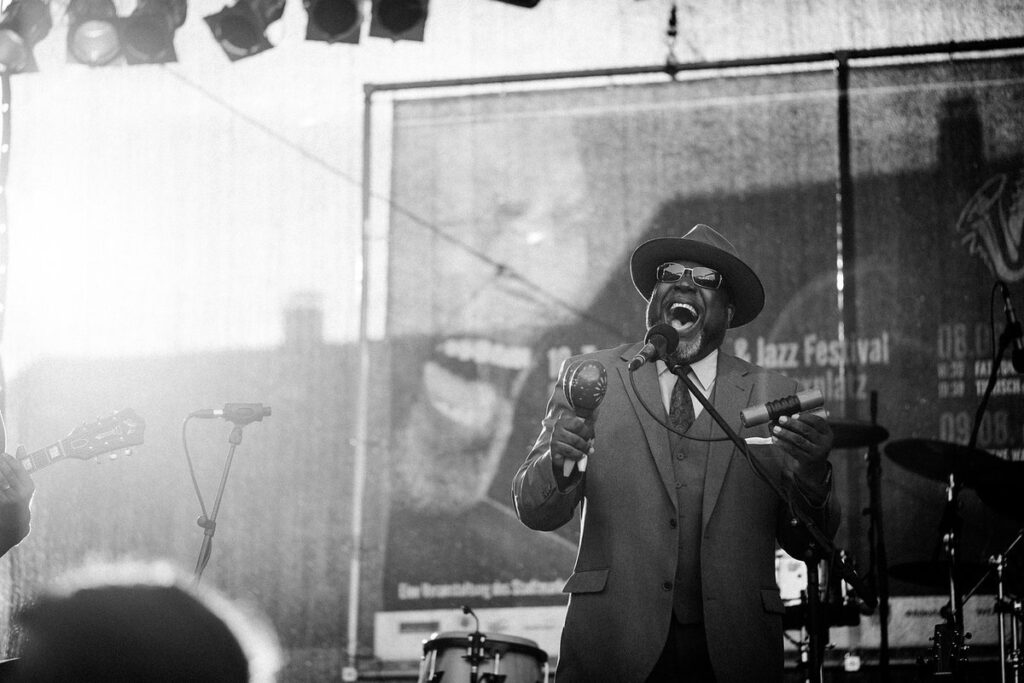
Understanding the Roots: Early Beginnings of Jazz
Jazz music has its roots in African American communities in the southern United States during the late 19th and early 20th centuries, where it evolved from blues and ragtime traditions. This section looks back at those pivotal early beginnings.
African American Musical Traditions
African American musical traditions brought a rich cultural heritage to the development of jazz. Enslaved Africans transported their musical styles and techniques across the Atlantic, where they merged with European instruments and harmonies. Call-and-response patterns, common in African music, allowed for community participation and storytelling through song. These patterns are evident in African American spirituals and work songs, which shared a sense of communal expression.
Polyrhythms, another essential element from Africa, added complexity to early jazz. By layering multiple rhythms, musicians created a sense of tension and release that captivated audiences. For example, the use of polyrhythms can be heard in the music of Fela Kuti, who drew on African influences to create his own unique sound.
Blue notes, also rooted in African music, gave jazz its distinctive emotional resonance. These lowered third and seventh scale degrees created a sense of melancholy or tension that expressed the blues experience. The convergence of these musical elements laid the groundwork for the improvisational nature of jazz, allowing musicians to express themselves freely while still honoring their cultural heritage.
European Classical and Folk Influences
Classical music and folk traditions significantly influenced the development of early jazz. Composers like Erik Satie and Claude Debussy experimented with unconventional harmonies and tonalities that resonated with jazz pioneers like Louis Armstrong. The classical tradition’s emphasis on improvisation, which was a key aspect of jazz from its inception, also played a crucial role in shaping the genre.
Marches, such as John Philip Sousa’s “The Stars and Stripes Forever,” introduced early jazz musicians to the concept of building tension through repetition and dramatic climaxes. Ragtime, popularized by Scott Joplin’s “Maple Leaf Rag,” further influenced the development of jazz piano and syncopated rhythms.
Jazz musicians drew upon these influences, incorporating them into their own compositions and improvisations. For instance, Armstrong often referenced classical music in his performances, adapting themes from works like Debussy’s “Prelude to the Afternoon of a Faun” into his own solo improvisations. By understanding the historical context of jazz’s development, musicians today can appreciate the evolution of musical styles and apply these insights to their own creative endeavors.
The Emergence of Jazz in New Orleans
New Orleans’ unique cultural landscape proved the perfect breeding ground for jazz, a genre that blossomed from African and European influences. This rich heritage laid the foundation for what would become an iconic American sound.
Birthplace of Jazz: New Orleans’ Unique Cultural Blend
New Orleans’ African American community played a pivotal role in shaping the city’s unique cultural blend, which ultimately gave birth to jazz. This blend was characterized by the fusion of African rhythms, European instrumentation, and Caribbean melodic structures. Enslaved Africans brought their own musical traditions, including call-and-response patterns and polyrhythms, which were influenced by the transatlantic slave trade.
The city’s strategic location at the mouth of the Mississippi River made it a melting pot for various cultures. African American musicians incorporated elements from other styles, such as blues, ragtime, and gospel music. Congo Square, a designated area in New Orleans, became an essential hub for African American musical expression. On Sundays, enslaved Africans would gather here to play their own instruments, sing, and dance.
This cultural blend is evident in the early jazz musicians, including Buddy Bolden and Jelly Roll Morton, who drew upon the rich musical heritage of their community. The unique sound that emerged from this cultural exchange laid the groundwork for the development of jazz as we know it today.
Early Jazz Pioneers: Buddy Bolden and Jelly Roll Morton
Buddy Bolden’s cornet playing was instrumental in developing the unique blend of African-American music traditions that characterized early jazz. His improvisational skills and ability to merge blues and ragtime influences helped lay the groundwork for later innovators. Meanwhile, Jelly Roll Morton’s contributions were just as significant. As one of the first great figures in jazz, he expanded upon Bolden’s ideas, developing a more sophisticated style that incorporated classical elements.
Morton’s repertoire included complex compositions that showcased his mastery of harmony and melody. His involvement with influential musicians such as Sidney Bechet helped spread his innovations throughout New Orleans. The two musicians’ contributions serve as an important reminder that jazz emerged from the collective efforts of numerous pioneers, each bringing their unique perspective to the genre. By examining the work of early figures like Bolden and Morton, we can better understand the evolution of jazz and its enduring legacy in music today.
The Blues: Origins and Style
The Blues, a genre rooted in African-American music traditions, has its own unique story of evolution, shaped by influences from work songs to Delta blues.
Delta Blues: A Soulful Sound from the Mississippi Delta
Delta blues is characterized by its raw emotional intensity and storytelling style. Born from the struggles and hardships of the Mississippi Delta region during the early 20th century, delta blues musicians like Robert Johnson and Son House poured their souls into their music. Their songs are often personal narratives that draw listeners in with vivid descriptions of everyday life, love, loss, and hardship.
The unique sound of delta blues is shaped by its distinctive instrumentation – primarily the guitar, harmonica, and vocals. The 12-bar blues structure provides a foundation for musicians to experiment with improvisation and emotive expression. As a result, delta blues often feels more like a personal confessional than a polished performance. This emotional authenticity has made delta blues a cornerstone of the genre’s enduring influence.
To truly experience the essence of delta blues, seek out classic recordings by Robert Johnson or Son House, who are widely regarded as among the most influential musicians in the genre’s history. Pay attention to the way their voices crack with emotion and the raw, unbridled passion that drives their performances.
Chicago Blues: Urbanization and Electric Instruments
As blues musicians moved from rural areas to cities like Chicago, they were exposed to new sounds and influences. The urbanization of blues led to a fusion with other musical styles, such as jazz and gospel. This blending of genres can be heard in the work of artists like Robert Johnson and Muddy Waters.
The adoption of electric instruments was another significant factor in transforming the sound of the blues. Guitars and amplifiers gave blues musicians a new level of sonic expression, allowing them to create complex, driving rhythms and soaring solos. The electric guitar became an integral part of the blues sound, with players like T-Bone Walker and Chuck Berry popularizing its use.
The city also provided opportunities for musicians to record and distribute their music more widely. This exposure helped to spread the blues beyond regional audiences, contributing to its growth in popularity during the 1920s to 1940s. The combination of urbanization, electric instruments, and increased accessibility paved the way for the development of new subgenres within the blues, such as Chicago blues.
The Intersection of Jazz and Blues
Jazz and blues music have long been intertwined, influencing each other’s development as they evolved from traditional African-American musical styles. We’ll explore the unique intersection of these two genres.
Swing and Big Bands: Jazz Meets the Masses
Swing music’s commercial breakthrough was a direct result of its unique blend of jazz and blues elements. By incorporating the improvisational spirit of jazz with the emotive, storytelling quality of blues, swing musicians created a sound that appealed to a broad audience. The 1930s saw the rise of big bands, led by charismatic leaders like Duke Ellington and Count Basie, who skillfully combined intricate jazz arrangements with the raw emotional power of blues.
Swing’s mass appeal can be attributed in part to its danceability – swing music was perfectly suited for the energetic, collective experience of ballroom dancing. This fusion also allowed for greater musical experimentation, as musicians pushed the boundaries of both styles while still maintaining a sense of structure and cohesion. The likes of Benny Goodman and Artie Shaw further popularized swing with their hit recordings and live performances, introducing jazz and blues to a wider public and paving the way for future generations of musicians.
Bebop and Cool Jazz: Jazz’s Response to Swing and Blues Influences
Bebop and Cool Jazz emerged as a direct reaction against swing’s dominance in the 1940s. These styles sought to break free from swing’s emphasis on virtuosity, instead focusing on experimentation and pushing the boundaries of improvisation. Bebop, characterized by fast tempos and complex chord progressions, was pioneered by musicians like Charlie Parker and Dizzy Gillespie.
Cool Jazz, which emerged in the 1950s, took a more subtle approach, incorporating elements of classical music and relaxed tempos to create a smoother sound. Musicians such as Miles Davis and Chet Baker were instrumental in shaping this style. Cool Jazz’s emphasis on subtlety and nuance was a response to swing’s flashy virtuosity.
In contrast to swing’s reliance on showmanship and crowd-pleasing, Bebop and Cool Jazz prioritized individual expression and creativity. This shift marked a significant turning point in jazz history, as musicians began to focus on exploring new sounds and techniques rather than merely entertaining the masses. As a result, these styles paved the way for future innovations in jazz, influencing everything from free jazz to acid jazz.
Legendary Artists and Their Contributions
Pioneering musicians such as Louis Armstrong, Bessie Smith, and Robert Johnson laid the foundation for the evolution of jazz and blues music. Their innovative styles continue to inspire new generations of artists.
Louis Armstrong: Pioneering Trumpeter and Vocalist
Louis Armstrong’s impact on jazz and blues was profound, earning him a place as one of the most influential musicians of the 20th century. As a trumpeter, he revolutionized the instrument with his innovative style, which combined melodic phrasing with a more relaxed approach to rhythm. This marked a significant departure from the traditional trumpet playing of the time, which emphasized technical proficiency over emotional expression.
Armstrong’s singing style also had a lasting impact on jazz and blues. His gravelly voice and unique phrasing added a new dimension to vocal performance, influencing countless singers who followed in his footsteps. Artists such as Ella Fitzgerald and Billie Holiday often credited Armstrong with inspiring their own vocal approaches.
Armstrong’s contributions extend beyond his music itself – he was also an important figure in the popularization of jazz, bringing it to a wider audience through his tours and recordings. His charismatic stage presence and accessibility helped break down cultural barriers, paving the way for future generations of musicians to experiment with and interpret the blues.
B.B. King: Blues Guitar Legend
B.B. King’s guitar playing redefined the sound of electric blues. His expressive vibrato and string bends created a unique voice on the instrument. This was largely due to his use of the Gibson Lucille, a guitar that became iconic in its own right.
King’s style emphasized tone and phrasing over flashy technique or speed. He focused on conveying emotions through music, often with just a few notes. This approach had a significant impact on subsequent blues musicians, who sought to create similarly emotive performances.
Many notable artists have been influenced by King’s playing, including Eric Clapton and Stevie Ray Vaughan. Even today, his music remains widely popular, introducing new generations to the power of blues guitar work.
The Legacy of Jazz and Blues in Modern Music
The sounds of jazz and blues continue to influence contemporary artists, from classic fusion to modern rock, pop, and electronic music genres. You’ll hear the echoes of these musical pioneers in surprising places.
Fusion Genres: Jazz-Rock, Funk, and Beyond
Jazz and blues have been at the forefront of musical innovation, spawning a wide range of fusion genres that continue to shape the sound of popular music. One of the most notable examples is jazz-rock, which emerged in the 1960s with artists like Miles Davis and John Coltrane incorporating electric instruments into their traditional jazz sound. This led to the development of iconic bands such as Weather Report and Return to Forever.
Another key genre is funk, which was heavily influenced by blues and soul music. Artists like James Brown and Sly and the Family Stone used syncopated rhythms and horn sections to create a unique sound that blended the best of both worlds. Funk’s influence can be heard in later genres like disco and hip-hop, with artists like Parliament-Funkadelic and The Roots drawing on funk’s rhythmic and harmonic vocabulary.
Hip-hop itself is a genre deeply rooted in jazz and blues traditions, with many early MCs sampling jazz and blues records to create new sounds. Artists like Kendrick Lamar and J Dilla have continued this tradition, incorporating live instrumentation and jazz-influenced harmonies into their music. By understanding the roots of these fusion genres, musicians can tap into a rich legacy of innovation and creativity that continues to shape the course of modern music.
Contemporary Artists Drawing from Jazz and Blues Traditions
Many contemporary artists draw from jazz and blues traditions in their work. Guitarists like John Mayer and Gary Clark Jr. have cited blues legends like Albert King and B.B. King as influences on their playing style. Mayer’s music often incorporates complex chord progressions reminiscent of jazz, while Clark’s guitar work is deeply rooted in the blues.
Other artists, such as Amy Winehouse and Adele, have been heavily influenced by soul and blues singers like Aretha Franklin and Etta James. Their emotive vocals and songwriting styles pay homage to these legends. Winehouse’s music often featured a blend of jazz and soul influences, while Adele’s heart-wrenching ballads owe a debt to the emotional intensity of classic blues.
For artists looking to tap into the rich heritage of jazz and blues, studying the works of these pioneers can be incredibly rewarding. Analyze the chord progressions, melodic motifs, and lyrical themes in their music. Experiment with incorporating these elements into your own work, but don’t simply imitate – add your unique perspective and style. By drawing from the traditions of jazz and blues, you can create something truly innovative and meaningful.
Conclusion: The Enduring Power of Jazz and Blues
As we conclude our journey through the evolution and influence of jazz and blues, let’s reflect on what makes these genres enduringly powerful and relevant today. Their timeless appeal continues to captivate audiences worldwide.
Final Thoughts on the Timeless Appeal of Jazz and Blues Music
Jazz and blues music have left an indelible mark on American musical heritage. Their unique sound and styles have influenced generations of musicians across various genres, from rock to hip-hop. The enduring appeal of these genres lies in their ability to evoke emotions, tell stories, and provide a platform for self-expression.
The improvisational nature of jazz, which allows for spontaneous creativity and experimentation, has inspired countless artists to push the boundaries of their craft. Similarly, the blues’ raw emotional intensity has given voice to experiences that were previously silenced or marginalized. These qualities have enabled jazz and blues to transcend time and cultural barriers, continuing to resonate with audiences today.
One reason for their timeless appeal is their capacity to adapt and evolve alongside changing societal conditions. Jazz and blues musicians have consistently responded to the needs of their times, addressing issues such as social justice, love, and heartache. For instance, artists like Billie Holiday and Nina Simone used their music as a platform for civil rights activism during the 1950s and ’60s. This capacity for evolution has allowed jazz and blues to remain relevant, even in the face of shifting musical landscapes.
Ultimately, the significance of jazz and blues lies not only in their historical importance but also in their continued influence on contemporary music. By studying these genres and understanding their evolution, musicians can tap into a rich legacy of innovation and creativity. Whether you’re a seasoned musician or an aspiring artist, exploring the world of jazz and blues offers a wealth of inspiration and guidance for your own creative journey.
Frequently Asked Questions
Can I learn to play jazz and blues music even with no prior experience?
Yes, anyone can learn to play jazz and blues music regardless of their musical background. The key is to start with the basics, such as understanding the fundamentals of rhythm, melody, and harmony, and then gradually move on to more complex techniques.
How do I choose between swing, bebop, and cool jazz when starting out?
The choice ultimately depends on your personal preference and goals. Swing is great for beginners who want a more accessible style, while bebop and cool jazz are better suited for those who enjoy more challenging and improvisational music. Experiment with different styles to find what suits you best.
What if I’m not a skilled musician but still want to appreciate jazz and blues?
You can still appreciate and enjoy jazz and blues even without being a skilled musician. Listen to recordings, attend live performances, and explore the rich history and cultural context of these genres to deepen your understanding and appreciation.
Can I apply jazz and blues techniques in my own musical style or genre?
Absolutely! Jazz and blues have had a profound influence on many styles of music, from rock to hip-hop. Experiment with incorporating elements like improvisation, syncopated rhythms, and blue notes into your own music to create something unique and innovative.
How can I stay up-to-date with contemporary jazz and blues artists and their work?
Follow reputable music blogs and online publications that cover the latest developments in jazz and blues. Attend concerts and festivals, and explore streaming platforms that feature emerging and established artists in these genres.