
Starting a story is often where authors struggle to hook their readers, and for good reason. It’s a delicate balance between introducing your world, characters, and plot while keeping the reader engaged enough to want more. A strong opening sets the tone for the rest of the narrative and can make all the difference in whether or not readers continue beyond the first few pages. Whether you’re writing a novel, short story, or even script, crafting an effective beginning is crucial. Unfortunately, many writers fall into common pitfalls like info dumping, meandering introductions, or relying too heavily on tropes. But with expert techniques and real-life examples from literature, you can learn how to craft a strong story opening that will hook your readers effectively and keep them turning the pages. By the end of this article, you’ll know exactly what makes a compelling story start and how to create one for yourself.
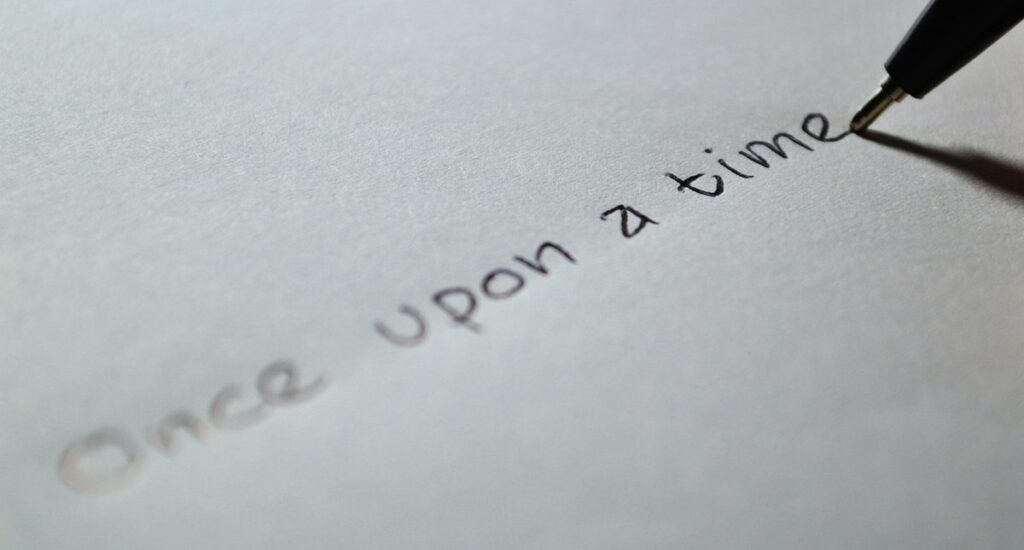
Understanding the Importance of a Strong Beginning
A strong beginning sets the tone for your story, and it’s essential to get it right to keep readers engaged from page one. Let’s examine how authors effectively start their tales in this crucial opening phase.
Capturing Attention with Unexpected Elements
Capturing attention with unexpected elements requires a delicate balance between surprise and coherence. A well-placed anomaly can jolt readers out of their expectations, making them more engaged and invested in the story. Consider Ray Bradbury’s “Dandelion Wine,” where the opening scene begins mid-sentence, plunging the reader into the midst of a family’s summer celebration.
This technique is particularly effective when coupled with vivid description, as seen in Edgar Allan Poe’s “The Tell-Tale Heart.” The narrator’s obsessive focus on the old man’s “evil eye” creates an atmosphere of tension and foreboding, drawing the reader inexorably into the story. By introducing the eye as a central plot point early on, Poe establishes a sense of mystery that propels the narrative forward.
To incorporate unexpected elements effectively, try experimenting with non-linear structures or juxtaposing contrasting environments. For instance, start your story in a bustling city before abruptly shifting to a serene natural setting. Alternatively, introduce an unlikely protagonist or create an incongruous situation that sparks curiosity. By surprising readers and challenging their expectations, you can craft a more compelling opening that sets the tone for a captivating narrative.
Setting the Tone with Vivid Description
Vivid descriptions can transport readers into the world of your story, immersing them in its sights, sounds, and emotions. When done effectively, these descriptions don’t just provide sensory details; they also set the tone for the rest of the narrative. This is particularly crucial because the opening passage often determines how readers perceive the entire story.
To illustrate this point, consider F. Scott Fitzgerald’s “The Great Gatsby.” The novel begins with a description of the valley of ashes, a desolate wasteland between Long Island and New York City. Through Fitzgerald’s words, we’re introduced to the gritty realism of the Roaring Twenties: the ash heaps, the factories, and the decayed cars. This vivid portrayal establishes the tone for the rest of the novel – one of social commentary, critique, and disillusionment.
When crafting your own story opener with vivid description, remember that less is often more. Avoid info-dumping or overloading the reader with too many details. Instead, focus on selecting a few key elements that will define your narrative’s atmosphere and mood. By doing so, you’ll engage readers and prime them for the events that unfold in the rest of the story.
Analyzing Iconic Story Openers
Some of the most enduring stories ever told begin with a single, masterful sentence that sets the tone and draws us in. We’ll examine how iconic story openers use language to hook readers from the very start.
Breaking Down a Classic Example
Let’s take apart a classic example of a story opener: Ernest Hemingway’s “The Old Man and the Sea.” The opening sentence, “He was an old man who fished alone in a skiff in the Gulf Stream,” is deceptively simple. On its surface, it establishes the protagonist’s solitary nature and profession, but upon closer examination, we see that it also employs specific language to create a sense of atmosphere.
Notice how Hemingway uses “old” instead of “aged” or “elderly.” This choice imbues the character with a sense of worn experience and resilience. The phrase “fished alone” emphasizes the old man’s isolation, which is reinforced by the word “skiff,” implying a small, manageable vessel. The use of “Gulf Stream” adds a hint of grandeur to the setting, while also grounding it in reality.
By dissecting this opening sentence, we can see how Hemingway uses concrete details to build a sense of character and environment. This is a technique that can be applied to your own writing: aim for specificity when describing settings and characters, and experiment with different word choices to create unique atmospheres.
How Genre Influences Opening Technique
Genre plays a significant role in shaping the opening technique of a story. Different genres employ distinct methods to draw readers in and set the tone for what’s to come. In romance novels, for instance, openings often focus on character introspection and emotional vulnerability. This allows readers to connect with the protagonist on an intimate level from the outset.
In contrast, science fiction stories frequently begin with a hook that drops the reader into the midst of action or introduces a puzzling mystery that sets the plot in motion. This fast-paced approach is designed to engage readers quickly and keep them invested in the story’s unfolding narrative.
Fantasy novels often blend elements of both approaches, starting with a descriptive passage that immerses the reader in the fictional world before launching into action or introducing a central conflict. Understanding these genre-specific opening techniques can help writers craft a more effective beginning for their own stories, one that resonates with readers and draws them deeper into the narrative.
Creating Your Own Compelling Story Openers
Now that you have a grasp on the basics, let’s focus on creating your own story openers by examining different techniques and examples to inspire your writing. Effective openers can make all the difference in captivating your audience.
Using Sensory Details to Draw the Reader In
Sensory details are the building blocks of immersive storytelling. When used effectively in a story opener, they can transport readers to new worlds and draw them into the narrative from the very first sentence. To create an engaging opening, try incorporating sensory descriptions that engage multiple senses.
For example, instead of starting with “It was a dark and stormy night,” you might begin with: “Rain pounded against the pavement, drumming out a relentless rhythm on the deserted streets.” This evocative description not only sets the scene but also establishes the mood and atmosphere of your story. By engaging readers’ sense of hearing, you’re more likely to draw them in.
When using sensory details, focus on the specific and the concrete. Avoid vague descriptions that don’t evoke a clear image or feeling. For instance, instead of “The city was crowded,” say “Throngs of people jostled each other on the sidewalk, their murmurs and shouts mingling with the wail of sirens in the distance.” By painting a vivid picture with sensory details, you’ll hook readers from the start.
Crafting a Sense of Conflict or Tension
Introducing conflict or tension early on can raise the stakes for the reader, making them invested in what happens next. When a story opener creates tension from the start, it signals to the reader that something is amiss and sets up the conflict that will drive the plot forward.
Consider the example of Ernest Hemingway’s “The Old Man and the Sea.” The opening sentence, “He was an old man who fished alone in a skiff,” already implies that this is not going to be a typical story about a successful fisherman. The hint at failure raises our interest and creates tension.
You can introduce conflict or tension through character traits, such as fear, anxiety, or uncertainty. For instance, “As she walked into the abandoned mansion, Sarah couldn’t shake off the feeling that someone was watching her.” This sentence introduces a sense of unease and uncertainty, creating tension from the start.
Alternatively, you can create conflict through external circumstances. Think of a character facing a natural disaster, like a hurricane or an earthquake, which creates a sense of urgency and raises the stakes.
Common Pitfalls to Avoid
As you’re crafting a compelling story opener, beware of these common mistakes that can lose your readers’ interest before they’ve even reached the first chapter. We’ll address some of the most frequent pitfalls to watch out for.
The Overused and Clichéd Opening
Clichéd openings can be damaging to a story because they give away too much information at once and fail to engage the reader. One common example is the “as I walked into the room” opening, which immediately establishes the protagonist’s presence but lacks any real tension or conflict. This type of opening also tends to rely on generic descriptions that don’t offer anything new or interesting.
Another overused trope is the “it was a dark and stormy night” opening, which has been parodied countless times for its predictability. Not only does it fail to surprise the reader, but it also sets an overly ominous tone without any real context.
To avoid these clichés, try to think about what makes your story unique and how you can convey that in the opening scene. Instead of relying on generic descriptions or familiar tropes, focus on creating a sense of atmosphere and tension from the very beginning. For example, instead of starting with “I woke up to the sound of sirens,” consider something like “The city was already awake when I stumbled out of bed.” This approach creates a sense of urgency and sets the tone for a story that’s more dynamic and engaging.
How Not to Overdo It with Information Dumping
Information dumping is a common pitfall that can occur when introducing characters, settings, or plot details too quickly. It’s tempting to get everything out at once, but this approach often overwhelms readers and dilutes the impact of individual elements. To avoid overdoing it, focus on revealing essential information in a controlled manner.
Aim for gradual introduction of key details through action, dialogue, or sensory descriptions. For instance, instead of stating “Sarah was a skilled detective with years of experience,” show her expertise through her observations and interactions with others. Similarly, rather than describing an entire cityscape at once, focus on specific landmarks or textures that evoke the atmosphere.
Be mindful of pacing by distributing key information throughout the opening pages. Avoid dumping all exposition in one paragraph or section. Instead, use a mix of action, dialogue, and introspection to reveal background details organically. This approach not only prevents reader fatigue but also creates opportunities for character development and plot tension.
Advanced Techniques for Seasoned Writers
Now that you’ve mastered the basics, it’s time to take your story openers to the next level by experimenting with advanced techniques and nuanced approaches.
Experimenting with Non-Traditional Structures
Non-linear narratives can inject a fresh perspective into a story opener by subverting expectations. Consider the example of “Cloud Atlas” by David Mitchell, which weaves together six interconnected stories spanning centuries. By structuring the narrative in this way, Mitchell creates a sense of timelessness and emphasizes the cyclical nature of human experience.
When experimenting with non-linear narratives, it’s essential to establish clear connections between disparate storylines. One approach is to use subtle hints or recurring motifs that tie the various threads together. For instance, a character from one era might leave behind an object or note that becomes significant in another.
Another unconventional structure worth exploring is multiple narrative voices. This technique can add depth and complexity to your opening by presenting different perspectives on the same event or theme. In “The Brief Wondrous Life of Oscar Wao,” Junot Díaz employs multiple narrators to capture the richness and diversity of Dominican culture. To successfully execute this approach, be mindful of pacing and ensure that each voice contributes meaningfully to the overall narrative.
Consider how your non-linear or multi-voiced structure can create tension or raise questions in the reader’s mind, rather than simply presenting a straightforward narrative. By doing so, you’ll craft an opening that truly hooks your readers.
How to Use Dialogue Effectively
Effective dialogue can make or break a story opener. When used correctly, it creates tension, reveals character, and engages the reader. One key aspect is to use dialogue to showcase character traits through their language, tone, and rhythm. For instance, a character’s tendency to interrupt others or use overly complex vocabulary can be exposed through their speech.
To create tension, consider using subtext – what characters don’t say but imply through their tone and body language. A raised eyebrow, a muttered remark, or an awkward silence can convey conflict without resorting to exposition. This is particularly effective in character-driven narratives where subtlety is key.
Another technique is to use dialogue to control the pace of the story. By breaking up long chunks of exposition with snippets of conversation, you can create a sense of dynamic movement. For example:
- “What’s that?” she asked, her voice barely above a whisper.
- “Just…just go,” he muttered, his eyes fixed on something beyond her shoulder.
- “Wait, what’s going on here?”
By sprinkling these fragments throughout the opening scene, you can create a sense of urgency and draw the reader into the story.
Frequently Asked Questions
How long should I spend on crafting my story opener?
When it comes to creating a strong story opening, the amount of time you spend on it depends on your writing style and goals. As a general rule, try to allocate at least as much time and attention to the opening as you would to any other critical scene in your story. This will help ensure that your reader is fully engaged from the very beginning.
What if my first draft of the story opener doesn’t work? Should I start over?
No, don’t start over! Instead, take a step back and re-evaluate what’s not working about your opening. Ask yourself if it’s capturing attention, setting tone, or introducing conflict in a way that feels authentic to your story. Revise and refine as needed, using the techniques discussed in this article to guide you.
Can I use multiple techniques from this article together, or should I stick to one?
You can definitely combine different techniques to create a unique opening that suits your story’s needs. For example, you might use sensory details to draw the reader in while also introducing conflict or tension early on. The key is to find the right balance and make sure each element serves a purpose in advancing the plot.
What if my genre doesn’t fit neatly into any of the categories discussed (e.g., romance, science fiction)? How do I adapt?
Every genre has its own unique conventions and reader expectations. If your genre doesn’t fit neatly into one category, try to identify what makes it distinct and how you can use that to your advantage in crafting a compelling story opener. Consider experimenting with non-traditional structures or using dialogue to create tension and reveal character.
Can I use the same opening for multiple stories or books, or is each story best served by its own unique opener?
Each story is unique, and what works for one book may not work for another. While it’s possible to reuse certain elements or techniques from one story to another, a truly compelling story opener should be tailored to the specific needs of each individual narrative. Take the time to craft an opening that reflects the tone, themes, and conflicts of your current project.