
You’ve always been fascinated by the world of music, but don’t know where to start. Maybe you’ve tried playing an instrument before, or perhaps you’ve even attempted to record your own songs at home. Whatever the case may be, making music is a rewarding and creative outlet that anyone can enjoy. Not only is it a great way to express yourself, but it’s also a valuable skill that can bring people together and evoke powerful emotions.
In this comprehensive guide, we’ll take you through the basics of making music from scratch, covering everything from selecting the right instruments to recording and performing your own tracks. We’ll cover the essential elements of music-making, including melody, rhythm, and harmony, as well as provide practical tips on how to set up your home studio and get started with recording. By the end of this article, you’ll have a solid foundation in making music and be ready to start creating your own unique sounds.
Understanding the Basics
When it comes to making music, having a solid foundation is crucial for creative expression and progress. This section will cover the fundamental concepts necessary to get started on your musical journey.
What is Music?
Music is a universal language that has been an integral part of human culture for thousands of years. Its origins are difficult to pinpoint, but it’s believed to have emerged from ancient civilizations such as Egypt and Greece, where music was used for worship, celebration, and storytelling. Throughout history, music has played a significant role in shaping societies, fostering communication, and expressing emotions.
There are countless types of music, each with its unique characteristics, styles, and genres. Some examples include classical, jazz, rock, pop, hip-hop, electronic, and folk. Understanding the basics of different music styles can help you identify what resonates with you and inspire your own creative expression.
Music serves various purposes in our lives – it can evoke emotions, provide comfort, energize us, or challenge our perspectives. Many people use music as a form of self-expression and creativity, while others enjoy it for relaxation or social bonding. As a musician, being aware of the different genres and styles can help you tap into your own unique sound and style.
Whether you’re interested in creating classical masterpieces or modern electronic beats, understanding what music is and its diverse forms can be a powerful catalyst for your creativity and artistic growth.
Types of Music
Music encompasses a vast array of genres, each with its unique characteristics and sonic signatures. Classical music, for instance, is defined by its emphasis on formal structures, harmonious textures, and orchestral grandeur. Composers like Mozart and Beethoven are staples of this genre.
Jazz, in contrast, is marked by its improvisational nature, syncopated rhythms, and blues-influenced melodies. Artists such as Louis Armstrong and Miles Davis have left an indelible mark on the jazz landscape.
Rock music, meanwhile, is often associated with powerful guitar riffs, driving drum beats, and energetic vocals. Iconic bands like The Rolling Stones and Led Zeppelin embody this genre’s spirit.
Other notable genres include pop, which prioritizes catchy hooks and radio-friendly production; hip-hop, characterized by its use of MCing, DJing, and sampling; and electronic music, which often features synthesized sounds and danceable beats. Familiarizing yourself with these distinct styles can help you understand the creative possibilities within each genre and inform your own musical endeavors.
Some genres blend elements from multiple categories, such as indie rock or folk pop. Experimenting with different styles can lead to innovative fusion sounds that reflect your unique perspective as a musician.
Acquiring Musical Skills
To become a skilled musician, you need to acquire essential skills through practice, patience, and dedication. Learning music theory and developing finger dexterity are crucial steps in making progress.
Choosing Your Instrument
When choosing an instrument to learn, several factors come into play. Cost is a significant consideration, as some instruments can be quite expensive. For example, a grand piano can cost tens of thousands of dollars, while a beginner’s drum set might be more affordable. Accessibility is also important – consider whether you have space in your home for the instrument and how easy it will be to transport.
Another crucial factor is personal interest. Think about what type of music you enjoy listening to and playing along with. For instance, if you’re into rock music, you may want to start with a guitar or bass. If you prefer classical or jazz, consider learning the piano or saxophone.
Some instruments are more suited for beginners than others. Popular choices include the ukulele, recorder, and harmonica. These instruments are relatively inexpensive and easy to learn. The keyboard is another option that’s often recommended for beginners. It allows you to practice reading sheet music while still being able to play along with your favorite songs.
A smaller number of students also consider learning instruments like the violin or trumpet. While these may require more dedication and practice, they can be incredibly rewarding to play.
Basic Music Theory
When learning music theory, it’s essential to understand the building blocks of sound. Let’s start with notes: the basic units of pitch. There are seven natural notes – A, B, C, D, E, F, and G – which can be repeated at different octaves. Notes can also have sharps (#) or flats (b) added to them, altering their pitch.
Scales are series of connected notes that create a harmonious sound. The most common scale is the major scale, but there’s also the minor scale, which has a more melancholic feel. Chords, on the other hand, consist of multiple notes played simultaneously. A basic chord progression might involve moving from C to G to Am (A minor). Understanding how chords work can help you create harmonious melodies.
Rhythm and meter are crucial aspects of music theory as well. Rhythm refers to the pattern of long and short sounds in a piece of music, while meter is the arrangement of these patterns into groups or measures. A common time signature, for example, is 4/4 – four quarter-note beats per measure. When writing your own music, try experimenting with different rhythms and meters to create unique effects.
To get started, you might practice identifying notes on a staff or learning basic chord progressions by ear. This will help you develop a sense of pitch and harmony, allowing you to build more complex musical ideas later on.
Learning to Play Your Instrument
Whether you’ve always dreamed of playing the guitar, piano, or another instrument, learning to play your instrument is a crucial step in making music. To get started, let’s focus on developing good practice habits and finding the right resources.
Finding a Teacher or Online Resource
Finding a teacher or online resource is crucial for learning to play an instrument effectively. Private lessons with a qualified teacher can provide personalized feedback and guidance, helping you improve faster than self-study alone. A good teacher will also help you develop proper technique and avoid bad habits that can be difficult to break later on.
Online courses and tutorials are another popular option, often offering flexible scheduling and affordable pricing. Websites like YouTube, Udemy, and Skillshare have a wide range of music lessons available, covering everything from beginner basics to advanced techniques. Some online platforms even offer personalized feedback and progress tracking features.
When choosing an online resource, consider the level of your instruction – some platforms cater specifically to beginners, while others focus on more advanced topics. Look for resources that include video or audio lessons, as these can be easier to follow than text-based instructions. You may also want to check reviews and ratings from other users to get a sense of the platform’s effectiveness.
Some popular online music learning apps include Fender Play, Yousician, and Guitar Tricks. These apps often offer interactive lessons, exercises, and games that make learning fun and engaging. They can be a great supplement to private lessons or self-study, but keep in mind that they may not provide the same level of personalized feedback as working with a teacher.
Practicing Effectively
Consistent practice is crucial to improving your skills as a musician. Set specific, achievable goals for yourself each week, whether it’s mastering a new technique or memorizing a piece of music. Break down larger goals into smaller, manageable chunks, and track your progress along the way. This will help you stay motivated and focused.
Create a practice schedule that allows for regular, dedicated time to practice without interruptions. A typical 30-minute daily practice session is more effective than one long, infrequent session per week. Warm up with exercises or scales before moving on to more challenging material.
Common challenges include feeling overwhelmed by the amount of music to learn or struggling to stay motivated during long practice sessions. To overcome these obstacles, try setting mini-goals for each practice session, such as mastering a single difficult passage or completing a specific exercise. Reward yourself after reaching milestones to maintain motivation and make progress feel more tangible.
Additionally, consider using technology to track your progress and set reminders. Many apps offer features specifically designed for musicians, including metronome functions and customizable practice schedules.
Recording and Producing Your Music
Now that you’ve written your song, it’s time to bring it to life by recording and producing a high-quality audio track. This process involves capturing the perfect take and shaping its sound into a polished final product.
Setting Up Your Home Studio
When setting up a home studio, it’s essential to consider both the hardware and software components. Start by choosing a digital audio workstation (DAW) that suits your needs – popular options include Ableton Live, Logic Pro X, and FL Studio. Consider factors like user interface, compatibility with your equipment, and pricing when making your decision.
Next, invest in a good pair of studio monitors and headphones to ensure accurate sound reproduction. Look for speakers that can handle the frequency range you’ll be working within – if you’re recording vocals or acoustic instruments, opt for speakers with a flat response curve. For headphones, prioritize comfort, noise isolation, and a clear low-end.
Don’t underestimate the importance of acoustics in your home studio. Treat your room’s surfaces with absorption panels to minimize echo and reverberation. You can also use DIY methods like hanging blankets or using bookshelves to create a more controlled environment. Additionally, consider using acoustic treatment specifically designed for home studios – these products are designed to fit compact spaces and provide effective sound absorption.
In most cases, it’s recommended to place your monitors at ear level, angled inward slightly, and facing the rear wall of your room. Positioning them correctly will help you achieve an accurate mix that translates well to other playback systems.
Basic Recording Techniques
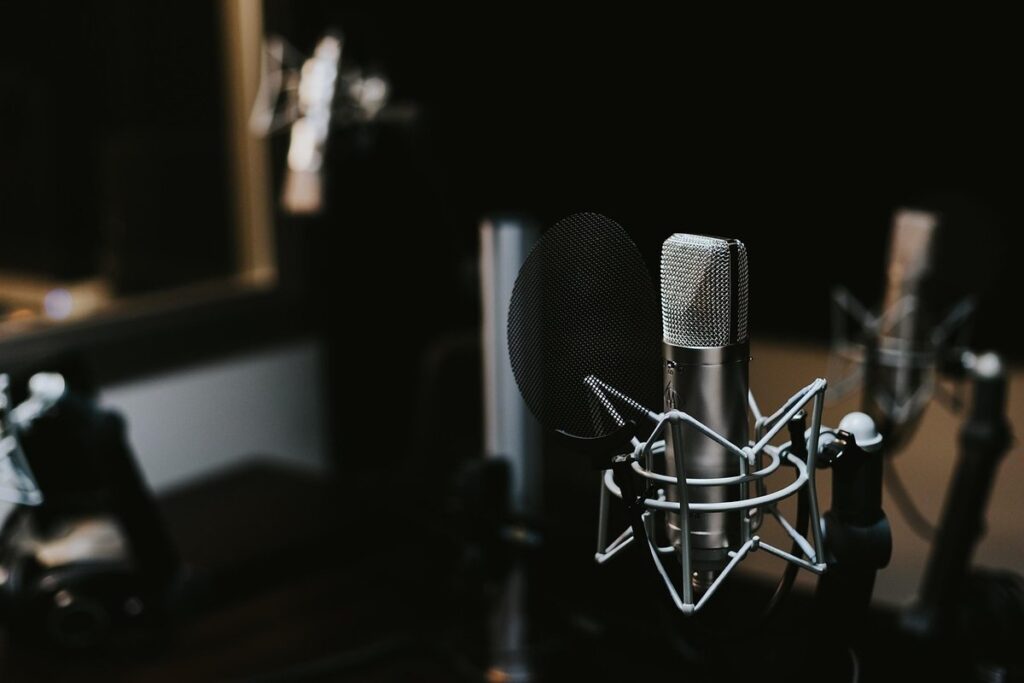
When recording music, microphone placement is crucial for capturing high-quality sound. The type of microphone used will also affect the overall tone and quality of the recorded audio. For example, a condenser microphone is ideal for capturing detailed, nuanced performances, while a dynamic microphone is better suited for loud or live performances.
Signal flow refers to the order in which you connect your equipment and software during recording. A common signal flow setup includes the microphone > preamp > interface > digital audio workstation (DAW). This ensures that the signal is optimized at each stage before it reaches the DAW.
Popular DAWs like Ableton Live, Logic Pro X, and FL Studio offer a range of features for editing and manipulating recorded audio. These include tools for cutting, copying, and pasting clips, as well as effects processors for enhancing or altering the sound. Familiarizing yourself with these basic recording techniques will help you produce high-quality recordings and lay the foundation for further creative work in post-production.
When working with a DAW, it’s essential to understand the basics of editing, including trimming, splitting, and merging clips. This will enable you to refine your performances and create more polished recordings. By mastering these basic recording techniques, you’ll be well-equipped to tackle more advanced aspects of music production.
Collaborating with Others
Collaboration is a crucial part of music-making, and learning how to work effectively with others can take your creative output to new heights. Whether you’re a seasoned producer or just starting out, building strong relationships with fellow musicians is essential.
Finding a Musician or Band to Join
Finding a musician or band to join can be a game-changer for your music-making journey. Not only does collaboration bring new ideas and perspectives to the table, but it also helps you grow as a musician by exposing you to different playing styles, techniques, and approaches. When searching for like-minded musicians, consider joining online music communities, forums, or social media groups dedicated to specific genres or instruments.
Look for local music schools, colleges, or universities that offer music programs or hold open rehearsals. Attend concerts, festivals, or jam sessions in your area to network with other musicians and hear their work. Websites like Meetup.com and Bandmix.com can connect you with musicians seeking collaborators or band members. Be prepared to share your own music, discuss your goals, and listen actively to others’ visions.
To find common ground with fellow musicians, focus on shared musical tastes, interests, or goals. Discuss the type of music you want to make, the level of commitment required, and any specific roles or responsibilities within the group. Establish clear expectations and communicate openly to avoid misunderstandings.
Writing Songs Together
Co-writing a song can be a thrilling experience, but it requires effort and dedication from both parties. To start, find a partner with complementary skills – if you’re strong on melody, they might be skilled at crafting lyrics. Begin by brainstorming ideas together, either through freewriting or structured exercises like writing prompts.
When structuring lyrics, consider the song’s message and tone. A clear narrative can help guide your co-writing process, while exploring abstract themes can lead to more nuanced and open-ended lyrics. To harmonize melodies, experiment with different chord progressions and vocal arrangements. Successful co-writing partnerships prioritize mutual respect and trust – take turns leading the creative direction, and be open to feedback.
In terms of song structure, consider dividing the composition into clear sections: introduction, verse, chorus, bridge, and outro. This can help ensure a cohesive and engaging narrative arc. A small minority of songs follow this rigid framework; most benefit from some degree of improvisation and experimentation.
Taking Your Music to the Next Level
Now that you’ve honed your skills, it’s time to think bigger and push your music to new heights by experimenting with different styles and techniques.
Performing Live
Preparing for live performances requires a strategic approach. Start by setting clear goals for each show, whether it’s to build a loyal fan base or generate buzz around an upcoming release. With these objectives in mind, create a rehearsal schedule that allows you to fine-tune your setlist and work out any technical kinks.
Effective marketing is also crucial to drawing in an audience. Develop a social media presence and use platforms like Instagram and Facebook to promote events, share behind-the-scenes content, and engage with potential fans. Consider offering incentives for early ticket purchases or hosting exclusive pre-show meet-and-greets to generate excitement.
When it comes to stage presence, focus on developing a confident and authentic performance style. Work with a team to create a visually compelling set design that reflects your brand’s aesthetic, and practice moving efficiently around the stage without distracting from the music. Consider incorporating visual elements like lighting or projection mapping to add depth and interest to your show.
Before each performance, review the venue’s technical specifications and familiarize yourself with any unique requirements for sound, lighting, or equipment. This will help ensure a smooth and stress-free experience for both you and your crew.
Releasing Your Music Online
When releasing your music online, you have several platforms and services at your disposal. One of the most popular options is digital distribution services like DistroKid, CD Baby, or TuneCore. These services allow you to upload your music to multiple streaming platforms simultaneously, including Spotify, Apple Music, and SoundCloud.
You can also distribute your music directly through these platforms’ respective websites. For example, if you want to release a song on Spotify, you’ll need to create an account as an artist or label and follow their submission guidelines. Typically, this involves uploading a high-quality audio file and providing metadata such as title, artist name, and genre.
Keep in mind that each platform has its own royalty rates for musicians. For instance, DistroKid takes a 15% commission on net sales, while Spotify pays between $0.006 to $0.0084 per stream. Understanding these rates can help you make informed decisions about where to release your music and how to maximize your earnings.
Most artists choose to distribute their music through multiple platforms at once to reach the widest audience possible. However, be sure to read each service’s terms of use before uploading your tracks.
Frequently Asked Questions
Can I start making music with just a smartphone?
Yes, many people have successfully created and produced music using smartphones and free or low-cost apps. However, investing in a digital audio workstation (DAW) and a decent computer can significantly improve the quality of your recordings.
How do I know if I’m practicing effectively to see progress?
Effective practice requires setting achievable goals, tracking progress, and regularly reviewing your performance. It’s essential to find a balance between consistent practice and taking breaks to avoid burnout. Consider implementing a practice schedule or using apps that help you track your progress.
What if my home studio setup isn’t ideal for recording – can I still make good music?
While having an optimal home studio setup is beneficial, it’s not necessary to achieve high-quality recordings. Focus on investing in essential equipment and software, and experiment with different mic placement and recording techniques to compensate for any limitations.
Can I release my music online if I’m a complete beginner without any experience?
Yes, many platforms allow artists of all levels to upload their music, but it’s crucial to understand the terms and conditions of each platform. Familiarize yourself with digital distribution services, royalty rates, and the process of getting your music onto popular streaming services.
How do I collaborate with other musicians when we have different musical styles or experience levels?
Collaboration can be challenging, especially when working with artists from diverse backgrounds. Establish clear communication channels, set shared goals, and focus on finding common ground. Consider working with a mediator or producer to help facilitate the creative process.