
Drawing braids can be intimidating, especially if you’re new to hairstyling. You might have seen intricate braid designs online or in magazines, but struggle to recreate them on your own hair or canvas. But with a little practice and the right techniques, anyone can learn how to draw beautiful braids. Whether you’re looking to add some bohemian flair to your personal style or want to create stunning hairstyles for friends and family, mastering braid drawing is an essential skill to have. In this guide, we’ll cover the basics of braid types, including fishtail, French, and Dutch braids, as well as the tools you need to get started. By the end of this article, you’ll be able to confidently draw a range of braids for any occasion.
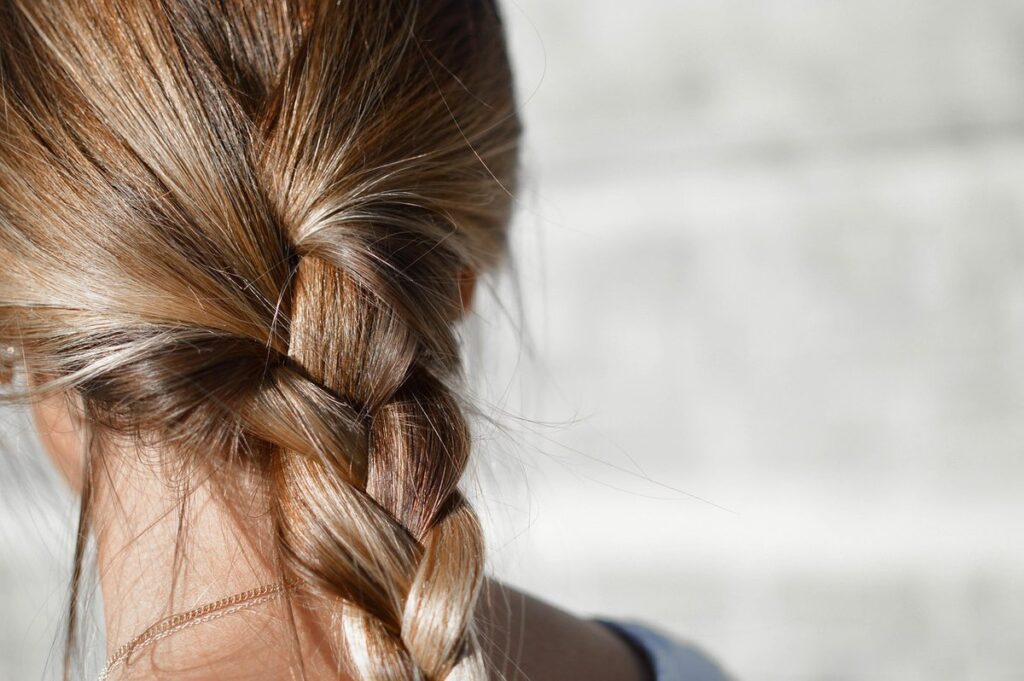
Understanding Braid Types and Tools
To get started, you’ll want to learn about the different types of braids and the essential tools needed to achieve various styles, from simple to intricate. This will help you choose the right braid for your look.
Choosing the Right Hair Type
When it comes to braiding hair, texture plays a crucial role. Hair with loose waves or curls can be more challenging to braid than straight hair. This is because curly locks tend to have a natural tension that can make the braid look uneven.
To determine which braid type suits your hair best, consider its length and thickness. For shorter hair, simpler braids like the three-strand braid are often more effective. For longer hair, you can opt for more intricate designs like fishtail or Dutch braids.
Hair with fine or thin strands may not hold a complex braid well, while thicker hair can support more elaborate styles. If your hair is prone to tangling, consider using a detangling spray before braiding to minimize knots and breakage.
For braiders with coarse or tightly coiled hair, it’s essential to use the right tools, such as a wide-tooth comb or a Denman brush, to gently section and prepare the hair for braiding. By understanding your hair type and choosing the right braid style accordingly, you can achieve a beautiful, polished look that suits your locks.
Selecting the Right Braiding Tools
When it comes to braiding, having the right tools can make all the difference. You’ll want a variety of tools at your disposal to tackle different braid types and hair textures.
Combs are essential for detangling and parting hair before braiding. Use a wide-tooth comb for curly or wavy hair, as it gently works out knots without causing breakage. For straighter hair, a fine-tooth comb is better suited. Rat-tails, also known as rat-tail combs, have a long, thin tail that helps guide the braid along the scalp.
Scalp clips are used to secure stray hairs and keep the rest in place while braiding. They’re especially helpful when working with short hair or creating intricate designs. You can also use them to hold back sections of hair you’re not currently working on.
When choosing braiding tools, consider the type of braid, your hair texture, and personal preference. For example, if you’re new to braiding, a wide-tooth comb may be more comfortable to use than a fine-tooth comb. Experiment with different tools and find what works best for you and your hair.
Basic Braid Techniques
To create a realistic braid drawing, you’ll need to master basic braiding techniques such as three-strand and Dutch braids. Let’s start with these fundamental styles.
Understanding Braid Fundamentals
To create a solid foundation for drawing braids, you need to understand three fundamental principles: tension, direction, and pattern repetition. Tension is critical because it affects the overall appearance of the braid. If the strands are too tight, the braid will look strained; if they’re too loose, it may appear sloppy.
When determining the right tension, consider the type of braid you’re drawing and the hair texture. For most braids, a gentle tug is sufficient to create a smooth, even pattern. To gauge your tension, try this exercise: take two strands and gently pull them apart. If they slide smoothly back together, your tension is likely correct.
Direction refers to the flow of the braid from one end to the other. Typically, braids move in a downward direction, but some styles – like fishtail or Dutch braids – can have a more diagonal or even upward trajectory. To achieve a natural look, follow the hair’s natural growth pattern and work with its natural texture.
Pattern repetition is the third fundamental principle of braiding. This means consistently repeating the same sequence of strand crossings to create a cohesive design. The most common braid patterns involve crossing strands over each other in an alternating or symmetrical manner.
Creating a Simple Three-Strand Braid
To create a simple three-strand braid, start by brushing out your hair to remove any tangles. You’ll need a comb and some patience for this step-by-step process.
Divide your hair into three equal sections, starting from the crown of your head. Hold one section in each hand, with the ends facing away from you. If you’re struggling to divide your hair evenly, try using a rat-tail comb to create a clear separation between each strand.
Begin a regular braid by crossing the right strand over the middle strand, then the left strand over the middle. Now, drop the right strand and pick up a new section of hair right next to it. Repeat the cross pattern with the left strand over the middle, dropping the left strand and picking up a new one beside it.
Here’s a quick visual reference to keep in mind: each time you drop a strand, move down about an inch or two to maintain even tension throughout the braid.
Advanced Braiding Techniques
Now that you’ve mastered the basics, it’s time to take your braiding skills to the next level and learn some advanced techniques for intricate designs.
Adding Texture with Fishtail and Dutch Braids
To add texture and interest to your braids, you can experiment with fishtail and Dutch braids. The fishtail braid involves crossing strands over each other at an angle, creating a fishbone-like pattern. To start, divide the hair into two equal parts and begin the braid as you would a regular three-strand braid. Then, pick up a small section of hair from the right strand and pass it over to the left strand.
Next, drop the picked-up section back down to its original position on the right side of the braid. Repeat this process on the other side by picking up a section of hair from the left strand and passing it over to the right strand. Continue alternating sides in this manner, gently tugging on the strands to tighten the braid as you go.
The Dutch braid is similar but involves crossing strands under each other instead of over them. To create a Dutch braid, start by dividing the hair into three equal parts and then pick up a small section of hair from the right side. Pass it under the middle strand, then drop it back down to its original position.
For both fishtail and Dutch braids, remember to gently tug on the strands as you go to create tension and define the texture of the braid. This will help prevent it from looking too loose or sloppy.
Working with Hair Volume: Goddess Braids and More
When working with hair volume, it’s essential to choose a braid style that complements its natural texture. For thicker or more textured locks, goddess braids and other variations are ideal. To create a polished look, focus on distributing the volume evenly throughout the braid. Begin by gently teasing the roots to loosen the hair, then start the braid as you normally would.
For goddess braids, use a side parting to work with the natural flow of your hair. When adding volume to each section, gently lift the strands and add more hair to the center of the braid. This will help distribute the bulkiness evenly. To maintain control, start each new section close to the previous one, rather than adding too much hair at once.
Some popular variations for managing volume include Dutch braids and fishtail braids. These styles allow you to weave in sections of hair that are already lifted or teased, effectively taming the texture without sacrificing its natural movement. To incorporate these techniques into your braid, simply swap the way you add new strands: instead of crossing them over as usual, try picking up a section and weaving it under the main strands.
Troubleshooting Common Mistakes
We’ve all been there: struggling to create a beautiful braid, only to end up with tangled messes and frustrated hair. Let’s fix those common mistakes together!
Identifying Braid Pattern Issues
When creating a braid pattern, it’s common to encounter issues with uneven tension or incorrect repetition. To identify these problems, examine your work at regular intervals as you braid. Uneven tension often manifests as a noticeable sagging or stretching of the strands. Check if this is caused by pulling too tightly on one side or not securing the ends properly.
Incorrect pattern repetition can be identified by looking for irregularities in the number of braids per section or visible gaps between them. For instance, instead of creating an even three-strand braid throughout, you might find that some sections have only two strands while others have four.
To correct uneven tension, release any tight areas and re-tighten evenly across all strands. This may require gently teasing out the tangles to redistribute the hair’s weight more evenly.
To address incorrect pattern repetition, try re-starting the braid at a fresh section or adjust your braiding tool placement to ensure consistent spacing between braids. It’s also helpful to practice drawing a simple braid diagram beforehand to visualize the correct number of strands and their alignment in each section.
Resolving Hair Snagging and Breakage
When working with hair, it’s essential to handle it gently to prevent snagging and breakage. To minimize damage, start by detangling your hair before braiding, using a wide-tooth comb or a detangling brush to gently work out knots. You can also use a spray conditioner or a leave-in conditioner to help lubricate the hair and reduce friction.
When picking up sections of hair for the braid, take small amounts, about the width of your index finger. This will help distribute tension evenly and prevent hair from being pulled too tightly. Avoid twisting or turning the hair as you pick it up, as this can cause breakage. Instead, gently sweep the hair into the braid.
To further reduce snagging and breakage, try braiding with a lower tension. If you’re new to braiding, start with a simple three-strand braid and gradually increase the tightness as you become more comfortable with the technique. Regularly oiling or conditioning your hair can also help keep it healthy and resistant to damage.
Some common mistakes that contribute to hair snagging and breakage include using too much tension, picking up too much hair at once, and braiding over a knot or tangle. By being mindful of these factors and adjusting your technique accordingly, you can minimize damage and enjoy healthier-looking hair with beautiful braids.
Practice and Experimentation
To perfect your braiding skills, practice drawing different types of braids on paper or even a willing friend’s hair. This will help you visualize the patterns and make adjustments as needed.
Building Braid Confidence with Simple Styles
Developing muscle memory through repetition is key to mastering braiding techniques. Start by practicing simple styles on willing friends or family members. Try out basic three-strand braids, fishtail braids, and Dutch braids on short hair lengths first. As you become more comfortable with these fundamental designs, gradually move on to longer locks.
To build confidence in your braid skills, focus on perfecting one style at a time. Don’t be discouraged if it takes several attempts to achieve a neat and even braid – this is normal! Break down the process into smaller sections: practice picking up strands, crossing them over, and releasing tension. With each successful attempt, you’ll develop greater control over your hands and fingers.
Consider setting aside 15-20 minutes each day for braiding practice. This consistent effort will help solidify muscle memory and reduce frustration. To make the most of this time, try repeating a style in front of a mirror or recording yourself to identify areas for improvement.
Exploring Advanced Designs and Stitches
To take your braiding skills to the next level, explore advanced designs and stitches. Waterfalls, twists, and coils are just a few techniques you can try to add variety to your braids. Start by researching these styles online or in books, looking for clear photos and instructions. You can also find inspiration on social media platforms like Instagram, where many talented braiders share their work.
One way to introduce waterfalls into your braids is to practice a simple two-strand waterfall braid. This involves dividing the hair into two sections and then crossing them over each other in an alternating pattern. To add twists to your braids, try using a small section of hair and twisting it around itself before incorporating it back into the rest of the braid.
Some online resources for learning advanced braiding techniques include YouTube tutorials and braiding blogs like The Braiding Studio and Braids by Jae. These websites often feature step-by-step instructions and videos that can help you master complex stitches. Don’t be afraid to experiment and try new things – it’s all part of the learning process, and you’ll be rewarded with unique and beautiful braids.
Common Questions and Answers
As you practice drawing braids, you may have questions about specific techniques or common mistakes to avoid. This section addresses some of the most frequently asked questions from beginners like you.
FAQs on Braid Types and Tools
When it comes to braiding, understanding the different types and tools can be overwhelming. Here are some frequently asked questions about braid types and tools:
What is the difference between a fishtail braid and a Dutch braid? A fishtail braid involves crossing strands of hair over each other, creating a textured look. In contrast, a Dutch braid or “inside out” braid looks like it’s woven under itself.
How do I choose the right braiding tool for me? For beginners, it’s best to start with simple tools such as a wide-tooth comb or a detangling brush. These help to gently section and manage hair without causing breakage. More advanced braiders may prefer finer-tipped combs or specialized braid hooks.
What types of braid patterns should I master first? For beginners, it’s recommended to start with simple three-strand braids before moving on to more complex designs like fishtail and Dutch braids. Mastering basic braiding techniques will also help you understand how to combine different styles and create your own unique looks.
Some common mistakes when choosing braid types and tools include using fine-tooth combs for thick hair, which can cause breakage, or using the wrong type of braid hook that doesn’t allow for smooth sectioning.
Troubleshooting Tips from Experienced Braiders
When it comes to troubleshooting common mistakes while braiding, experienced braiders often point out a few key issues. One of the most common problems is creating uneven tension, which can lead to puckering or distortion in the braid. To avoid this, make sure to distribute hair evenly as you begin each new pass, and keep your fingers relaxed – tightness can cause the braid to pucker.
Another issue experienced braiders often encounter is dealing with stubborn tangles or knots. A small section of hair caught in a knot can be especially frustrating when trying to create a smooth braid. To resolve this, gently tease out the tangled area using a wide-tooth comb or your fingers before attempting to braid over it.
Some common mistakes to watch out for include:
- Braiding too tightly, which can cause tension on the scalp and lead to discomfort
- Braiding too loosely, resulting in a sloppy or uneven finish
- Failing to secure stray hairs or flyaways as you go, leading to an untidy appearance
Frequently Asked Questions
Can I use braiding as a hair accessory even if I’m not planning to wear my hair down?
Yes, braiding can be used as a hair accessory even when wearing your hair up. You can braid small sections of hair and secure them with pins or clips for a cute and effortless look.
How do I know when to stop adding more texture to a fishtail or Dutch braid?
The key is to balance texture with neatness. Stop adding more texture when the braid starts to look messy or uneven, and focus on blending it into your overall hairstyle instead.
Is it better to practice braiding on dirty hair or clean hair?
Practice braiding on either dirty or clean hair – both work well as long as you’re working with a manageable amount of tangles. Just be aware that dirtier hair may be more prone to breakage, so handle it gently.
Can I use the same braid pattern for different hair lengths and textures?
While basic braid patterns can be adapted for various hair types, some patterns work better on certain hair lengths or textures than others. For example, goddess braids are ideal for thicker or longer hair, while Dutch braids suit shorter or finer locks.
How do I keep my braided styles looking fresh throughout the day?
To extend the life of your braids, avoid touching them as much as possible, and gently mist with a hydrating spray to keep your hair moisturized. Also, consider re-braiding small sections if you notice frizz or flyaways forming.