
Drawing a cartoon horse can be intimidating, especially if you’re new to drawing or want to create horses with distinct personalities. One reason is that the anatomy and proportions of cartoon horses are often stylized, but still need to feel believable and recognizable as equines. The key to achieving this balance lies in understanding the underlying structure of the animal while also being willing to bend its features to suit your artistic vision. This guide will walk you through a step-by-step process for drawing cartoon horses that includes tips on proportions, facial expressions, and details such as manes and tails. By following these steps, you’ll be able to create horses with unique styles that still capture the essence of this iconic animal, allowing you to express yourself creatively while refining your skills.
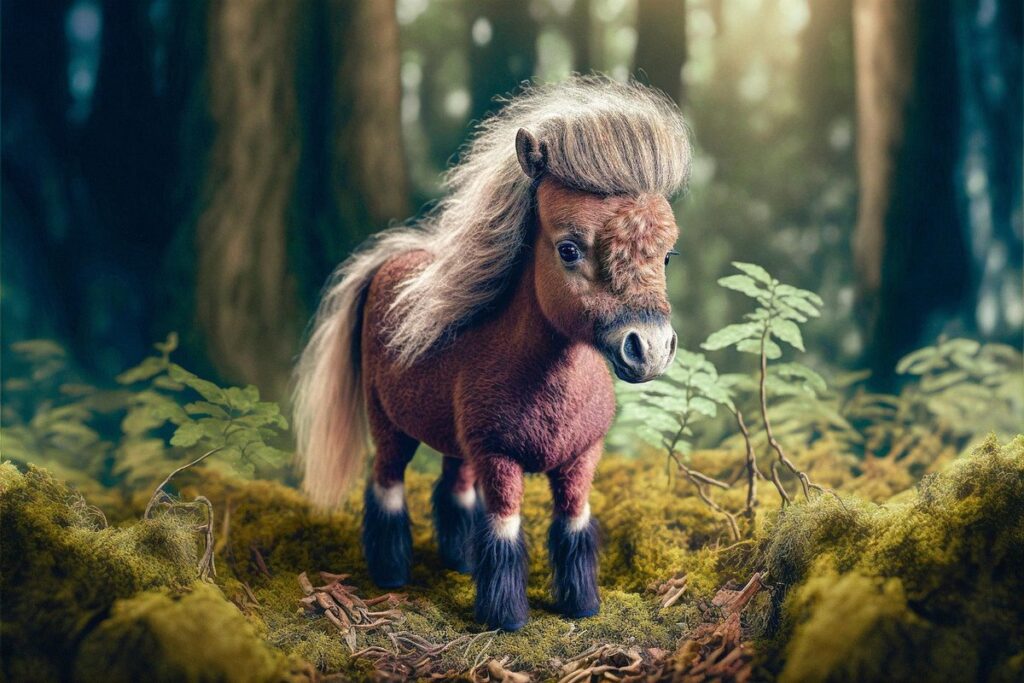
Understanding Cartoon Horses
Let’s start by understanding what makes a cartoon horse different from its realistic counterpart, and how to simplify its features for an adorable drawing.
Defining Cartoon Style
A cartoon horse is easily recognizable by its stylized features and simplified anatomy. One key aspect of defining a cartoon style is exaggeration – not just of individual traits, but also of body proportions. For instance, the head might be oversized relative to the rest of the body, or the ears incredibly long. This exaggeration creates a more endearing and whimsical appearance.
Simplified anatomy plays another crucial role in establishing a cartoon horse’s character. You’ll often see simplified muscle definition, fewer bones visible under the skin, or even abstracted limbs. Think of it as reducing the complexity of realistic drawings to create something more approachable and accessible. For example, instead of drawing individual muscles beneath the neck, you might opt for smooth, curved lines that give the illusion of a robust physique.
When simplifying anatomy, don’t be afraid to sacrifice realism in favor of visual appeal. Cartoon horses aren’t meant to accurately depict real-world equine physiology – they’re designed to entertain and engage audiences through their stylized charm.
Basic Shapes for Proportion
To establish the proportions of your cartoon horse, start by breaking down the body into basic shapes. Use a circle for the head, including the ears and muzzle. Ensure the top of the circle is level with the eyes to achieve a balanced look. For the neck, use an oval shape, slightly tilted upwards towards the shoulders. This will create a sense of movement and flow.
The body itself can be represented by a rectangle, with the front legs extending from the bottom corners and the back legs from the top corners. Pay attention to the proportions of these shapes: the head should be roughly one-quarter of the total body length, while the neck and body combined make up about three-quarters. This will give your cartoon horse a distinctive, exaggerated appearance.
Remember, these shapes are not meant to be perfect or detailed – they’re simply guidelines for establishing the overall proportion of your drawing. As you refine your skills, you can adjust the proportions and details to suit your personal style and the specific requirements of your project.
Sketching the Body
Now that we have a basic shape for our cartoon horse, it’s time to add some essential body parts, starting with the head and neck. These elements will give our horse its distinctive personality.
The Basics of Equine Anatomy
When drawing a cartoon horse, understanding the basics of equine anatomy is crucial for creating a believable and engaging character. Start with the torso, which consists of the chest, abdomen, and back. The chest should be deep and wide, while the abdomen should be narrower and more defined. The back should slope gently from the shoulder blades to the dock (the part of the spine where the tail meets the body).
The legs are another essential aspect of a horse’s anatomy. Each leg consists of a long bone (the cannon bone), two shorter bones (the metacarpals or metatarsals), and a smaller bone at the end (the hoof). When drawing the legs, keep in mind that they should be proportionate to the body and have a smooth transition from one segment to the next.
The tail is often overlooked but plays a significant role in adding movement and life to your cartoon horse. A healthy horse’s tail should be long and flowing, with a rounded tip. When drawing the tail, consider its position and how it relates to the rest of the body – ideally, it should be held high or slightly swept back when the horse is moving.
Simplifying the Body Structure for Cartooning
To simplify the body structure for cartooning, you’ll need to adapt realistic equine anatomy into more stylized forms. One way to achieve this is by emphasizing certain features while suppressing others. For instance, focus on making the horse’s head proportionally larger and its neck shorter compared to a real horse. This exaggeration can help create a more comical or endearing look.
Another technique involves distorting body proportions for balance and visual appeal. Cartoon horses often have longer legs than their torso, which gives them a more dynamic feel. You might also consider broadening the chest and shoulders to make the horse appear stronger and more muscular.
Consider breaking down the horse’s body into basic forms: the ball (head), cylinder (neck and body), and cone (tail). By simplifying these shapes and emphasizing their most distinctive features, you can create a cartoon horse that looks lively and engaging. Pay attention to how these stylized forms interact with each other – for example, a large head might require a shorter neck or more prominent shoulders.
Drawing the Head
Now that we have a solid foundation, let’s move on to creating the horse’s head, paying close attention to proportions and facial features. A cartoon horse’s head is relatively simple to draw.
Understanding Facial Expression
Facial expressions play a significant role in conveying character personality in cartoons. In a cartoon horse, the facial expression can either complement or contradict the body language and overall demeanor. For instance, a horse with a calm, gentle body posture but a scowling face may appear tense and irritable.
A key aspect of drawing cartoon facial expressions is exaggeration. Cartoon characters often have larger eyes, eyebrows, and mouths to emphasize their emotions. When drawing a cartoon horse’s face, consider the shape and size of these features in relation to its overall head shape. A happy horse might have a wide, curved smile, while a sad horse could have droopy eyelids.
The direction and angle of the facial features also contribute to the character’s expression. For example, raised eyebrows can convey surprise or shock, while downturned corners of the mouth indicate sadness. Study real-life animal expressions for inspiration, but remember that cartoon faces often require more dramatic flair.
Breaking Down the Horse’s Head
The horse’s head is composed of several distinctive features that, when proportioned and placed correctly, can make your cartoon horse come alive. Start by determining the overall size of your horse’s head relative to its body. In a typical cartoon horse, the head takes up about one-quarter to one-third of the total height. This means if you’ve drawn a 5-inch-tall body, aim for a 1-2 inch head.
Next, pay attention to ear placement: they should be relatively low on the head, with the top of each ear roughly level with the eye line. Eyes are another crucial feature – cartoon horses often have large, expressive eyes that can convey emotion and personality. Position them about one-quarter of the way down from the top of the head, making sure to maintain a consistent distance between them.
The nose should be slightly rounded, as should the mouth. In fact, try drawing your horse’s face with just a slight curve for the upper lip – this will give it a lovable, cartoonish quality. Keep in mind that these features are all relative: focus on getting the proportions right first and then refine details like shading and texture.
Adding Details and Textures
Now that you have the basic shape of your cartoon horse, it’s time to add some personality with details and textures that bring your equine friend to life. Let’s start with some fun features like manes, tails, and eyes.
Coat Patterns and Colors
Real horses display an incredible range of coat patterns and colors. For example, some breeds sport striking white markings on their faces and legs, while others have a solid black or bay coat with a distinctive flaxen mane. When drawing cartoon horses, you can borrow these inspirations to add visual interest.
Start by considering the underlying base color: would your horse be dark (e.g., black, brown), medium (gray, chestnut), or light (white, cream)? The coat pattern typically follows this base color choice. Popular patterns include solid colors, roaning (mix of darker and lighter hairs), and bay with a flaxen mane.
To translate these real-world inspirations to cartoons, simplify the color palette while maintaining visual appeal. A single bold color or two is often sufficient for a cartoon horse’s coat pattern. For example, a solid black horse can be rendered in just one shade of gray, or a roan horse can use varying shades of brown and beige.
When applying these patterns, remember that cartoons allow creative liberties – don’t worry too much about realistic proportions or texture. Instead, focus on capturing the spirit of your chosen coat pattern through bold lines and confident color choices.
Manes, Tails, and Other Accessories
When adding manes, tails, and other accessories to your cartoon horse, remember that these secondary details can greatly enhance its personality. Start by deciding on the style of mane you want – flowing, curly, or straight – and use soft, curved lines to draw it. You can also add texture by indicating individual strands with short lines.
The tail should be in proportion to the body and follow a gentle S-curve. If your horse has a long tail, consider adding a few stray strands at the end for extra flair. Some cartoon horses wear halter or saddle, which can help define its role – e.g., a racing horse might have a sleek halter, while a working horse could wear a more sturdy saddle.
When drawing these accessories, keep them simple and stylized to maintain your cartoon’s playful look. Avoid overly detailed or realistic renderings that might detract from the character’s overall charm. Experiment with different combinations of manes, tails, and accessories to find the perfect fit for your horse.
Refining Your Cartoon Horse
Now that you’ve drawn your cartoon horse, it’s time to refine its features and give it a more polished look. We’ll go over some tips for adding final details and perfecting its proportions.
Smoothing Out Lines and Shapes
To refine the outline of your cartoon horse, focus on smoothing out lines and shapes. This can be achieved by using smooth curves instead of sharp angles. For example, where the neck meets the head, draw a gentle arc rather than a 90-degree angle. Soft edges are also essential in creating a polished look. To soften edges, use a gradual transition from one shape to another, rather than abrupt corners.
When smoothing out lines and shapes, consider the overall style of your cartoon horse. A realistic horse might require more precise outlines, while a stylized or exaggerated character can benefit from softer edges and smoother curves. Pay attention to areas like the muzzle, where a soft edge helps create a friendly, approachable expression.
Incorporate subtle modifications, such as slightly rounded shoulders or a more fluid neck line, to give your horse a more dynamic appearance. Remember, these refinements should enhance the overall character of your drawing rather than overpower it. By carefully balancing smooth curves and soft edges, you’ll be able to create a cohesive, visually appealing cartoon horse that stands out in your artwork.
Tips for Stylizing and Caricaturing
When stylizing and caricaturing your cartoon horse, it’s essential to balance exaggerated features with a cohesive visual language. A common mistake is to overemphasize one aspect of the horse’s design, leading to an unbalanced look. To avoid this, consider the overall personality you want your horse to convey. Is it playful, energetic, or regal? Each character trait can guide specific stylistic decisions.
For example, if your horse is meant to be playful, you might exaggerate its facial features – make its eyes larger, its smile wider – while keeping its body proportions more subdued. Conversely, a regal horse might have a stately posture and refined features, but still retain some cartoonish charm through the use of vibrant colors or expressive textures.
To maintain visual cohesion, focus on a consistent set of design elements that define your horse’s style. Use these guiding principles to inform every aspect of its design, from its color palette to its anatomy. This will create a recognizable and engaging character that stands out within your artwork.
Final Touches: Lighting and Composition
Now that you’ve added some personality to your cartoon horse, let’s focus on lighting and composition to bring it to life. A few finishing touches will make all the difference in its overall look.
Understanding Basic Lighting Principles
Cartoon horses are typically depicted with bold lines and vibrant colors. However, when it comes to creating a believable cartoon horse, understanding basic lighting principles is crucial. The way you render light and shadow can add visual interest to your artwork.
First, consider the position of your light source. In most cases, cartoon horses are lit from above, which creates deep shadows under the body. This helps create a sense of volume and depth. To achieve this effect, focus on creating dark shadows under the horse’s belly, chest, and behind its head.
The key is to balance areas of light and shadow. If an area is too bright or too dark, it can look unnatural. Instead, try to create a subtle gradient that transitions smoothly from one tone to another.
For example, if you’re drawing a cartoon horse in the daylight, consider adding some soft shading to its fur. This will help give the illusion of texture and depth.
Placing Your Cartoon Horse Within the Scene
When placing your cartoon horse within a scene, consider the atmosphere and mood you want to convey. A sunny meadow is perfect for a happy-go-lucky horse, while a stormy sky suits a more dramatic or intense character. Think about what’s surrounding your horse – trees, buildings, other animals, or even just empty space.
Use simple shapes to create depth in your composition. Add hills or mountains in the background to give your horse some perspective, or place them in front of a cityscape for a fun contrast. Experiment with different angles and positions – have your horse galloping towards the viewer or looking out over a distant landscape.
Pay attention to negative space around your horse. Leave some breathing room to prevent cluttering the scene. This can help your cartoon horse stand out and create visual interest. Think about where you want to draw the eye of the viewer. Do you want them to focus on your horse’s personality, or perhaps the background environment?
Frequently Asked Questions
What if my cartoon horse looks too realistic and I’m trying to achieve a more stylized look?
Yes, it’s possible to make your cartoon horse more stylized even after establishing its proportions. Simply exaggerate the features you want to emphasize, such as the head or body shape, while maintaining consistency throughout the drawing. Think of cartooning as an art form where subtlety is key, not realism.
How do I achieve a cohesive style when adding details and textures, especially with coat patterns and colors?
Coat patterns and colors can be overwhelming to manage in a stylized piece. To maintain cohesion, decide on a color palette that complements your overall art style and then apply it consistently across the horse’s body. Consider using digital painting software or blending different media techniques for a cohesive look.
Can I use my cartoon horse as an asset in other creative projects, like animation or 3D modeling?
Yes, if you have drawn your horse with a focus on scalability and versatility in mind, you can reuse its design across various mediums. For example, you could model the horse’s body using 3D software or create animations from individual drawings. This makes your time invested in drawing it worthwhile.
How do I prevent my cartoon horse from looking like a “glorified animal” instead of a stylized character?
A good rule of thumb is to balance exaggerated features with more subtle ones. Remember that cartoons often rely on facial expressions and body language for personality, not just physical characteristics. Ensure your horse’s design conveys its personality through expressive eyes, ears, or posture.
Is there a maximum amount of detail I should aim for when adding secondary details like manes and tails?
While it may be tempting to add every possible detail, consider the overall balance of your artwork. Too many intricate features can clutter the composition, making the horse look busy rather than stylized. Focus on what enhances its character or personality while keeping the design clear and recognizable.