
Manga is one of the most popular forms of storytelling in the world, captivating audiences with its unique blend of vibrant characters, dynamic settings, and engaging storylines. But have you ever wondered how to create this magic? The truth is, it all starts with a solid understanding of the fundamentals – basic shapes, proportions, and techniques that form the foundation of any great manga artist.
As an aspiring manga creator, learning these essential skills can be daunting, especially when faced with advanced techniques like detailed backgrounds or dynamic action sequences. But don’t worry; we’ll break down the process into manageable steps, covering everything from simple shape building to more complex narrative structures. By the end of this article, you’ll have a solid grasp on the basics and know how to apply them to create your own compelling manga stories with well-developed characters and captivating settings.
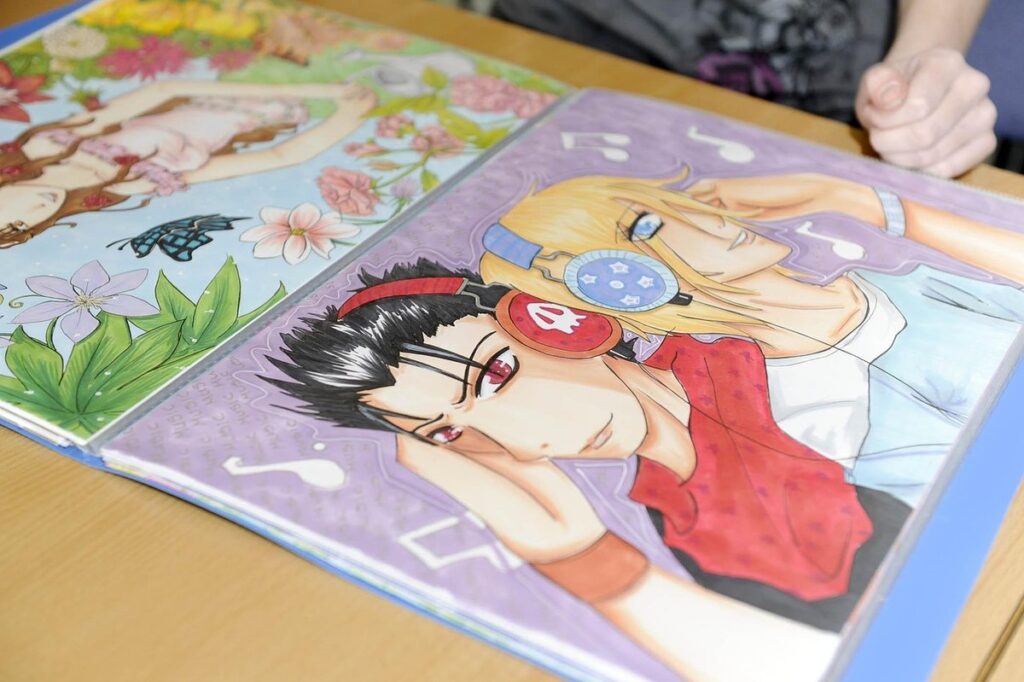
Understanding Manga Basics
Manga is a unique art form that requires a specific set of skills and techniques, which we’ll break down for you in this essential guide to understanding manga basics. Let’s start by covering the fundamental elements of manga composition.
Understanding Manga Style and Conventions
Manga style is characterized by exaggerated facial expressions and body proportions. This distinctive aesthetic is achieved through a combination of visual elements, including dynamic poses, expressive eyes, and emotive hair styles. To create manga-style characters, you must understand the fundamental principles of proportion and balance. For example, manga artists often depict larger heads in relation to the rest of the body, creating a more youthful appearance.
In terms of facial expressions, manga artists use a range of techniques to convey emotions, including exaggerated eyebrows, raised pupils, and open mouths. The eyes are particularly important in manga drawing, as they can convey complex emotions and moods. A simple example of this is the use of tears or sweat to indicate sadness or fatigue.
Manga storytelling also relies on conventions such as the use of panels, visual metaphors, and symbolism. Panels are used to create a sense of pacing and drama, while visual metaphors can be used to convey complex themes and ideas. For instance, a character’s emotional state may be reflected in their surroundings or through the use of specific colors.
In terms of common conventions, manga artists often depict characters with exaggerated physical features, such as large eyes or muscular builds. This emphasis on physicality serves to create a sense of drama and tension. By understanding these fundamental principles and conventions, you can begin to develop your own unique manga style and storytelling approach.
Familiarizing Yourself with Essential Tools and Materials
To create manga art, you’ll need a few essential tools and materials. Start with a reliable pencil set, including a sharpener and eraser. A variety of pencils (HB, 2B, 4B, 6B) will help you achieve different line weights and shading effects. Invest in a good quality paper or sketchbook that can handle repeated erasure without buckling.
For drawing manga-style characters, markers are also essential. Choose between brush pens or fine-tip markers for detailed work and larger tips for filling large areas quickly. Some artists prefer using tracing paper to practice and refine their drawings before committing them to the final page.
You’ll also want some basic materials on hand, such as a ruler for straight lines, a pencil case to keep your tools organized, and a comfortable drawing surface. Online drawing software can be useful for experimenting with different styles or sharing work with others. Familiarize yourself with the interface and basic features of the software before using it to create artwork.
Consider investing in a few specific tools designed specifically for manga drawing, such as a kneaded eraser for precise corrections or a blending stump for softening edges.
Sketching Fundamentals
To get started with creating dynamic manga characters, you’ll need a solid foundation in basic sketching techniques, which we’ll cover in this essential guide. Let’s begin with the fundamentals of drawing eyes and facial features.
Basic Shapes and Proportions
When breaking down the human body for manga drawing, it’s essential to understand basic shapes and proportions. Start by identifying the major forms: the head, torso, arms, and legs. These can be further divided into simpler geometric shapes, like spheres, cylinders, and rectangles.
The manga style often emphasizes exaggerated features, but a good foundation in basic anatomy is still crucial. Study how the proportions of the body change as it’s posed or moving. In manga, the head is typically around 1/8 to 1/10 the length of the torso. The shoulders are also slightly wider than the hips.
To get a sense of these proportions, try drawing simple silhouettes of people from different angles. Focus on capturing the overall shape and balance rather than details like facial features or clothing. Practice drawing basic poses and movements using these shapes as guides. This will help you develop an intuitive sense of how the body is constructed and how to convey energy and movement through your drawings.
Remember, manga anatomy is not about perfect realism but about creating a stylized, visually appealing representation of the human form. By mastering the basics, you’ll be able to create more dynamic and engaging characters that capture the essence of the manga style.
Understanding Facial Expressions and Emotions
Facial expressions play a vital role in manga storytelling, conveying emotions and adding depth to characters. In manga, facial expressions are not just limited to the face; they can be depicted through body language, posture, and even clothing. A well-expressed emotion can change the entire tone of a scene.
To create dynamic and expressive characters, manga artists use various techniques such as exaggeration, simplification, and symbolism. For example, a character’s eyes can convey their mood, with tears indicating sadness or anger. Artists may also use visual cues like raised eyebrows or a furrowed brow to show tension or concentration.
When drawing facial expressions, consider the context of the scene and the character’s personality. A comedic manga might feature over-the-top reactions, while a dramatic one might focus on subtle expressions. Practice capturing different emotions by observing real people or studying other artists’ work. Experiment with various facial structures and expressions to find what works best for your characters.
When depicting emotional scenes, remember that less is often more. Avoid relying too heavily on exaggerated expressions, as this can come across as unrealistic. Instead, focus on conveying the character’s emotion through their body language and environment.
Drawing Manga-Style Characters
To create a manga-style character, you’ll need to focus on exaggerating facial features and body proportions while maintaining a balanced composition that’s easy on the eyes. Let’s start by breaking down the key elements of a manga face.
Creating Manga Proportions and Body Types
When drawing manga-style characters, achieving accurate proportions is crucial. To start, focus on the basics: a typical manga character’s head is about 1/7 to 1/8 of their total height. This proportion is essential for creating balanced and visually appealing body types.
For men and women, the torso length should be roughly equal to the head height, with the chest slightly broader than the shoulders. For children, use a slightly more rounded torso and larger heads compared to adults. Fantasy creatures often require adjustments based on their unique anatomy; for example, some may have elongated limbs or bodies.
To achieve accurate proportions, measure your character’s body parts in relation to each other using simple shapes like circles or rectangles. This helps prevent uneven features that can make a character appear awkward or unbalanced. When drawing different poses, keep the core proportions consistent while adjusting the limbs and extremities as needed. For example, if you’re drawing a character running, their legs will be longer than when standing still.
Remember to observe real-world body types for reference, but also feel free to experiment with creative variations within the manga style guidelines.
Designing Dynamic Facial Expressions and Hair Styles
When designing dynamic facial expressions and hair styles for manga characters, it’s essential to understand the role of each element in conveying emotion. Facial expressions can be broken down into basic categories: neutral, happy, sad, angry, and surprised. Each expression has distinct characteristics, such as raised eyebrows or a downturned mouth.
For example, the “tsundere” facial expression is commonly used in manga to convey a mix of anger and cuteness. It typically features a pouted lower lip and narrowed eyes. Another popular expression is the “dere” face, which combines a smiling mouth with a tilted head and raised eyebrows.
Hair styles can also be used to add depth and personality to your characters. Common manga hair styles include the ponytail, bangs, and the iconic “spiky” look. When choosing a hair style for your character, consider their personality, age, and social status. For instance, a young protagonist might wear a short, spiky hairstyle to convey rebellion or independence.
In terms of practical application, start by studying reference images of manga characters with dynamic facial expressions and hairstyles. Observe the details, such as the shape of the eyes, eyebrows, and mouth, as well as the texture and style of the hair. Experiment with different combinations of facial expressions and hairstyles to create unique and compelling characters.
Storytelling through Manga Art
Now that you’ve mastered the basics of manga drawing, let’s explore how to bring your characters and stories to life through dynamic and expressive artwork. In this next step, we’ll discuss the key elements of storytelling in manga art.
Panel Composition and Layouts
A well-crafted panel composition is essential to engaging manga readers. Balance is key when combining action scenes with dialogue. To achieve this balance, consider dividing a two-page spread into thirds: one third for background, one third for main character(s), and the remaining space for supporting characters or environmental details.
For example, in a dramatic battle scene, reserve the left page for dynamic action while reserving the right page for a quieter moment of reflection. This contrast creates visual interest and allows readers to absorb key information.
When crafting individual panels, remember that less is often more. Focus on essential elements: facial expressions, body language, and context clues can convey just as much emotion and story progression as elaborate backgrounds or detailed settings.
For dialogue-heavy scenes, break up the text into manageable chunks by using varied panel layouts, such as single-panel shots, two-page spreads, or speech bubbles in different orientations. This visual flow helps readers follow conversations and keeps them invested in the narrative.
When experimenting with different panel compositions, don’t be afraid to play with unconventional layouts – these can often add surprise and humor to your manga story.
Using Visual Elements to Enhance Storytelling
When incorporating visual elements into a manga narrative, consider how backgrounds, settings, and special effects can amplify emotions and advance the story. A cluttered or poorly designed background can detract from the scene’s impact, so keep it simple yet distinctive. Use atmospheric effects like mist, fog, or fire to create mood and tension.
Backgrounds that reflect the characters’ personalities or emotions can also add depth to a panel. For instance, a character who is struggling with anxiety might be depicted in a messy room or surrounded by chaotic patterns. Conversely, a serene landscape can evoke feelings of calmness or peace.
Special effects like explosions, magic spells, and supernatural events can be used to create dramatic contrast and emphasize the story’s stakes. Consider using visual metaphors – such as smoke representing uncertainty or light symbolizing hope – to convey themes and emotions without relying on text. When incorporating these elements, remember to balance them with clear character expressions and dialogue to avoid overwhelming the reader.
Advanced Techniques for Manga Artists
Now that you’ve mastered the basics of manga drawing, it’s time to take your skills to the next level by learning advanced techniques used by professional artists. These expert methods will refine your craft and give your artwork a more polished look.
Mastering Line Art and Shading Techniques
To achieve depth and dimension in manga artwork, mastering line art and shading techniques is crucial. One method for creating detailed line art is to use a range of line weights and styles. For example, using thick lines for outlines, thin lines for details, and varying the weight of lines to create texture can help add visual interest.
When it comes to shading, you can use various techniques such as hatching, cross-hatching, and stippling to achieve different effects. Hatching involves creating parallel lines that follow the contours of an object, while cross-hatching involves layering hatching strokes at different angles. Stippling involves creating a pattern of small dots to build up shading.
Consider experimenting with different media, such as pencils, pens, or digital tools, to see how they affect your line art and shading. Some artists prefer the expressive qualities of traditional media, while others find that digital tools offer more precision and flexibility.
Experimenting with Different Styles and Media
Experimenting with different styles and media can be a thrilling way to breathe new life into your manga art. Digital drawing software, such as Clip Studio Paint or Adobe Photoshop, offers unparalleled flexibility and precision for creating intricate details and textures. However, it may lack the organic feel of traditional mediums like watercolor or ink.
Consider trying out mixed media techniques by combining digital and analog elements. For instance, you can create a pencil sketch on paper and then scan it to add digital colors or shading. This hybrid approach allows you to harness the strengths of both worlds while minimizing their weaknesses.
Experimenting with new styles and media also encourages you to step outside your comfort zone. You may find that certain techniques or materials help you break through creative plateaus or achieve desired effects more easily than others. For example, using a brush pen for dynamic lines or applying masking fluid for smooth textures can significantly enhance the visual impact of your artwork.
When exploring new styles and media, don’t be afraid to try unconventional methods or experiment with different brands or tools within each category.
Common Mistakes to Avoid
One of the biggest hurdles beginners face when learning to draw manga is making simple mistakes that can be difficult to correct, so let’s review some common pitfalls.
Tips for Overcoming Drawing Plateaus
When you find yourself stuck and unable to make progress on a manga drawing project, it’s essential to recognize the signs of a creative block. One common mistake is trying to force a drawing by pushing through frustration rather than taking a break. This can lead to burnout and decreased motivation.
To overcome drawing plateaus, try changing your environment or working schedule. Sometimes, a fresh perspective or new surroundings can help stimulate creativity. You might also consider revisiting earlier work or experimenting with different styles to reignite passion.
Here are some specific strategies for staying motivated:
- Set achievable goals and deadlines
- Break down larger projects into smaller, manageable tasks
- Warm up with simple exercises or prompts to get your creative juices flowing
- Share your work with others or join a community of fellow manga artists for support and feedback
Remember that it’s normal to experience periods of stagnation in any creative pursuit. By acknowledging the signs of a block and taking proactive steps, you can stay on track and continue improving your manga drawing skills.
Best Practices for Sharing and Getting Feedback on Your Work
When sharing your manga work with others, consider joining online communities or forums where you can post your art and receive feedback from peers. These platforms often have guidelines for sharing work-in-progress (WIP) pieces, so be sure to follow them. You might also share your work on social media, but be cautious of criticism that’s not constructive.
To get the most out of feedback, ask specific questions when requesting it. Instead of asking “What do you think?”, try “How can I improve this character design?” or “Do these facial expressions convey the intended emotions?” This helps others provide actionable advice rather than vague opinions.
When incorporating feedback into your work, consider the source and be open to constructive criticism, but also know when to trust your own artistic vision. A good rule of thumb is to take a step back from your piece for a few days before revisiting it with fresh eyes – this can help you see areas that need improvement more objectively.
When sharing your finished work, choose platforms where your art will be seen by the intended audience. For example, if you’re creating a manga-style comic strip, consider sharing it on a platform like Webtoons or Tapas, which are geared towards comics and graphic novels.
Conclusion and Next Steps
Now that you’ve learned the basics of manga drawing, it’s time to put your skills into practice and bring your characters to life on paper. This next step is crucial in refining your craft.
Final Thoughts on the Manga Creation Process
As you reach the end of this guide, take a moment to reflect on the skills and techniques you’ve learned. Remember, mastering manga drawing takes time, patience, and dedication. What may seem like a daunting task at first will become more manageable as you continue to practice.
Key takeaways from this article should be reinforced by regularly sketching characters, experimenting with different styles, and exploring various media. Focus on developing your skills in one area before moving on to the next. For example, if you’re struggling with facial expressions, dedicate a few days or weeks to studying and practicing those alone.
Your continued growth as a manga artist depends not only on honing your drawing abilities but also on understanding storytelling principles and composition techniques. To further develop these skills, I recommend checking out the following resources:
- Study the work of experienced manga artists, paying attention to panel layouts, visual pacing, and character design.
- Experiment with different mediums, such as digital drawing tools or traditional media like ink and watercolors.
- Join online communities or local art groups to share your work, receive feedback, and learn from others.
Avoid getting discouraged if you don’t see improvement right away. Plateaus are a normal part of the learning process, but they can be overcome by setting realistic goals, staying consistent in practice, and being open to constructive criticism. By combining these habits with persistence and a willingness to experiment, you’ll continue to grow as an artist and develop your unique voice within the world of manga drawing.
Frequently Asked Questions
Can I apply manga drawing techniques to other art styles?
Yes, the principles of manga drawing can be applied to various art styles, but keep in mind that each style has its unique characteristics and requirements. You may need to adapt your approach to suit different styles.
How do I know when my character designs are balanced and proportional?
Pay attention to the overall flow and harmony of your design. Consider the proportions of your characters’ bodies, facial expressions, and accessories. Practice drawing from reference images and get feedback from others to improve your sense of balance and proportion.
What if I’m stuck on a particular page or panel composition? How do I break through the creative block?
Try breaking down the task into smaller, manageable parts. Focus on one aspect at a time, such as the character’s pose or facial expression. Experiment with different approaches, and don’t be afraid to seek inspiration from other manga artists or try new techniques.
Can I use digital drawing tools for creating manga art, or do I need traditional media?
Both traditional and digital media have their strengths and weaknesses. Traditional media can provide a more tactile experience and better control over lines and textures, while digital tools offer flexibility and ease of editing. Experiment with both to find what works best for you.
How often should I practice drawing manga-style characters and scenes? What’s the ideal amount of time per week?
Consistency is key when it comes to improving your skills. Aim to dedicate at least 1-2 hours a day, 3-4 days a week, to practicing various aspects of manga drawing, such as character design, panel composition, or storytelling techniques. As you progress, adjust the frequency and duration based on your goals and schedule.