
Are you ready to unleash your inner artist and bring some fun into your life through drawing? Whether you’re a seasoned pro or just starting out, learning to draw can be a truly rewarding experience. Not only is it a great way to express yourself creatively, but it’s also an excellent way to relax and unwind after a long day. But where do you start? With so many amazing subjects to draw, from cute cartoon characters to majestic fantasy creatures, it can be hard to know what to tackle first.
That’s why we’ve put together this comprehensive guide to help you unlock your creative potential and learn the basics of drawing fun cartoons, animals, and fantasy creatures. We’ll cover the essential techniques, proportions, and tips and tricks to get you started on your artistic journey, whether you’re aiming for realistic illustrations or playful doodles.
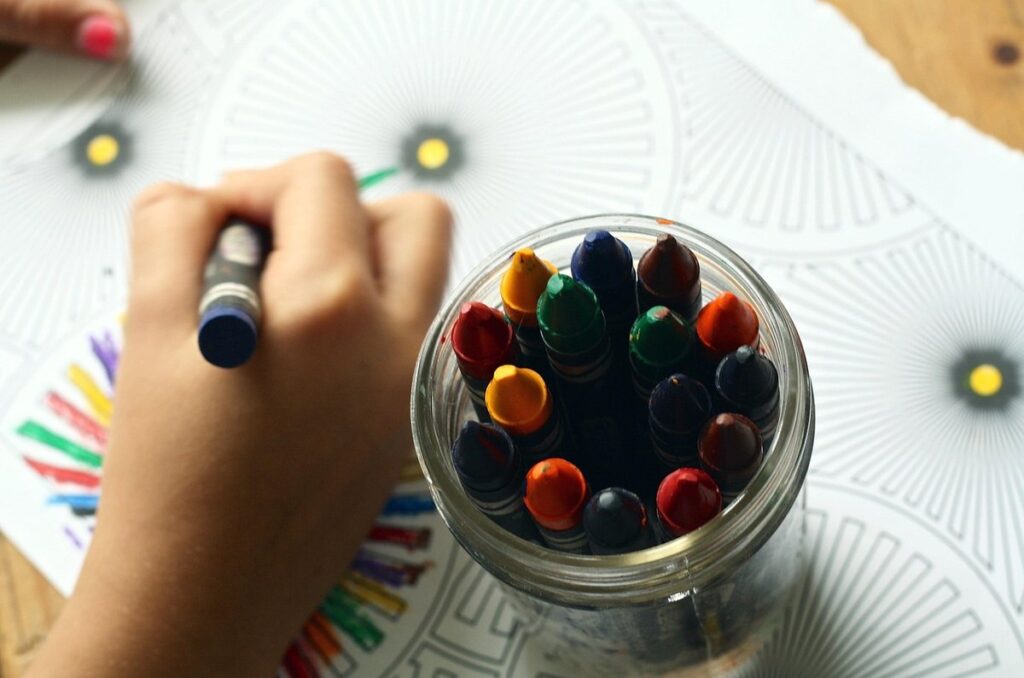
Getting Started with Simple Drawings
To get started with simple drawings, begin by warming up your hand and mind with some basic exercises that will loosen up your drawing muscles. These easy exercises will set you up for success!
Understanding Basic Shapes and Lines
When it comes to drawing, understanding basic shapes and lines is essential for creating fun and engaging artwork. Let’s start with the basics: circles, squares, and triangles are the foundation of all drawings. Circles can be used to create faces, balls, or even moons, while squares are perfect for making buildings, houses, or even boxes. Triangles can form roofs, mountains, or even cats’ ears.
Now, let’s talk about lines. There are three main types: straight, curved, and diagonal. Straight lines are great for creating edges, borders, or even hairlines on faces. Curved lines can be used to draw smooth shapes like waves, flowers, or even snails. Diagonal lines add movement and energy to your drawings, perfect for illustrating dynamic scenes like action poses or racing cars.
To create simple forms, combine these basic elements in various ways. For example, you can use circles and squares to make a cartoon-style house, complete with windows and a door. Experiment with different shapes and lines to discover the endless possibilities of simple drawing.
Introduction to Proportions and Measurement
When it comes to creating fun drawings, proportions and measurement are essential skills to master. Think about it: a cartoon character that’s too small or too big can be comical, but only if it’s done on purpose. If you’re drawing a realistic scene, however, accuracy is crucial.
To ensure your drawings are proportional, start by understanding the concept of symmetry. This means creating balance and harmony in your artwork through the placement of elements. For instance, if you’re drawing a face, the left and right sides should be symmetrical to create a sense of unity.
When measuring and scaling your drawings, use a ruler or measuring tool to get an accurate representation. You can also use graph paper to help you achieve proportionate measurements. Remember that scale is about relative size – for example, if you’re drawing a room, the furniture might be smaller than the real thing, but it should still look realistic in proportion.
In simple drawings, proportions often come down to basic math. If you’re drawing a house with windows and doors, make sure their placement is proportional to the overall structure. By mastering these fundamental skills, you’ll find that your fun drawings become even more engaging and enjoyable to create!
Cartoon Characters and Creatures
Let’s get creative with some lovable cartoon characters and creatures, from beloved Disney friends to zany Sesame Street monsters and beyond. Their quirky designs make them a blast to draw!
Drawing Cartoon Faces and Expressions
Drawing cartoon faces and expressions is an essential skill for creating engaging and lovable characters. Let’s start with the basics: eyes, nose, and mouth. These three facial features can convey a wide range of emotions and attitudes, from happiness to sadness and surprise.
When drawing cartoon eyes, remember that they’re often larger and more rounded than real-life eyes. You can also add a sparkle or a shine to make them pop. For the nose, keep it simple – a small dot or a tiny triangle will do. The mouth is where you can really express your character’s emotions. A happy face might have a big smile with curved lines, while a sad face might have a frown with drooping lines.
To add some personality to your characters, experiment with different expressions and emotions. For example, you could draw a character with a mischievous grin or a worried frown. Remember, the key is to keep it simple and have fun! Practice drawing different facial features and expressions until they become second nature. With time and practice, you’ll be able to create unique and lovable characters that jump off the page.
To take your cartoon faces to the next level, try adding some personality quirks, like wacky hair or a distinctive hat. This will help your character stand out and make them more relatable.
Creating Fun Cartoon Bodies and Appendages
When it comes to creating fun cartoon bodies and appendages, the possibilities are endless. Let’s start with the basics: drawing arms, legs, and other limbs. To create a dynamic pose, focus on the relationship between different body parts. For example, if you’re drawing a character standing, make sure their weight is evenly distributed on both feet. Use simple shapes to block out the overall form of the arm or leg, and then add details such as muscles, skin texture, or joints.
Adding hands and feet can be just as much fun! Consider the different ways your character might use their limbs. Are they holding a tool, gesturing with their arms, or running? Think about the movement and flow of the body to create realistic-looking gestures. Don’t forget to add small details like fingernails, toenails, or even wrinkles on the hands and feet.
For dynamic poses, experiment with different angles and movements. Try drawing your character in mid-action, such as jumping, dancing, or wrestling. Use a variety of lines and shapes to convey energy and movement. Remember, cartoon characters are all about exaggeration, so have fun with it!
Animal Drawings: From Cute to Realistic
Whether you’re a seasoned artist or just starting out, this section will walk you through the simple steps of drawing adorable animals and their more realistic counterparts. Let’s get creative!
Simple Animal Portraits
Drawing simple animal portraits can be a delightful and engaging experience. To get started, let’s break down the essential elements of an animal portrait: basic facial features, body proportions, and textures.
Begin by observing the anatomy of the animal you’re drawing. Notice how its eyes are positioned in relation to its nose and mouth. A general rule is that the eyes should be about one-third of the way down from the top of the head. Pay attention to the shape and size of the eyes, as well as their spacing. For example, cats have almond-shaped eyes, while dogs have more rounded ones.
When it comes to body proportions, remember that most animals are built on a symmetrical structure. The front and back legs should be roughly equal in length, and the head should be proportionate to the body. Consider adding some basic musculature to give your animal a sense of depth and dimension.
Adding textures and patterns can add visual interest to your portrait. Think about the fur or feathers of your subject – do they have a smooth, sleek appearance or are they more shaggy? You can use short, curved lines to suggest texture, while longer, flowing strokes can create the illusion of movement.
Detailed Animal Drawings with Shading and Lighting
When it comes to creating detailed animal drawings with shading and lighting, the possibilities are endless. But what really sets a drawing apart is its ability to capture the subtleties of light and shadow.
To start, let’s talk about the role of light sources in drawing. A single light source can completely change the mood and feel of your artwork. Consider the time of day or environment where your animal would typically be found – for example, a forest at dawn, a desert during midday, or a beach at sunset. Each scenario presents unique opportunities to experiment with different lighting setups.
To create realistic textures and shading effects, practice layering and blending different brushstrokes or pencil marks. Focus on capturing the way light interacts with your animal’s fur, skin, or feathers – observe how it creates depth, dimension, and even a sense of movement.
When adding depth and dimension to your drawings, consider using various techniques such as atmospheric perspective, overlap, or negative space. This will help create an immersive experience for the viewer and draw them into your artwork.
Fantasy and Whimsical Drawings
Let your imagination run wild as we dive into the magical world of fantasy creatures, mythical beasts, and whimsical landscapes that will transport you to a world of wonder. Get ready to draw enchanting scenes!
Drawing Magical Creatures and Beasts
Drawing magical creatures and beasts is an exciting and imaginative way to express yourself creatively. When it comes to inspiration, mythology and folklore offer a treasure trove of fantastical creatures that can spark your imagination. Think dragons from Chinese legend, unicorns from European myth, or the mischievous pixies of English folklore.
To bring these magical beings to life on paper, start by breaking down their basic shapes and forms. Consider the dragon’s long, serpentine body or the unicorn’s majestic horn and flowing mane. Use simple shapes like circles, ovals, and rectangles as building blocks to create more complex features.
As you draw your fantasy creatures, remember that it’s not just about creating a realistic image, but also about bringing their world to life. Consider the environment they inhabit – is it a lush forest, a dark cave, or a mystical mountain? Use your drawings to tell a story, to evoke emotions and imagination in those who view them.
Experiment with different styles and techniques to capture the essence of these magical creatures. You might find that combining traditional media like pencils and ink with digital tools helps you achieve the desired level of detail and texture.
Creating Dreamlike Landscapes and Scenes
When it comes to creating dreamlike landscapes and scenes, the possibilities are endless. As an artist, you have the freedom to let your imagination run wild and transport viewers to fantastical worlds. To get started, try tapping into your inner child’s sense of wonder and curiosity. What magical places would you want to visit if you could? Perhaps a misty forest, a rolling hillside, or a towering mountain range.
As you begin to draw, consider adding surreal elements that will transport viewers to another realm. Think fantastical creatures, glowing plants, or buildings that defy gravity. The key is to balance these unusual features with naturalistic details, creating an otherworldly atmosphere that’s both eerie and enchanting.
To create moody and atmospheric environments, focus on subtle texture and color choices. Soft brushstrokes, muted earth tones, and dramatic lighting can all contribute to a dreamlike ambiance. For example, you could draw a forest at dusk, with long shadows stretching across the landscape and a hint of mist on the trees. Experiment with different techniques to find what works best for your unique style.
Frequently Asked Questions
How do I know which drawing style is best for me?
The choice of drawing style depends on your personal preference, skill level, and the type of artwork you want to create. If you’re new to drawing, starting with simple shapes and lines can help build confidence before moving on to more complex styles.
Can I use reference images while learning to draw fun cartoons and creatures?
Yes! Reference images are a great tool for learning and practicing drawing. They can help you understand proportions, facial expressions, and body language of your subjects. Use them as a guide, but don’t be afraid to add your own creative twist and style.
How do I overcome the fear of making mistakes while drawing?
Mistakes are an essential part of the learning process! Instead of fearing them, try to see mistakes as opportunities to learn and improve. Practice regularly, and you’ll find that your skills will grow with time. Don’t be too hard on yourself – it’s okay to make mistakes.
What if I’m not artistic or creative?
You don’t need to be a natural-born artist to create fun drawings! Anyone can learn to draw with practice and patience. Start by warming up your hand and mind with simple exercises, and gradually move on to more complex subjects. You’ll be surprised at how much you can create.
Can I use digital tools or software for drawing?
Yes, you can use digital tools and software to create fun drawings! Many artists prefer using digital media for its flexibility and ease of use. Explore different options like Adobe Draw, Procreate, or even simple apps on your phone – they can help you unlock new creative possibilities.