
Crafting a compelling fantasy story requires more than just a few magic spells and mythical creatures. World-building, characterization, and themes all play a crucial role in transporting readers to new and imaginative realms. A well-crafted fantasy world can be so vividly detailed that it becomes almost tangible, drawing the reader in and refusing to let go. But what makes a fantasy story truly rich and immersive? Is it the intricate history of the world, the complex motivations of its characters, or perhaps the underlying themes that drive the plot forward? In this article, we’ll explore the key elements that make fantasy fiction so compelling, from the broad strokes of world-building to the subtle nuances of characterization. By the end of this guide, you’ll be equipped with expert techniques and examples to help you craft a richly detailed and immersive fantasy story that will captivate your readers.
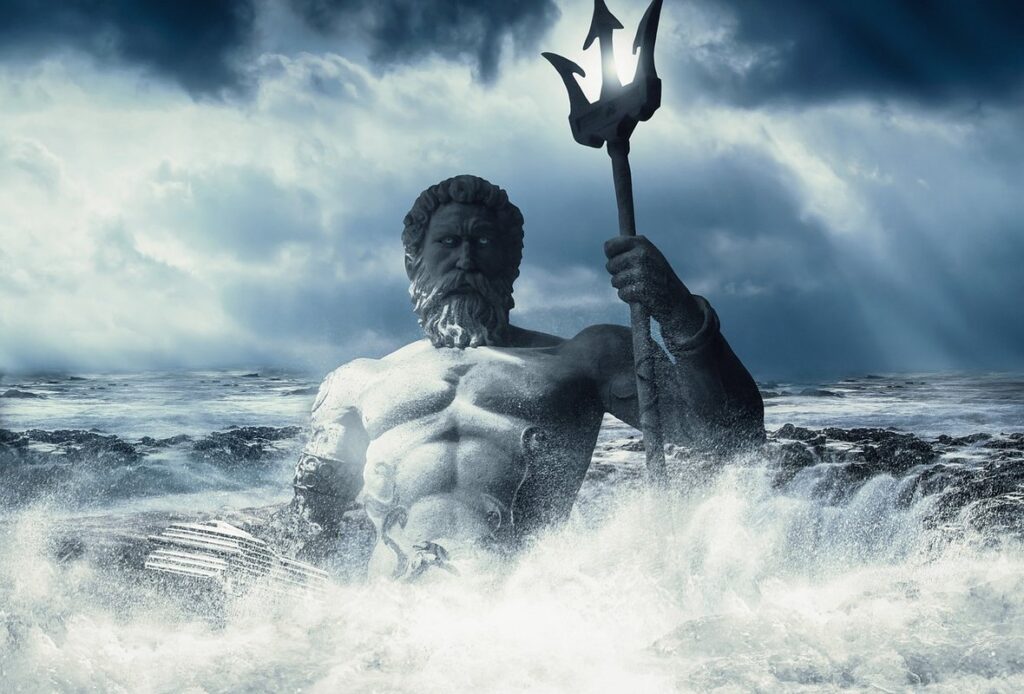
Defining Fantasy
At its core, fantasy fiction relies on a deep understanding of what fantasy is and how it functions within a story. Let’s examine the key elements that define fantasy and set it apart from other genres.
The Fantastical Element
A fantasy story typically features a fantastical element, which can take many forms. Magic is one common aspect, often depicted as a distinct energy or power that can be harnessed by characters. However, magic’s presence and properties vary widely across different stories – it might be inherent in the environment, wielded by specific individuals, or governed by strict rules.
Supernatural creatures are another key part of fantasy’s fantastical element. These beings can range from benevolent spirits to monstrous entities that threaten human existence. They often serve as plot devices or embody symbolic themes within the narrative.
Alternate worlds and realities are also fundamental to the fantastical element in many fantasies. This can involve parallel universes, alternate timelines, or entirely fictional realms. World-building in these contexts requires careful consideration of geography, climate, politics, and cultural practices that govern the inhabitants’ lives.
When creating a fantastical element, consider what role it will play within your narrative. Will it serve as a backdrop for human drama or be an integral part of the story itself? How can you use these elements to create tension, conflict, or emotional resonance in your characters’ experiences?
Subverting Realism
Fantasy fiction often challenges real-world expectations by creating a sense of wonder and escapism for readers. This can be achieved through various techniques, such as exaggerating physical characteristics, like giant dragons or magical creatures, to create a fantastical atmosphere. Another way is to defy the laws of physics, allowing characters to perform impossible feats.
For example, in J.R.R. Tolkien’s Middle-earth, magic is tied to the natural world and can be used to manipulate the environment. However, this also creates limitations on how magic can be used, adding depth to the story. In contrast, some fantasy worlds have no such constraints, allowing for more freedom in character development.
When subverting realism, it’s essential to consider what aspects of reality you want to challenge and why. This will help you create a cohesive narrative that resonates with your audience. You can also experiment with different levels of realism, from subtle hints at the extraordinary to overt displays of magic or supernatural abilities. By doing so, you’ll not only engage readers but also explore complex ideas and themes in a way that’s both entertaining and thought-provoking. This approach allows readers to lose themselves in your world while still experiencing the thrill of discovery.
World-Building
Building a rich and immersive fantasy world requires more than just magical creatures and mythical lands – it demands a deep understanding of geography, history, and culture. Let’s explore how to craft a believable and engaging environment for your story.
Creating a Rich Environment
Geography plays a crucial role in shaping the world’s environment. Consider the varied climates and ecosystems: lush forests, scorching deserts, snow-capped mountains, and fog-shrouded coastlines. These environments not only support diverse flora and fauna but also influence the cultures that develop within them.
The climate can determine a region’s habitability, with some areas being inhospitable to human settlement due to extreme temperatures or lack of resources. This can lead to isolated communities developing unique customs and traditions. For example, the Inuit people adapted to the harsh Arctic environment by relying on whale hunting and dog sledding.
Similarly, geography can shape cultural practices, such as agriculture, architecture, and trade routes. The presence of natural resources like rivers, minerals, or fertile land can also lead to conflicts over territory and resource management. To create a rich environment, consider how these geographical factors intersect with human societies, influencing their development and relationships with the land.
When designing your world’s geography, think about how it will impact the lives of its inhabitants. Consider what resources are available, which areas are habitable, and how these factors have shaped local cultures and histories.
Magic Systems and Lore
A well-designed magic system is crucial to creating a believable and immersive fantasy world. It’s not just about waving a wand and declaring “magic exists”; instead, it should be grounded in its own internal logic and rules. This means establishing clear mechanisms for how magic works, including what fuels it (e.g., mana, magic stones, or innate abilities) and what limitations it has.
Magic systems can also serve as a tool to comment on the world’s societal structures and power dynamics. For instance, if magic is tied to wealth or social status, this could reflect real-world issues like income inequality or classism. Conversely, if magic is reserved for select individuals, this might reinforce existing prejudices against marginalized groups.
To make your magic system more believable and engaging, consider the following:
- Establish a consistent set of rules for how magic functions.
- Consider the cultural and social implications of magic on your world’s inhabitants.
- Integrate your magic system into other aspects of your story, such as character development or plot twists.
Characterization and Character Arcs
As we delve deeper into fantasy fiction, it’s essential to create characters that feel authentic and undergo believable transformations, making their journeys all the more captivating for readers. Effective characterization and character arcs can make or break a story’s impact.
Protagonist Archetypes
Fantasy fiction often relies on recognizable protagonist archetypes to create a sense of familiarity and connection with readers. Two of the most common are the Chosen One and the Redemption Story.
The Chosen One, as seen in series like Harry Potter or The Lord of the Rings, is an ordinary person destined for greatness. This archetype taps into the audience’s desire to see the underdog succeed. However, relying solely on this trope can lead to predictability and a lack of character development. To make the Chosen One more compelling, consider adding nuance by making their journey less straightforward or introducing personal demons they must overcome.
The Redemption Story, exemplified in works like The Count of Monte Cristo or Les Misérables, follows a protagonist seeking forgiveness for past mistakes. This archetype allows authors to explore themes of guilt, redemption, and the consequences of one’s actions. For a more complex take on the Redemption Story, try introducing moral ambiguity by making the protagonist’s motivations multifaceted or their transgressions not entirely unjustified.
When crafting your own protagonist archetypes, consider what specific qualities make them relatable and engaging.
The Power of Villains
A well-crafted villain can elevate a fantasy story from mere escapism to a rich exploration of human nature. They serve as foils to the protagonist, highlighting their motivations and values through contrast. A great villain is not simply evil for its own sake; they have a compelling backstory, driving their actions and influencing the world around them.
Consider the example of J.R.R. Tolkien’s Sauron in The Lord of the Rings. His creation of the One Ring was not mere malice, but a calculated effort to consolidate power and control over Middle-earth. This nuance makes him a more complex and intriguing character.
In fantasy fiction, villains often embody flawed ideologies or corrupted values that resonate with real-world issues. For instance, the tyrannical leaders in George R.R. Martin’s A Song of Ice and Fire series reflect the dangers of absolute power and the consequences of blind loyalty.
A successful villain requires a balance between menace and depth. To create a compelling antagonist, writers must delve into their motivations, desires, and weaknesses. This can be achieved through subtle dialogue, revealing interactions with other characters, or even a glimpse into their past. By investing time in developing your villain, you add layers to the story, making it more immersive and thought-provoking for readers.
Themes and Symbolism
Fantasy fiction often employs rich themes and symbolism to convey deeper meanings, making it a crucial element for readers to grasp.
Let’s examine how authors use these tools to add layers of complexity and depth to their stories.
Good vs. Evil
Fantasy stories often grapple with complex moral themes, particularly the nature of good and evil. These dichotomies can be simplistic on the surface but become increasingly nuanced as the narrative unfolds. Consider the classic struggle between Frodo Baggins and Gollum in J.R.R. Tolkien’s “The Lord of the Rings.” At first glance, Frodo represents good while Gollum embodies evil, but their motivations and backstories complicate this binary.
In reality, most characters exist on a spectrum between these two poles, making it challenging for readers to discern who is truly heroic or villainous. This moral ambiguity encourages readers to think critically about the nature of right and wrong. By blurring the lines between good and evil, fantasy authors can create more realistic and engaging stories.
This exploration also serves as a reflection of real-world morality, where individuals often walk a fine line between doing good and succumbing to darkness. Fantasy writers can use this complex moral landscape to explore the consequences of actions, encouraging readers to contemplate their own moral choices and the impact they have on others.
Social Commentary and Satire
Fantasy fiction has long been a popular platform for social commentary and satire. Authors use fantastical worlds and creatures to comment on real-world issues, making complex topics more accessible and engaging to readers. By extrapolating current problems into fictional realms, writers can critique societal norms and politics without directly addressing them.
For instance, George Orwell’s 1984 is often regarded as a dystopian novel rather than pure fantasy, yet its themes of totalitarianism and government control remain eerily relevant today. Similarly, in C.S. Lewis’s Chronicles of Narnia, the White Witch represents the oppressive force of human societal expectations, while Aslan embodies the liberating power of individual freedom.
When incorporating social commentary into your own work, remember that subtlety is key. Avoid didacticism by presenting themes through nuanced characters and world-building rather than explicit exposition. Consider employing satire, which uses irony or ridicule to critique aspects of society. Be mindful of the tone you aim for: while satire can be biting, it should never come across as preachy or heavy-handed. This balance is crucial in maintaining the reader’s engagement and allowing them to draw their own conclusions about the issues at hand.
Mythology and Folklore
Fantasy fiction often draws inspiration from rich mythological traditions, incorporating gods, goddesses, and legendary creatures into its worlds. Let’s take a closer look at how mythology and folklore shape fantasy landscapes.
Drawing from Real-World Sources
Drawing inspiration from real-world mythologies and folklores is a powerful way to add depth and richness to fantasy worlds. Authors often draw from various sources, such as Greek mythology, Norse mythology, African diasporic traditions, or Asian folklore, to name just a few. By incorporating these elements, writers can create complex characters, nuanced cultures, and detailed world-building.
For instance, J.R.R. Tolkien drew heavily from Norse and Celtic mythologies when crafting Middle-earth’s history and landscapes. His use of Elvish languages, magical artifacts, and epic quests all owe a debt to the rich mythological traditions he studied. Similarly, authors like Rick Riordan have used Greek mythology in their works, breathing new life into classic stories.
When drawing from real-world sources, it’s essential to respect cultural context and avoid appropriation. This involves doing thorough research, acknowledging the roots of these stories, and being mindful of potential sensitivities or misrepresentations. By engaging with mythologies and folklores in a thoughtful and respectful manner, authors can tap into the rich emotional resonance they evoke and craft more immersive fantasy worlds.
The Significance of Mythological Creatures
Mythological creatures are a staple of fantasy fiction, serving as more than just fantastical beasts. They often embody symbolic meanings, reflecting aspects of human nature, culture, and society. In J.R.R. Tolkien’s Middle-earth, dragons represent power, greed, and destruction, while in C.S. Lewis’s Chronicles of Narnia, the White Witch embodies coldness and cruelty.
The significance of mythological creatures lies in their ability to convey complex ideas through a shared cultural understanding. For example, the werewolf is often associated with the struggle between reason and instinct. By tapping into these symbolic meanings, authors can add depth to their stories and resonate with readers on multiple levels.
When incorporating mythological creatures into your own fantasy fiction, consider what they represent in the context of your story. Are they a manifestation of good or evil? Do they embody a particular quality or trait that you want to explore? By giving these creatures clear symbolic meanings, you can create a richer, more immersive world for your readers.
In addition to their symbolic significance, mythological creatures can also serve as plot devices or character motivators. They might be used to drive the narrative forward or to test the protagonist’s resolve.
Advanced Techniques
Now that you have a solid grasp of fantasy world-building and magical systems, it’s time to explore some more complex techniques for crafting immersive stories. Let’s examine the art of pacing and plot structure in fantasy fiction.
Subverting Expectations
Subverting reader expectations is a delicate art, one that requires a deep understanding of narrative conventions and a willingness to challenge them. By doing so, you create a more immersive experience for your readers, keeping them engaged and invested in the story.
One way to subvert expectations is by introducing unexpected twists on familiar tropes. For instance, instead of the typical hero’s journey where the protagonist defeats the villain, consider making the hero responsible for the chaos or creating an ambiguous ending that leaves room for interpretation. This not only keeps readers on their toes but also forces them to reevaluate their assumptions about the narrative.
Another approach is to create complex characters whose motivations and actions defy easy categorization as good or evil. This can be achieved by giving them nuanced backstories, conflicting desires, or moral ambiguities that make them relatable yet troublesome. By making characters more multifaceted, you add depth to your world and challenge readers’ expectations of who should be liked or disliked.
Consider the works of authors like George R.R. Martin and Neil Gaiman, who masterfully subvert reader expectations through their intricate storytelling and rich character development. Their stories showcase how this technique can elevate a fantasy narrative from predictable to thought-provoking.
Integrating Real-World Issues
Integrating real-world issues into fantasy fiction can be a powerful way to add depth and nuance to your narrative. By drawing from contemporary concerns and themes, you can create a story that resonates with readers on multiple levels.
When tackling sensitive topics like climate change, social justice, or politics, it’s essential to approach them thoughtfully and authentically. Avoid didacticism by weaving these issues into the fabric of your world-building, character arcs, and plot. For example, in Ursula K. Le Guin’s The Dispossessed, the struggle for environmental sustainability is deeply intertwined with the story’s exploration of anarchism and utopianism.
To integrate real-world issues effectively, consider the following:
- Research contemporary events and concerns that align with your narrative
- Use subtle symbolism and metaphors to convey complex ideas without didacticism
- Develop characters who embody different perspectives on these issues, encouraging readers to engage critically
- Balance nuanced exploration with a compelling plot, avoiding heavy-handed or preachy approaches
Frequently Asked Questions
How to balance world-building with character development?
Balancing world-building and character development is crucial in fantasy fiction. To achieve this, focus on creating a rich environment that informs the characters’ motivations and actions. Use your world’s history, culture, and mythology to shape your characters’ personalities, goals, and conflicts. Remember, the world should serve the story, not the other way around.
Can I use real-world mythologies and folklores without copying or pastiching?
Yes. Using real-world mythologies and folklores as inspiration is a common practice in fantasy fiction. To avoid copying or pastiching, take elements that resonate with your story’s themes and adapt them to fit your world’s unique narrative. Consider how these borrowed elements can be reinterpreted or subverted to create something new.
How do I integrate real-world issues into my fantasy story without making it feel preachy?
When integrating real-world issues into your fantasy story, focus on using the fantastical element to illuminate a specific issue rather than directly addressing it. This approach allows readers to engage with complex themes in an immersive and thought-provoking way. Use metaphors and allegories to convey messages that resonate without feeling didactic.
Can I use a magic system or mythology from another fantasy story, or is this considered plagiarism?
No. While drawing inspiration from other works is acceptable, using a magic system or mythology verbatim from another fantasy story constitutes plagiarism. Adapt these elements to fit your unique narrative and world, ensuring they serve the story’s purpose rather than simply copying someone else’s work.
What if my story involves complex moral themes like good vs. evil? How do I avoid making it too simplistic?
When exploring complex moral themes, avoid simplifying them into clear-cut dichotomies. Instead, delve into the gray areas between good and evil by creating nuanced characters and morally ambiguous situations. This approach allows readers to grapple with the complexities of real-world issues in a more thought-provoking manner.