
You’ve probably seen stunning line drawings on social media or in art books, but you might be wondering: can I create something similar? The truth is, with some basic tools and practice, anyone can master the art of easy line drawing. Not only does it take patience, but also a willingness to experiment and learn from mistakes. By focusing on simple techniques and methods, you can develop your skills and confidence in creating beautiful, expressive line drawings that showcase your unique style. In this article, we’ll explore the essential tools and techniques for easy line drawing, including basic strokes, shading, and composition. You’ll discover how to bring your ideas to life with practice, patience, and a few simple tips. By the end of this guide, you’ll be able to create stunning line drawings that showcase your creativity and skill.
Understanding the Basics of Line Drawing
To get started with line drawing, you’ll want to understand the fundamental principles that make a piece of art visually appealing and engaging. This means learning about basic shapes, proportions, and gesture lines.
What is Line Drawing?
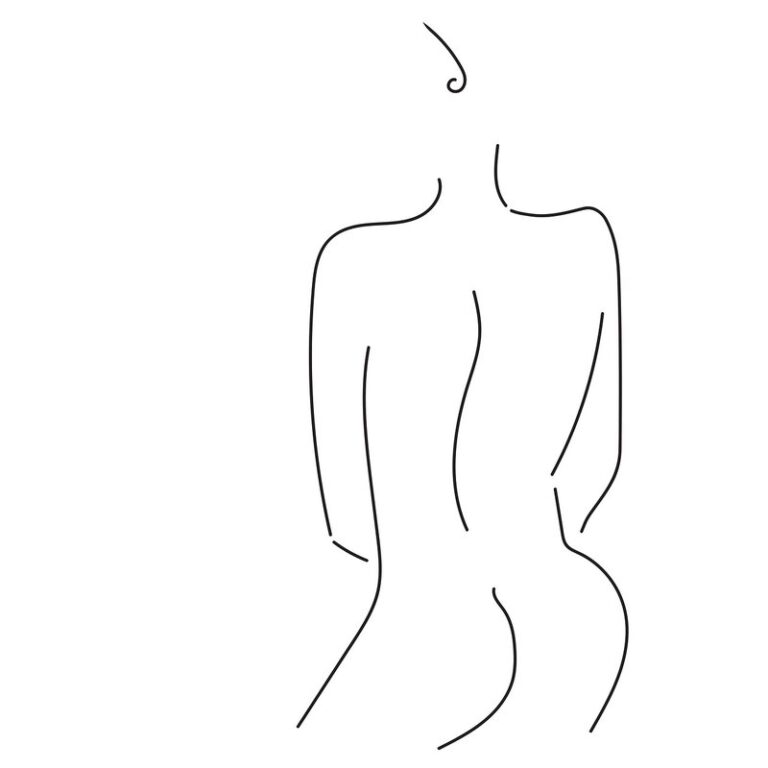
Line drawing is a versatile form of visual art that can be enjoyed by people of all skill levels. At its core, line drawing uses lines and shapes to create an image or composition, ranging from simple doodles to complex illustrations. The beauty of line drawing lies in its ability to convey emotion and atmosphere through the manipulation of these basic elements.
A simple line drawing might consist of a few bold strokes that capture the essence of a subject, while a more intricate piece could involve numerous layers of hatching or cross-hatching to achieve depth and texture. This range of possibilities makes line drawing an accessible medium for beginners, allowing them to experiment with different techniques and styles without feeling overwhelmed.
One of the key aspects of line drawing is its emphasis on simplicity. By stripping away unnecessary details, artists can focus on the underlying structure and essence of a subject. For example, a simple pen sketch of a tree might omit leaves and branches in favor of a few bold lines that define its trunk and silhouette.
Types of Lines Used in Drawing
Lines can be used to convey emotion, movement, and texture. Understanding the different types of lines is crucial for creating visually appealing line drawings. A basic understanding of these fundamental concepts will enable you to create engaging and expressive artworks.
There are several main types of lines: straight, curved, diagonal, horizontal, vertical, zigzag, and wavy. Straight lines can be used to depict sharp edges and clean shapes, while curved lines convey a sense of fluidity and movement. Diagonal lines add energy and dynamism to your drawings, while horizontal and vertical lines create a sense of balance and stability.
When creating line drawings, it’s essential to vary the types of lines you use. For example, using a combination of straight and curved lines can create a more interesting composition. You can also experiment with different line weights by varying the thickness and spacing of your lines. Remember that practice is key – experiment with different types of lines and techniques to develop your unique style.
Experimenting with different line combinations will help you achieve the desired effect in your line drawings. For instance, using zigzag lines for details or wavy lines for foliage can add texture and depth to your artwork. By mastering these fundamental concepts, you’ll be well on your way to creating stunning and expressive line drawings.
Tools and Materials Needed for Line Drawing
To get started with line drawing, you’ll need some basic tools and materials that are easily accessible and won’t break the bank. We’ll cover what to use in this section.
Essential Drawing Tools
To get started with line drawing, you’ll need a few essential tools. While personal preference plays a significant role, certain tools are better suited for beginners. A pencil is an excellent choice for learning basic lines and shading techniques. Look for a graphite pencil with a soft or medium hardness (HB, 2B, 4B). These pencils allow for smooth blending and subtle gradations.
A pen is another popular option for line drawing. Fine-tip pens like the Micron or Sakura offer precise lines and are ideal for creating detailed work. Consider starting with a fine tip (0.3mm or 0.5mm) to establish control over your lines.
Markers, particularly those from Copic or Prismacolor, can add vibrant colors to your drawings. However, they may not be suitable for beginners due to their fluid consistency and tendency to bleed through paper.
Digital drawing software is also a viable option, especially if you prefer working on a computer or tablet. Programs like Procreate or Adobe Illustrator Draw offer intuitive interfaces and versatile tools for creating digital lines.
Tips for Using Different Materials
When experimenting with different materials for line drawing, it’s essential to consider their unique characteristics and how they will affect your artwork. For instance, using a pencil on paper allows for smooth, gentle lines, while a pen can produce bold, expressive strokes. Experimenting with various pencils – from 6H to 9B – can also alter the darkness and softness of your lines.
When working with markers or colored pens, keep in mind that they often have vibrant colors and varying line widths. You can use these features to add depth and interest to your drawings by layering different colors and widths. For example, using a fine-tip pen for details and a broader marker for background elements.
To maximize the effect of each material, consider their specific textures and how they will interact with your paper. For example, some papers are designed specifically for graphite or charcoal work, while others work better with pens or markers. Don’t be afraid to test different combinations – you might discover a unique look that suits your style perfectly.
Some materials, like sketching pencils or watercolor pencils, also allow you to layer colors and create subtle shades by blending with a tortillon or blending stump.
Basic Techniques for Creating Lines
To create beautiful and simple line drawings, you’ll want to start by mastering a few essential techniques that will help you achieve smooth, consistent lines. Let’s begin with basic strokes.
Hatching and Cross-Hatching
When creating hatching and cross-hatching effects, it’s essential to understand how these techniques can add depth and texture to your line drawings. Hatching involves creating closely spaced parallel lines that follow the contours of a subject. To achieve this effect, try using a range of line weights – from light and feathery to darker and more expressive. For example, you could use a fine-tip pen or pencil for hatching delicate details like hair or foliage.
Cross-hatching takes hatching a step further by layering lines at different angles to create a rich texture and depth. To master cross-hatching, start with short layers of parallel lines that follow the contours of your subject. Then, layer additional sets of lines at varying angles – typically around 45 degrees – to build up complex textures and patterns.
When combining hatching and cross-hatching techniques, remember that subtle variations in line direction and weight can greatly enhance the overall effect. Experiment with different combinations to achieve unique textures and moods in your drawings.
Stippling
To create detailed line drawings using stippling, you’ll need to focus on carefully placing small dots. The process involves creating an image by building up layers of tiny dots, each one precisely placed to form a larger shape or pattern. The closer together the dots are, the darker and more defined the area will appear.
The key to successful stippling is patience and attention to detail. Start by deciding on a reference image – either real-life or imagined – that you’d like to recreate using this technique. Next, divide your paper into sections and begin placing individual dots according to the desired shape or outline.
To achieve varying shades of gray or color, experiment with different dot densities. A higher density will create darker areas, while fewer dots will produce lighter tones. You can also use a range of dot sizes to add texture and visual interest to your stippled image.
Advanced Techniques for Enhancing Line Drawings
Now that you’ve mastered simple line drawings, it’s time to take your skills to the next level by exploring advanced techniques and subtle details that add depth and dimension to your artwork.
Perspective Drawing
Mastering perspective drawing is key to creating line drawings with depth and dimension. When you create the illusion of three-dimensional space on a two-dimensional surface, your artwork gains sophistication and visual interest. To start, consider the horizon line – it’s essential for establishing the viewer’s position in relation to the scene. Typically, the horizon line falls at eye level, but feel free to experiment with different placements.
As you begin to block out your composition, pay attention to the vanishing points. These are the points where lines appear to converge as they recede into the distance. By establishing a clear vanishing point system, you can create a convincing illusion of depth. For example, in a cityscape, the lines of buildings and roads will converge at a vanishing point on the horizon.
To practice perspective drawing, start with simple exercises like sketching a single room or a street scene. Use a range of line weights to indicate depth and distance. Remember that mastering perspective takes time and patience – don’t be afraid to make mistakes as you experiment and refine your skills.
Atmospheric Perspective
When applying atmospheric perspective to line drawings, consider how colors and contrasts can create a sense of depth and distance. Typically, objects in the background will appear lighter, cooler, and less detailed than those in the foreground. This is because air molecules scatter shorter wavelengths of light, making blues and violets more visible at greater distances.
To incorporate atmospheric perspective into your line drawings, start by placing darker, warmer colors towards the front of the composition and lighter, cooler colors towards the back. Use contrasting values to guide the viewer’s eye through the scene. For example, if drawing a landscape with trees in the background, use softer lines and lighter shading for the distant foliage.
Remember that atmospheric perspective is not just about color; contrast also plays a crucial role. Overlapping elements or placing objects in front of others can create a sense of depth. Consider using layering techniques to build up your composition, starting with the background elements and gradually adding more detailed features towards the front. By mastering this technique, you’ll be able to create line drawings that draw the viewer’s eye through space, creating a greater sense of immersion in the scene.
Common Mistakes to Avoid in Line Drawing
When creating simple line drawings, it’s easy to fall into common pitfalls that detract from your artwork. Let’s take a closer look at these mistakes and how to avoid them.
Over-Complicating the Composition
When it comes to line drawing, simplicity is often the most effective approach. However, many beginners make the mistake of over-complicating their compositions, resulting in cluttered and overwhelming artwork.
This can be due to a few factors: attempting to convey too much information, trying to recreate complex scenes from real life, or simply being unsure about how to simplify one’s ideas. Whatever the reason, the end result is often a piece that lacks balance and harmony. To avoid this pitfall, consider the following:
- Limit your subject matter to simple, iconic shapes and forms.
- Focus on capturing the essence of the scene rather than every detail.
- Practice drawing from observation, but also don’t be afraid to simplify what you see in real life.
Remember that line drawing is not about creating intricate realism but rather about conveying emotion and atmosphere through simplicity. By stripping away unnecessary elements and focusing on clean lines and negative space, you can create more effective and engaging compositions.
Insufficient Practice
Practice is essential for developing skills and confidence when it comes to line drawing. However, many beginners underestimate the importance of regular practice, leading to frustration and disappointment with their work. To avoid this, set aside a dedicated time each day or week to focus on line drawing.
Start by committing to just 15-20 minutes of practice per session. This can be as simple as freestanding lines, basic shapes, or loose gestural drawings. The goal is not to create a masterpiece but to loosen up your hand and get comfortable with the tools and materials. You can also use online tutorials, drawing prompts, or exercise books specifically designed for line drawing.
Don’t worry if your early attempts look clumsy or unpolished – this is where progress happens. Regular practice will help you develop muscle memory, improve your observation skills, and refine your technique. As you become more comfortable with the basics, you can gradually move on to more complex subjects and techniques. Remember, consistent effort and patience are key to mastering line drawing.
Tips for Sharing and Displaying Line Drawings
Now that you’ve practiced your line drawing skills, it’s time to showcase your creations in a way that brings out their beauty. Here are some expert tips on sharing and displaying your artwork with flair.
Digital Platforms
When sharing line drawings online, you have a variety of digital platforms to choose from. Instagram is an excellent choice, as its community-focused atmosphere allows artists to connect with each other and share their work. To showcase your line drawings on Instagram, use relevant hashtags like #linedrawing or #simpleart to reach a wider audience. You can also join groups focused on drawing or art to get feedback and suggestions from fellow artists.
Another popular platform for sharing artwork is Pinterest. This visually-driven site allows you to create boards dedicated to specific themes or styles, such as minimalist line drawings or easy doodles. By pinning your work to relevant boards, you can attract new followers who appreciate your artistic style. Additionally, consider uploading your line drawings to online art communities like DeviantArt or ArtStation, which offer features for sharing and discovering artwork.
To effectively showcase your line drawings on these platforms, remember to include a brief description or caption with each piece. This helps viewers understand the inspiration behind your work and provides context for your artistic choices.
Physical Displays
When it comes to showcasing your line drawings in a physical space, consider using frames or mats with a neutral background to let the artwork take center stage. Avoid cluttered surroundings and choose a spot with good lighting to highlight the details of your drawing. You can also experiment with different textures and materials for the frame or mat, such as wood, metal, or fabric, to add an extra layer of interest.
For a more unique display option, consider using a canvas or wooden board specifically designed for art pieces. This will not only provide a clean and minimalist look but also protect your drawing from dust and damage. If you’re short on wall space, think about displaying your artwork on a table or shelf, where it can still be easily visible.
Some popular physical display options include placing line drawings in a collage with other artworks, using them as decorative accents in a gallery-style setting, or even creating a mobile or wind chime featuring the artwork. Remember to have fun and get creative when displaying your line drawings – after all, the goal is to enjoy the process of creating and sharing beautiful art!
Conclusion: Mastering the Art of Line Drawing
You’ve made it to the final stretch, and now it’s time to reflect on your line drawing journey. Let’s recap what you’ve learned so far about creating simple yet beautiful art.
Recap of Key Concepts
As you’ve made it through the beginner’s guide to easy line drawing, let’s recap the essential techniques and principles covered throughout. You now know how to create simple yet beautiful art using just lines. Hatching and cross-hatching are fundamental skills that allow you to build texture and depth in your drawings. Stippling is another technique for creating detailed images with a series of small dots.
To enhance your line drawings, you’ve learned about perspective drawing, which helps create realistic environments, and atmospheric perspective, which adds depth and distance to your artwork. These advanced techniques will help take your simple lines to the next level. Remember that practice is key: make sure to regularly draw lines in different styles and techniques to develop muscle memory.
When creating line drawings, consider the importance of composition and negative space. A well-balanced composition can elevate even the simplest drawing. You’ve also learned about common mistakes to avoid, such as over-complicating the composition or insufficient practice. By avoiding these pitfalls, you’ll be able to focus on mastering the art of line drawing. Finally, don’t forget that sharing your artwork is just as important as creating it – consider displaying your line drawings digitally or physically to showcase your skills.
Encouragement for Continued Practice and Exploration
As you’ve progressed through this beginner’s guide, you’ve likely discovered a newfound appreciation for the simplicity and beauty of line drawing. But mastering the art of line drawing is not a destination – it’s an ongoing journey. The moment you think you’ve reached a plateau is often the same moment when your creativity begins to stagnate.
Continued practice and exploration are essential to refining your skills and pushing the boundaries of what’s possible with line drawing. Don’t be afraid to experiment with new techniques, tools, or materials – it’s often the most unexpected discoveries that lead to breakthroughs. You can try combining hatching and stippling for added texture, or use different pencils to achieve varying tonal values.
To stay inspired, follow other artists’ work on social media platforms or attend local drawing events. Participate in online communities where you can share your own line drawings and receive constructive feedback from others. Remember that even the most experienced artists continue to learn and grow – so don’t be too hard on yourself if your early attempts at line drawing seem crude.
By embracing this mindset of continuous learning and exploration, you’ll unlock new creative possibilities and discover fresh ways to express yourself through line drawing.
Frequently Asked Questions
Can I use digital drawing software to create line drawings with varying line weights?
Yes, most digital drawing software allows you to adjust the thickness of lines using various tools and settings. This feature can be particularly helpful for creating complex compositions or achieving a specific style.
What if my line drawing doesn’t turn out as expected? How do I troubleshoot common mistakes?
When troubleshooting, start by reviewing your composition and identifying areas that may need improvement. Consider breaking down the drawing into smaller sections to refine individual elements. Don’t be afraid to experiment with different techniques or tools to achieve the desired effect.
Can I use line drawings in other art forms, such as mixed media or collage?
Yes, line drawings can be easily integrated into various art forms. Experimenting with combining line drawings with paint, ink, or paper textures can add depth and interest to your artwork. Consider using line drawings as a base layer or incorporating them into a larger composition.
What if I’m struggling to achieve the illusion of three-dimensional space in my perspective drawing?
To create convincing perspective, focus on establishing clear vanishing points and using lines that converge at those points. Practice experimenting with different techniques, such as one-point perspective, two-point perspective, and atmospheric perspective, to achieve the desired effect.
Can I use line drawings for commercial or professional purposes, like illustrations or graphics?
Yes, line drawings can be used in a variety of commercial contexts. Consider investing in high-quality digital drawing software or tools specifically designed for professionals. Practice creating consistent styles and refining your techniques to meet client expectations.