
Creating professional-looking dress designs requires more than just an eye for style. It also demands technical skills to accurately convey your vision on paper or screen. You might be wondering how to create sketches that capture every detail, from intricate lace patterns to flowing silhouettes. Whether you’re a seasoned fashion designer or just starting out, mastering the art of dress design sketching is essential for communicating your ideas effectively with clients and colleagues.
To get started, it’s crucial to understand the basics of drawing and proportion. You’ll need to know how to use various tools, such as pencils, markers, and software programs like Adobe Illustrator, to create precise sketches that meet industry standards. This comprehensive guide will walk you through essential techniques for creating professional dress design sketches, including advanced methods for capturing texture, movement, and other key elements of a garment’s design. By the end of this article, you’ll be able to create polished, expert-level designs that elevate your fashion brand or career.
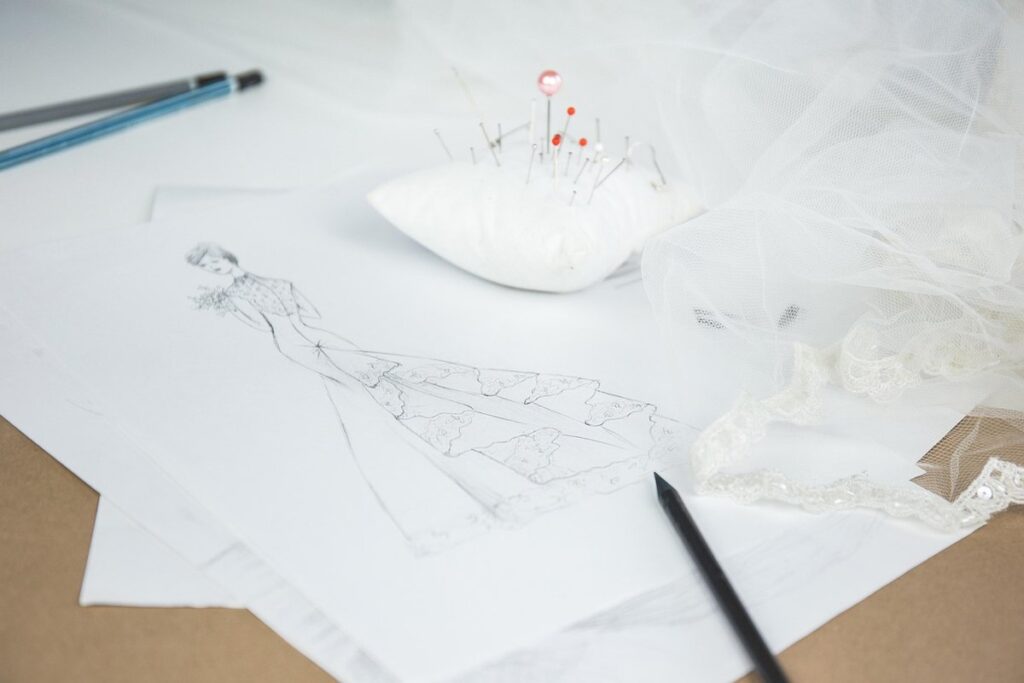
Understanding the Basics of Dress Design Sketching
To create a dress design sketch, you need to understand the fundamental principles of garment construction and fabric manipulation, which we’ll explore in this section. Let’s start by breaking down the essential elements of a successful sketch.
Introduction to Sketching Fundamentals
To create a solid foundation for dress design sketching, it’s essential to understand the fundamental principles of perspective. Perspective refers to how objects appear to shrink or recede into the distance, creating a sense of depth on a flat surface. In drawing, perspective is used to create an illusion of three-dimensionality.
Proportion is another critical aspect of sketching fundamentals. It involves ensuring that the size and scale of your design elements are accurate in relation to each other. For example, if you’re drawing a dress, its waist should be proportionate to its hemline. Most people use simple measurements, such as the head or hand, to gauge proportions.
Line work is also fundamental to effective sketching. It involves the deliberate placement and weight of lines to convey form, texture, and emotion. Different types of lines – thin, thick, continuous, and broken – can all contribute to a visually appealing design. Experiment with various line weights and styles to see how they impact your sketches.
To master these basics, it’s recommended to practice drawing simple shapes and forms from life or reference images. This will help you develop an intuitive sense of proportion and perspective.
Essential Tools for Dress Design Sketching
To create effective dress design sketches, you’ll need to choose the right tools for the job. A sketching pencil with a range of hardness levels is essential for achieving varying line weights and shading effects. Graphite pencils (HB, 2B, 4B) are ideal for creating detailed drawings, while softer leads can produce rich, dark tones.
A good quality paper is also crucial for bringing your designs to life. Look for smooth, non-absorbent paper that allows for even pencil strokes. Some designers prefer hot press watercolor paper, which provides a smooth surface and minimal texture. Others opt for cold press or rough paper for added texture and visual interest.
When it comes to digital tools, you’ll need software that can handle illustration and graphic design. Popular options include Adobe Illustrator and Photoshop, as well as specialized dress design software like OptiTex and Gerber AccuMark. Familiarize yourself with the interface and basic functions of your chosen software before starting a new project.
Developing Your Drawing Skills
Developing strong drawing skills is essential for creating realistic and appealing dress design sketches, and we’ll cover the key techniques to help you improve your artistic abilities.
Basic Shapes and Proportions in Dress Design
When breaking down complex dress designs into basic forms, start by identifying the underlying shapes and silhouettes. Consider the bodice as a series of connected rectangles and triangles, while the skirt can be simplified to a circle or an oval. This deconstruction helps you understand the overall proportions and balance of the design.
To apply proportional guidelines, use the “Golden Ratio” (1:1.618) to divide your sketch into segments that promote visual harmony. For example, the waist-to-hip ratio in a dress should typically follow this proportion. You can also use simple grid drawings or proportional squares to ensure accuracy and balance.
In practice, try dividing your design into thirds both horizontally and vertically. Place key features like the bust, waistline, and hem along these lines for a more balanced composition. When sketching dresses with asymmetrical elements, apply these principles to create visual tension and interest.
Understanding Silhouette and Line Work
Silhouette and line work are fundamental elements in dress design sketching. The silhouette refers to the overall outline or shape of a garment on the body, while line work encompasses the various lines used to create the design. Both play crucial roles in creating visually appealing designs.
A well-designed silhouette can make or break a dress design. It’s essential to consider how the garment will drape and hang on the body. For instance, a fitted bodice with a flared skirt will create a different silhouette than a flowy maxi dress. When sketching, focus on capturing the essence of the silhouette, rather than every detail.
In terms of line work, varying weights and styles can add depth and interest to your designs. Thin lines can be used for delicate details like lace or embroidery, while thicker lines can create bold, statement pieces. Experiment with different line weights and textures to achieve unique effects. For example, using a mix of smooth and textured lines can give the illusion of fabric movement. Paying attention to silhouette and line work will elevate your dress design sketches from basic to sophisticated.
Creating a Successful Design Sketch
As you work on perfecting your dress design sketch, it’s essential to focus on creating a clear and concise visual representation of your concept. This means avoiding clutter and emphasizing key design elements.
Researching Inspiration and Reference Images
Start by collecting reference images from various sources such as fashion magazines, websites, and social media platforms. Study different styles, silhouettes, and details like texture, pattern, and embellishments. Create a mood board or a Pinterest board to visualize your ideas and keep track of the references that inspire you.
When researching inspiration, consider looking at historical periods, cultural influences, and current trends. Take note of what specifically draws you to certain designs – is it the fabric choice, the style, or something else? This will help you identify patterns in your preferences and develop a unique aesthetic.
For example, look at how designers like Coco Chanel and Christian Dior incorporated luxurious fabrics and clean lines into their designs. Study the way modern designers like Alexander McQueen and Marc Jacobs use bold colors, textures, and dramatic silhouettes to create striking looks. Analyze what makes these designs tick and see if you can apply those elements to your own sketches.
Consider using online resources like Pinterest or Instagram to discover new styles, trends, and inspiration. Follow fashion designers, artists, and illustrators who share high-quality reference images that spark your creativity.
Techniques for Effective Sketch Communication
Effective sketch communication is essential for conveying your design vision to others. To achieve this, labeling and annotations are crucial. Use clear, concise labels to identify different components of the dress, such as “Shoulder Line,” “Waist Seam,” or “Skirt Length.” This helps the viewer quickly understand the design’s key features.
Annotations can also be used to communicate the fabric type, pattern, or any other relevant details. For example, you might add a note indicating that the dress is made from silk or that it has an asymmetrical hemline. Be mindful of the placement and size of annotations; they should enhance the sketch without cluttering it.
When presenting your sketches, consider the context in which they will be viewed. In a portfolio setting, use high-quality images with clear labeling and annotations. For client presentations, focus on key features and benefits of each design. Use arrows or other visual aids to draw attention to specific elements. Keep annotations concise, using bullet points or short sentences when necessary.
Advanced Techniques in Dress Design Sketching
To take your dress design sketching skills to the next level, you’ll learn advanced techniques for creating detailed, high-fashion designs. This includes mastering drapery folds and layering fabric textures.
Mastering Color and Textures in Your Designs
When working on advanced dress design sketches, incorporating color and textures can elevate your designs from two-dimensional representations to visually stunning and engaging pieces. You can use a range of techniques to achieve depth and interest through color and texture.
To begin with, select colors that resonate with your design’s theme or aesthetic. For instance, if you’re designing a summer dress, consider using pastel shades to evoke a sense of freshness and lightness. Conversely, rich jewel tones can add luxury and sophistication to more formal designs. Consider the emotions and associations linked to various color palettes when selecting hues for your sketch.
Incorporating textures is another way to add depth and visual interest. You can use different line weights or shading techniques to achieve a sense of texture, even in flat sketches. Alternatively, you might opt for colored pencils, markers, or digital brushes that mimic the look and feel of real-world materials. For example, using a textured brush effect on a digital sketch can give it a tactile quality reminiscent of hand-woven fabrics.
When combining color and textures, balance is key to avoid overwhelming the viewer. Limit your palette to 2-3 main colors and focus on accentuating one or two textures at most. This thoughtful approach will help you create visually appealing dress design sketches that capture the essence of your ideas.
Creating 3D Effects with Flat Sketches
To create 3D effects with flat sketches, focus on manipulating light and shadow to convey depth. Start by adding subtle shading to areas where light would naturally fall on the fabric, such as the folds of a sleeve or the curve of a neckline. Use hatching and cross-hatching techniques to build up layers of value, creating the illusion of dimensionality.
When layering, consider the texture and weight of different fabrics. For example, use short, loose strokes for lightweight materials like cotton or silk, while longer, more deliberate strokes can suggest heavier fabrics such as velvet or wool. Experiment with different shading tools, like pencils or pens, to achieve a range of effects.
Shading is most effective when it’s subtle and nuanced. Avoid harsh contrasts between light and dark areas, as these can create an unnatural, two-dimensional appearance. Instead, aim for a gradual transition from light to dark, using gentle gradations to suggest the smoothness or texture of fabric. By mastering these techniques, you can add depth and visual interest to your flat sketches, creating 3D effects that draw the viewer’s eye into the design.
Digital Tools for Dress Design Sketching
To create stunning dress designs, you’ll need software that can bring your sketches to life. Let’s explore some digital tools specifically designed for creating beautiful, detailed designs.
Introduction to Popular Software Programs
When it comes to digital dress design sketching, having the right software can make a significant difference. Two popular programs among designers are Adobe Illustrator and Sketchbook Pro. Adobe Illustrator is a vector-based program that excels at creating precise lines and shapes, making it ideal for detailed sketches of intricate designs.
Sketchbook Pro, on the other hand, uses a more flexible brush engine to mimic traditional drawing experiences. This can be particularly useful when trying to capture the subtleties of texture and fabric drape in your designs. Both programs offer intuitive interfaces and powerful features that can help streamline your design process.
One key consideration is choosing the right software for your specific needs. For example, if you’re working on a complex design with many intricate details, Adobe Illustrator’s precision tools may be more suitable. However, if you prefer a more free-form approach to sketching or need to work on larger formats, Sketchbook Pro might be a better fit.
In addition to these two industry-standard programs, other software options like CorelDRAW and Autodesk Sketchbook are also worth exploring.
Tips for Effective Digital Sketching
When working digitally, it’s essential to understand how to get the most out of your software. This includes learning shortcuts to speed up your workflow and customizing your tools to fit your specific needs.
Most digital sketching programs offer customizable brushes and settings that can be tailored to mimic traditional media or create unique effects. Experiment with different brush styles, sizes, and opacity levels to find what works best for you. For example, if you’re trying to achieve a loose, hand-drawn look, try using a wet-on-wet brush setting.
You should also explore compatibility options that allow you to seamlessly integrate your digital sketches with physical materials. This can be as simple as being able to export your designs at high resolution or as complex as using software that allows you to draw directly onto your tablet and then transfer the image to paper.
Some programs even offer collaboration features, allowing multiple designers to work on a single project simultaneously. Familiarize yourself with these options to streamline your workflow and improve communication with clients or colleagues.
Displaying Your Designs Professionally
When sharing your dress design sketches, first impressions matter, so let’s explore ways to display them professionally and effectively showcase your creative vision.
Best Practices for Portfolio Development
When it comes to showcasing your dress design skills and style, a well-crafted portfolio is essential. A professional portfolio should demonstrate a clear narrative of your artistic development and expertise in dress design sketching.
Organize your portfolio by categorizing your designs according to theme, occasion, or client requirements. This will help potential employers quickly find relevant work and understand the breadth of your skills. Include a brief description of each piece, highlighting the inspiration behind it and the techniques you employed.
When selecting pieces for your portfolio, prioritize those that demonstrate your ability to tackle complex design challenges and showcase your unique style. Limit yourself to 10-20 essential designs that best represent your artistic vision and capabilities.
Remember to regularly update your portfolio as your skills evolve and new projects are completed. This will not only keep your work relevant but also demonstrate your commitment to continuous learning and growth.
Preparing for Design Jobs or Internships
When applying for design jobs or internships, your sketches play a crucial role in showcasing your skills and artistic vision. To ensure they make a lasting impression, pay attention to formatting, size, and presentation.
A standard A3 or US letter-sized sheet is typically the maximum size for submitting designs. Stick to this format to avoid overwhelming hiring managers with large files. Keep your sketches organized by grouping similar designs together or categorizing them by theme.
In terms of presentation, consider investing in a high-quality sketchbook or portfolio that complements your designs. Use acid-free paper and choose a binding that allows for easy flipping through the pages. Include a brief description or caption for each design to provide context and inspire conversation.
When creating a digital portfolio, use clear, concise file names and organize them into separate folders for each project. Consider using software like Adobe Acrobat or Canva to create interactive flipbooks or online portfolios that can be easily shared with potential employers.
Frequently Asked Questions
Can I use digital tools for both sketching and presentation?
Yes, many designers prefer to create their designs digitally from start to finish, as this can streamline the process and ensure consistency throughout. Popular software programs like Adobe Illustrator and Sketchbook Pro offer a range of features that allow you to create, edit, and present your designs in one place.
How do I know when my design is ‘good enough’ for professional presentation?
This is a common challenge many designers face. To determine if your design is ready for presentation, consider whether it effectively communicates your vision, is technically sound, and meets the client’s requirements. Take a step back, review your work, and ask yourself if there are any areas that need improvement before presenting to others.
What if I’m struggling with creating 3D effects on flat sketches – are there any shortcuts or tips?
Yes, creating convincing three-dimensional shapes on a two-dimensional sketch can be tricky. To achieve this effect, experiment with layering, shading, and texture techniques. Practice breaking down complex forms into basic shapes and focus on capturing the essence of your design rather than trying to draw every detail.
Can I use my existing portfolio for dress design jobs or should I create a separate one?
While it’s tempting to reuse an existing portfolio, consider creating a dedicated one specifically for dress design work. This will allow you to tailor your presentation to showcase your expertise in this area and make a stronger impression on potential employers.
How do I prepare my sketches for job applications – what’s the ideal file size and format?
For online submissions, save your files as high-resolution PDFs or JPEGs, ensuring they are large enough to be easily viewed but not so large that they take too long to download. For in-person presentations, consider printing your designs at a standard A4 or A3 size, depending on the specific requirements of the job or internship you’re applying for.