
Drawing anime characters can be a fun and rewarding hobby for anyone who loves Japanese animation. However, creating realistic designs that capture the essence of an anime style requires a solid understanding of proportions, facial expressions, and advanced techniques. You might have seen numerous tutorials online, but many lack depth and fail to provide a comprehensive guide to drawing anime characters.
This article aims to bridge that gap by covering the basics of drawing anime characters, including their unique proportions and how to accurately depict facial expressions. We’ll also explore more advanced techniques for creating realistic designs that capture the spirit of an anime character. By the end of this guide, you’ll have a solid foundation in drawing anime characters and be able to create your own original designs with confidence and accuracy.
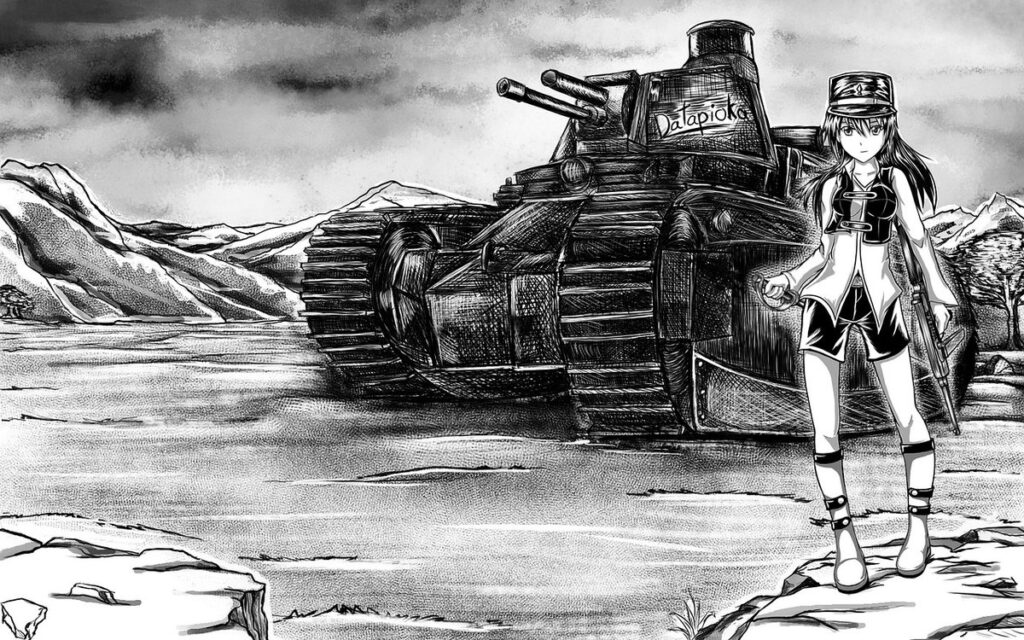
Getting Started with Drawing Anime
To start drawing anime characters, you’ll need to get familiar with the basics of Japanese facial features and body proportions. Understanding these elements will help you create more realistic and appealing anime art.
Understanding Basic Shapes and Forms
When drawing anime characters, it’s essential to understand their basic shapes and forms. Start by breaking down the body into simple geometric shapes: spheres for the head and torso, cylinders for the arms and legs, and rectangles for the hands and feet. This will help you achieve a more accurate representation of proportions.
Focus on the face, which is comprised of three main components: the eyes, nose, mouth, and facial structure. The eyes are typically almond-shaped, with the upper eyelid being slightly rounded and the lower eyelid being flat. The iris is often larger than in real life, with a vibrant color to emphasize the character’s personality.
Pay attention to the proportions of each feature. For example, the distance between the eyes should be about one-third to one-half of the width of the face. The nose is usually small and slightly upturned, while the mouth is curved upwards in a gentle smile.
To practice drawing these basic shapes and forms, try sketching simple anime faces without worrying too much about details or realism. Focus on getting the proportions right, and then gradually add more features and textures as you become more comfortable with your drawing skills.
Familiarizing Yourself with Anime Proportions
Anime characters have distinct proportions that set them apart from realistic depictions of humans. One key aspect is the head-to-body ratio, which is typically larger than in real life. A common measurement for anime heads is around 1/7 to 1/8 of the total body height. This means that if your character’s height is 5 feet (60 inches), their head should be roughly between 6-8 inches tall.
Another important proportion is arm length, which is often shorter in anime compared to real-life humans. Typically, an anime character’s arms are around 1/4 to 1/3 of their body height. For example, if your character is 5 feet (60 inches) tall, their arms should be roughly between 12-20 inches long.
When applying these proportions to create a balanced and stylized design, consider the following: Anime characters often have exaggerated features, such as large eyes or ears, which can throw off proportions. To achieve balance, focus on maintaining the correct head-to-body ratio and arm length while making adjustments for other exaggerated features. This might involve slightly shortening arms or elongating the body to compensate for oversized facial features.
Mastering Facial Expression and Emotions
Drawing anime characters’ facial expressions is crucial for conveying emotions, so let’s master the art of capturing subtle nuances with precision. This involves understanding Japanese emotional subtlety and translating it into dynamic facial designs.
Capturing Expressive Eyes
Anime eyes are a crucial aspect of drawing expressive characters. You’ll often see various eye shapes and sizes used to convey different personalities and traits. The most common types of anime eyes are round, almond-shaped, and triangular. Round eyes tend to be more youthful and innocent-looking, while almond-shaped eyes can give the impression of being more mature or even menacing. Triangular eyes are often associated with cute or childlike characters.
When drawing anime eyes, it’s essential to consider their size in relation to the rest of the face. Larger eyes can make a character appear more expressive and emotive, while smaller eyes may create a more reserved or stoic impression. The shape and size of your character’s eyes should also reflect their personality and role within the story.
To add depth and dimension to your characters’ peepers, focus on creating subtle variations in eye shape and expression. You can achieve this by adjusting the eyelids, pupils, and surrounding facial muscles. For example, a character looking tired might have droopy eyelids or half-closed eyes, while one that’s excited could have wide, bright pupils. Experiment with different combinations to find what works best for your art style and characters.
Crafting Authentic Emotions with Facial Musculature
To convey a range of emotions through facial expression, it’s essential to understand the underlying anatomy of facial muscles. The zygomaticus major and minor muscles control smile movements, while the orbicularis oculi muscle handles eye closure and surrounding skin tension. The nasalis muscle raises the nose tip and controls nostril flaring.
When drawing anime characters, focus on the subtle connections between these muscles to create nuanced emotions. For instance, a gentle smile might be achieved by slightly raising the outer corners of the mouth (zygomaticus major) while maintaining relaxed eye muscles. To depict intense emotions like anger or sadness, exaggerate muscle contractions and associated skin creases.
A few key principles can help you craft authentic emotions with facial musculature:
• Show the full range of a single muscle’s motion
• Balance tension in opposing muscles (e.g., raising an eyebrow while lowering the chin)
• Use subtle changes in facial structure to convey mood
• Observe and study real faces, noting how different emotions affect various muscles
Drawing Anime Hair and Accessories
Now that you’ve mastered the basics of drawing anime faces, it’s time to add some flair with hair and accessories. Let’s explore how to draw realistic-looking locks and stylish adornments.
Styling Hair for Anime Characters
Anime hair styles are incredibly diverse and often serve as a key aspect of a character’s personality. Up-dos and ponytails are staples in anime, but don’t be afraid to experiment with more elaborate hairstyles like the iconic “twintails” or “buns.” When drawing these complex styles, it’s essential to break them down into simpler components.
Start by sketching the basic shape of the hairstyle, paying attention to proportions and placement. For example, when drawing a ponytail, consider the distance between the base of the ponytail and the back of the head. This will help you achieve a more realistic look. To add texture and depth, use short, curved strokes for individual strands of hair.
When creating intricate hairstyles, practice drawing each strand separately before combining them into a cohesive whole. This will help you develop muscle memory and ensure that your character’s hairstyle looks polished and detailed. Remember, the key to drawing realistic-looking anime hair is attention to detail and a willingness to experiment with different styles and textures.
Adding Unique Accessories to Your Characters
When adding unique accessories to your anime characters, consider how each element will complement their overall look. Hats can add a pop of color and personality, but avoid overly ornate designs that might detract from your character’s face. Scarves can add texture and interest, but be mindful of patterns and colors that clash with the rest of the outfit.
When designing accessories, think about the character’s lifestyle and environment. For example, if your character is a student, they might carry a backpack or messenger bag. If they’re a musician, they might wear headphones or carry a guitar case.
Some common accessories in anime include bags, hats, scarves, glasses, and jewelry. To draw these elements effectively, study real-world examples for reference. Pay attention to textures, patterns, and proportions. Consider how the accessory will interact with your character’s hair, clothing, and surroundings.
In particular, focus on drawing the details that make each accessory unique. For example, if you’re drawing a hat, capture the way it sits on the head, including any folds or creases in the fabric. If you’re drawing a scarf, render the intricate patterns or textures. By paying attention to these details, you can create accessories that add depth and personality to your anime characters.
Developing Personality through Body Language
When drawing anime characters, conveying their unique personality is crucial, and body language plays a significant role in achieving this. Let’s explore how to use subtle cues to bring your character to life.
Drawing Anime Postures and Stances
When drawing anime characters, capturing their unique postures and stances is crucial to conveying personality and emotion. Start by observing real-life poses and angles, then adapt them to fit the exaggerated proportions of anime. Notice how relaxed poses, like leaning against a wall or sitting on the ground, can reveal a character’s casual nature.
For dynamic action scenes, experiment with energetic poses that emphasize movement and energy. For example, a character jumping through the air might be depicted with their legs splayed wide and arms outstretched, while a character in mid-run could have their body tilted forward and arms pumping.
To create a sense of movement, pay attention to where your character’s weight is centered and how it shifts from pose to pose. A character standing with their weight on one leg can convey confidence or aggression, while a character with their weight evenly distributed between both legs might appear more neutral. When depicting characters in motion, consider using loose lines and expressive gestures to capture the dynamic energy of their movements.
Expressing Emotion through Gesture and Movement
When drawing anime characters, it’s essential to convey their personality and emotions through subtle gestures and movements. Posture plays a significant role in communicating character traits, such as confidence or shyness. A character standing tall with shoulders back conveys a sense of pride or determination, while slouching may indicate insecurity.
Hand gestures are also crucial in expressing emotion. For example, a hand resting on the hip can suggest a playful or flirtatious personality, while holding hands behind the back may convey nervousness or apprehension. The way characters move can also reveal their emotions and traits. A character walking with purpose and determination conveys a sense of confidence and ambition.
To add depth to your characters, consider including non-verbal cues such as facial expressions, eye movements, and body language. For instance, a character looking away while speaking may indicate shyness or embarrassment. Similarly, crossing arms over the chest can suggest defensiveness or resistance. By incorporating these subtle gestures and movements into your drawings, you’ll be able to create more nuanced and engaging anime characters.
In particular, pay attention to how your character’s hands interact with their environment. Are they fidgeting with objects or playing with a pet? This can reveal a lot about their personality and traits.
Refining Your Anime Drawing Skills
As you continue to develop your anime drawing skills, refining your technique is crucial for creating more realistic and engaging characters. This involves mastering subtle details like facial expressions and body language.
Practice Exercises for Mastering Anime Style
To develop your skills in drawing anime-style characters, start by practicing basic shapes and forms. Begin with simple exercises like drawing spheres, cylinders, and rectangles to get a feel for their proportions and relationships to each other. For example, try drawing a sphere with a slightly flattened top, which is characteristic of many anime character heads.
Next, practice drawing facial features, starting with the eyes. Draw different types of anime eyes, such as large and expressive or smaller and more delicate. Pay attention to the shape and placement of the eyelids, eyebrows, and pupils. Practice drawing various facial expressions by modifying the eyes and adding subtle hints at emotions through the lips and nose.
For more advanced techniques, practice drawing anime hair and accessories. Start with simple styles like straight bangs or ponytails, then move on to more complex designs. Pay attention to how the hair interacts with the face and body, and practice drawing it in different states of movement. To add unique accessories to your characters, practice drawing various items, such as hats, scarves, or jewelry, that reflect their personality and style.
Incorporate these exercises into your regular practice routine to develop muscle memory and improve your skills.
Common Mistakes to Avoid in Anime Drawing
When drawing anime characters, it’s easy to fall into common pitfalls that can detract from the overall quality of your artwork. One mistake is failing to consider the proportions and balance of the character’s body. Anime characters typically have exaggerated features, but this doesn’t mean you should sacrifice accuracy entirely. Pay attention to the head-to-body ratio, and make sure the character’s limbs are in proportion to their torso.
Another mistake is relying too heavily on reference images. While it’s okay to use reference images for inspiration or to get a sense of how certain poses or expressions work, over-reliance can stifle your creativity and prevent you from developing your own unique style. Try to internalize the proportions and characteristics of anime characters through practice exercises.
In addition, don’t be afraid to simplify complex features. Anime characters often have intricate hairstyles, elaborate outfits, and detailed accessories, but these details can quickly overwhelm a drawing if not handled carefully. Learn to prioritize what’s essential to the scene or character, and focus on rendering those details with clarity and precision.
Advanced Techniques for Realistic Anime Characters
Now that you’ve mastered the basics, it’s time to take your anime character drawings to the next level by learning advanced techniques that bring realistic depth and emotion. You’ll discover how to create subtle expressions and lifelike textures.
Creating 3D Depth with Shading and Texturing
To create 3D depth in your anime characters, focus on shading and texturing techniques. Start by studying how light interacts with your character’s form – consider where shadows would fall, and how highlights would reflect off curves and angles. Use a range of values (light to dark) to create depth: subtle gradations between shades can make your art feel more nuanced.
When it comes to shading, experiment with different tools and materials. For example, you might use a pencil for soft, blended shadows or a marker for bolder, more defined lines. Pay attention to texture as well – adding tactile details like skin pores, fabric weave, or wood grain can make your art feel more lifelike.
For texturing specifically, try layering different materials and effects. You could use a mixture of digital brushes and traditional media to achieve unique textures. Consider the character’s environment too: how does their clothing interact with their surroundings? Adding subtle texture and shading can also help convey emotion – for instance, a character’s worn, weathered appearance might suggest they’ve faced hardships.
Incorporating 3D depth through shading and texturing techniques takes practice, but it’s worth the effort. Experimenting with different materials and methods will help you develop your unique style and create more believable characters.
Realistic Facial Expressions through Musculature and Anatomy
When drawing anime characters, capturing realistic facial expressions is crucial for conveying emotions and depth. To achieve this, it’s essential to understand the musculature and anatomy of the face. Start by studying the basic muscles that control facial movements: the zygomaticus major (smiling), orbicularis oculi (eyebrow raising), and depressor anguli oris (frowning). Analyze how these muscles interact with one another to create a range of expressions.
To add subtlety, consider the texture and structure of skin. Anime characters often have smooth, even skin tones, but this can be achieved through careful shading and texturing techniques rather than relying on unrealistic idealization. Think about the way light interacts with facial features: where does it hit, and how do shadows fall? For example, when drawing a character‘s cheekbones, consider how they would reflect or absorb light, adding depth to the overall expression.
Incorporating subtle details like these can elevate your anime characters from generic caricatures to believable, relatable individuals. To master this technique, practice observing real faces and experimenting with different shading and texturing methods in your own drawings.
Conclusion: Tips for Continuing Growth as an Anime Artist
Now that you’ve honed your anime art skills, it’s time to think about where you want to take them next. Here are some actionable tips to keep you growing as a manga and anime artist.
Final Thoughts on Mastering Anime Drawing
Mastering anime drawing requires a deep understanding of its underlying principles and techniques. As you continue to develop your skills, remember that practice is key. Regularly set aside time for exercises that challenge you, such as drawing from life or creating multiple iterations of the same character.
To take your drawings to the next level, focus on refining your proportions, poses, and facial expressions. Study the work of other anime artists, analyzing what makes their characters so compelling. Pay attention to the subtleties in their designs, from the way they use lines and shading to convey emotion to the thoughtful details that bring their characters to life.
In addition to honing your technical skills, don’t forget to stay inspired by exploring different styles and genres within anime. Attend conventions or join online communities where you can connect with fellow fans and artists, sharing ideas and learning from one another’s experiences. By staying curious and open-minded, you’ll continue to grow as an artist, pushing the boundaries of what’s possible in anime drawing.
When it comes to improving your skills, don’t be afraid to experiment and try new things – even if they don’t work out as expected. This is where some of the most valuable learning takes place, and it will help you develop a unique voice within the world of anime art.
Final Tips for Staying Inspired as an Artist
Experimentation is key to staying inspired as an anime artist. Don’t be afraid to try new techniques, experiment with different styles, and step out of your comfort zone. This can be as simple as attempting a character design from a different era or trying a unique pose or gesture.
Networking with other artists is also essential for growth. Attend conventions, join online communities, or participate in local art groups to connect with fellow anime enthusiasts. Share your work, provide feedback on others’ pieces, and learn from their experiences. You can gain valuable insights into the industry, discover new trends, and stay motivated by surrounding yourself with like-minded individuals.
To continuously find inspiration, explore various sources of reference material. Watch anime, read manga, or visit museums to study different styles, eras, and art movements. Pay attention to how lighting, textures, and colors are used in your favorite pieces. You can also try drawing from life, observing people’s expressions, body language, and posture in real-life situations.
Remember that inspiration is a muscle that needs to be exercised regularly. Schedule time for experimentation, networking, and exploration to keep your creative spark alive. By doing so, you’ll continue to grow as an artist and develop a unique voice within the anime community.
Frequently Asked Questions
What if I’m struggling to draw realistic-looking anime characters despite following the guide?
Yes, it’s normal for beginners to struggle with capturing realism in their drawings. To improve, focus on practicing shading and texturing techniques using reference images of real-life subjects. Pay close attention to the subtleties of facial expressions, skin textures, and hair details.
Can I use digital tools to create anime characters, or is traditional drawing required?
You can use both traditional and digital tools to create anime characters. Many artists prefer digital media for its convenience and flexibility. Popular software options include Adobe Photoshop and Clip Studio Paint. Experiment with different tools to find what works best for your style.
How do I know when a character’s facial expression or body language is conveying the intended emotion?
Pay attention to the subtle details in your drawing, such as the shape of the eyes, eyebrows, mouth, and posture. Consider the context of the scene and the character’s personality. Practice drawing different emotions and experimenting with varying degrees of subtlety.
What if I want to create an anime character that doesn’t fit traditional proportions or styles?
Yes, there are many examples of successful anime characters that break traditional proportion rules or have unique designs. Focus on creating a well-balanced composition, even if it means deviating from standard proportions. Study the work of artists who specialize in non-traditional styles and experiment with your own interpretations.
Can I apply the techniques learned in this guide to other forms of art, such as manga or Western-style comics?
Yes, many of the principles covered in this guide can be applied to other forms of sequential art. However, each style has its unique characteristics and requirements. Study the distinct features of different art styles and adapt the skills you’ve developed to suit your desired medium.
How do I balance practice exercises with creating actual artwork that showcases my skills?
Prioritize practice exercises for a while, but also make time for working on actual projects that showcase your skills. Experiment with different techniques and styles in your practice exercises to develop your skills, then apply them to more substantial pieces.