
As summer’s warmth gives way to autumn’s chill, our surroundings are transformed by the vibrant colors of fallen leaves. You’ve probably gathered handfuls of these fleeting treasures, admiring their intricate shapes and patterns, but did you know that with a little creativity, they can become stunning additions to your home decor? Crafting with real fall leaves is not only a fun way to celebrate the season, but also a great opportunity to preserve memories and create lasting pieces of art. In this article, we’ll explore various techniques for incorporating leaves into beautiful fall-themed crafts, from delicate leaf pressing to mixed media collages that showcase their unique textures and colors. By the end of this guide, you’ll have the skills to craft your own stunning leaf-inspired projects and learn expert tips on preservation and display methods to keep them looking fresh all year round.
Choosing the Right Materials and Tools
When working with delicate fall leaves, selecting the right materials and tools is crucial to ensure your craft project turns out beautifully. Consider the type of craft you’re making and choose supplies accordingly.
Selecting the Perfect Leaves
When selecting leaves for crafting, it’s essential to consider their texture, color, and shape. Look for leaves with interesting veins, delicate edges, or unique shapes that can add visual interest to your projects. For example, oak leaves are known for their deeply lobed shape and rustic texture, while maple leaves have a distinctive V-shaped notch at the base of their stem.
If you’re collecting leaves from outdoors, choose specimens that are fresh and undamaged. Avoid leaves that are wilted or show signs of mold, as these can be difficult to work with. When it comes to drying leaves, air-drying is often the best method. Simply tie a small bunch of leaves together with twine and hang them upside down in a warm, dry place. This will help preserve their texture and prevent mold from forming.
Some popular types of fall leaves for crafting include maple, oak, and birch. These trees produce leaves with distinct shapes and colors that can add depth and visual interest to your projects. When selecting leaves, consider the color palette you want to achieve. Warm-toned leaves like oak and maple are perfect for autumn-themed crafts, while cool-toned leaves like birch and beech work well in winter-inspired designs.
Preparing Your Workspace and Tools
To craft beautifully with fall leaves, it’s essential to prepare a workspace and gather the necessary tools. Start by clearing a flat surface of any clutter or distractions. A large piece of cardboard, a tablecloth, or even an old sheet can serve as a protective covering for your work area. This will prevent any damage from leaf juice stains or accidental spills.
Next, collect the basic materials you’ll need. A pair of sharp scissors is crucial for cutting and shaping leaves. Invest in a good-quality craft glue to adhere leaves to paper, other materials, or each other. You may also want to have some loose-leaf paper on hand for experimenting with different leaf arrangements.
A few additional tools can be helpful but are not essential: tweezers for delicate work, a small brush for applying adhesive or paint, and a magnifying glass for examining leaves up close. Consider storing your workspace near a window with natural light to enhance the colors of your fall leaves.
Leaf Crafting Techniques and Projects
Now that you have a stash of beautiful fall leaves, let’s explore some creative ways to use them in crafting projects, from delicate decorations to handmade art. We’ll share our favorite techniques for preserving and arranging these colorful leaves.
Basic Leaf Shapes and Forms
When working with fall leaves, it’s essential to understand the basic leaf shapes and forms. This foundation will enable you to create a wide range of crafts and projects. Begin by examining the natural curves and edges of individual leaves – observe how they can be bent or folded without breaking.
Rolling is a simple technique for creating cylindrical shapes. Gently roll a single leaf, beginning from one end, to form a tight coil. You can use this method to create decorative accents or even a miniature vase. Folding is another fundamental technique that allows you to create various forms by bending leaves in half or more along their midribs.
To press leaves into flat shapes, place them between sheets of paper towels or blotting paper. Weigh down the pages with heavy books, and allow the leaves to dry for several days. This method is ideal for creating intricate patterns or designs. For example, you can arrange pressed leaves in a collage to form a fall-themed scene.
Start with simple projects like rolled or folded leaf decorations or a single-leaf arrangement. As you become more comfortable with these basic techniques, experiment with combining different shapes and forms to create unique and visually appealing pieces.
Advanced Leaf Shaping and Manipulation
For advanced leaf crafters, layering is a technique used to create depth and dimension by overlapping leaves. Start with a base layer of larger leaves, followed by smaller ones, allowing for variation in size and texture. You can use a mixture of deciduous and evergreen leaves to add contrast and interest.
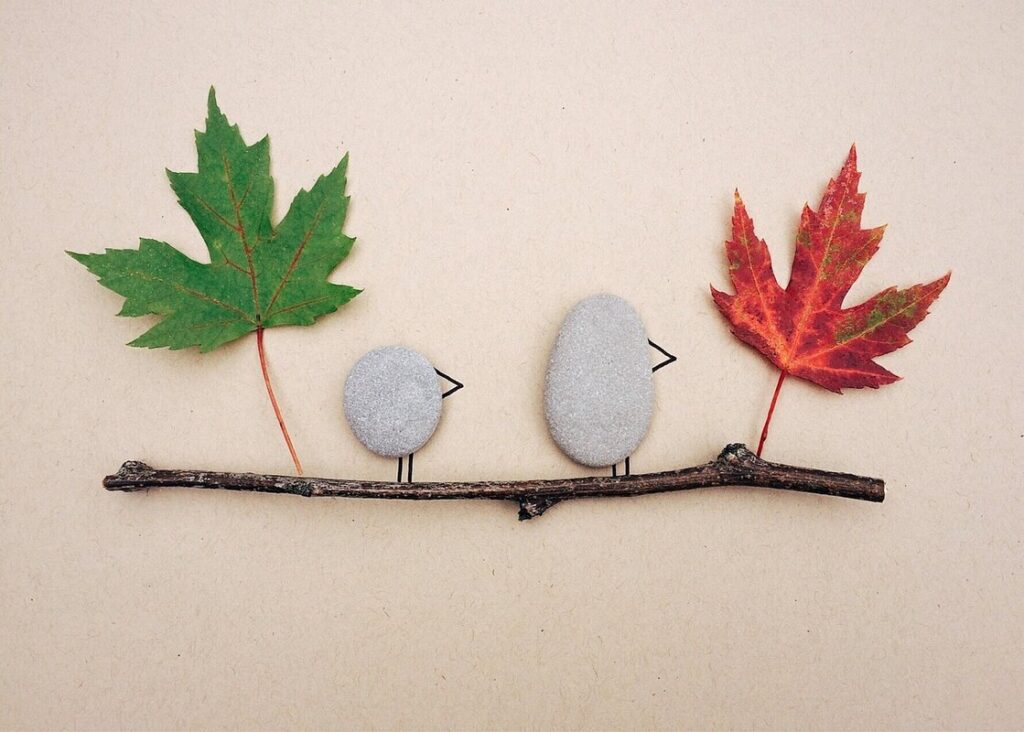
To achieve a more textured look, try combining different materials like twigs, seeds, or small pinecones with the leaves. This adds an extra layer of depth and visual appeal. For example, arranging a few sprigs of dried lavender between overlapping leaves can create a beautiful, ethereal effect.
When combining different materials, consider the colors and textures you’re working with. A delicate leaf paired with a chunky twig might clash, while a soft, muted leaf could complement a similar-toned seed pod. Experiment with various combinations to find what works best for your project.
In terms of more intricate crafts, consider creating miniature scenes or dioramas using leaves as the primary material. This can be done by layering leaves in a specific pattern, such as a tree shape, and then adding small details like twigs or seeds to create texture and interest.
Using Leaves in Mixed Media Collages
Take your mixed media collages to the next level by learning how to effectively incorporate fall leaves, and discover the techniques for preserving and arranging them in a collage.
Combining Leaves with Other Materials
Combining leaves with other materials is where mixed media collages truly shine. By combining natural elements like leaves with paper, fabric, and found objects, you can create rich textures and visual interest. One technique is to layer dried leaves over a background of textured paper or fabric, allowing the leaves’ delicate forms to peek through.
When choosing what to combine your leaves with, consider the leaf’s shape, size, and color. For example, large, flat leaves like maple or oak can be paired with smooth papers or fabrics for a contrasting effect. Smaller, more intricate leaves might do better alongside lace or tissue paper for added whimsy.
Experiment with different adhesives to secure your materials in place. You can use a strong glue like decoupage medium or a more subtle adhesive like spray fixative. Don’t be afraid to experiment and try new combinations – the key is to find balance between the natural elements and the other materials you’re incorporating.
Creating Textured Backgrounds and Effects
When creating textured backgrounds and effects with leaves, layering is key. Start by applying a thin layer of decoupage medium to a surface, followed by a single leaf or a small group of leaves. Allow the first layer to dry before adding subsequent layers, gradually building up texture and depth. Experiment with different leaf shapes and sizes to achieve unique patterns.
For added interest, try creating leaf-based patterns using a combination of pressed leaves and dried flowers. Apply a thin coat of adhesive to a surface and arrange the leaves in a random or intentional pattern. You can also use a credit card or similar tool to gently press leaves into place, creating subtle impressions.
Consider using different adhesives to achieve varying textures and effects. For example, gel medium creates a more textured, raised appearance, while decoupage medium produces a flatter finish. Experiment with these techniques to find the right balance of texture and visual interest for your artwork.
Pressed Leaf Art and Preservation
Pressed leaves can be more than just a decorative element, they can also become delicate works of art that preserve the beauty of fall. We’ll explore how to turn them into stunning pieces of pressed leaf art.
Drying and Preserving Leaves
To maintain the vibrant colors and delicate texture of fall leaves, it’s essential to dry and preserve them properly. Air-drying is a simple method where you tie leaves together with twine or wire and hang them upside down in a warm, dry area. This approach works best for thin, flexible leaves like maple or oak.
For thicker leaves, pressing is a more effective method. You can place the leaves between sheets of paper towel or blotting paper and weigh them down with a heavy book. Alternatively, you can use a leaf press or a DIY version made from cardboard and weights. Pressing helps remove excess moisture and prevents mold growth.
Gilding involves applying a thin layer of varnish or resin to protect the leaves from decay and add an extra layer of shine. This method is ideal for creating intricate designs or adding color accents to your pressed leaf art. When gilding, make sure to apply a thin coat and avoid covering too much surface area to prevent damage.
Proper preservation is crucial in maintaining leaf quality and longevity. Failing to dry leaves properly can lead to mold growth, discoloration, or even decay within weeks. By following these simple methods, you can ensure your fall leaves remain vibrant and intact for years to come.
Techniques for Creating Pressed Leaf Art
To create pressed leaf art, you can start by arranging leaves on a surface to achieve a balanced composition. This might involve experimenting with different shapes and sizes of leaves, as well as their orientation on the surface. For instance, you could place large leaves towards the edges of the arrangement, reserving smaller leaves for the center.
Consider using leaves as either a background or accent in your art piece. A single prominent leaf can be used as a focal point, while a backdrop of smaller leaves creates texture and visual interest. You might also combine pressed leaves with other natural materials like twigs, acorns, or seed pods to add depth and complexity to your artwork.
Some artists choose to group similar types of leaves together, creating patterns or textures by repeating leaf shapes and sizes. Others prefer to mix and match various species for a more dynamic effect. Experimenting with different arrangements will help you develop your unique style and vision in pressed leaf art.
Fall-Themed Crafts and Decorations
You can create beautiful fall-themed decorations using leaves, from wreaths and garlands to centerpieces and wall hangings that will add warmth to any room. Let’s explore some inspiring ideas for incorporating fall leaves into your home decor.
Seasonal Decorations Using Leaves
Using fall leaves in seasonal decorations is a great way to bring the outdoors in and create a warm, inviting atmosphere. One popular option is making leaf wreaths, which can be used as a centerpiece or hung on a door. To make a leaf wreath, start by collecting a variety of leaves in different shapes and sizes. You’ll also need a wire or foam base to shape your wreath.
When choosing leaves for your decoration, consider the colors and textures you want to feature. For example, if you’re going for a warm autumnal look, choose leaves with deep reds and oranges. If you prefer a more subtle approach, opt for muted yellows and browns. To add some depth to your wreath, incorporate branches or twigs into the design.
To preserve your leaf decorations, avoid placing them near direct sunlight or heat sources, which can cause the leaves to dry out quickly. Instead, position them in a shaded area or use artificial lighting to illuminate your decor without causing damage. This will help keep your leaf decorations looking their best throughout the fall season.
Leaf-Inspired Gift Ideas and Cards
Incorporating leaves into handmade gifts and cards is a thoughtful way to celebrate the fall season. For card-making, consider using a combination of pressed leaves and twigs to create a natural, autumnal design. Simply arrange the elements on a piece of cardstock or watercolor paper, then seal with a clear coat of varnish.
To add an extra layer of depth, try layering multiple sheets of paper to build up texture and visual interest. You can also use leaves as stamps by placing them face-down on inked paper and lifting off the pattern. This technique works particularly well for creating backgrounds or adding subtle details to your design.
For gift tags, attach a single pressed leaf to a small card or tag with a ribbon or twine. Alternatively, create a garland of leaves and use it as a decorative element on top of a wrapped present. When crafting gifts and cards with fall leaves, remember that imperfections are often what make them special – don’t be afraid to experiment and get creative with your design.
Troubleshooting Common Issues
Don’t worry, we’ve all been there – a perfectly beautiful leaf craft ruined by a stubborn issue. This section tackles common problems and their easy fixes to save your creative endeavors.
Handling Damaged or Faded Leaves
When working with fall leaves, it’s not uncommon to encounter damaged or faded specimens. This can be due to various factors such as exposure to sunlight, moisture, or handling. To salvage leaves and maintain their quality, you’ll want to inspect them carefully before proceeding.
Begin by evaluating the extent of the damage. If a leaf is only slightly discolored or has minor tears, it may still be usable for certain projects. However, if the damage is extensive or the leaf is brittle, it’s best to set it aside.
For leaves with faded colors, try gently misting them with water to revive their natural hues. You can also use a fixative spray to help stabilize the pigments and prevent further fading. For damaged leaves, consider using a combination of glue and varnish to repair tears and add stability.
When working with salvaged or repaired leaves, be mindful of their texture and flexibility. This may affect how they adhere to other materials or respond to manipulation. Consider using a sealant or protective coating to enhance the leaf’s durability and prevent further damage. By taking these steps, you can breathe new life into damaged or faded fall leaves and incorporate them into your craft projects with confidence.
Tips for Storing and Preserving Leaf Creations
To keep your leaf creations looking their best for years to come, proper storage and preservation are essential. Start by storing them in a dry, cool place away from direct sunlight. Avoid areas prone to moisture, such as basements or near windows with condensation. If you’re displaying your work in a public space, consider using UV-filtering glass or acrylic to protect the leaves from fading.
To prevent pests like silverfish or carpet beetles from damaging your leaves, store them in airtight containers filled with silica gel packets or uncooked rice. These absorb moisture and deter insects. You can also use paper bags or acid-free tissue paper to wrap individual pieces, ensuring they don’t touch each other and preventing damage.
Regularly inspect your stored creations for signs of decay or pest infestation. Remove any damaged leaves promptly to prevent further deterioration. When displaying your work, consider using a frame with a UV-filtering glass front to protect the leaves from light exposure. For longer-term preservation, consider using varnish or a fixative specifically designed for leaf art. Follow the manufacturer’s instructions carefully to avoid damaging your creations.
Conclusion
As you’ve now completed exploring various ways to craft with fall leaves, let’s summarize the key takeaways and final thoughts on making the most of this season’s natural treasures.
Recap of Key Takeaways
As you close out this comprehensive guide to crafting with fall leaves, take a moment to reflect on the essential techniques and materials discussed throughout. You now have a solid foundation for creating beautiful leaf-inspired art, from delicate pressed leaf creations to vibrant mixed media collages.
To recap, selecting the right leaves is crucial – choose those with attractive shapes, colors, and textures. Prepare your workspace and tools by gathering a variety of adhesives, scissors, and other crafting supplies. Familiarize yourself with basic leaf shapes and forms, as well as advanced techniques for shaping and manipulating leaves to create unique designs.
When combining leaves with other materials in mixed media collages, consider using natural elements like twigs, acorns, or pinecones to add depth and interest. For textured backgrounds and effects, experiment with layering leaves, applying varnish, or incorporating other textural elements.
Pressed leaf art requires careful drying and preservation techniques – follow the methods outlined earlier for achieving optimal results. Don’t forget the importance of experimenting with different materials and techniques to find what works best for you.
To ensure your leaf creations remain vibrant and intact, store them in a cool, dry place away from direct sunlight. For damaged or faded leaves, consider repurposing them into smaller elements or using them as inspiration for new designs.
As you continue exploring the world of fall leaf crafting, remember that experimentation is key to unlocking new ideas and techniques. Don’t be afraid to try new combinations of materials, shapes, and colors – it’s often in these unexpected pairings that true innovation occurs.
Frequently Asked Questions
Can I use artificial leaves instead of real ones for crafting?
Yes, artificial leaves can be used as an alternative to real ones, especially if you’re short on time or live in an area where collecting real leaves is difficult. However, keep in mind that artificial leaves may lack the unique texture and color of real leaves.
How long do leaf creations last when exposed to sunlight?
Leaf creations can last for several years when properly preserved and displayed out of direct sunlight. However, it’s essential to note that prolonged exposure to sunlight can cause fading and discoloration. Consider displaying your leaf art in a shaded area or using UV-filtering glass.
What if I accidentally damage some leaves while crafting – are they still usable?
Yes, damaged leaves can often be salvaged with gentle handling and repair techniques. For example, you can use a small brush to gently clean off dirt or debris, or apply a clear coat of varnish to protect the leaf from further damage.
Can I combine fall leaves with other natural materials like twigs and acorns for mixed media projects?
Absolutely! Combining fall leaves with other natural materials like twigs and acorns can add depth and interest to your mixed media projects. Consider experimenting with different textures, colors, and shapes to create unique and visually appealing art pieces.
How do I store my leaf creations to keep them fresh and prevent damage?
To store your leaf creations, consider using acid-free tissue paper or archival-quality storage boxes to protect them from moisture and light. You can also use a dehumidifier to maintain a stable humidity level in the storage area, which will help prevent mold and mildew from forming on the leaves.