
Creating humorous and satirical effects through art can be both entertaining and engaging. A well-crafted caricature, however, requires more than just a good sense of humor. It demands an understanding of proportion, facial structure, and exaggeration techniques to capture the essence of a subject in a few bold strokes. Whether you’re an aspiring artist looking for a new challenge or simply someone who wants to hone their drawing skills, learning the art of caricature drawing can be incredibly rewarding. This comprehensive guide will walk you through the basics of creating humorous and satirical effects, from understanding the fundamentals of facial structure to mastering advanced techniques that bring your subjects to life in bold, exaggerated forms. By the end of this article, you’ll have a solid foundation in the art of caricature drawing, allowing you to create memorable and engaging artwork with ease.
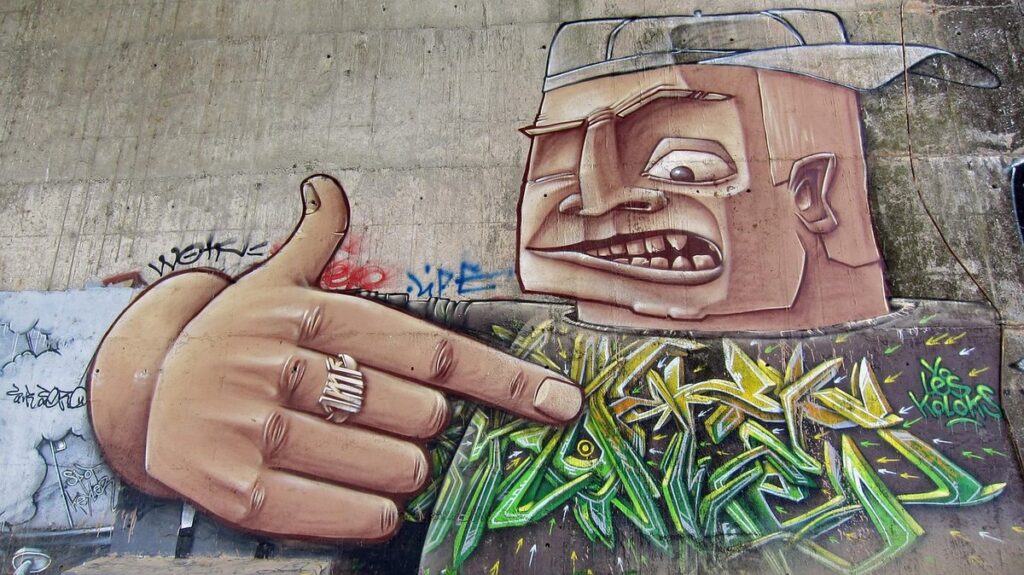
Understanding Caricatures
A caricature is a representation that exaggerates or distorts certain features of a person, object, or scene for comedic effect or emphasis. Let’s explore what makes a good caricature and how to create one effectively.
What is a Caricature?
A caricature is a stylized representation of a person or character, often exaggerated for comedic effect. The term “caricature” originated from the Italian word “caricare,” meaning “to load” or “to burden,” which referred to the practice of loading a drawing with humorous and satirical details.
Throughout history, caricatures have been used as a form of social commentary and critique. In 18th-century Europe, famous artists like James Gillray and Thomas Rowlandson created biting caricatures that lampooned politicians and royalty. These early caricatures often featured loose lines, bold colors, and distorted proportions to emphasize the subject’s flaws.
Today, caricatures are still used in art, literature, and media to convey humor, irony, or ridicule. A good caricature captures the essence of its subject, while also conveying a sense of playfulness and exaggeration. For example, the works of modern cartoonists like Roz Chast and Patrick Marber showcase the versatility and impact of caricatures.
To create effective caricatures, artists must balance exaggeration with subtlety. A well-crafted caricature should be both recognizable and ridiculous, using visual cues to convey a subject’s personality or trait.
Types of Caricatures
Caricatures come in various forms, each with its own distinct style and purpose. Single-panel cartoons, often found in humor magazines or online comics, focus on a single, humorous moment or character. They typically feature exaggerated expressions and body language to convey a punchline or joke.
Editorial cartoons, commonly published in newspapers or online news outlets, use satire and irony to comment on current events or social issues. These cartoons frequently incorporate recognizable figures or symbols from the news, making them easily relatable and impactful.
Political cartoons, closely related to editorial cartoons, aim to critique or lampoon politicians, policies, or ideologies. They often employ recognizable caricatures of famous individuals, using distorted features to convey a particular message or commentary.
Other types of caricatures include comic strips, graphic novels, and even advertising art. Each type requires its own unique approach and creative vision, yet they all share the common goal of distilling complex ideas or emotions into simplified, memorable forms.
To create effective caricatures in different formats, it’s essential to understand the specific tone and style required by each type. For instance, single-panel cartoons demand a punchline-driven approach, while editorial cartoons call for a more nuanced exploration of social issues.
Basic Skills for Drawing Caricatures
To get started drawing caricatures, you’ll want to focus on developing fundamental skills like proportion awareness and facial feature exaggeration. Mastering these basics will lay a strong foundation for more advanced techniques.
Understanding Facial Structure
When drawing a caricature, understanding facial structure is essential for creating an accurate and recognizable likeness. Start by identifying the key features of the face: eyes, nose, mouth, and jawline. These features should be proportionate to each other and to the overall size of the face.
The placement of these features can vary from person to person, but there are some general guidelines to keep in mind. The eyes are typically placed about one-third of the way down from the top of the head and aligned with the middle of the nose. The nose is usually centered between the eyes, while the mouth is positioned below the nose.
The jawline, or edge of the chin, can be a bit more challenging to determine. Look for the angle at which the face tapers towards the neck – this will give you an idea of where the jawline should be placed. Remember that these features are not fixed in place and can vary from person to person.
To create a more accurate caricature, pay attention to the relationships between these facial features. Study how they interact with each other and use observation skills to accurately capture their placement on paper.
Proportion and Measurement
Proportion is a crucial aspect of caricature drawing. When proportions are off, even slightly, it can detract from the overall effect of the cartoon. To ensure accuracy, measure subjects carefully, taking note of the relationships between facial features. The nose, for instance, typically sits roughly one-third of the way down from the hairline to the chin.
When scaling facial features, consider the context in which your caricature will be seen. A small-scale drawing, for example, may require more subtle exaggerations than a larger piece. It’s also essential to balance proportions within the face itself. The width of the nose and mouth should ideally be proportional to the distance between them.
To achieve this balance, try dividing the face into thirds both horizontally and vertically. Place key features like the eyes and nose at these intersections for a more harmonious composition. By paying attention to proportion and measurement, you can create caricatures that not only entertain but also accurately capture the essence of your subject.
Techniques for Caricature Drawing
To create a caricature that truly captures the essence of your subject, you’ll need to master various techniques that exaggerate facial features and body proportions. Let’s explore some key methods for achieving this comedic effect.
Expressive Lines and Strokes
Expressive lines and strokes are the backbone of caricature drawing. They convey emotions, personality, and humor through unique visual effects. A skilled caricaturist knows how to use varying line weights, textures, and patterns to create distinctive looks.
Varying line weight is a simple yet effective technique for conveying emotion. Thicker lines can indicate boldness or confidence, while thinner lines suggest subtlety or nervousness. For instance, when drawing a confident businessman, you might use thicker lines for the eyebrows and mouth, whereas a more timid person might be drawn with thinner lines.
Texture adds another layer of depth to your caricature. A rough texture can imply a gruff personality, while smooth textures suggest refinement. You can achieve this by using hatching or cross-hatching techniques.
A small pattern, like polka dots or stripes, can add character to your subject. This is especially useful when drawing someone with an eccentric personality. Be cautious not to overdo it – too many patterns can make the caricature look cartoonish.
To get started, practice using different line weights and textures on simple shapes. As you become more confident, apply these techniques to real subjects. Remember that expression comes from within – your subject’s personality should shine through in every stroke of the pen.
Color and Toning
When it comes to adding color and toning to a caricature, the possibilities are endless. However, it’s essential to remember that bold colors can be used for emphasis, but should not overpower the overall image. Instead, use them sparingly to draw attention to key features or expressions.
Subtle shading is another crucial element in creating depth in your caricatures. By applying gentle gradations of tone and texture, you can create a sense of volume and dimensionality that adds visual interest to your artwork. For example, consider using hatching techniques to suggest the shape of facial features, such as the eyes or nose.
Creative toning can also be used to add personality and flair to your caricatures. Experiment with different shading techniques, like cross-hatching or stippling, to achieve unique textures and effects. You can also use tonal values to create a sense of atmosphere or mood in your artwork. For instance, a warm tone might evoke a feeling of comfort or friendliness, while a cool tone could suggest detachment or reserve.
When choosing colors for your caricatures, remember that the key is to balance boldness with restraint. By using a range of tonal values and creative shading techniques, you can add depth, interest, and personality to your artwork without overpowering the subject’s likeness.
Advanced Techniques and Tips
Now that you’ve mastered the basics, let’s take your caricature drawing skills to the next level by exploring expert techniques for exaggeration and proportion.
Caricaturing Real-Life Figures
Caricaturing real-life figures requires a delicate balance between capturing their essence and exaggerating their features for comedic effect. One common challenge is accurately conveying the subject’s personality through facial expressions, which can be particularly tricky when working from photographs. To overcome this, experiment with different line weights and textures to add depth and emotion to your drawings.
Consider breaking down the subject’s face into its constituent parts – eyes, nose, mouth, and jawline – and exaggerating each feature in a way that feels true to their personality. For example, a charismatic politician might have an exaggerated smile or eyebrows, while a gruff sports commentator might be given a more angular jawline.
When working from life, pay attention to the subject’s body language and mannerisms, as these can often provide valuable insight into their character. A quick sketch of their posture, hands, or gestures can help you better understand their personality and inform your caricature drawing.
Digital Tools and Software
Many artists are now using digital tools to enhance their caricature drawing skills. Popular software options for caricature drawing include Adobe Photoshop and Illustrator, which offer a range of features such as layers, filters, and brushes that can help refine and exaggerate facial features.
When choosing a digital tool, consider what you need it to do. For example, if you want to create detailed line work and precise measurements, a vector-based software like Illustrator might be the better choice. On the other hand, if you’re looking for more flexibility in terms of color manipulation and texture, Photoshop could be the way to go.
Some popular tutorials and online resources for learning digital caricature drawing techniques include Skillshare classes and YouTube tutorials by experienced artists. These resources can provide valuable guidance on using digital tools to create realistic and humorous caricatures.
To integrate technology into your creative process, consider scanning or photographing your pencil sketches and then editing them digitally. This allows you to refine your drawings without sacrificing the original artwork’s character.
Common Mistakes to Avoid
As you refine your caricature drawing skills, it’s essential to be aware of common pitfalls that can detract from your artwork. We’ll highlight some critical errors to steer clear of in this section.
Misproportioning and Distortion
When creating caricatures, it’s easy to get caught up in exaggerating features for comedic effect. However, misproportioning and distortion can quickly turn a humorous piece into an unflattering or even mean-spirited depiction. To avoid this pitfall, focus on subtly altering facial structure rather than drastically changing proportions.
A common mistake is to enlarge specific features without considering their relationship to the rest of the face. For instance, inflating a subject’s nose while keeping other facial features in proportion can create an unbalanced and cartoonish appearance. Instead, consider how changes to one feature affect the overall harmony of the face.
To achieve more nuanced caricatures, study the underlying anatomy of the face. Pay attention to the relationships between facial bones, muscles, and skin folds. This will help you understand how to make targeted adjustments that still maintain a realistic foundation. Practice by creating caricatures with small tweaks to features rather than drastic overhauls. By doing so, you’ll develop your skills in subtly altering facial structure while avoiding misproportioning and distortion.
Over-Exaggeration and Caricature ‘Face-Lifts’
When taking a caricature beyond its humorous or satirical intent and into absurd territory, it’s easy to lose sight of what makes the original subject recognizable. Over-exaggeration can lead to “face-lifts” – caricatures that bear little resemblance to their real-life counterparts.
To avoid this pitfall, remember that restraint is key when aiming for comedic effect. Ask yourself: what specific trait or feature do I want to exaggerate? Is it the nose, eyes, or lips? Focus on one or two distinctive characteristics and amplify them within reason. A good rule of thumb is to emphasize features that are already prominent in real life.
For example, a caricature of a person with a naturally large nose will be more believable if you focus on making their nose even larger, rather than also distending their ears or eyes. This targeted approach not only maintains artistic integrity but also creates a more relatable and humorous result. When pushing the boundaries of caricature, it’s essential to strike a balance between humor and likeness.
Conclusion and Inspiration
Now that you’ve mastered the art of caricature drawing, let’s wrap up our journey together by exploring ways to apply your newfound skills to inspire others.
Final Tips and Advice
As you conclude your journey through the world of caricature drawing, it’s essential to distill the key takeaways from this guide into actionable advice. Remember that practice is key – set aside time each week to draw and experiment with different techniques.
To continue growing as an artist, consider the following resources: online tutorials, drawing communities, and workshops. Websites like Skillshare, Craftsy, and Drawabox offer a wealth of free and paid lessons on caricature drawing, from basic fundamentals to advanced techniques. Joining online forums or social media groups dedicated to cartooning can also provide valuable feedback and inspiration.
When working with clients or subjects, keep in mind the importance of respect and accuracy. A good caricaturist balances humor and exaggeration with a deep understanding of their subject’s personality and likeness. Be mindful of cultural sensitivities and avoid perpetuating stereotypes.
In terms of equipment, invest in a reliable drawing tablet if you plan on working digitally. For traditional media, experiment with various pencils, inks, and paper types to find what works best for you.
Some final tips:
- Practice regularly, even if it’s just 10-15 minutes a day.
- Experiment with different styles and techniques to develop your unique voice.
- Seek feedback from peers or mentors to help refine your skills.
- Don’t be afraid to make mistakes – they can often lead to unexpected breakthroughs.
Frequently Asked Questions
Can I use caricature drawing to create realistic portraits?
Yes, while caricatures often exaggerate features for comedic effect, the skills learned in this guide can also be applied to creating realistic portraits. To achieve a more natural look, focus on accurately capturing facial proportions and details, rather than emphasizing humorous distortions.
What if my subject is not a public figure – how do I choose what to caricature?
When choosing subjects for caricatures that are not public figures, consider their unique characteristics or traits that make them interesting or relatable. This could be an unusual hobby, a distinctive feature, or even a memorable quote. Focus on capturing these aspects in your drawing.
How can I balance humor and satire when creating caricatures?
Balancing humor and satire is crucial to creating effective caricatures. To achieve this balance, consider the context of your subject and audience. Use restraint when exaggerating features, and focus on conveying a clear message or commentary. Remember that subtlety can be just as powerful as overt satire.
Can I use digital tools for creating cartoon-style caricatures?
Yes, you can use digital tools to create cartoon-style caricatures, although traditional media can also produce excellent results. Popular software options include Adobe Photoshop and Illustrator, which offer a range of brushes and effects specifically designed for caricature drawing. Experiment with different tools and techniques to find what works best for your style.
What if my subject is a real-life person I want to caricature in a humorous way – how do I avoid offending them?
When creating caricatures of real people, especially friends or acquaintances, it’s essential to be mindful of their feelings. To avoid offense, focus on capturing the essence of their personality rather than making specific references that might be taken personally. Use humor and satire judiciously, ensuring your subject can laugh along with your creation.