
Drawing anime characters is an art form that requires patience, dedication, and practice. Many aspiring artists struggle to capture the essence and beauty of these iconic characters, but with the right techniques and guidance, anyone can improve their skills. Whether you’re a beginner or an experienced artist, mastering the fundamentals of anime character drawing is essential for creating compelling stories and memorable characters. This guide will cover the basics of anime drawing, including proportions, facial expressions, and body language, as well as advanced master techniques and expert tips to help you take your art to the next level. With practice exercises and real-world examples, you’ll be able to improve your skills and develop a unique style that showcases your creativity and passion for this beloved art form. By the end of this guide, you’ll have the tools and confidence to draw anime characters with ease and precision.
Understanding Anime Art Basics
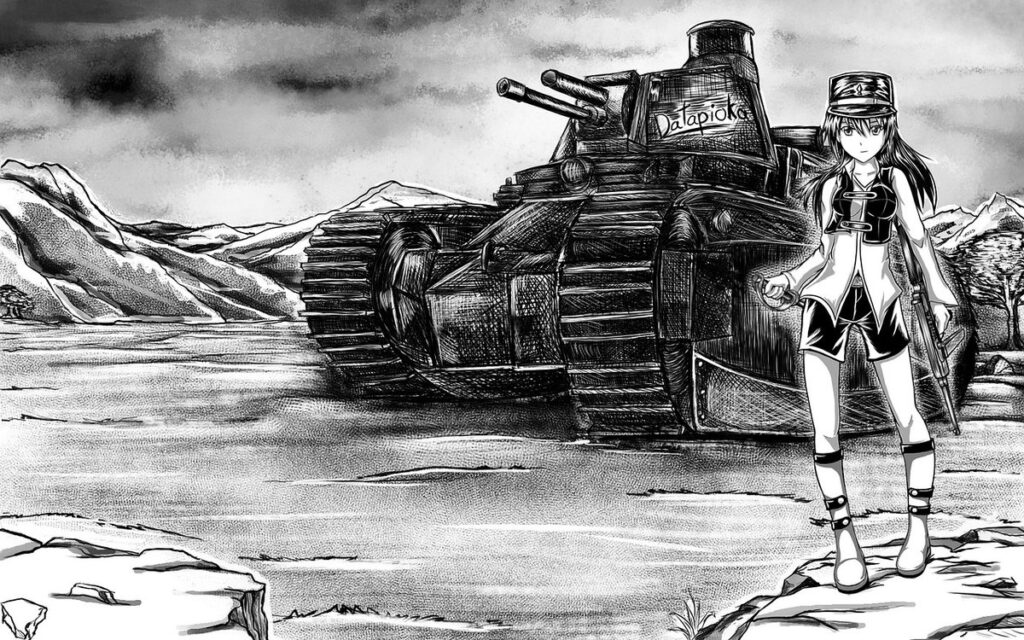
Anime art basics are the foundation of creating believable and engaging characters, starting with proportions, facial structures, and body types that are typical in anime style. Let’s break down these essential elements to get started on your drawing journey.
Essential Tools and Materials
When it comes to drawing anime characters, having the right tools and materials is essential. You’ll want to start with a set of graphite pencils, ranging from HB to 6B, which will allow you to create a wide range of tonal values. A sharpener will help keep your pencils in good condition, but be sure to use a pencil case or container to store them, as loose pencils can get lost easily.
In addition to pencils, you’ll need a sketchbook with paper that is suitable for drawing. Look for paper with a smooth finish and a weight of at least 80 gsm. This will help prevent your pencil marks from bleeding through the page. A eraser, either kneaded or white vinegar, is also necessary for correcting mistakes.
A few other supplies you may find useful include a blending stump to smooth out shading, a sharpener with built-in storage, and a ruler for measuring proportions. Consider investing in a set of colored pencils or markers if you plan on adding color to your drawings. Always keep your workspace organized and clean by storing supplies in labeled containers and keeping frequently used tools within easy reach.
Basic Line Art Techniques
To create a solid foundation for drawing anime characters, it’s essential to master basic line art techniques. Begin by understanding different types of lines: straight, curved, and diagonal. Straight lines are used for outlines, while curved lines add natural shapes and contours to the character. Diagonal lines can be used to convey energy and dynamism.
Practice varying your line weight, which refers to the thickness or thinness of lines. Thicker lines can create emphasis on specific areas, such as facial features or clothing details. Conversely, thinner lines can help blend different sections together for a smoother appearance. Texture is another crucial aspect of line art – experiment with using thicker lines for rough textures and thinner lines for smooth ones.
When drawing anime characters, pay attention to transitions between lines. A smooth transition occurs when the edges of two adjacent lines meet without visible gaps or bumps. To achieve this, use gentle curves instead of abrupt changes in direction. Practice drawing different line weights and textures on a piece of paper to get a feel for how they interact with one another. With time and practice, you’ll develop your own unique style by mastering these fundamental techniques.
Mastering Proportions and Measurements
To draw anime characters convincingly, it’s crucial to grasp how proportions work and where measurements should be taken on the body. Let’s break down these essential concepts step by step.
Understanding Body Proportions
When drawing anime characters, understanding body proportions is crucial for creating a balanced and visually appealing figure. The 1:3 ratio is a fundamental principle in anime art, where the head is one unit and the body is three units. This means that if you draw a character’s head as 10 units tall, their body should be around 30 units long.
To apply this ratio, start by measuring your character’s head-to-body proportions. Divide their body into thirds, both horizontally and vertically, to create a grid-like structure. The top third of the body is typically reserved for the neck and shoulders, while the middle third contains the torso. The bottom third makes up the hips, thighs, and legs.
Understanding facial structure is also essential when drawing anime characters. Facial proportions are often exaggerated in anime art, with larger eyes and a more angular face shape. However, maintaining a balance between these features is key to creating a believable character. Study the proportions of famous anime characters to get a sense of how this works in practice. Pay attention to how their facial structure relates to their body proportions, and try to replicate this in your own drawings.
Measuring and Dividing the Body
When measuring and dividing the body for accurate proportions in anime characters, it’s essential to use guidelines. Start by drawing a series of vertical lines from head to toe, using them as reference points for each major body part. Measure the distance between these lines, taking note of key areas such as the shoulders, waist, hips, and knees.
To ensure consistent proportions, divide each section into thirds or fifths. For example, if you’re drawing a character standing upright, use one-third of their height to determine the position of their shoulders, and another third for their hips. This will help maintain balance and harmony in your drawing.
When measuring poses that are not standing upright, such as sitting or bending, apply these same principles to the body’s centerline. Measure from the shoulder blades down to the waist, and use this line to determine the placement of other features like the knees and ankles.
For a more precise approach, consider using a grid system. Draw intersecting lines that create a series of small squares, allowing you to measure proportions with greater accuracy.
Drawing Anime Faces
Drawing anime faces is all about capturing their unique expressions and features, which can be achieved by mastering a few key techniques. Let’s break down the basics of facial anatomy in this section to get you started!
Basic Facial Structure
An anime face typically consists of a distinctive combination of features. The eyes are often large and expressive, with a subtle slant upwards at the outer corners to give them a more angular appearance. The nose is usually small and proportional to the rest of the face, while the mouth is thin-lipped and curved in a gentle smile.
The jawline is strong and defined, giving the face a sense of structure and balance. A clear definition between the cheekbones and chin helps to create a clean, chiseled look that’s characteristic of anime style.
Facial expressions play a crucial role in communicating character personality and emotions. Anime artists often use subtle variations in facial features to convey different moods and attitudes. For example, a raised eyebrow or a slight curl of the lip can suggest curiosity or amusement, while a furrowed brow or downturned mouth may indicate worry or sadness.
To achieve this nuanced expression, focus on the eyes and mouth as primary emotional indicators. Experiment with varying the shape and size of your character’s features to create distinct personalities and traits.
Creating Anime Eyes
When creating anime eyes, start by considering the shape and size. Anime eyes are typically larger than those found in real-life humans, with a more exaggerated slant to the upper lid. The ideal placement of the eye is usually slightly higher on the face compared to human proportions, with the center of the iris aligned with the bridge of the nose.
To draw realistic anime eyes, pay attention to the details. Eyelashes should be thin and curved, adding depth and texture to the overall shape. The pupils themselves are typically small and circular, often being a darker shade than the surrounding iris. You can add some visual interest by incorporating pupils that change size or color depending on the character’s emotions.
When placing eyelids, keep in mind that anime eyes tend to have a more dramatic effect when the upper lid is slightly tilted upwards. This creates a sense of expressiveness and emphasizes the emotion being conveyed. To achieve this look, start with a gentle curve for the upper lid and then add some subtle shading to suggest the contours of the eye socket.
In terms of proportions, remember that anime eyes are often larger in proportion to the face compared to human eyes. This exaggerated size helps create a more stylized and expressive look. Consider using guidelines or overlays to ensure your eyes are in balance with the rest of the facial features.
Drawing Anime Bodies
When drawing anime bodies, it’s essential to master the proportions and anatomy of each part, from the head to the feet. Let’s break down the key components that make up a believable and iconic anime physique.
Understanding Body Types
When drawing anime characters, it’s essential to understand and replicate their unique body types. There are three primary builds found in anime: slender, athletic, and muscular. Slender bodies have a more delicate appearance with narrower shoulders and hips. To achieve this look, focus on using long, flowing lines for the limbs and torso.
Athletic bodies are characterized by broad shoulders and a slightly longer upper body compared to the lower half. This build often has a dynamic feel to it. When drawing athletic characters, pay attention to maintaining balance between the torso’s width and the hips’ narrowness.
Muscular builds have more defined muscles and a broader chest area. To draw muscular bodies, emphasize the definition of the muscles, particularly in the arms and legs. Avoid exaggerating the muscle mass, as this can make the character appear unnatural.
In general, anime characters often have longer limbs compared to their torso. When drawing any body type, keep in mind that proportions can be adjusted to suit the character’s personality and design.
Adding Clothes and Accessories
When drawing clothes and accessories for your anime character, it’s essential to consider their body type and style. Different fabrics, textures, and folds will create varying effects on the body. For example, loose-fitting robes with soft fabrics like cotton or silk will drape differently than tight-fitting shirts made from smooth materials.
To capture these differences, study real-life examples of clothing that fit your character’s body type. Observe how fabrics move and flow when worn. Note how folds are created and where they tend to accumulate. You can also experiment with different folds and creases on a blank sheet of paper or digital canvas.
Pay attention to the details in anime art: the way sleeves are rolled, the fold of a kimono’s obi, or the way a skirt flows around the legs. These nuances will help bring your character’s clothing to life. Consider the level of formality and occasion when choosing accessories like hats, jewelry, or shoes. A more elegant outfit might call for understated accessories, while a casual look could be paired with bold statement pieces.
Remember that practice makes perfect. The more you draw clothes and accessories, the more comfortable you’ll become with creating realistic folds and textures that fit your character’s style.
Advanced Techniques
Now that you’ve mastered the basics, it’s time to take your anime character drawing skills to the next level by learning advanced techniques for capturing dynamic poses and emotions.
Facial Expressions and Emotions
When drawing anime characters, facial expressions and emotions play a crucial role in conveying personality and attitude. To create realistic and nuanced expressions, focus on subtle variations of standard facial features. For example, the angle and shape of eyebrows can significantly alter the character’s mood, from slight annoyance to intense anger.
Capturing emotions requires attention to detail in the eyes, mouth, and overall face shape. A gentle curve to the lips or a slight upward tilt to the corners can convey happiness, while a downward slant can indicate sadness. The eyes are particularly important, as they’re often the first thing viewers notice. Consider adding depth with subtle shading or highlighting to make them pop.
To add character personality through facial features, consider their age, occupation, and background. For instance, a young, energetic character might have bright, expressive eyes, while an older, more reserved character might have softer, more subdued features. When drawing anime characters, remember that subtlety is key – avoid over-exaggerating emotions or features, as this can make the character appear cartoonish or unconvincing.
Action and Movement
When drawing anime characters in action, it’s essential to capture their dynamic energy and movement. To achieve this, focus on conveying power and flow through the character’s pose and lines. A good starting point is to observe how the body is positioned in relation to its surroundings. Consider how the character interacts with the environment – are they standing on a slope, leaning against a wall, or being blown back by a gust of wind?
To create dynamic poses, experiment with different angles and rotations of the body. Anime characters often feature exaggerated, fluid movements that can be achieved by subtly altering the proportions and placement of limbs. For example, elongate the legs to convey a sense of momentum or emphasize the character’s arm movement to capture their energy.
When depicting action scenes, remember that anime characters don’t always follow traditional anatomy rules. Instead, focus on conveying the character’s emotional state through their body language and facial expression. Pay attention to the lines and shapes you use – soft, rounded forms can suggest a sense of fluidity, while sharp, angular lines can convey tension or energy. By mastering these techniques, you’ll be able to capture the dynamic movement and action that brings anime characters to life.
Tips and Tricks
Now that you’ve mastered the basics of anime character drawing, let’s share some insider secrets on how to take your skills to the next level. These expert tips will help you refine your technique and achieve more realistic results.
Common Mistakes to Avoid
When drawing anime characters, it’s easy to get caught up in the details and lose sight of the overall proportions. One common mistake is neglecting to establish a strong base line, which can throw off the entire character’s balance. To correct this error, make sure to set down the main features first – such as the facial structure, shoulders, and hips – before adding finer details.
Inadequate measurement is another pitfall many new artists face. This often results in limbs that are too long or short, or a head that’s disproportionately large. Use a measuring tool or a grid system to help you achieve accurate proportions. Pay special attention to the ratio of the head to the body – typically around 1:5.
Ignoring these basics can make your anime characters look stiff or awkward. To avoid this, practice drawing from reference images and observe how different artists approach character design. Note what works well in each piece and try incorporating those techniques into your own work. Remember, it’s not just about mastering individual skills – but also learning to combine them effectively.
Practice Exercises and Examples
To hone your skills and achieve accuracy, it’s essential to practice regularly. Let’s begin with some exercises tailored specifically for anime character drawing. Start by sketching simple facial profiles, paying close attention to the proportions of the eyes, nose, mouth, and jawline.
Practice drawing different eye shapes, sizes, and styles, including double-lidded and single-lidded eyes. You can also try creating various hairstyles and hair textures using simple lines and gentle curves. To practice capturing dynamic poses, draw your anime character in different stances or actions – sitting, standing, running, jumping, or falling.
For a more challenging exercise, attempt to replicate the facial expressions of popular anime characters. This will help you understand how facial muscles contribute to various emotions and reactions. Downloadable resources such as printable templates and guides can be found online for practicing specific techniques like drawing hands, feet, or folds in clothing.
As you progress, focus on refining your skills by observing real-world references – people-watching, studying photographs, or sketching from life.
Frequently Asked Questions
Can I use digital drawing tools to practice anime character drawing?
Yes, many artists successfully use digital drawing programs like Adobe Photoshop or Clip Studio Paint to practice and refine their skills. These tools offer a range of brushes, layers, and undo features that can be very helpful in learning to draw anime characters.
How long will it take me to master the basics of anime face drawing?
Mastering the basics of anime face drawing takes time and consistent practice. Set aside dedicated time each week to practice drawing different facial structures, expressions, and details. As you become more comfortable with the techniques, you can gradually increase your level of complexity and realism.
How do I choose which body type is best for my character?
When choosing a body type for your anime character, consider their personality, age, and intended role in the story. Slender characters might be better suited to elegant or refined roles, while athletic builds could work well for action-oriented characters. Remember that proportions are key, so ensure you understand how to achieve accurate measurements.
What if my character’s facial expression doesn’t match their personality?
If your character’s facial expression isn’t matching their intended personality, revisit the basic structure of their face and facial expressions. Analyze what specific features or details might be causing the mismatch and make adjustments accordingly. For example, adding softer lines to convey a more gentle personality.
Can I use my own photos as references for drawing anime characters?
Using your own photos can be helpful in capturing unique likenesses and proportions. However, it’s essential to remember that anime characters are stylized representations, so don’t be afraid to exaggerate or modify features to fit the character’s intended design. This blending of realistic and stylized elements is a key aspect of creating believable anime characters.