
When creating artwork, many artists focus on color palette and composition, but neglecting one crucial element can make or break the overall effect: texture. A painting or digital piece with little to no depth in terms of texture often appears flat and unengaging, lacking the emotional resonance that a well-executed textured work conveys. Texture, whether created through traditional media like oil paints, pastels, or even found objects, or digitally manipulated using software, can add another layer of meaning to art, inviting viewers to touch, explore, and connect with it on a deeper level. This comprehensive guide will cover various types of texture in art, from smooth, velvety finishes to rough, impasto textures, as well as techniques for incorporating them into your work, whether traditional or digital, so you can add depth and emotion to your artwork.
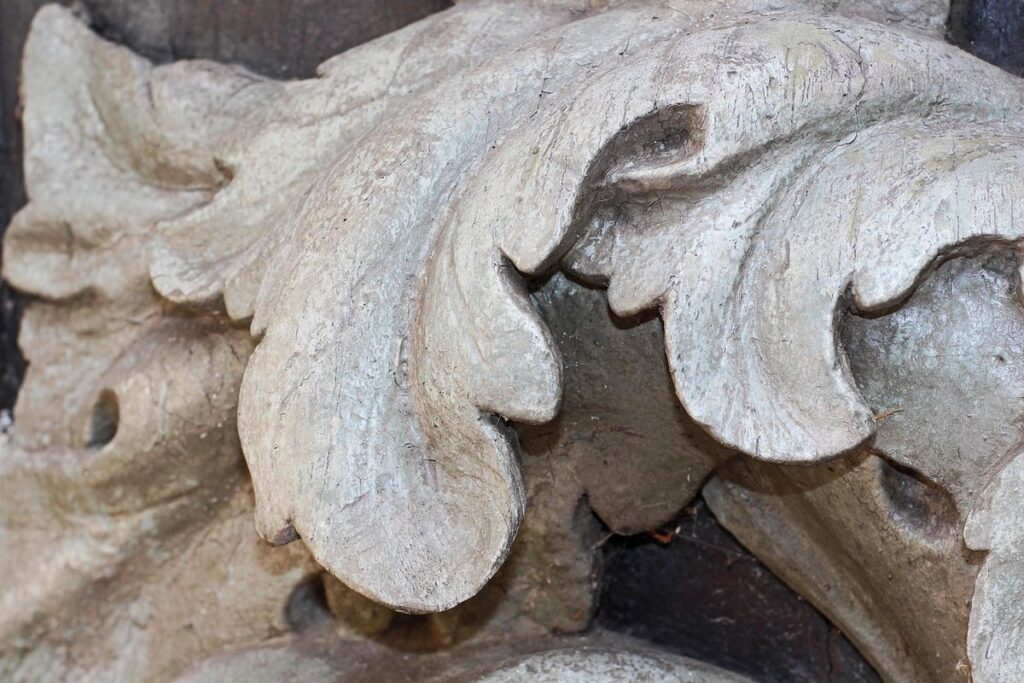
Understanding Texture Fundamentals
Understanding texture fundamentals is crucial for creating visually appealing and engaging artworks. We’ll explore the basic principles of texture, from rough to smooth, and how they impact overall composition.
What is Texture in Art?
Texture in art is a visual element that adds depth and emotion to a piece by engaging the viewer’s sense of touch. It’s created through the manipulation of paint, materials, or other media to produce a tactile sensation. Unlike visual elements like line or shape, texture exists beyond the surface level, inviting the viewer to explore its physical qualities.
Texture can be created using various techniques, such as applying thick layers of paint, using textured brushes, or incorporating found objects into a piece. The effect is often described in sensory terms – rough, smooth, cool, warm, dry, or wet. For example, a painting with raised brushstrokes and chunky impasto creates a tactile experience similar to touching a rough stone.
The role of texture in art is multifaceted: it can be used to evoke emotions, convey meaning, or even challenge the viewer’s perceptions. A smooth, glossy finish might suggest serenity, while a coarse, irregular surface could indicate turmoil. By incorporating texture into your work, you can add an extra layer of depth and engagement that draws the viewer in.
Types of Texture in Art
Texture is a multifaceted element in art, encompassing various forms that engage the viewer’s senses. Tactile texture, for instance, refers to the physical sensation of touching an artwork – its roughness, smoothness, or coolness to the touch. Artists often achieve tactile texture through techniques like impasto, where thick paint is applied directly to the canvas.
In contrast, visual texture relies on the viewer’s perception of an image, creating a sense of depth and dimensionality without physical interaction. This type of texture can be achieved through brushstrokes, patterns, or even digital manipulation. A painting with visible brushstrokes, for example, creates a tactile experience in the viewer’s imagination.
Implied texture, on the other hand, is suggested by the artist but not directly experienced by the viewer. An abstract expressionist piece might evoke a sense of roughness or smoothness through color and composition alone, without any physical texture present. Understanding these different types of texture allows artists to intentionally create specific emotional responses in their viewers.
The Role of Texture in Emotive Expression
Texture plays a vital role in conveying emotions and moods in art. By manipulating texture, artists can evoke a range of feelings, from the roughness of anxiety to the smoothness of serenity. In abstract expressionism, for instance, textured brushstrokes can capture the intensity of emotions, while the use of thick paint can convey a sense of turmoil.
The interplay between texture and color is particularly effective in conveying emotive expression. For example, a rough, impasto texture combined with bold, clashing colors can create a chaotic atmosphere, evoking feelings of tension or unease. Conversely, a smooth, blended texture paired with soft, pastel hues can produce a soothing, calming effect.
In many art styles, texture is used to convey the artist’s emotional state or response to their surroundings. For instance, the rough, fibrous texture of a landscape painting may reflect the artist’s experience of rugged terrain, while the smooth, even texture of a still life might evoke a sense of calm and order. By experimenting with different textures, artists can tap into this emotive potential and create works that engage and resonate with viewers on a deeper level.
Creating Texture: Techniques and Materials
To add depth and interest to your artwork, you’ll need to understand how to incorporate texture using various materials and techniques that can be applied in different ways. From modeling paste to fabric, we’ll explore it all.
Brushstrokes and Stroke Patterns
To create varying textures, artists employ distinct brushstroke techniques. Smooth textures are achieved with gentle, sweeping motions using a almost dry brush. This leaves behind a soft, even surface often used to depict serene landscapes or still lifes. Conversely, rough textures can be created by applying thick, heavy strokes with the brush held at an angle. This imparts a coarse, uneven quality, suitable for capturing rugged terrain or abstract expressionism.
Another technique is using hatching and cross-hatching, where layered lines create depth and visual interest. The angle and pressure of the brush affect the line’s texture, from fine, hair-like strokes to broad, expressive marks. Soft brushstrokes with a high water content can produce subtle, nuanced textures, ideal for capturing delicate subject matter.
When combining different techniques, artists can achieve complex, multi-dimensional textures. For instance, using rough brushstrokes in conjunction with smooth glazes creates an intriguing contrast of texture and finish. Experimenting with various brushstroke patterns and materials allows artists to control the final texture, adding depth and visual intrigue to their work.
Textured Painting Materials
When working with textured painting materials, you have a wide range of options available. One popular choice is sand, which can be used to create rough, tactile surfaces. Apply it thickly or thinly, depending on the desired effect, and experiment with different grits for varying levels of texture.
Another material worth exploring is salt. When applied to wet paint, salt can create a delicate, lacy pattern that adds visual interest to your artwork. Be sure to work quickly, as the salt will begin to dissolve once it’s exposed to water or humidity.
Modeling paste is also an excellent option for creating textured surfaces. Made from a mixture of acrylic polymer and mineral fillers, it can be applied thickly to create raised areas or used more sparingly to add subtle texture. You can mix modeling paste with other materials, such as paint or medium, to achieve unique effects.
When incorporating these materials into your artwork, consider the overall mood and atmosphere you’re trying to convey. For example, a piece featuring rough, sandy textures might be well-suited to a landscape or still life, while a work with more delicate salt patterns could be used to create a sense of ethereal beauty.
Mixing Media for Texture
Combining different art mediums can yield unique textures that would be difficult or impossible to achieve with a single medium. For instance, pairing paint with ink creates an interesting contrast between smooth and fluid lines. Collage elements, such as paper or fabric, add tactile depth when layered over painted surfaces.
To mix media effectively, consider the properties of each material. Paint is typically opaque and can provide a solid base for collage elements. Ink, on the other hand, can be transparent and used to create delicate details or subtle textures. Collage materials can be chosen for their texture alone – think rough burlap or smooth silk.
When combining media, it’s essential to balance visual and tactile interests. A dominant medium can overwhelm others; conversely, too many competing textures can detract from the overall effect. To achieve a harmonious mix, experiment with different ratios of each material. Start by applying one medium as a base, then gradually add other elements in layers or combinations.
Some popular media pairings include:
• Paint and ink for bold, expressive lines
• Collage materials and paint for layered textures
• Ink and paper collage for detailed, intricate work
Historical and Cultural Significance of Texture in Art
From cave paintings to modern masterpieces, texture has played a vital role in conveying meaning and emotion, its significance evolving across cultures and centuries. Let’s examine how various civilizations have used texture to tell their stories.
Ancient Civilizations and Texture
Ancient civilizations employed texture to convey meaning, evoke emotions, and depict reality. Egyptian hieroglyphics, for instance, used raised textures to distinguish between different glyphs, making them easier to read. The intricate carvings on tomb walls also demonstrated a mastery of texture through the use of smooth, curved surfaces and textured reliefs.
Greek pottery is another notable example of ancient civilizations’ use of texture in art. Potters created intricate patterns using slip-trailing techniques, where liquid clay was applied to create raised designs. The resulting textures added depth and visual interest to these iconic vessels.
Roman mosaics also utilized texture to depict scenes from mythology and everyday life. By combining small tiles with different textures – smooth for skin tones and rough for rock or tree bark – artists created rich, tactile surfaces that engaged the viewer’s sense of touch as well as sight. To replicate this effect, experiment with combining various materials in your artwork, such as modeling paste, heavy body acrylics, or textured gel mediums, to achieve a range of textures that add depth and visual interest.
Modern and Contemporary Art Movements
Modern and contemporary art movements have extensively employed texture to convey meaning and emotion. Abstract Expressionism, for instance, utilized textured brushstrokes and impasto to capture the physicality of emotions. Artists like Jackson Pollock’s action paintings feature thick, heavy textures that convey a sense of dynamic energy.
Pop Art also leveraged texture to create a sense of detachment and superficiality. Andy Warhol’s silkscreen prints often incorporated rough, grainy textures that contrasted with the smooth, glossy surfaces of consumer products. This juxtaposition highlighted the artificial nature of popular culture.
Street Art, particularly graffiti, has utilized textured techniques like stenciling and tagging to convey a sense of raw, urban energy. The use of thick, bold lines and rough textures in street art adds an element of grittiness and authenticity.
In each of these movements, texture serves as more than just a visual element – it’s a means of conveying the artist’s emotional state or social commentary. By incorporating texture into their work, artists are able to engage viewers on a deeper level and create a sense of connection with the artwork itself.
Techniques for Achieving Specific Textures
To create artworks that truly pop, you need to master techniques for achieving specific textures, from rough and rugged to smooth and silky. Let’s explore some of our favorite methods for adding texture to your art.
Achieving High-Contrast Texture
When working towards achieving high-contrast textures, consider the interplay between rough and smooth elements. To create a striking visual impact, introduce rough textures first to establish a foundation for contrast. Use thick paint or heavy ink to build up raised, impasto surfaces that capture attention.
Next, balance these rough areas with smooth, even strokes that provide respite from the tactile intensity. Employ glazes or thin layers of transparent paint to achieve this effect, allowing subtle shifts in color and tone. For added depth, combine mediums like gel or matte finisher to adjust the sheen and texture of your smooth elements.
Consider layering different materials within a single piece to amplify contrast. Combine rough canvas textures with smooth paper or board surfaces for an intriguing visual tension. Alternatively, pair thick paint applications with delicate ink drawings or printed details to create dynamic juxtapositions.
When working with mixed media, think about how different textures interact and intersect. Balance heavy, chunky materials with lighter, more ethereal elements to maintain visual balance. By thoughtfully combining contrasting textures, you can build visually compelling pieces that engage the viewer’s senses and invite exploration.
Capturing Subtle Texture Details
To capture subtle texture details, focus on using soft brushstrokes and gentle layering. When painting fabric folds, for example, try applying thin layers of paint with a almost-flat brush to achieve a delicate sheen. You can also use a palette knife to scrape back some of the paint, revealing the underlying surface beneath.
For capturing hair textures, observe how individual strands tend to fall in loose waves or sharp angles, and aim to replicate these patterns on your canvas using loose, expressive strokes. Consider blending colors at the edges of these strokes to create a sense of softness and depth.
Incorporating fine-grained materials like powdered pigments or even dust can add an extra layer of tactility to your work. When working with these materials, be sure to apply them sparingly – too much can overwhelm the painting’s overall texture. Instead, use a small brush to delicately scatter the material across key areas, such as folds in fabric or individual strands of hair.
For subtle texture details like skin creases or leaf veins, try using a fine-tip brush to carefully etch lines into the paint surface. This technique can help create an almost-three-dimensional effect without overwhelming the surrounding colors.
Texture in Digital Art and Design
When working with digital art and design, texture can elevate your creations from flat to fascinating. Let’s explore how to add tactile depth to your designs using various texture techniques.
Creating Texture in Graphic Design
In graphic design, texture adds a tactile quality to digital elements, making them more engaging and memorable. When applied thoughtfully, texture can elevate branding, packaging, and digital interfaces by creating visual interest and depth.
A successful textured graphic design often starts with understanding the brand’s identity and tone. For instance, a rough, distressed texture might suit a vintage or edgy brand, while a smooth, gradient texture could work for a sleek and modern one.
To incorporate texture in graphic design, consider applying it at various levels:
• Patterns: Use repeating textures as backgrounds or overlays to add visual interest.
• Icons and illustrations: Apply textures to these elements to give them a more tactile feel.
• Typography: Texture can be used to create unique font styles or to enhance readability.
• Digital interfaces: Textures can be used in UI design to create a more immersive experience.
When working with texture in graphic design, it’s essential to balance visual elements and ensure the overall composition doesn’t become overwhelming. Start by applying texture judiciously and adjusting as needed to achieve the desired effect.
Texture in 3D Modeling and Animation
In 3D modeling and animation, texture plays a crucial role in creating realistic surfaces and environments. To achieve this, artists use various techniques to add depth, detail, and visual interest to their digital creations. One key aspect is the use of normal maps, which allow for subtle surface details such as wrinkles, creases, and veins to be added without affecting the overall geometry of the model.
Another important consideration is the choice of texture resolution and format. Higher-resolution textures can provide more detailed information about a surface’s properties, but may also increase rendering times. Artists must balance these competing demands by selecting the optimal texture size and format for their specific project requirements.
When it comes to animation, texture is often used to enhance realism through techniques such as dynamic simulation, where realistic effects like wind, water, or fire are simulated in real-time. This requires a deep understanding of how textures interact with each other and with lighting conditions. By carefully selecting and applying textures, animators can create immersive and engaging environments that draw the viewer into the digital world.
For best results, artists should focus on creating high-quality texture maps that accurately capture the surface details of their 3D models. This may involve using specialized software or techniques to achieve specific effects, such as simulating fabric draping or water movement.
Conclusion: Mastering Texture in Art
As we wrap up our exploration of actual texture in art, it’s time to distill key takeaways and discuss how mastering these techniques can elevate your creative practice. By applying what you’ve learned, you’ll be able to add depth and dimensionality to your artwork.
Recap of Key Concepts
When mastering texture in art, it’s essential to recall the fundamental types of texture explored throughout this guide: visual and tactile. Visual textures create a sense of depth through contrast and layering, while tactile textures engage the viewer’s senses by inviting touch. Brushstrokes and stroke patterns can be used to achieve both effects.
Historical examples demonstrate the significance of texture in art, with ancient civilizations such as Egypt and Greece incorporating tactile elements into their works. Modern and contemporary movements like Abstract Expressionism and Pop Art experimented with visual textures. By understanding these historical precedents, artists can draw inspiration for their own unique approaches.
To effectively incorporate texture into your art, remember to balance high-contrast details with subtle nuances. This might involve using textured painting materials or mixing media to achieve specific effects. A key takeaway from this guide is that texture is not just a visual element but also an emotive one – it can evoke feelings of tactility and connection in the viewer.
When creating digital art, apply these principles by experimenting with different brushstrokes and textures in graphic design software. For 3D modeling and animation, consider incorporating subtle surface details to create a more immersive experience.
Final Tips for Incorporating Texture into Your Art
When incorporating texture into your art, remember that subtlety is key. Avoid over-texturizing – a delicate balance between smooth and textured areas can be just as effective as an all-out, high-contrast approach. For beginners, start by experimenting with simple techniques like layering or scraping paint to achieve varied textures.
To add depth to your work, try combining different textures within the same piece. This could mean pairing rough, impasto strokes with smooth, blended areas or incorporating found objects into a mixed-media composition. Don’t be afraid to experiment and push boundaries – sometimes the most interesting textures come from unexpected materials or techniques.
For more experienced artists, consider using texture to create visual tension or contrast within your work. For example, painting a highly textured background can provide an intriguing backdrop for a smooth, detailed subject. Conversely, using smooth colors on a textured surface can add an extra layer of interest and complexity.
Frequently Asked Questions
Can I use texture in abstract art if it’s not representational?
Yes, texture can be used to create emotional resonance and visual interest even in non-representational art. Artists like Pollock and Kandinsky have explored the expressive potential of texture in abstract works.
What if I’m using digital tools – how do I apply texture effectively?
When working digitally, you can use layer blending modes, textures, or brushes to add depth and interest to your work. Experiment with different techniques, such as combining textures or adjusting opacity levels, to achieve the desired effect.
How do I balance texture with other artistic elements in my piece?
Achieving a balance between texture and other elements like color, composition, and content requires experimentation and iteration. Start by identifying the role you want texture to play in your artwork, then adjust other elements accordingly.
Can I mix different textures or materials within one piece – what are some tips for doing so successfully?
Mixing textures can add visual interest and depth to a piece. To achieve this effectively, experiment with layering different materials, such as paint, paper, or found objects, and play with their interactions through techniques like glazing or scraping.
What if my texture doesn’t turn out as expected – what are some common mistakes and how can I fix them?
If your texture doesn’t meet expectations, check the consistency of your materials, the technique used, and the surface preparation. Adjusting these factors or trying a different approach may help achieve the desired result.