
Drawing a realistic face can be intimidating, but with some practice and guidance, you can master the skills to bring your subjects to life. The key to creating a believable portrait lies in understanding facial proportions, which are often overlooked by beginners. Facial expressions, skin tones, and subtle nuances of light and shadow all play crucial roles in capturing the essence of the person being drawn. A realistic face isn’t just about technical proficiency; it’s also about conveying emotion and personality through the eyes, eyebrows, and mouth. This step-by-step guide will walk you through the essential techniques for drawing a convincing face, from basic proportions to advanced skills like capturing nuanced skin tones and subtle expressions, ultimately helping you improve your drawing skills and create more realistic portraits. By the end of this article, you’ll be able to draw a more lifelike face that truly captures the essence of its subject.
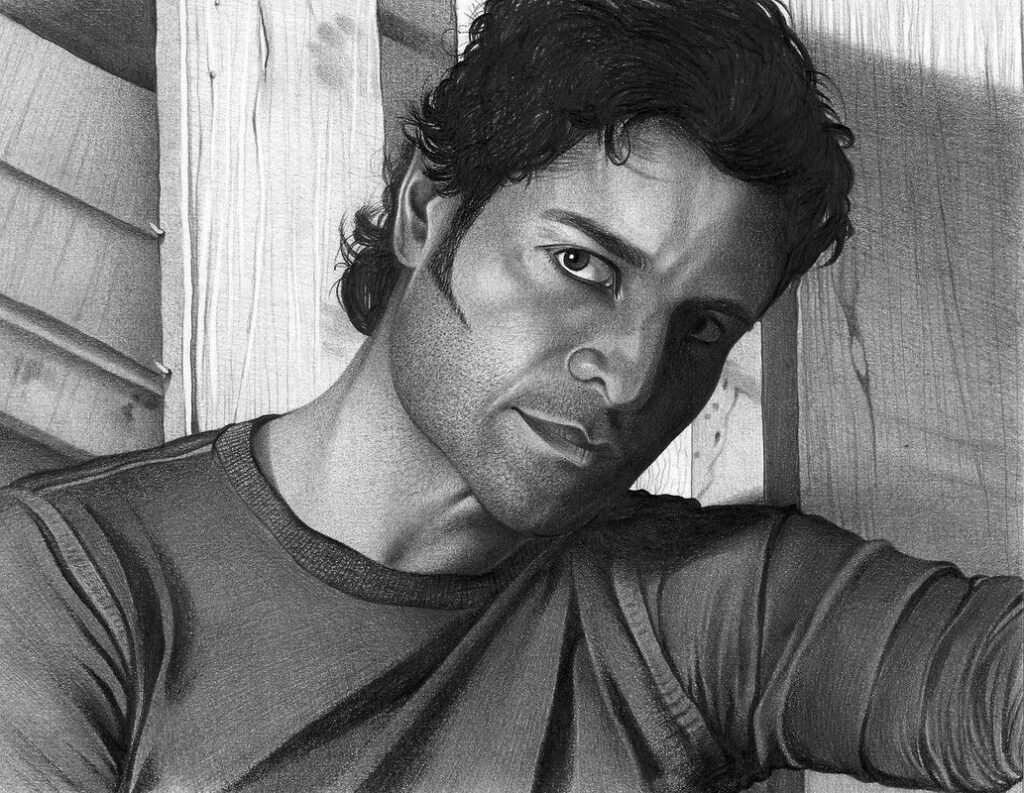
Understanding Proportions and Facial Structure
Understanding the proportions of a face is crucial for creating realistic facial structure, so let’s take a closer look at the key measurements to get you started. This will help you accurately place features and create a harmonious composition.
Measuring the Head Form
To measure the head form accurately, start by dividing it into thirds both horizontally and vertically. This concept is known as facial thirds. Imagine a horizontal line that passes through the eyes, another at eyebrow level, and one at the tip of the chin. Similarly, divide the face vertically with lines passing through the center of each eye, nose, and mouth.
Understanding facial thirds helps you maintain proportion in your drawings. When placing features like the eyes, nose, or mouth, use these reference points to ensure they’re positioned correctly relative to the overall head form. For instance, the distance between the eyes should be roughly equal to one-third of the width of the face, while the space from the nose to the chin is typically around two-thirds.
Remember that facial proportions can vary slightly among individuals, but using these guidelines as a starting point will help you create more realistic faces. Practice measuring and drawing different head forms to develop your skills and internalize this concept.
Understanding Facial Features and Their Relationships
The eyes are typically positioned one-quarter of the distance from the bridge of the nose to the chin. This relationship is crucial for creating a believable face. When the eyes are placed too high, the face can appear more youthful or even cartoonish. Conversely, when they’re set too low, the face may look older or more serious. The nose and mouth also have specific relationships with each other. A good rule of thumb is to place the tip of the nose about one-eighth of the distance from the chin to the bridge of the nose.
The jawline’s relationship with the nose and mouth is equally important. A well-proportioned face typically has a gentle curve where the jaw meets the neck, while a more angular or pointed jaw can create a stronger contrast with the softer features above it. Understanding these relationships will help you create a balanced composition that captures the subtleties of facial expression.
When drawing, pay attention to how these features interact and influence each other. For example, a nose that’s too large can overwhelm the surrounding features, while a mouth that’s too small can become lost in the overall face shape.
Mastering Facial Expression and Emotion
Capturing a person’s true essence on paper requires more than just technical skill – it demands an understanding of facial expression and emotion. Let’s explore how to convey subtle nuances in your drawings.
Capturing Realism in Facial Expressions
Capturing realistic facial expressions is an art that requires attention to subtlety and nuance. It’s not just about drawing eyebrows or mouths, but about conveying the underlying emotions and moods of the subject. One key aspect of achieving this realism is understanding the relationship between facial muscles and expression.
For example, a slight raise in the outer corner of the eyebrow can convey surprise or skepticism, while a deeper crease between the eyes can suggest sadness or concern. By paying attention to these small details, you can create a more dynamic and expressive face.
To capture this subtlety, focus on rendering the underlying bone structure and muscle tone, rather than just the surface-level features. This will help your drawings feel more three-dimensional and lifelike.
In terms of specific techniques, consider using gentle hatching or cross-hatching to suggest the texture and depth of facial skin. You can also experiment with layering different values (light and dark) to create a sense of volume and dimensionality in your drawings.
When rendering expressions, remember that it’s often the subtlest details that make the biggest difference. Pay attention to the way the mouth curves, the shape of the eyelids, and the tilt of the head – all these elements can contribute to a more realistic and engaging facial expression.
Creating Depth with Eyebrow Placement and Shape
Eyebrow placement and shape play a significant role in conveying expression and emotion. When drawing a realistic face, it’s essential to get these details right to avoid looking static or unemotional. You can create depth by varying the height and angle of eyebrows. For example, a more pronounced arch can suggest excitement or surprise, while a flatter shape can convey sadness or boredom.
Consider the direction of eyebrow growth as well – do they slope upwards, downwards, or remain straight? This detail can greatly affect the overall expression. To create nuance in your drawings, experiment with different brow shapes and angles for varying emotions. A slight tilt to one side can suggest a sense of curiosity or concern.
When drawing eyebrows, pay attention to their relationship with other facial features. For instance, if you’re aiming to convey a sense of determination, pair a more angular brow shape with a stronger jawline. Conversely, a softer brow can be paired with more delicate facial features for a look of vulnerability. By understanding and manipulating eyebrow placement and shape, you’ll add depth and emotion to your drawings.
Techniques for Rendering Skin Tones and Texture
Now that you’ve mastered basic facial structure, it’s time to learn how to capture realistic skin tones and textures with a few key techniques. This will bring your drawings to life with depth and dimension.
Capturing Realistic Skin Tones
To capture realistic skin tones, you need to understand how colors interact with each other and how they appear on different skin types. Start by observing the color temperature of the subject’s skin – warm for golden undertones or cool for pink undertones. Then, mix a range of skin tone values by blending earthy colors like burnt sienna and umber with titanium white.
When rendering facial areas, consider the unique characteristics of each zone: the forehead tends to be pale due to less blood flow, while the cheeks are often flushed from circulation. Use soft, gentle strokes for blending transitions between these zones, working from dark to light to avoid creating harsh lines. For more realistic skin tones, focus on subtle, nuanced shifts in color rather than dramatic contrasts.
In terms of color theory, remember that skin tone colors tend to be desaturated and muted, lacking the vibrancy found in other subjects. You can create a natural-looking skin tone palette by mixing small amounts of blue or green into your earthy colors, then adjusting the value with white or black.
Adding Texture to Your Drawings with Hatching and Cross-Hatching
When working on realistic facial drawings, adding texture and depth is crucial for capturing the subtleties of human skin. Hatching and cross-hatching are two fundamental techniques used to achieve this effect. Hatching involves creating parallel lines that follow the contours of the face, while cross-hatching involves layering hatching lines at different angles to create a more textured appearance.
To add realistic texture with hatching, start by identifying areas where skin creases, folds, or wrinkles are present. Use a range of line weights and densities to convey varying levels of tension in these areas. For example, the forehead, nose, and mouth tend to have more prominent lines due to muscle movement and facial expressions.
Cross-hatching is particularly effective for creating detailed textures on smaller areas like the lips, eyelids, or nostrils. By layering hatching lines at a 90-degree angle to each other, you can achieve a sense of dimensionality and subtle shading. Experiment with different line weights and densities when using cross-hatching to create nuanced skin tones.
When combining hatching and cross-hatching techniques, focus on observing the natural folds and creases in human skin. By capturing these details accurately, you’ll be able to create drawings that convincingly convey the subtleties of real-life facial expressions.
Advanced Techniques for Realism in Facial Portraits
Now that you’ve mastered the basics, it’s time to take your skills to the next level by learning advanced techniques that add depth and nuance to facial portraits. This is where subtlety and precision truly shine through.
Refining Facial Features with Details and Shading
When refining facial features, details and shading play a crucial role in creating a realistic portrait. Start by adding subtle texture to eyebrows using short hatching strokes, varying the length and pressure of each stroke to suggest individual hairs. Consider the shape and angle of the eyebrow as well, taking into account how it interacts with the surrounding features.
Eyelashes are another essential detail that can make or break the realism of a portrait. Use a fine-tip pen or pencil to draw individual lashes, grouping them in clusters around the lash line. Keep in mind that upper eyelashes tend to be thicker and more sparse than lower ones. When shading around the eyes, avoid harsh lines and instead use gentle gradations to suggest the subtle curve of the eye socket.
Hair texture can also be used to add depth and interest to a portrait. Use loose, expressive strokes to suggest the direction and flow of individual hairs, building up layers of texture with each stroke. Pay attention to how hair interacts with the surrounding features – for example, how it frames the face or falls across the cheekbones. By incorporating these details and shading techniques, you can create a more nuanced and realistic facial portrait.
Achieving Realistic Reflections and Shadows in Facial Drawings
Real reflections and shadows play a crucial role in creating realistic facial drawings. They not only add depth but also convey the subtleties of light on the face. A good starting point is to observe how light behaves around the eyes, nose, and mouth. Notice how it creates areas of strong contrast between light and shadow.
When drawing reflections, consider the surface they’re reflecting off. A smooth surface like glass or water will produce a sharp reflection, while a rougher surface will distort it. Pay attention to the shape and angle of the face in relation to the surrounding environment. For example, if the subject is sitting near a window, their profile may be reflected in the glass.
To capture subtle nuances in light and shadow, use gentle hatching and cross-hatching techniques with a range of tonal values. Softly define areas where light catches the features, such as the curves of the eyes or the contours of the nose. Avoid harsh lines that can make shadows look unnatural. Remember to also consider the surrounding environment: if the subject is indoors, cast shadows from furniture or other objects will add depth and context.
Using Reference Images and Observation to Improve Your Skills
To truly master drawing a realistic face, it’s essential to study reference images of various facial expressions and observe the subtleties in people’s features. This will help you develop a keen eye for detail.
Selecting Effective Reference Images
When selecting reference images for drawing a realistic face, it’s essential to focus on high-quality photographs that showcase various expressions and features. Look for images with clear lighting, minimal shadows, and no distracting backgrounds. A small collection of 10-15 reference images is sufficient; any more can be overwhelming.
Avoid using images with overly dramatic or exaggerated expressions, as these can lead to caricatures rather than realistic portraits. Instead, opt for subtle, nuanced expressions that capture the subtleties of human emotion. For example, a photograph of someone smiling softly or laughing quietly can provide valuable reference for drawing a gentle, relaxed expression.
When choosing reference images, consider the specific facial features you want to study. If you’re working on a portrait with prominent cheekbones, look for images that highlight this feature. Similarly, if you’re aiming to capture the subtleties of skin texture, select images with high-resolution details. By carefully curating your reference collection and using them to inform your drawings, you’ll be well on your way to creating realistic, nuanced portraits.
Observing the Human Form: Tips for Drawing from Life and Observation
When drawing from life and observation, it’s essential to focus on the subtleties of human anatomy. To capture a realistic face, study the overall shape and proportions of the head form. Notice how the skull structure affects facial features such as the nose, eyes, and jawline. Observe how different expressions change the way these features interact.
Draw from life by setting up still-life models or participating in drawing sessions where you can observe people’s faces up close. Take note of subtle details like skin texture, eyebrow shapes, and lip curves. Practice rendering these aspects accurately to develop your observation skills.
When translating what you see into a drawing, consider the overall massing of facial features. Think about how they overlap and interact, rather than focusing on individual details. Break down complex forms into simpler shapes to help you capture their essence. For example, represent the nose as a combination of curved planes rather than trying to draw every nostril detail.
By developing your observation skills through regular practice, you’ll improve your ability to render realistic facial expressions and features. Remember that observing people’s faces is not just about seeing what they look like; it’s also about understanding how their anatomy affects the way they express themselves.
Troubleshooting Common Issues in Facial Drawings
When drawing a realistic face, you’ll inevitably encounter some common mistakes that can throw off your entire portrait. This section will help you troubleshoot those issues and achieve more accurate results.
Addressing Proportion and Measurement Errors
Proportion and measurement errors can lead to inaccuracies in facial drawings, making them look unrealistic. One common issue is measuring the head form incorrectly. To avoid this, measure from the hairline to the chin, and then divide that length into thirds, with the first third being the forehead, the second third the nose, mouth, and jawline, and the final third the chin. However, this method assumes a “perfect” facial structure.
A more reliable approach is to use a grid system or a measurement guide specifically designed for facial proportions. These tools allow you to accurately measure and replicate the distances between facial features. For example, the distance from the hairline to the eyebrows should typically be around 1/3 of the total head length.
When working with reference images, pay attention to how the artist has represented proportion and measurement. Study the way they’ve placed facial features in relation to each other and use these insights to improve your own work.
Refining Your Style with Practice and Experimentation
When you’re stuck on refining your facial drawing style, it’s easy to feel like you’ve reached a plateau. But with consistent practice and experimentation, you can break through these barriers and improve your skills. Start by setting aside dedicated time for drawing each week, even if it’s just 30 minutes a day. Use this time to focus on specific areas of facial anatomy or expression that challenge you.
Experimentation is key in refining your style. Try new techniques, such as hatching or cross-hatching, to add texture and depth to your drawings. Practice rendering different skin tones and expressions using reference images from various sources, including photographs, sculptures, or even video footage. Don’t be afraid to make mistakes – they’re an essential part of the learning process.
To push past plateaus, try breaking down complex subjects into smaller parts. Focus on one aspect, like eyelid shape or nose bridge, and practice drawing it in isolation before incorporating it back into a full face study. Regularly review your progress by comparing old work with new, identifying areas where you’ve improved and where you still need to focus. By embracing experimentation and consistent practice, you’ll refine your style and develop the skills needed to draw realistic faces.
Frequently Asked Questions
Can I use these techniques to draw realistic faces from any angle?
Yes, the principles of facial structure and proportion discussed in this guide can be applied to drawing realistic faces from various angles. However, when drawing a face from a side view or three-quarter view, pay extra attention to capturing the subtleties of facial features and their relationships.
How do I know if my drawings are too reliant on reference images?
A good rule of thumb is to use reference images as a starting point, but eventually, try to draw faces from memory or observation. If you find yourself repeatedly checking your references for every small detail, it may be time to practice drawing from life and observation.
What if I’m struggling to capture realistic skin tones in my drawings?
Try experimenting with different shading techniques, such as hatching and cross-hatching, to achieve more nuanced and lifelike skin textures. Also, pay attention to the way light interacts with facial features, as this can greatly impact the appearance of skin tones.
Can I use these techniques to draw faces of people from different ethnic backgrounds?
Yes, the principles of facial structure and proportion discussed in this guide are universal and can be applied to drawing realistic faces of people from diverse backgrounds. However, it’s essential to be mindful of cultural sensitivities when depicting specific facial features or characteristics.
How do I know if my drawings are capturing the subtleties of emotion?
Pay close attention to the placement and shape of eyebrows, as well as the subtle expressions that can be conveyed through the eyes and mouth. Also, practice drawing faces with different emotional states to develop your observational skills and ability to capture nuanced expressions.