
Drawing a graphic novel can be a daunting task, especially for beginners. With so many pages to fill and stories to tell, it’s easy to get overwhelmed by the sheer amount of content. However, with some guidance and practice, anyone can learn to create engaging graphic novels that capture readers’ attention from start to finish. As you begin your journey into this medium, it’s essential to master the art fundamentals – understanding composition, perspective, and pacing will help you bring your characters and world to life. In addition to these technical skills, a good graphic novel needs strong storytelling techniques and well-designed characters that drive the plot forward. This guide will walk you through the process of creating a compelling graphic novel, covering everything from character design to pacing and beyond, giving you the confidence to tell your story in a visual medium.
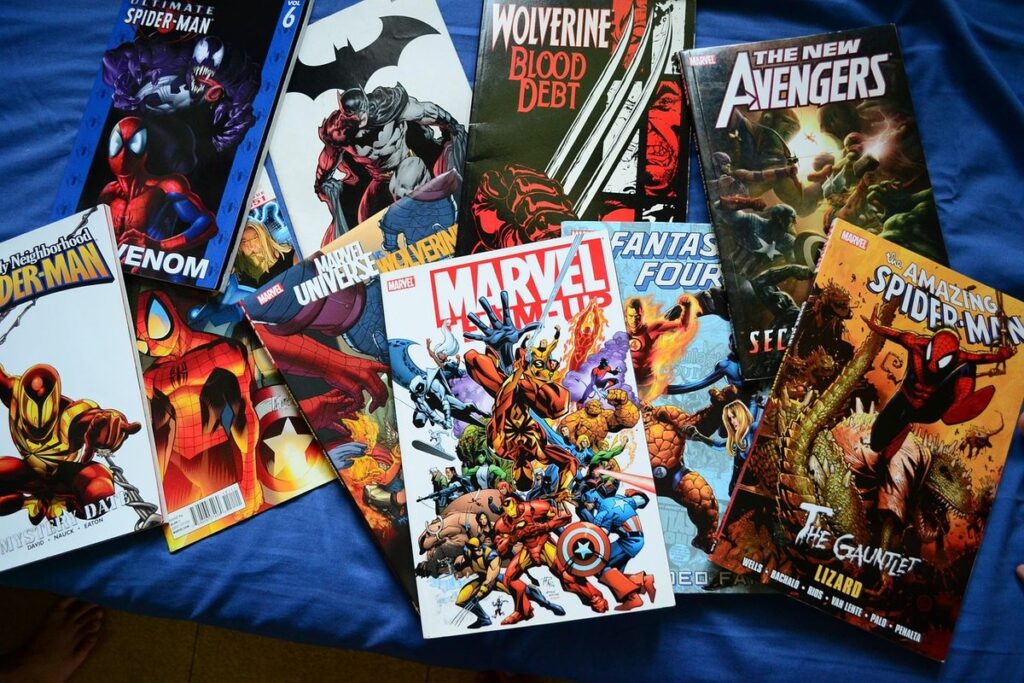
Understanding the Basics of Graphic Novel Art
Graphic novels are a unique blend of storytelling and visual art, requiring a distinct set of skills to bring your ideas to life. Let’s start by exploring the fundamental principles that underlie this versatile medium.
Defining Graphic Novel Style and Tone
Defining graphic novel style and tone is crucial for creating a cohesive and engaging visual narrative. Research different genres to understand their unique visual characteristics. For instance, science fiction often features futuristic landscapes and advanced technology, while fantasy typically includes magical creatures and elaborate world-building. Horror comics, on the other hand, frequently employ dark colors and distorted visuals to create an unsettling atmosphere.
Study the works of renowned graphic novel artists and analyze their use of style and tone. Look for recurring themes, such as muted color palettes in atmospheric stories or vibrant hues in action-packed tales. Observe how these choices contribute to the overall mood and emotional resonance of the narrative.
Identify key visual elements that reflect your story’s genre and tone. This might include specific line art styles, ink textures, or page layouts. Experiment with different approaches to find what works best for your project. Remember that consistency is key: once you establish a style, stick to it unless intentionally subverting expectations to create a specific effect.
Consider the impact of visuals on pacing and emotional response. A well-balanced combination of detailed environments and expressive character design can engage readers without overwhelming them with too much information at once.
Basic Art Fundamentals for Graphic Novels
Graphic novels require a distinct set of art fundamentals to convey the narrative effectively. At its core, comic book art is built on basic principles such as line weight, texture, and value. Line weight refers to the thickness or thinness of lines used to define characters, objects, and environments. In graphic novels, consistent line weights are crucial for creating a cohesive visual language.
Texture is another essential element that adds depth to your artwork. You can achieve texture through various techniques like hatching, cross-hatching, or stippling. However, overusing textures can make your art look cluttered. Balance texture with negative space to maintain readability.
Value refers to the lightness or darkness of colors and shapes within a scene. Properly utilizing value helps create contrast, guiding the reader’s attention through the narrative. In graphic novels, values are crucial for establishing mood, atmosphere, and emotional resonance.
Adapting these principles for a graphic novel format requires considering page layout, panel composition, and visual flow. A balanced mix of values, textures, and line weights will draw readers into your story, making the reading experience more immersive and engaging.
Creating Your Characters and World
Now that you have a solid foundation of storytelling, let’s bring your characters and world to life by developing unique personalities, backstories, and environments. This will help set the tone for your entire graphic novel.
Character Design and Development
When designing characters for a graphic novel, it’s essential to consider their archetypes and how they relate to the story. Think of archetypes as fundamental character types, such as the hero, villain, or mentor. These roles often influence facial structure and body proportions. A heroic character might have a strong jawline and athletic build, while a villain could have angular features and a lean physique.
Facial structure is crucial in creating believable characters. Pay attention to eye shape, nose size, and mouth curvature. Balance these features with the overall design of your character’s face. For instance, if you’re designing a character with large eyes, consider making their nose smaller to avoid visual clutter.
Costume design should also reflect the character’s personality and role in the story. Think about how their attire will affect their movement and interactions with other characters. Avoid overwhelming your art with intricate details; focus on creating clear silhouettes and textures that enhance your character’s overall appearance. In terms of body proportions, keep in mind that graphic novel pages are typically square or rectangular. This means you’ll need to balance figure shapes and placement within these panels.
For instance, a tall, slender character might be more suitable for wide shots, while a shorter, rounder figure could work better in close-ups.
Building Your Graphic Novel World
When building a graphic novel world, you’re not just creating a backdrop for your story – you’re crafting an immersive environment that draws readers in and refuses to let go. Start by establishing a rich history for your universe, including key events, figures, and cultural touchstones. Consider the long-term effects of these events on the world’s geography, politics, and mythology. For example, a catastrophic war might have reshaped the landscape or created rival nations.
Next, define the physical characteristics of your world, such as climate, geography, and natural resources. Think about how these features will impact the daily lives of your characters and influence their actions. You can also use environmental details to reveal character traits or backstory – a character’s fondness for a particular landscape or weather phenomenon might hold deeper significance.
Mythology is another crucial aspect of world-building in graphic novels. Create compelling legends, gods, and monsters that add depth and complexity to your universe. Consider how these mythological elements interact with the real-world characters and events, creating interesting conflicts or synergies. By developing a detailed, coherent world, you’ll create a more engaging story and richer visuals for your readers.
Scripting and Storyboarding
To bring your graphic novel to life, you’ll need to learn how to script and storyboard effectively. This involves breaking down scenes into manageable shots and writing concise dialogue that flows smoothly.
Writing the Comic Book Script
When writing a comic book script, it’s essential to follow standard formatting guidelines. This includes using Courier or Courier New font, setting margins at 0.5 inches all around, and leaving a consistent space between panels on the page. A typical script page has four to six panels per page, with each panel labeled with its respective number.
Pacing is also crucial in a graphic novel script. You need to convey the story’s flow and ensure that each scene serves a purpose. Aim for an average of 22-24 words per panel, which allows for clear dialogue and concise descriptions. Dialogue should be written in a way that sounds natural, with proper punctuation and formatting.
When writing dialogue, remember to keep it concise and avoid info dumps. Each character’s voice should be distinct, but not overly complex. Use action lines and sound effects sparingly, as they can interrupt the flow of the story. A good rule of thumb is to limit action lines to a maximum of two per panel.
Translating Your Script into Panels and Pages
When translating your script into visual panels and pages, it’s essential to consider how you’ll convey the story’s pacing, tone, and emotional depth. A well-designed page layout can make a significant difference in engaging readers and guiding them through the narrative.
To start, decide on a panel-to-page ratio that suits your story. Typically, a 3-4 panel per page is standard, but feel free to experiment with different layouts to find what works best for you. Consider breaking up long sections of dialogue or narration into smaller panels to create visual interest and maintain a fast pace.
Think about the white space on each page – also known as negative space. Use it to breathe life into your story by creating visual pauses, emphasizing key moments, or adding emotional weight to specific scenes. For example, you might use a single, dramatic panel to depict a character’s revelation, leaving only silence and contemplation for the reader.
In terms of design, remember that page turns are crucial in graphic novels. Use them to create suspense, surprise, or even humor by placing key information on the edge of a panel or just beyond it. As you translate your script into visual panels and pages, be mindful of these design elements to craft an immersive reading experience for your audience.
Developing Your Art Style
As you continue to develop your graphic novel drawing skills, it’s essential to define a unique art style that reflects your vision and aesthetic. This means experimenting with different techniques and finding what works best for you.
Inspiration from Other Artists and Styles
When developing your art style for a graphic novel, it’s essential to draw inspiration from other artists and styles. This can come from various sources, including comic book legends like Will Eisner and Frank Miller, as well as contemporary creators working in the medium. Study their use of visual storytelling, panel layouts, and character design.
Notice how different artists approach tone and atmosphere through their artwork. For example, the gritty realism of Miller’s Sin City contrasts with the stylized fantasy world of Hayao Miyazaki’s manga adaptations. Understanding what makes each style unique can help you identify areas to incorporate into your own work while avoiding direct copies or homages.
Don’t be afraid to experiment and mix elements from various styles to create something fresh. For instance, combining the atmospheric textures of a horror comic with the dynamic energy of an action-packed blockbuster could yield a compelling visual identity for your story. To do this effectively, pay attention to what resonates with you about each style and how it contributes to the overall mood or theme of your graphic novel.
When incorporating other artists’ styles into your work, be mindful of avoiding clichés and overused tropes. Instead, distill the essence of their approach and adapt it to fit your unique voice and vision.
Experimenting with Different Media and Techniques
Experimenting with different drawing media and techniques is an essential part of developing your art style. You’ve likely already experimented with various tools and methods to see what works best for you, but it’s also important to continually explore new options.
Start by trying out different types of paper – Bristol board, hot press watercolor paper, or even sketchbook pages. Each will affect the texture and tone of your work in unique ways. You can also experiment with digital drawing programs like Clip Studio Paint or Adobe Animate, which offer a range of brushes and effects that mimic traditional media.
Another area to explore is inking techniques. Some artists prefer fine-tip pens for detailed work, while others swear by brush pens or even traditional dip pens. Experimenting with different ink flow rates, tip sizes, and strokes will help you develop your own distinctive style. You might also try mixing digital inks with hand-drawn elements to create a hybrid look.
Lastly, consider the role of color in your art. Do you tend towards muted tones or vibrant hues? Try working with colored pencils, markers, or even watercolors to see how they impact your illustrations.
Refining Your Skills
As you continue to develop your graphic novel drawing skills, it’s essential to refine your techniques through practice and experimentation. Let’s focus on honing your craft.
Common Mistakes and Areas for Improvement
New graphic novel artists often struggle with inconsistent panel layouts and pacing. This can lead to a choppy reading experience, making it difficult for readers to follow the story. To avoid this, pay attention to the balance between action, dialogue, and narration. A good rule of thumb is to keep the most dynamic moments on the left-hand side of each page, where they’ll be seen first.
Another common mistake is neglecting to leave space for error. Graphic novels often involve intricate layouts and complex storytelling, so it’s essential to build in some wiggle room. This means leaving margins wide enough to accommodate revisions and adjustments without sacrificing readability.
Inconsistent linework and color choices can also detract from the overall quality of your work. To maintain visual cohesion, establish a clear style guide for your characters, environments, and special effects. This will help you stay consistent throughout the story.
When it comes to improving your skills, focus on developing your storytelling chops through practice and experimentation. Try working with different formats, such as mini-comics or webcomics, to develop your pacing and narrative control.
Joining a Community or Finding a Mentor
Joining a community of fellow artists and finding a mentor can be a game-changer for graphic novel creators. When you’re working on a solo project, it’s easy to get stuck or lose motivation. A supportive online community or a mentor who understands the challenges of creating a graphic novel can offer valuable guidance, constructive feedback, and encouragement.
Look for online communities focused specifically on comic art and writing, such as forums, social media groups, or Reddit communities. Some popular platforms include DeviantArt, Discord servers dedicated to comics, and Facebook groups for indie creators. Participate in discussions, share your work, and engage with others who are going through similar experiences.
Having a mentor can provide one-on-one guidance and help you stay accountable. Consider reaching out to experienced comic artists or writers in your field, or look for local workshops and classes that offer personalized feedback. Even a monthly check-in can make a significant difference in your progress.
Frequently Asked Questions
How long does it take to develop a consistent graphic novel art style?
Developing a unique art style takes time and practice. It’s essential to be patient and persistent in refining your skills. Allocate dedicated time for drawing, experimenting with different techniques, and studying the work of other artists.
Can I use traditional media like pencils or ink to create my graphic novel artwork?
Yes. Traditional media can be an excellent choice for creating a unique visual identity for your graphic novel. Consider combining digital tools with traditional methods to achieve the desired look. Research tips on scanning and editing techniques to integrate traditional art with digital elements.
What if I’m struggling to connect my characters’ personalities through their design? How do I create more nuanced character designs?
When designing characters, think about their personality traits, backstory, and motivations. Ask yourself: “What makes this character unique?” “How can I convey their emotional state through facial expressions or body language?” Experiment with different poses, costumes, and accessories to add depth to your character’s design.
Can I apply the same storytelling techniques used in comics to a graphic novel?
While some comic book storytelling principles can be applied to graphic novels, there are significant differences between the two formats. Graphic novels often require more detailed world-building and pacing considerations due to their longer narrative structure. Understand the specific requirements of your story and adapt your approach accordingly.
How do I balance my own artistic style with the demands of creating a cohesive visual tone for the entire graphic novel?
To achieve a cohesive visual tone, establish clear guidelines for the overall aesthetic and consult with editors or collaborators if necessary. Balance personal creative expression with the need to service the narrative by considering how each element contributes to the larger story.