
Creating a believable sci-fi world can be a daunting task, especially when trying to balance genre expectations with audience demands. You might find yourself asking: where do I even start? A comprehensive guide is needed to help you build a rich and immersive universe that captivates readers or viewers. This process involves considering the rules of your world, including physical laws, technological advancements, and magical systems. You’ll also need to think about the history and culture of your world, as well as its economy, politics, environment, and technology. A good sci-fi world should be internally consistent and logical, yet still allow for room for creativity and innovation. This article will provide a detailed checklist for building a believable sci-fi world, covering all these essential elements to help you create a truly immersive universe that transports your audience to new and exciting worlds. By the end of this guide, you’ll have a clear understanding of how to craft a compelling and realistic sci-fi world.
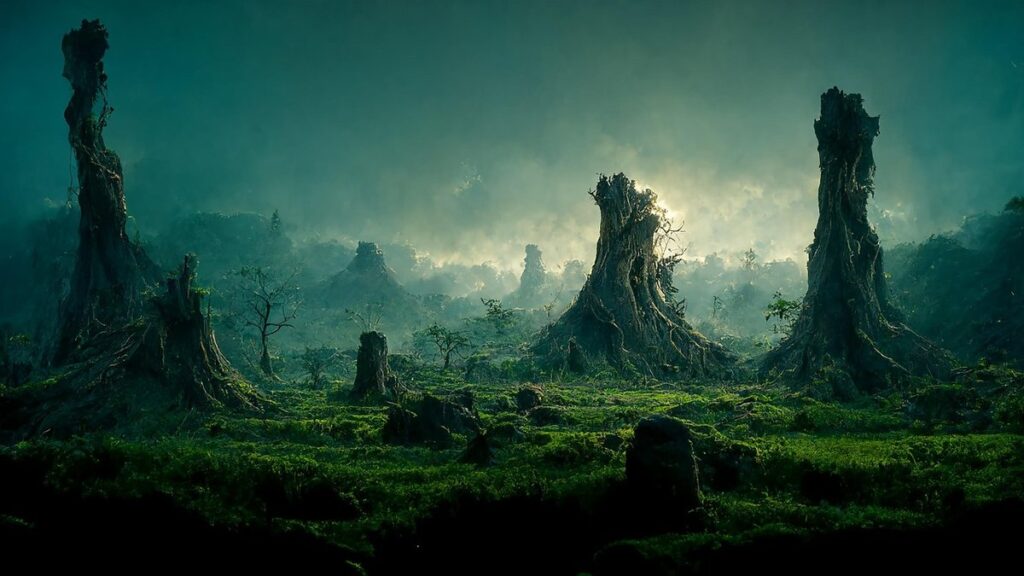
Building a Believable World
A believable world is only as strong as its underlying rules and logic, so let’s examine how to create a coherent system for your sci-fi universe. This includes everything from physics and technology to politics and culture.
Understanding Your Genre and Audience
To build a believable world, you need to understand what will resonate with your target audience. Start by identifying the key elements that appeal to readers within your chosen genre. In sci-fi, for example, fans often crave advanced technologies and alien worlds. Consider what aspects of these genres will engage your audience.
Examine popular sci-fi franchises like Star Wars or Star Trek. Note how they balance action, adventure, and intellectual curiosity. Think about the specific tropes and conventions that readers expect within their chosen genre. In sci-fi, this might include space travel, artificial intelligence, or alien invasions. Understanding these expectations will help you create a world that meets your audience’s needs.
Don’t be afraid to mix and match elements from different genres or sub-genres. This can add depth and complexity to your world-building. However, be mindful of your target audience’s preferences and avoid incorporating elements that might alienate them. Consider what specific themes or motifs will resonate with your readers and tailor your world accordingly.
Developing a Concept and Premise
Developing a concept and premise is where the excitement of worldbuilding begins. You need to distill the essence of your story into a single sentence, but one that’s rich with meaning. Start by brainstorming ideas: ask yourself what themes you want to explore, what questions you want to answer, or what social commentary you want to make. Jot down key words, phrases, and images that come to mind.
A logline is the next crucial step. It’s a one-sentence summary of your story that captures its core conflicts and stakes. Aim for something concise yet revealing. For example, “In a world where memories can be implanted, a gifted memory detective must unravel a complex web of false identities.” This gives you a clear direction to build upon.
When defining the core conflicts, consider what drives the plot forward. Are there any external threats or internal struggles that your characters will face? Will they have to navigate a moral dilemma or confront their own biases? Think about how these conflicts will create tension and propel your story forward. By doing so, you’ll establish a solid foundation for your world and its inhabitants.
Establishing World Rules and Logic
Establishing clear rules and logic within your world is crucial to creating a believable and immersive environment for your story. A consistent internal structure helps to avoid plot holes and ensures that the events of your narrative unfold logically.
To establish world rules, start by identifying the key principles that govern your world’s behavior. This might include the laws of physics, the properties of magic (if it exists), or the societal norms that shape the lives of its inhabitants. Be specific about how these rules apply in different contexts and situations. For example, if you’re creating a world with unique magical properties, define what types of magic are available, who can wield them, and under what conditions.
Consistency is key when applying these rules. Establish clear guidelines for how characters interact with the environment, other characters, and themselves. This will help to prevent inconsistencies that can pull readers out of the story. Consider creating a “bible” or reference document to keep track of your world’s rules and logic. This can be a simple spreadsheet or a more elaborate guide, depending on the complexity of your world. By establishing clear rules and logic, you’ll create a rich and immersive environment that will engage and captivate your readers.
Creating a Rich History and Culture
A rich history and culture are essential components of any immersive sci-fi world, shaping the values and traditions of its inhabitants and informing their place in the universe. We’ll explore how to create a compelling cultural tapestry for your world.
Crafting a Compelling Timeline
A well-crafted timeline is essential to creating a rich history and culture in your sci-fi world. It serves as a foundation for major events, historical figures, and cultural milestones that shape the narrative of your story. To create a compelling timeline, start by identifying key eras or periods within your world’s history. These could be marked by significant technological advancements, wars, or societal changes.
Consider using a mix of long-term and short-term events to add depth and complexity. For example, you might have a centuries-long conflict that spans multiple regimes, with smaller skirmishes and local uprisings along the way. Don’t forget to include cultural milestones such as festivals, rituals, and significant discoveries.
Some key elements to include in your timeline are:
- Major wars or conflicts
- Technological advancements (e.g., inventions, breakthroughs)
- Shifts in power or governance (e.g., empires rising or falling)
- Significant societal changes (e.g., migrations, revolutions)
- Cultural milestones (e.g., festivals, rituals, discoveries)
When mapping out your timeline, consider how these events will impact the world and its inhabitants. Think about how they might influence character development, plot progression, and overall story arc.
Developing Unique Cultures and Societies
Avoiding clichés and stereotypes is crucial when developing unique cultures and societies. One approach is to focus on cultural nuances rather than broad labels. For instance, instead of categorizing a society as “feudal,” break down their social hierarchy into specific castes or classes with distinct responsibilities and privileges. This helps create a more detailed and immersive world.
Consider the example of Star Trek’s Klingon Empire. On the surface, it might seem like a generic “warrior culture.” However, the show’s writers developed a rich history and customs for the Klingons, including their ritualistic dueling and honor-based society. By doing so, they avoided reducing the Klingons to a single stereotype.
When creating your own cultures, think about what specific values or practices make them unique. Perhaps a society is deeply invested in environmental conservation, or maybe they have a complex relationship with technology. Focus on these details to create believable and diverse cultures that add depth to your world. By doing so, you’ll avoid relying on tired tropes and instead craft a rich tapestry of societies that readers can fully engage with.
Creating Mythologies and Legends
Mythologies and legends serve as the foundation for a rich and immersive history. They provide insight into a world’s values, fears, and motivations, allowing readers to connect with its people on a deeper level. To create compelling mythologies, consider what your world’s earliest inhabitants believed about their place in the universe. Were they hunter-gatherers who worshipped nature spirits? A technologically advanced civilization that saw itself as masters of a mechanized world?
Develop these myths by creating a pantheon of gods or powerful beings that embody the world’s core values. For example, a mythological figure might represent hope and resilience in the face of overwhelming odds. You can also draw from real-world cultures to create unique and authentic legends.
When crafting your world’s mythologies, think about how they’ve influenced the development of its culture and society. How have myths shaped the way people view themselves, their relationships with others, and the world around them? By exploring these questions, you’ll build a more nuanced and believable history that enriches your story and draws readers in. Consider what myths would make sense for your world’s inhabitants to believe, and how those beliefs have impacted their lives.
Designing a Logical Economy and Politics
When designing a logical economy and politics, it’s essential to consider how your world’s systems will function, from resource distribution to governance structures. Think critically about the implications of each choice on your world’s inhabitants.
Building a Plausible Economic System
A well-designed economic system is crucial to a believable sci-fi world. It’s not just about throwing together some vague concepts and hoping they hold up; it’s about creating a coherent, logical framework that underpins the entire society.
Start by defining the core principles of trade within your world. What are the primary commodities exchanged? Are there any unique resources or materials that play a crucial role in the economy? How do different regions or factions interact with one another economically?
Next, consider how currency works within your world. Is it a standard unit of exchange, or are there multiple forms of currency used depending on location or trade partner? Are there any interesting quirks to the currency system, such as inflation rates or rare denominations?
Finally, think about resource management and how it affects the economy. How do different regions manage their resources, and what impact does this have on trade agreements and relationships between nations? A few key questions to ask: What is the global supply of a critical resource like water or energy? How are these resources distributed among various populations?
A simple example of an economic system might be a planet-wide currency exchange that’s backed by a rare mineral found only in one region.
Establishing a Government or Ruling Body
A government or ruling body is essential to establishing order and stability in your sci-fi world. When creating a power structure, consider the level of technological advancement and societal complexity. In a highly advanced society, you may want to explore alternatives to traditional governments, such as decentralized networks or artificial intelligences.
To create a logical power structure, define the core values and principles that guide decision-making. For example, a government might prioritize individual freedom over collective security or vice versa. Be mindful of common pitfalls like:
- Overcentralization: a single entity holding too much power can lead to tyranny
- Underregulation: lack of oversight can result in chaos and corruption
- Unrealistic expectations: assigning human-like qualities to artificial intelligences or expecting them to have the same motivations as humans
Consider how your government interacts with other institutions, such as law enforcement, education systems, and economic structures. A well-designed power structure should balance competing interests and adapt to changing circumstances. For instance, a flexible system might include built-in mechanisms for updating laws and regulations in response to emerging technologies or societal shifts.
Designing a Realistic Environment
Creating a realistic environment is crucial, as it helps readers immerse themselves in your world and makes it easier to sell as a believable sci-fi setting. Let’s start by building a solid foundation for your planet’s geography and climate.
Understanding Ecological Systems
Ecological systems are a vital component of a realistic environment. They encompass not only the natural world but also how living organisms interact with their surroundings and each other. A well-designed ecological system allows for sustainability, diversity, and resilience.
Start by considering the planet’s climate, geography, and atmosphere. This will help you determine which types of flora and fauna can thrive in your world. Think about factors like temperature zones, ocean currents, and weather patterns. You may want to create unique ecosystems, such as dense forests or vast deserts.
To manage resources effectively, introduce limitations on growth and consumption. This could be through natural constraints, such as resource depletion, or societal regulations, like conservation laws. Avoid overpopulation by setting realistic population caps or introducing mechanisms that control birth rates.
When designing your ecological system, remember to balance the needs of different species and habitats. Consider how human activities might impact the environment, including pollution, deforestation, or climate change. By creating a balanced ecosystem, you’ll add depth and realism to your world, making it more immersive for readers.
Creating Unique Geographical Features
When designing unique geographical features for your sci-fi world, consider the implications of each feature on your planet’s climate, ecosystems, and inhabitants. Start by determining the number of continents, oceans, and major landmasses you want to create. A single massive continent can be just as interesting as a collection of smaller islands.
Think about the unique characteristics of each geographical feature. For example, a dense forest might require a specific type of atmosphere, while a vast desert would need a particular climate pattern. Consider how these features will interact with one another and shape your world’s history and cultures.
Climate zones can also be used to create diverse environments within a single continent. Use this to your advantage by creating distinct regions that cater to different species or civilizations. For instance, a tropical zone might support a lush rainforest, while a polar region could be home to an icy tundra.
When designing geographical features, remember that even small variations can have significant impacts on the world’s overall balance and ecosystem. Consider how these features will interact with your world’s inhabitants and their societies, as well as any advanced technologies or magical systems you’ve introduced.
Integrating Magic or Advanced Technology
Magic and advanced technology can be powerful tools for adding depth to your world, but introducing them requires careful consideration of their impact on society and the environment.
Understanding Magic Systems
A magic system is a set of rules and principles that govern how magic works within your world. To create a believable magic system, start by defining its underlying philosophy and purpose. What is the source of magic? Is it innate to certain individuals or derived from external sources like artifacts or rituals? Consider the limitations and costs associated with using magic – does it drain energy, require specific materials, or have unpredictable side effects?
Establishing clear rules and consequences for magic use helps prevent plot holes and inconsistencies. For example, in J.K. Rowling’s Harry Potter series, magic comes with a physical cost to the user, making it a finite resource that must be managed carefully. In contrast, the magic system in China Miéville’s New Crobuzon novels is based on a complex web of symbiotic relationships between humans and magical entities, with consequences for disrupting these balances.
When designing your own magic system, consider how it interacts with other aspects of your world, such as technology, politics, and culture. Will certain groups or individuals have exclusive access to powerful magical abilities? How will the presence of magic shape societal norms and expectations? By answering these questions, you can create a rich and immersive magic system that enhances the depth and plausibility of your sci-fi world.
Developing Advanced Technologies
When developing advanced technologies in your world, it’s essential to consider how they will impact society and the environment. Propulsion systems, for instance, can greatly affect travel times and accessibility between planets or within a planet’s atmosphere. Energy sources also play a crucial role, determining the availability of power for various industries and daily life.
Artificial intelligence is another critical aspect to consider. Will AI be integrated into everyday life, or will it exist as a separate entity? How will humans interact with AI, and what implications will this have on society? Consider the potential risks and benefits of advanced technologies, such as job displacement versus increased efficiency.
To create realistic propulsion systems, consider how they will work in conjunction with your world’s energy sources. For example, if you’re using a futuristic energy source like zero-point energy, it might power more efficient propulsion systems. Similarly, AI can be designed to optimize energy consumption or even generate its own power.
Some key considerations when developing advanced technologies include:
• Scalability: How will these technologies scale up or down depending on the situation?
• Interconnectedness: How do different technological components interact with one another?
• Sustainability: What are the long-term implications of using these technologies, and how can they be maintained or replaced?
Finalizing Your World
Now that you’ve fleshed out the basics, it’s time to add the finishing touches and make your world feel fully realized and immersive. Let’s focus on the details that bring it all together.
Reviewing and Refining Your World
Reviewing and refining your world is an essential step in the worldbuilding process. It’s during this stage that you’ll ensure everything hangs together cohesively and feels believable to your audience. A well-crafted world doesn’t emerge fully formed; it evolves over time, and reviewing and refining are crucial parts of this evolution.
Start by taking a close look at your world’s rules and logic. Are there any inconsistencies or areas where the laws of physics seem to bend? Make adjustments as needed to ensure that every aspect of your world operates within its own internal logic. Next, examine the cultural and societal norms you’ve established. Do these align with the values and history you’ve created for this world?
Consider what details might be missing from your world’s overall picture. Are there gaps in knowledge or areas where characters would naturally have questions? Filling in these holes will help create a richer, more immersive experience for your readers. Finally, ask yourself: What are the most critical aspects of my world that I want to convey to my audience? Focus on highlighting these elements and subtly hinting at others to keep your story engaging and full of mystery.
Reviewing and refining your work is an iterative process – be prepared to make multiple passes before you feel confident in your world’s cohesion.
Preparing for Future Development
When building a sci-fi world, it’s essential to strike a balance between creating a solid foundation and leaving room for future development. One way to achieve this is by identifying areas where you can introduce subtle inconsistencies or ambiguities that will allow for expansion later on.
For instance, consider the politics of your world. Instead of assigning rigid roles to each government entity, establish broad guidelines that give leeway for future developments. This might involve setting a general framework for how power is distributed, but not detailing every possible scenario.
Another approach is to create “hooks” or unresolved questions throughout your world’s history and culture. These can serve as catalysts for future stories, allowing you to build upon existing lore without having to drastically alter the underlying structure of your world.
By intentionally leaving some threads open-ended, you’ll be able to introduce new elements and plot twists that feel organic to your world, rather than tacked on after the fact. This will also give you a clear direction for future development, ensuring that your world continues to grow and evolve in a cohesive manner.
Bonus: Additional Tips and Resources
We’ve covered the essential elements of sci-fi worldbuilding, but you may still have questions or want to dive deeper into specific areas. Below are some bonus tips and resources to help refine your skills further.
Worldbuilding Tools and Software
If you’re struggling to visualize the layout and geography of your sci-fi world, consider using a digital mapping tool like Campaign Cartographer or Fractal Terrains. These programs allow you to create detailed maps with adjustable terrain features, rivers, and climate zones. For example, you can use Fractal Terrains to generate realistic mountain ranges and valleys, which can then be customized to fit your world’s unique geography.
Alternatively, if you’re more comfortable working with pen and paper, you can try using a tool like the “World Anvil” or “Obsidian” note-taking systems. These programs allow you to create a central hub for all your worldbuilding notes, including timelines, character profiles, and geographical information. You can use tags, links, and other organizational features to keep track of complex relationships between different elements in your world.
Another useful tool is the “Trello” project management system, which allows you to visualize your world’s various components as separate boards or cards. For example, you could create a board for each major continent, with cards representing different cities, cultures, and historical events. This can help you see how all the pieces fit together and make it easier to revise and refine your worldbuilding efforts.
Online Communities and Resources
When building a sci-fi world, it’s essential to connect with fellow writers and learn from others. Online communities and resources can provide valuable support, feedback, and inspiration throughout the process. One of the most popular online forums for worldbuilding is Worldbuilding Stack Exchange, where you can ask questions and receive expert answers on various aspects of world creation.
You can also join dedicated social media groups like Reddit’s r/worldbuilders or r/scifiwriting, where members share their work, provide feedback, and discuss various worldbuilding topics. These platforms are ideal for sharing your ideas, getting constructive criticism, and learning from others in the community.
Another valuable resource is World Anvil, a comprehensive online tool that allows you to create, organize, and store all aspects of your world. This platform offers a vast library of user-generated content, including maps, timelines, and species databases, which can spark new ideas or help you overcome creative blocks.
Lastly, consider participating in online writing challenges or exercises, such as NaNoWriMo’s Worldbuilding Challenge or the SFWA’s Worldbuilding Workshop, to test your skills and get feedback from others. By engaging with these communities and resources, you’ll not only improve your worldbuilding skills but also stay motivated and inspired throughout the creative process.
Frequently Asked Questions
How do I decide what level of detail to include in my world’s history and culture?
When deciding how much depth to give your world’s history and culture, consider the scope of your story and the needs of your plot. If you’re writing a sweeping epic with multiple continents, you may need more detailed histories and cultures for each region. However, if you’re focusing on a smaller scale or personal story, you can get away with less depth.
Can I create a magic system that’s based on real-world science, but still has fantastical elements?
Yes. Many successful sci-fi worldbuilders have created magic systems rooted in scientific principles, but with added twists and exceptions to make them unique. For example, you could base your magic on advanced technologies or unknown natural phenomena.
How do I balance the needs of different cultures and societies within my world, when they may not all agree on politics or values?
When creating diverse cultures and societies, it’s essential to establish clear rules and logic for their interactions. This can involve setting up trade agreements, diplomatic relationships, or even historical conflicts that have shaped their views. By doing so, you can create a rich tapestry of cultural differences without sacrificing coherence.
What if I’m writing a story set in a world with a completely different environmental or ecological system than our own?
When designing unique geographical features and ecological systems, consider the underlying principles that govern your world’s environment. For example, if you’re creating a world with a highly oxygenated atmosphere, how will this affect plant life, animal habitats, and human settlements? Think about the consequences of these changes on your characters’ lives.
Can I use real-world events or mythologies as inspiration for my worldbuilding, without copying them directly?
Yes. Borrowing from real-world events, mythologies, or cultural practices can be a great way to add depth and authenticity to your world. Just make sure to transform these influences into something unique and original, rather than simply replicating the details of the original. This will help you avoid accusations of plagiarism or cultural appropriation.