
Sketching cartoon characters can seem intimidating at first, especially when you’re just starting out. However, with the right techniques and practice, anyone can learn to create memorable and appealing cartoons with ease. As a beginner, developing your drawing skills is crucial, but it’s also fun to learn new ways of bringing your imagination to life on paper.
Cartoon characters are all around us – in movies, TV shows, comics, and even advertisements. They have the power to capture our attention, make us laugh or smile, and become a part of our childhood memories. But what makes them so special? It’s not just their expressive faces or dynamic poses; it’s also the way they’re drawn with simple yet effective lines and shapes. In this article, you’ll learn the cartoon character sketching basics and techniques that will help you create your own lovable characters in no time.
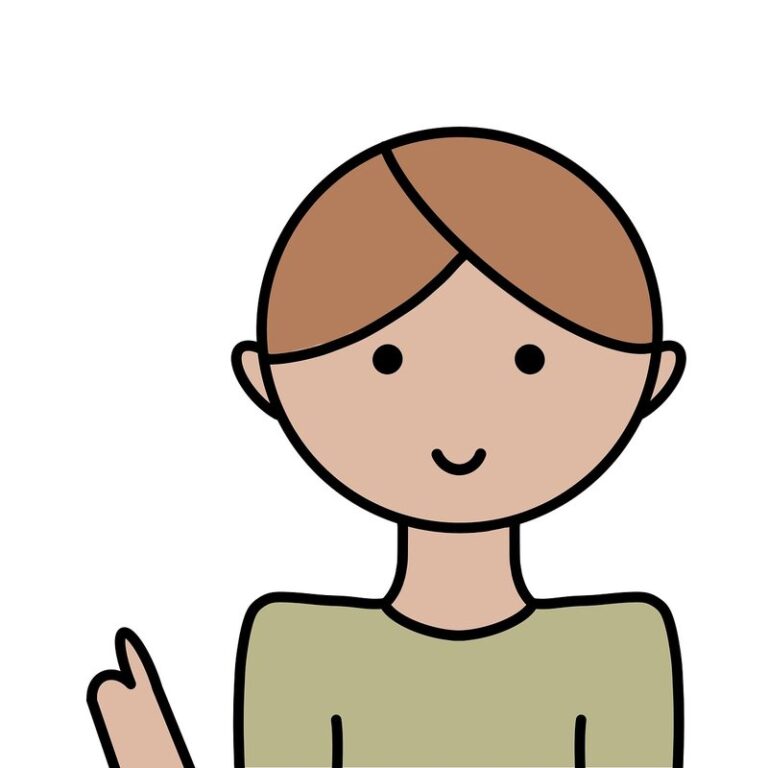
Understanding Cartoon Character Design Basics
Cartoon characters have distinctive features that make them instantly recognizable, and understanding these basics is key to creating engaging sketches. Let’s break down what makes a cartoon character’s design unique and memorable.
What Makes a Great Cartoon Character?
A great cartoon character has a unique blend of personality, design consistency, and emotional expression. Personality is the foundation of a memorable character, so think about what traits you want them to possess – are they brave, silly, or kind? Consider how these traits will be reflected in their actions, dialogue, and body language.
Design consistency is crucial for creating a recognizable and engaging character. Establishing a consistent visual style, such as a specific color palette or pattern of lines, helps your character stand out. Think about the character’s proportions, facial structure, and clothing – are they simplified or exaggerated features? For example, Mickey Mouse has a distinctive black circle for his eyes and simple ears.
Emotional expression is essential for making a character relatable and engaging. A well-designed emotional expression can convey a range of emotions through subtle details like eyebrows, facial muscles, and posture. Practice drawing different expressions to see how you can use these elements to create depth in your characters.
Key Principles of Cartoon Style
Cartoon style is a unique blend of exaggeration, simplification, and distortion. Think about it: cartoon characters have oversized eyes, chunky limbs, and sometimes even impossible poses. This isn’t just for comedic effect; it’s a deliberate choice to create a stylized, recognizable look.
Exaggeration is key in cartoons. Take the Flintstones’ Fred Flintstone, with his massive feet and prominent nose. His size and facial features are amplified to make him instantly recognizable as a lovable, rough-around-the-edges character. In contrast, Tom and Jerry’s characters have elongated limbs for comedic effect.
Simplification is another fundamental principle of cartoon style. Think of Mickey Mouse or SpongeBob SquarePants – their designs are minimalistic yet memorable. By stripping away unnecessary details, cartoons can focus on the essence of a character. This doesn’t mean reducing a character to basic shapes; it means emphasizing their defining features.
In your sketches, try simplifying a character’s design by focusing on essential elements like their facial expression or iconic accessories. You can also experiment with exaggeration by amplifying specific features, like eyes or arms, to create visual interest.
Researching References for Inspiration
When sketching cartoon characters, it’s essential to find inspiration from other cartoons and artists. Studying their designs can spark new ideas, help you develop your unique style, and prevent originality fatigue. To get started, browse online platforms like DeviantArt or ArtStation for a vast collection of artwork. Websites like Cartoon Brew and Animation World Network are also great resources for staying up-to-date on the latest cartoon trends.
If you prefer physical media, visit your local library or bookstore to discover art books featuring the work of renowned animators and cartoonists. Some recommended titles include “The Art of Disney” and “The Animator’s Survival Kit”. Don’t forget about everyday life as a valuable source of inspiration – observe people with unique features, such as facial expressions or hairstyles, and consider incorporating these into your character designs.
When searching online, use specific keywords like ‘cartoon character design‘ or ‘2D animation art’ to find relevant references. Bookmark or save images that catch your eye, and study them closely for composition, proportion, and detail. By analyzing the work of others and combining it with your own creativity, you’ll be able to develop a distinctive cartoon style that sets your characters apart.
Mastering Cartoon Anatomy and Proportions
Now that you have a solid foundation in drawing cartoons, it’s time to refine your skills by mastering cartoon anatomy and proportions. Let’s break down the key elements of creating a believable cartoon character.
Drawing Basic Shapes for Cartoons
When it comes to drawing cartoon characters, understanding basic shapes is crucial for creating realistic and recognizable features. The three primary shapes used in cartoon anatomy are spheres, cylinders, and rectangles.
Spheres are used for rounded features like the head, cheeks, and belly. To draw a sphere, focus on its overall roundness and don’t worry too much about details. For example, when drawing a cartoon character’s head, think of it as a big marble – smooth, curved, and symmetrical.
Cylinders are used for long, tubular features like the neck, arms, and legs. When drawing cylinders, remember that they have two flat ends and a curved middle section. The neck is typically thicker at the base and tapers down towards the head, while the limbs should be roughly equal in thickness throughout their length.
Rectangles are used for flat surfaces like the face, hands, and feet. To draw rectangles, focus on the proportions of your character’s features – for example, a cartoon face is usually wider than it is tall. By combining these basic shapes, you can create a wide range of facial features and body parts that will help bring your characters to life.
Understanding Proportion and Measurement
Proportions are what separate cartoon characters from mere drawings of humans. A character’s body must be reduced to its simplest form to create a stylized look while still maintaining believability. The most common mistake is making the head too large, which throws off the entire balance.
To measure proportions correctly, imagine your character is divided into thirds both horizontally and vertically. This helps you gauge where features like eyes, nose, and mouth should be placed in relation to the rest of their face. Measure from the top of the head, not from the hairline, as this will ensure consistency across all characters.
When scaling up or down, remember that most adult cartoon characters are between 7-9 heads tall. Scaling too much can result in an unbalanced character that looks more like a stick figure than a fully fleshed-out being. Practice measuring and scaling on simple exercises before tackling your main character to ensure you’re getting the proportions right.
Practice Exercises for Cartoon Anatomy
Draw simple cartoons using basic shapes, starting with a circle for the head and a rectangle for the body. Vary the proportions to create different character designs. For example, elongate the body to create a lanky figure or make the head larger than usual to give it more importance.
Create a cartoon self-portrait by using simplified features. Replace detailed facial structures with basic shapes: a circle for the eyes, an oval for the nose, and a curved line for the mouth. Use simple lines to indicate hair texture and style. Keep the background minimal to focus on the character’s features.
Use reference images of cartoons or comics to study the proportions and facial expressions. Pay attention to how the artist has used basic shapes to create the overall appearance of the character. Identify what works well in the design and apply those principles to your own drawings.
Remember, practice is key when it comes to mastering cartoon anatomy. Set aside time each day to draw simple cartoons and experiment with different proportions and designs.
Developing Your Character’s Personality and Traits
Your cartoon character needs a personality that shines through, so let’s focus on developing traits that make them unique and relatable to your audience. This involves more than just physical appearance!
Identifying Key Characteristics
To give your cartoon character some real personality, you need to get inside their head and figure out what makes them tick. This means identifying key characteristics like their values, attitudes, and habits. For example, are they a morning person or a night owl? Do they love coffee or hate the stuff? These small details can add up to create a character that feels more real.
Consider their mannerisms too – how do they walk, talk, and interact with others? Do they have any quirks or tics that make them stand out? A character who is always fidgeting or tapping their foot will be much more engaging than one who is stiff and formal. Think about what kind of clothing and accessories would suit your character’s personality – for example, a messy-haired artist might wear a paint-stained apron.
When sketching your character, try to capture these key characteristics in simple gestures and expressions. Don’t worry too much about the details at this stage – just focus on getting their overall personality across. Remember, it’s okay if your first attempts don’t quite hit the mark – practice makes perfect, and with time, you’ll get a feel for what works best for each of your characters.
Adding Emotional Expression to Your Cartoon
When sketching cartoon characters, capturing their emotions is crucial for bringing them to life. Facial expressions are a primary way to convey emotion, but it’s equally important to consider body language and other visual cues. A character can be sad with just a downturned mouth or angry with a clenched fist. Consider the entire face: eyebrows raised or furrowed, eyes cast downward or squinting in concentration.
Notice how cartoons like Disney’s “The Lion King” and Pixar’s “Inside Out” use bold, exaggerated expressions to convey complex emotions. The characters’ bodies also react accordingly – Simba slumps after Mufasa’s death, while Joy from “Inside Out” floats with an effervescent smile. To create more nuanced emotional expression in your sketches:
- Exaggerate features like eyes and eyebrows for a clear emotional impact
- Vary body language to show the character’s emotional state – for example, slouching or standing tall
- Consider the environment and context: how would this character react in that situation?
By paying attention to these visual cues, you can create more believable and engaging cartoon characters.
Creating a Backstory for Your Character
A well-developed backstory is essential for bringing your cartoon character to life. Without one, they’ll feel flat and unengaging. A good backstory helps you understand their motivations, desires, and fears, making them more relatable and interesting.
When creating a backstory for your character, start by thinking about their history. Where did they grow up? What kind of family do they come from? Did they have any significant life events or traumas that shaped who they are today? Be specific and try to think of details that will make them unique.
Next, consider their motivations. What drives this character? Are they driven by a desire for success, revenge, or love? What are their goals and aspirations? Think about how these motivations might influence their actions and decisions in the story.
Finally, think about relationships. Who are the important people in your character’s life? Do they have any close friends or family members that will be featured in the cartoon? How do these relationships impact their behavior and personality?
Consider using a simple grid to help organize your character’s backstory. Divide it into sections for history, motivations, goals, and relationships, and fill it out with as many details as possible.
Building Cartoons from Basic Poses
Building a cartoon character from basic poses is all about creating personality through subtle expression and body language. Let’s explore how to add life to your sketches by breaking down simple poses into engaging cartoons.
Starting with Simple Poses
When breaking down complex movements into simpler forms, it’s helpful to start with basic poses. This approach allows you to focus on the character’s essential features and capture their essence without getting bogged down in intricate details. In Looney Tunes cartoons, for instance, Bugs Bunny’s signature pose typically involves a straightforward stance with his feet shoulder-width apart and arms relaxed by his sides.
To replicate this in your own sketches, try isolating the key elements of the character’s movement. In the case of Bugs, you might focus on capturing his confident stride or playful demeanor rather than every intricate detail of his dance moves. By doing so, you can simplify complex scenes and convey the character’s personality through simple yet effective poses.
Consider studying how other cartoon characters are posed in various situations. For example, Mickey Mouse is often depicted with a wide range of emotions, from excitement to calmness, but these expressions usually stem from subtle variations on basic stances rather than elaborate dance routines.
Adding Movement and Action to Your Cartoon
When adding movement and action to your cartoon, think about how you can convey energy and dynamism without overwhelming the composition. In traditional animation, motion lines are used to indicate speed and direction. These lines are often exaggerated for emphasis, but you can adapt this technique for static sketches by using softer lines or a lighter touch.
To enhance the sense of movement, blur effects can be achieved with soft pencils or charcoal smudges. This creates a sense of momentum without overpowering the character’s features. You can also use visual elements like wind socks, fluttering clothes, or flying objects to convey motion.
Remember that less is often more when it comes to conveying action. Too many lines or details can make your cartoon look cluttered and confusing. Instead, focus on a few key moments of movement and amplify them with visual effects. For example, a character’s legs might be blurred while their arms are clearly defined, creating a sense of speed without overwhelming the rest of the body. This technique helps you suggest action without sacrificing clarity or readability in your cartoon sketch.
Practice Exercises for Basic Cartoons
Create a short animated sequence by drawing 6-8 frames of your basic pose, each with a slight variation. This can be as simple as changing the character’s arm position or adding a subtle expression change. Focus on smooth transitions between frames to create a believable animation.
For example, if you’re animating a walking cycle, try drawing frames where the foot is in mid-step, just before touching the ground, and just after lifting off. This will help convey a sense of movement and fluidity. Don’t worry too much about precise anatomical accuracy at this stage – focus on capturing the essence of the character’s motion.
To take it to the next level, try animating a short sequence that tells a story or showcases your character’s personality. Keep each frame simple and focused on one key action or gesture, rather than trying to draw every detail perfectly. Remember, the goal is to practice animating basic poses in a fun and engaging way – don’t worry if it looks polished at this stage!
Advanced Cartoon Techniques and Tips
As you become more confident in your cartooning skills, it’s time to take your art to the next level with advanced techniques that will make your characters pop. We’ll cover expert methods for adding depth and personality to your sketches.
Using Textures, Patterns, and Backgrounds
Textures, patterns, and backgrounds can elevate a cartoon from two-dimensional to visually engaging. A subtle gradient on a character’s fur or clothing adds depth, while an intricate pattern on their outfit creates visual interest. In digital art, use the layer blending mode to merge textures with the base layer for a seamless effect.
For realistic effects, study reference images of real-world textures and patterns. Observe how they interact with light and other elements in the scene. You can also import high-resolution texture maps into your software or create custom ones using brushes and filters.
To stylize textures and patterns, experiment with bold color choices and exaggerated brushstrokes. This approach creates a distinctive look that’s characteristic of cartoons. For instance, applying a textured overlay to an entire background can turn it into a visually appealing cityscape or fantasy world. In digital art tools like Adobe Photoshop or Clip Studio Paint, use the “paint daub” or similar brushes to achieve a hand-painted effect with textures and patterns.
Incorporating backgrounds is equally important as adding details to characters. A simple colored wall can become an immersive setting when textured or patterned effectively.
Experimenting with Different Cartoon Styles
Experimenting with different cartoon styles can breathe new life into your characters and keep your sketches feeling fresh. One way to achieve this is by studying the work of other artists. Look for cartoons, comics, or animations that have a distinct style you’d like to emulate. Analyze what makes their style unique – perhaps it’s the exaggerated facial expressions, bold linework, or vibrant color palette. Take note of how they use negative space and composition to create visual interest.
You can also experiment with various software and tools to discover new techniques. For example, digital drawing programs like Procreate or Adobe Photoshop offer a range of brush options that mimic traditional media. Explore different brushes to find the ones that produce the desired texture and look for your characters.
Additionally, try combining different styles to create something entirely new. Mix loose watercolor textures with crisp vector shapes or blend realistic shading with cartoonish simplification. The possibilities are endless, and the key is to have fun experimenting without worrying about creating “perfect” art.
Overcoming Common Challenges in Cartoon Drawing
Drawing hands is often a tricky aspect of cartooning. The fingers can appear stiff and unnatural if not proportioned correctly. One way to overcome this challenge is by observing real-life hand poses and studying how artists like Milt Kahl and Fred Moore handled hand animation. Practice drawing various hand positions, experimenting with different finger configurations and angles.
Another common challenge is creating expressive poses without making the character look awkward or stiff. To achieve this, focus on capturing the underlying emotion or energy of the pose rather than just the physical stance. Consider using reference images from real-life situations to get a sense of how people move and interact with their environment.
Experimenting with different lines weights and styles can also help convey movement and expression in your cartoons. For example, using thicker lines for dynamic poses and thinner lines for more subtle expressions. By combining observation, practice, and experimentation, you can develop the skills needed to create engaging and natural-looking cartoon characters.
Bringing Your Cartoon to Life with Color and Composition
Color is more than just a way to add depth to your cartoon characters – it’s also a key element in capturing their personality and making them pop on the page. Let’s explore how to use color and composition to bring your cartoons to life.
Understanding Color Theory for Cartoons
When working on a cartoon character, understanding color theory is crucial for conveying personality, mood, and emotions. Colors have emotional associations that can be leveraged to create depth and interest in your sketch. Warm colors like reds and oranges evoke energy and warmth, making them suitable for bold, dynamic characters. Cool colors such as blues and greens are often used for calm and serene characters.
To choose colors that enhance your character’s personality, consider their traits and characteristics. For example, a brave warrior might be depicted with earthy tones like browns and tans to convey a sense of ruggedness and reliability. On the other hand, a gentle princess could be colored in soft pastels or pale shades to convey innocence and delicacy.
When applying color theory in cartoons, remember that it’s not just about selecting colors but also how they interact with each other. Use contrasting colors to create visual interest, like pairing light and dark hues to make your character stand out. By understanding the basics of color theory and its application, you can create a rich, engaging cartoon character that resonates with audiences.
Using Composition to Guide Your Art
When sketching cartoon characters, composition is more than just arranging shapes and lines on a page. It’s about guiding the viewer’s eye through your art to create an engaging and dynamic visual experience. One way to achieve this is by using visual balance.
Visual balance refers to the distribution of visual weight in your composition. This can be achieved through symmetry, asymmetry, or radial balance. Symmetrical balance, like a mirror image on either side of a central axis, creates a sense of calmness and order. Asymmetrical balance, where elements are arranged off-center, adds tension and energy.
Use contrast to draw the viewer’s eye to specific areas of your composition. This can be achieved through differences in color, size, or value (light and dark). For example, placing a character’s eyes at a higher value than their surroundings creates visual interest. Additionally, using leading lines or shapes that guide the viewer’s eye through your art can help create a sense of movement and flow.
By incorporating these composition techniques into your cartoon sketches, you’ll be able to create engaging and visually appealing characters that draw the viewer in.
Final Touches: Rendering and Details
Adding final details and rendering effects is where the magic happens, bringing your cartoon character to life with texture, pattern, and visual interest. When to add these elements can be tricky – too soon and they overpower the composition, too late and they feel tacked on.
As a rule of thumb, start with the basics: outline, shape, and value structure. This provides a solid foundation for your cartoon’s overall look and feel. Once you’ve established this core, you can begin adding textures, patterns, and other visual elements that enhance the character’s appearance.
Consider the character’s personality and environment when deciding what details to include. For example, a city-dwelling superhero might benefit from bold, graphic patterns, while a whimsical forest creature would be more suited to organic textures and earthy tones. Think about how these elements interact with the composition as a whole – do they create visual tension or harmony? Balance is key: too many competing details can overwhelm the viewer’s eye.
Conclusion
In conclusion, learning to sketch cartoon characters easy requires patience and practice. By following the steps outlined in this guide, you’ll be able to create your own unique characters without feeling overwhelmed. Remember that it’s okay to make mistakes – they’re an essential part of the learning process. The key is to keep experimenting and trying new things until you feel comfortable with your skills.
As you continue to practice, pay attention to the proportions and facial expressions of your characters. These details can make all the difference in bringing your characters to life. Don’t be afraid to add personality to your sketches through accessories and clothing – it’s a great way to showcase their individuality. With time and effort, you’ll develop your own unique style and be able to create cartoon characters that are both fun and recognizable.
Frequently Asked Questions
Can I create a cartoon character with any shape or form?
Yes, the principles of cartoon style discussed in the article can be applied to characters with unique shapes and forms. It’s all about exaggeration, simplification, and distortion to make your character memorable.
How do I know if my character is too simplistic or oversimplified?
If you’re concerned that your character looks too simple, try adding more details or textures while maintaining the cartoon style principles. Pay attention to facial expressions, body language, and movement lines – these can help balance out simplicity with visual interest.
Can I use digital art tools to create cartoon characters from scratch?
Yes, many artists successfully create cartoons digitally using software like Adobe Photoshop or Procreate. The key is understanding the basic shapes and proportions, then applying them to your digital canvas. Experiment with different brushes and techniques to achieve a stylized look.
What if my character has too many personality traits? How do I balance them?
It’s possible for characters to have multiple traits, but it can be overwhelming to design around them all. Prioritize the most essential traits and build from there. Use visual cues like facial expressions and body language to convey each trait effectively.