
Drawing anime eyes is an art form that requires attention to detail, patience, and practice. Whether you’re a seasoned artist or just starting out, creating realistic and stylized anime eyes can elevate your drawings from good to great. But where do you start? In this comprehensive guide, we’ll take you through the anatomy of anime eyes, covering proportions, shapes, details, and advanced techniques. You’ll learn how to create expression-filled eyes that capture the emotions and personality of your characters. From basic to expert level, our guide will walk you through each step of the process, so you can master the art of drawing anime eyes with confidence. With this knowledge, you’ll be able to bring your anime characters to life in a way that’s both authentic and visually stunning.
Understanding the Basics
To get started on drawing anime eyes, you’ll want to understand the fundamental principles of their unique shape and proportions. Let’s break down what makes an anime eye distinct from others.
Anatomy of an Anime Eye
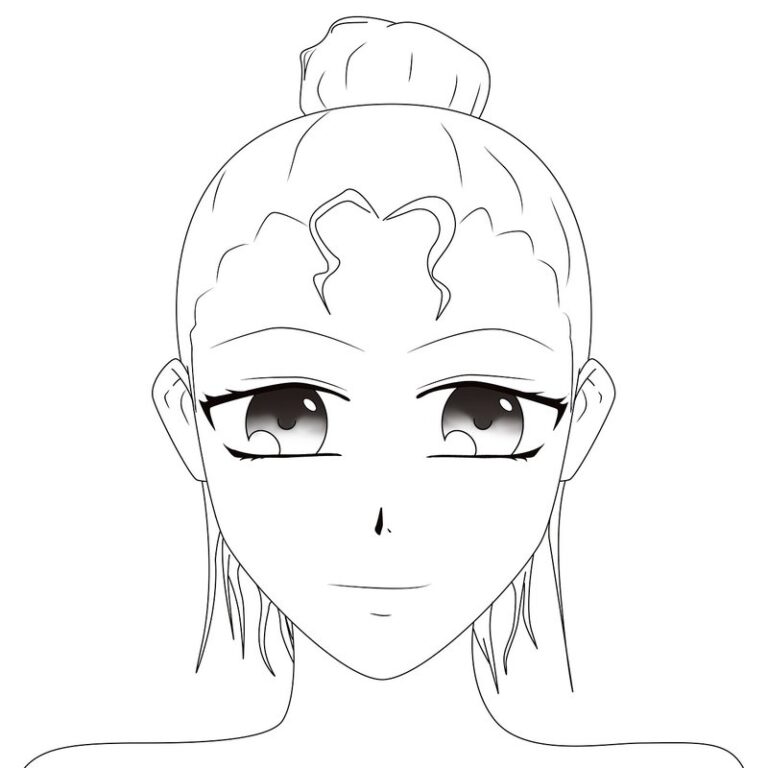
An anime eye is comprised of several key components that differ significantly from real-life human eyes. The iris, which is the colored part of the eye, is typically larger and more angular in anime. Its shape and size can greatly impact the overall appearance of the character’s eyes.
The pupil, or the central part of the iris, is often smaller than what you’d find in a real person’s eye. This allows artists to create a sense of depth and dimensionality when drawing anime eyes. The sclera, on the other hand, is usually white and takes up more space around the iris compared to human eyes.
Anime eyelids are also notable for being thicker and more angular than their real-life counterparts. This exaggerated feature helps to create a distinctive look that’s characteristic of the medium. Understanding these fundamental differences will enable you to accurately draw anime eyes and capture their unique spirit in your artwork.
When drawing anime eyes, try paying attention to the proportions of each component. Experiment with varying iris sizes and shapes to add depth and character to your subjects’ gazes.
Mastering Proportions
Proper proportions are crucial when drawing anime eyes, as they can make or break the overall look and feel of your character. To achieve a balanced and harmonious appearance, it’s essential to measure and compare different elements of the eye.
Start by identifying the key components: the iris, pupil, sclera, eyelids, and eyebrows. Measure the distance between these elements in relation to each other and as a whole. In anime eyes, the proportions are often exaggerated for dramatic effect, but there’s still a basis for realistic measurement.
For example, the ratio of the iris to the pupil is typically around 1:5 to 1:7. This means that if the pupil is 2 millimeters in diameter, the iris should be roughly 10-14 millimeters across. Similarly, the distance between the eyelids and eyebrows can also be measured to achieve a balanced look.
Remember, anime eyes are often stylized, so don’t be afraid to experiment and adjust proportions to suit your character’s unique personality and style.
Drawing Anime Eye Shapes
Now that you’ve mastered basic eye shapes, it’s time to learn how to draw more realistic and detailed anime eyes, including pupils, irises, and eyelashes. We’ll break down each part of the eye into manageable steps.
Round Eyes
Drawing round anime eyes requires attention to smooth curves and subtle variations in shape. To achieve this, start by sketching a gentle, rounded shape for the eye itself. Avoid sharp corners or points, as they can give your anime eyes an unrealistic appearance.
When drawing the iris, consider creating a slightly asymmetrical shape with a more pronounced curve towards the outer corner of the eye. This will add depth and dimension to your anime eye. To create subtle variations in shape, experiment with different sizes and proportions for each element within the eye – such as the pupil or eyelids.
For example, try drawing an anime eye with a larger pupil that’s positioned slightly off-center, or one where the eyelid is more curved on one side than the other. These small adjustments can significantly enhance the overall expression of your anime eyes and make them look more authentic.
Remember, practice makes perfect when it comes to mastering smooth curves and variations in shape. Take time to observe real-life examples of anime eyes and analyze what makes each pair unique.
Slanted or Angled Eyes
When drawing anime eyes with slanted or angled shapes, it’s essential to capture their unique characteristics. Slanted eyes give a more dramatic and expressive look, often associated with mature characters. To draw them, start by defining the shape of the eye. Draw an oval for the outer corner and a slightly smaller oval for the inner corner. The tops of these ovals should be slanted inward, creating a diagonal line.
To add depth to your anime eyes with angled shapes, create a subtle gradient effect on the iris. Use a gentle blend from darker colors at the top to lighter shades towards the bottom. This will give the illusion of a more three-dimensional shape. Remember that the eyelids should also be slanted, following the same angle as the eye itself.
In anime art, slanted or angled eyes often convey a sense of intensity or passion. When drawing these types of eyes, consider the character’s personality and emotions to add authenticity.
Adding Details and Expressions
Now that you have a basic shape, let’s dive into adding those finer details and expressions to bring your anime eyes to life with personality. This is where creativity really shines through!
Eyelashes and Brows
When drawing anime eyes, it’s easy to overlook the eyelashes and brows, but these details can make all the difference in bringing your character to life. Eyelashes, for instance, add depth and dimension to your eyes, making them look more expressive and emotive. A well-placed lash can even convey a character’s personality or mood.
To draw realistic eyelashes, focus on varying their length and thickness. Anime characters often have thicker lashes in the outer corners of their eyes, which can create a sense of drama and flair. You can also experiment with different textures and patterns to give your lashes some extra oomph. For example, you could draw longer, more sparse lashes on the upper lid or shorter, thicker ones on the lower lid.
Brows, too, play a crucial role in anime eyes drawing. A well-defined brow can add a sense of sophistication and elegance to your character’s face. To draw realistic brows, pay attention to their shape and placement. Anime characters often have thinner, more angular brows that are positioned slightly higher on the forehead. Experiment with different brow styles and textures to find what works best for your character. Remember, it’s all about balance – you want your eyelashes and brows to complement your eyes without overpowering them.
Pupils and Iris Patterns
When it comes to drawing realistic pupils and iris patterns, it’s essential to understand that anime eyes often exaggerate these details for dramatic effect. However, there are various techniques you can employ to create a sense of depth and dimension in your pupil and iris designs.
To begin with, let’s explore the different styles of irises found in anime. You’ll typically come across two types: the “window” style, which features a clear, defined shape; and the “dome” style, characterized by a rounded, often more muted appearance. Understanding these differences will help you decide on the right approach for your drawing.
When it comes to iris patterns, consider adding subtle texture or shading to give the illusion of depth. For instance, you can use gentle, concentric circles to suggest the layered structure of the iris. Another technique is to create a gradient effect by gradually transitioning from one color to another within the iris.
Pay attention to the pupil size and shape as well, ensuring it’s in proportion to the rest of the eye. Remember that smaller pupils can create an air of mystery or intimidation, while larger ones might convey a sense of innocence or kindness.
Advanced Techniques
Now that you’ve mastered the basics of anime eyes drawing, let’s dive into some more advanced techniques to take your skills to the next level.
Creating Depth with Layers
When creating anime eyes, adding depth to your drawing can be achieved through various techniques. One effective method is using layers and shading to create an illusion of volume. Start by sketching the outer shape of the eye, then divide it into sections – the iris, sclera, and pupil. Varying shades and values within each section will help create depth.
To add even more dimensionality, experiment with subtle color gradations and blending. For example, blend the edges of the iris with a gentle gradient to suggest softness around the edges. This can be achieved by layering thin strokes or using an airbrush. You can also use a combination of dark and light shading to create contrast between areas.
Consider studying real-life references – observing how eyelids, lashes, and brows interact with the surrounding skin tones will help you understand where subtle color gradations should occur in your anime eyes drawing.
Realism vs. Anime Style
When it comes to drawing anime eyes, one of the most common debates is whether to prioritize realism or stylization. While realism can create a more lifelike appearance, anime style allows for greater creative freedom and emotional expression. Ultimately, achieving the right balance between accuracy and stylization depends on your artistic goals and personal preference.
If you’re aiming for a realistic look, pay close attention to proportions and anatomy. Study real-life eyes and observe how they are structured. Note the shape of the iris, the position of the pupils, and the texture of the sclera. However, if you’re going for an anime style, don’t be afraid to exaggerate these features. Anime eyes often have larger irises, more dramatic eyelashes, and a more pronounced shape.
To balance realism with stylization, try combining realistic details with exaggerated features. For example, use a realistic iris shape but make the pupils larger or more angular. This way, you can maintain some level of accuracy while still conveying the emotional intensity that anime eyes are known for. Experiment with different styles and find what works best for your art.
Common Mistakes and Tips for Improvement
As you continue to refine your anime eyes drawing skills, it’s essential to be aware of common mistakes that can detract from your artwork. Let’s tackle some of these errors together!
Avoiding Common Errors
When drawing anime eyes, it’s easy to fall into common mistakes that can throw off the entire expression. One of the most noticeable errors is inconsistent pupil sizes. Make sure to draw pupils that are always proportional to the size of the eye itself. If you’re drawing a larger character, for instance, their pupils should be proportionally bigger as well.
Another mistake many artists make is forgetting about the white of the eye. Anime eyes often have a prominent white area around the iris, which can greatly add to the character’s expressiveness. Don’t be afraid to draw this area in and get creative with it – you can use subtle shading or texture to really bring out the eye’s emotion.
To avoid these errors, try drawing from life by observing how eyes work in real people. Take note of how the shape and size of the pupil change depending on the lighting and the person’s emotions. This will help you develop a more intuitive sense of anime eyes and prevent mistakes like inconsistent pupil sizes or forgotten whites.
Practice Exercises and Feedback
To improve your anime eyes drawing skills, it’s essential to practice consistently and seek feedback from others. Here are some exercises and prompts to help you get started:
* Practice drawing different eye shapes and sizes: Try drawing a variety of eye shapes and sizes on paper, ranging from small and subtle to large and dramatic. This will help you become familiar with the different proportions and angles that anime eyes can take.
* Focus on capturing subtle expressions: Anime eyes are known for their ability to convey complex emotions through subtle changes in expression. Practice drawing eyes with slight variations in shape and line weight to capture these nuances.
* Draw from reference images: Collect reference images of anime characters’ eyes and practice drawing them from life. Pay attention to the way light interacts with the eye, creating highlights and shadows.
Seeking feedback from peers and mentors is also crucial for improvement. Join online communities or forums where you can share your work and get constructive criticism from others. Attend art workshops or classes where you can receive personalized feedback from instructors.
Frequently Asked Questions
How do I apply what I’ve learned to create unique anime eyes for different characters?
When drawing various anime-style characters, focus on capturing their distinct personalities through your artwork. Experiment with different eye shapes, sizes, and iris patterns to make each character’s eyes truly unique. Pay attention to the proportions of the face and balance the size of the eyes accordingly.
Can I use reference images to help improve my anime eyes drawings?
Yes! Reference images can be incredibly helpful in creating more realistic and stylized anime eyes. Look for high-quality images of anime characters’ eyes, study their shapes, proportions, and details. This will help you develop a keen eye for the subtleties of anime-style eyes.
How do I balance realism with anime style when drawing eye expressions?
To strike the right balance between realistic and stylized, remember that anime eyes are exaggerated but not necessarily unrealistic. Focus on capturing the emotional essence of your character’s expression rather than adhering strictly to human anatomy. Think about how you can amplify or modify facial features to fit the needs of the scene.
What if I’m struggling to draw accurate eyelashes and brows for my anime characters?
Eyelashes and brows in anime art are often simplified but still require attention to detail. Focus on their proportions, direction, and overall balance within the frame. Practice sketching different types of lashes and brows until you feel confident drawing them accurately.
Can I combine different techniques from this guide to achieve a specific look or style?
Absolutely! This guide aims to provide a comprehensive foundation for drawing anime eyes. By combining various techniques, you can create unique styles that blend realism with stylization. Experiment with mixing and matching elements to find what works best for your artwork and personal vision.